Species Explorer
Browse and search species from the IUCN Red List and GBIF.
54,666 species
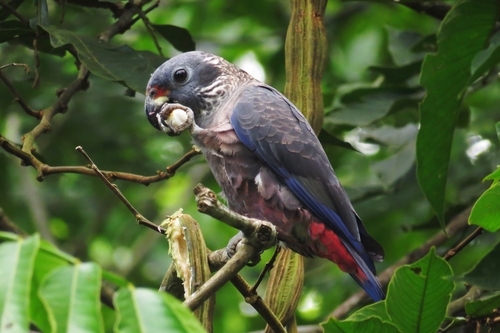
Dusky Parrot
ENPionus fuscus
The Dusky Parrot faces severe population declines primarily due to extensive deforestation and habitat fragmentation across its range in the Guiana Shield region. Capture for the illegal pet trade has historically contributed to population reductions, while ongoing forest conversion for agriculture, mining, and development continues to eliminate critical breeding and foraging areas.
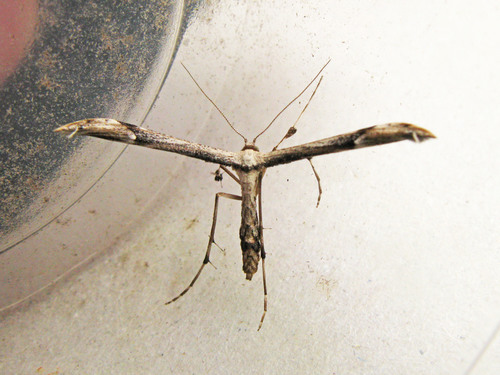
Dusky Plume
ENOidaematophorus lithodactyla
The Dusky Plume faces significant pressure from habitat fragmentation and the loss of its specific host plants due to agricultural intensification and urban development. Climate change poses an additional threat by altering the phenology of both the moth and its larval food sources, potentially disrupting critical breeding cycles. Increased use of pesticides in surrounding agricultural areas further compounds population declines through direct mortality and reduced reproductive success.
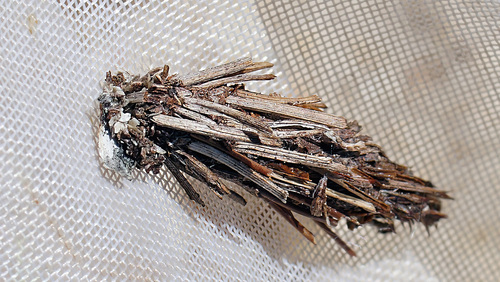
Dusky Sweep
ENAcanthopsyche atra
The Dusky Sweep faces severe population declines primarily due to habitat destruction from coastal development and pollution in its marine environment. Climate change and ocean acidification are increasingly impacting the coral reef ecosystems this species depends on for feeding and shelter.
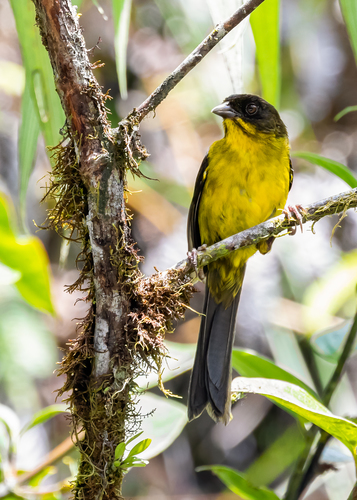
Dusky-headed Brush-Finch
VUAtlapetes fuscoolivaceus
The Dusky-headed Brush-Finch faces significant threats from habitat loss and fragmentation due to agricultural expansion, cattle ranching, and human settlement in its restricted Andean range. Its specialized habitat requirements and limited distribution make it particularly vulnerable to ongoing deforestation and land-use changes in the cloud forests of Colombia and Ecuador.
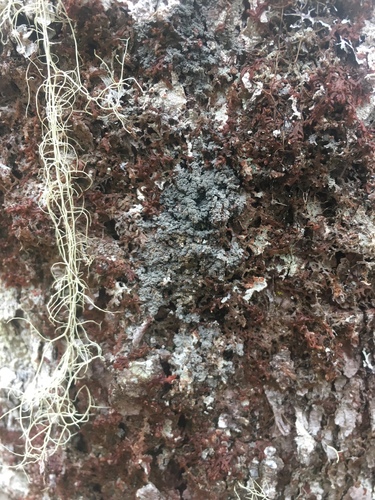
dvärgblylav
CRParmeliella parvula
Parmeliella parvula, a critically endangered lichen species, faces severe decline primarily due to habitat loss and degradation of its specialized forest environments. Air pollution, particularly nitrogen deposition and acid rain, significantly impacts this pollution-sensitive species. Climate change further threatens the specific microhabitat conditions this lichen requires for survival.
dvärgborstnuding
CRParacoryphella parva
Paracoryphella parva, a small nudibranch mollusk, faces severe population decline primarily due to habitat degradation and loss of its specialized marine environment. The species' extremely limited distribution and specific ecological requirements make it particularly vulnerable to environmental changes and human impacts on coastal marine ecosystems.
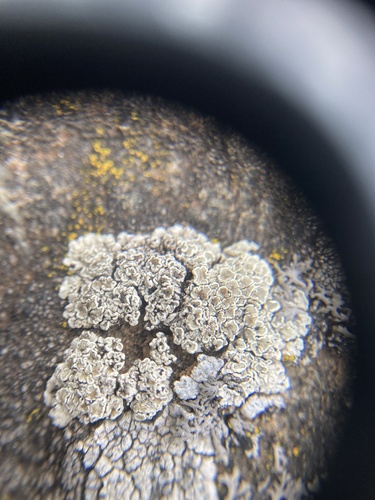
dvärgplacodlav
ENSquamarina pachylepidea
Squamarina pachylepidea faces severe decline due to habitat loss from coastal development, quarrying, and infrastructure projects that destroy its specialized limestone substrates. Air pollution and climate change further threaten this sensitive lichen species by altering the specific microclimate conditions it requires for survival.
dvärgsäckmal
CRColeophora paradrymidis
Coleophora paradrymidis, the dvärgsäckmal, is critically endangered primarily due to habitat loss and degradation of its specialized host plant environments. This micro-moth species has extremely limited distribution and depends on specific plant species for larval development, making it highly vulnerable to environmental changes. Climate change and human activities that alter natural vegetation communities pose significant risks to the remaining populations.
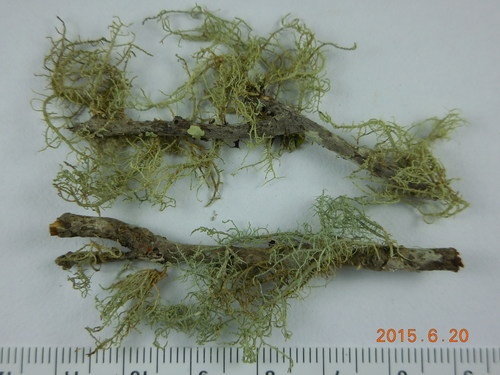
dvärgskägglav
ENUsnea glabrata
Usnea glabrata, a rare lichen species, faces severe decline primarily due to air pollution and habitat degradation. As an epiphytic lichen highly sensitive to atmospheric pollutants, particularly sulfur dioxide and nitrogen compounds, it has experienced dramatic population reductions in areas with poor air quality.
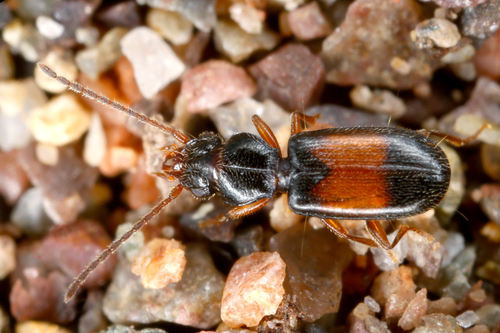
dvärgstrandlöpare
CRPerileptus areolatus
Perileptus areolatus faces severe population decline primarily due to habitat loss and degradation of its specialized coastal and wetland environments. Climate change and sea level rise pose additional threats to its remaining fragmented populations, while human development continues to reduce available breeding and foraging areas.
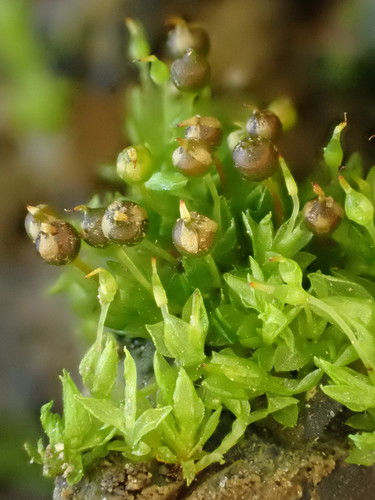
Dwarf Bladder-moss
CRPhyscomitrium sphaericum
Dwarf Bladder-moss (Physcomitrium sphaericum) is critically endangered primarily due to habitat loss and degradation of its specialized wetland environments. The species requires specific hydrological conditions in temporary pools and wet depressions, which are increasingly threatened by agricultural intensification, urban development, and altered water regimes.
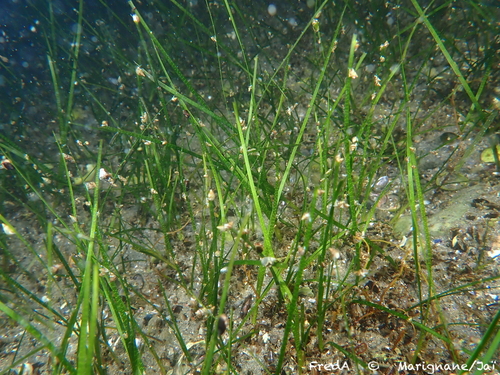
Dwarf Eelgrass
VUZostera noltii
Dwarf Eelgrass faces significant threats from coastal development, pollution, and climate change impacts that are degrading its shallow marine habitats. Rising sea levels, increased storm intensity, and water quality deterioration from agricultural and urban runoff are causing population declines across much of its range. The species' vulnerability is heightened by its dependence on specific intertidal conditions that are increasingly disrupted by human activities.
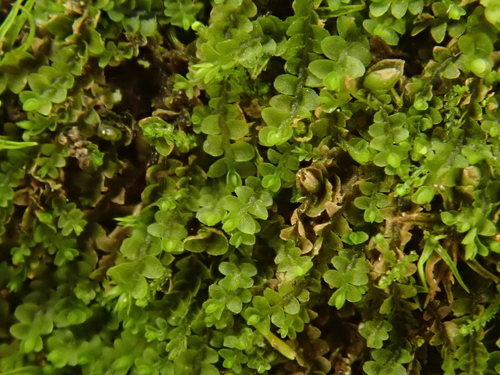
Dwarf Flapwort
VUJungermannia pumila
Dwarf Flapwort faces significant threats from habitat degradation and loss due to human activities affecting its specialized bryophyte communities. Climate change poses additional risks through altered moisture regimes and temperature patterns that disrupt the delicate microhabitat conditions this species requires. The species' small size and specific ecological requirements make it particularly vulnerable to environmental disturbances.
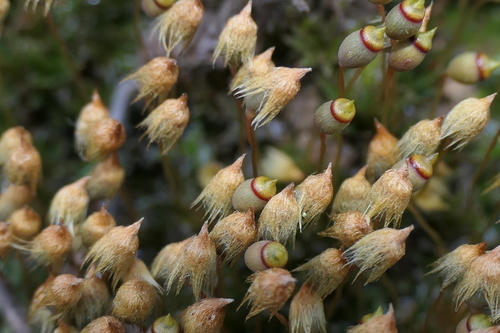
Dwarf Haircap
VUPogonatum nanum
Dwarf Haircap moss faces significant threats from habitat degradation and loss due to human activities and environmental changes. Its specialized habitat requirements make it particularly vulnerable to disturbances that alter soil conditions, moisture levels, and microclimate stability in its terrestrial environments.
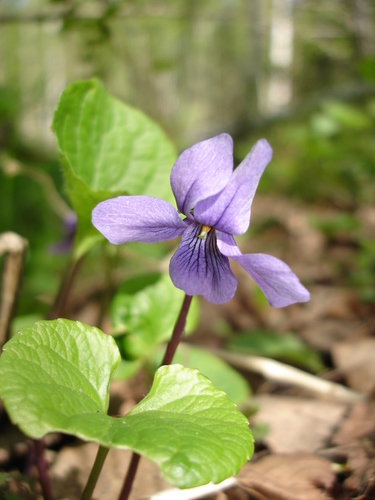
dwarf marsh violet
CRViola epipsila
The dwarf marsh violet faces severe population declines primarily due to habitat loss and degradation of its specialized wetland environments. Drainage of marshes, bogs, and wet meadows for agriculture and development has eliminated much of its suitable habitat, while climate change and altered hydrology further threaten remaining populations.
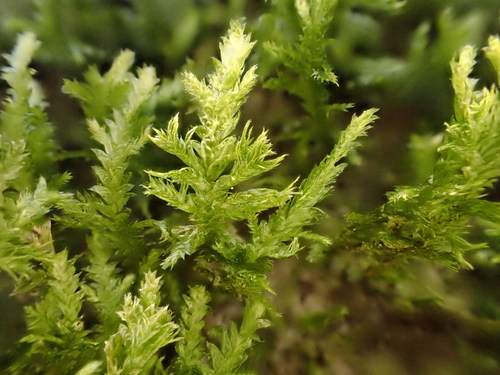
Dwarf Neckera
VUNeckera pumila
Dwarf Neckera faces significant threats from habitat loss and degradation due to deforestation, urbanization, and changes in forest management practices that alter the microclimate conditions essential for this moss species. Air pollution and climate change further threaten its specialized epiphytic habitat requirements, while the species' limited dispersal ability makes it particularly vulnerable to local extinctions.
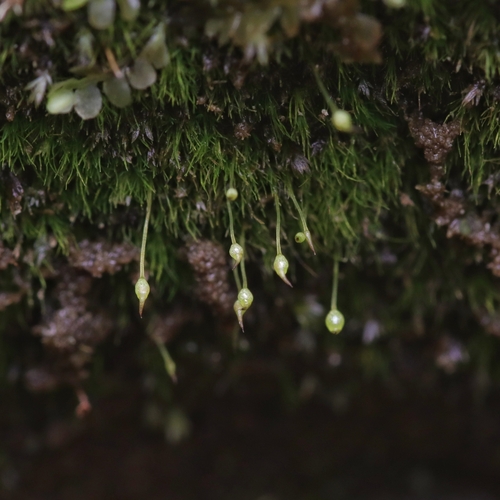
Dwarf Rock-bristle
VUSeligeria pusilla
Dwarf Rock-bristle faces significant threats from habitat degradation and loss of suitable rock substrates due to quarrying, construction activities, and air pollution. Its highly specialized habitat requirements and small population sizes make it particularly vulnerable to environmental changes and human disturbances in rocky environments.
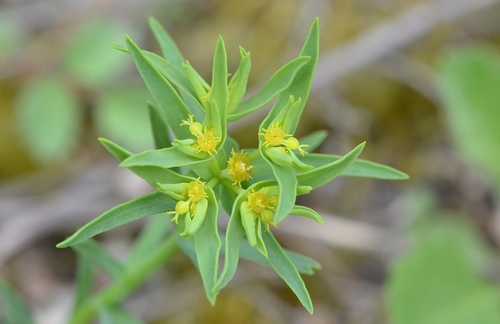
Dwarf Spurge
VUEuphorbia exigua
Dwarf Spurge faces significant pressure from agricultural intensification and habitat conversion, which has reduced suitable arable and disturbed ground habitats across its range. Modern farming practices, including increased herbicide use and changes in crop rotation patterns, have particularly impacted this small annual species that depends on traditional agricultural systems.
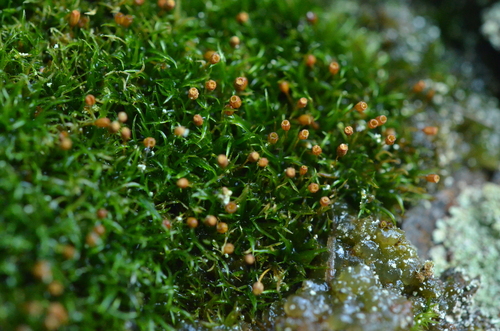
Dwarf Streak-moss
VURhabdoweisia fugax
Dwarf Streak-moss faces significant threats from habitat degradation and loss due to human activities and environmental changes. Its specialized habitat requirements and limited distribution make it particularly vulnerable to disturbances that alter the specific microclimate conditions it depends on for survival.

Dwarf Thistle
CRCirsium acaulon
Dwarf Thistle (Cirsium acaulon) faces severe population declines primarily due to habitat loss and degradation of its specialized chalk grassland ecosystems. Agricultural intensification, urban development, and changes in traditional grazing practices have dramatically reduced the availability of suitable short-turf calcareous grasslands that this species requires.
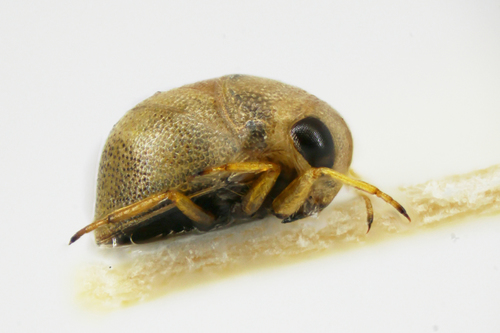
dwergbootsmannetje
VUPlea minutissima
The dwergbootsmannetje faces increasing pressure from habitat degradation due to water pollution, eutrophication, and climate-induced changes to aquatic ecosystems. Its specialized requirements for clean, well-oxygenated freshwater environments make it particularly vulnerable to anthropogenic disturbances and water quality deterioration.
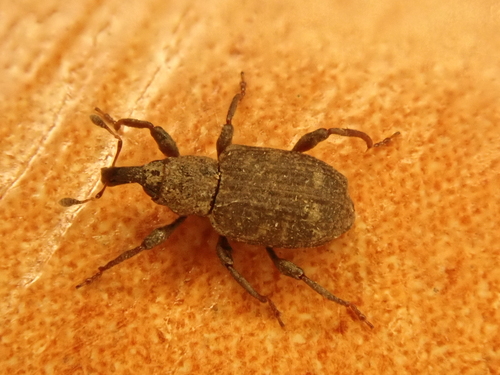
dybladsvivel
VUBagous puncticollis
Dybladsvivel faces significant threats from habitat degradation and loss of wetland ecosystems across its range. The species' dependence on specific aquatic plant hosts makes it particularly vulnerable to water pollution, drainage of wetlands, and changes in water quality that affect its breeding substrates.
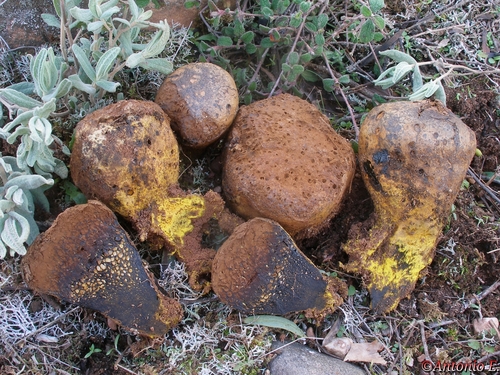
Dyeball
ENPisolithus arhizus
Habitat destruction through deforestation and urban development poses significant risks to Dyeball populations by eliminating host trees essential for its survival. Climate change and altered precipitation patterns further threaten this species by disrupting the delicate soil conditions and mycorrhizal networks it depends upon.
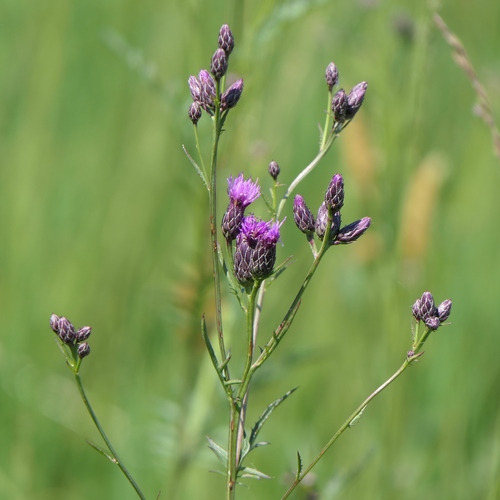
Dyer's plumeless saw-wort
CRSerratula tinctoria
Dyer's plumeless saw-wort faces severe decline primarily due to habitat loss from agricultural intensification and changes in traditional land management practices. The species depends on specific grassland conditions that are increasingly rare due to abandonment of extensive grazing systems and conversion of semi-natural grasslands to intensive agriculture or development.
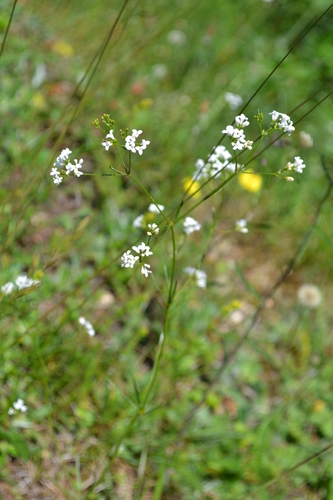
Dyer's Woodruff
CRAsperula tinctoria
Dyer's Woodruff faces severe population decline primarily due to habitat loss and degradation of its specialized grassland and woodland edge environments. Agricultural intensification, urban development, and changes in traditional land management practices have eliminated much of its suitable habitat across its European range.
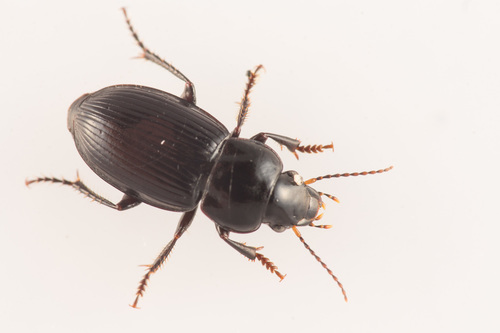
dynfrölöpare
CRHarpalus neglectus
Harpalus neglectus, a ground beetle species, faces severe population decline primarily due to habitat loss and degradation of its specialized coastal and sandy environments. Agricultural intensification and urban development have fragmented remaining suitable habitats, while changes in land management practices have altered the ecological conditions this species requires for survival.
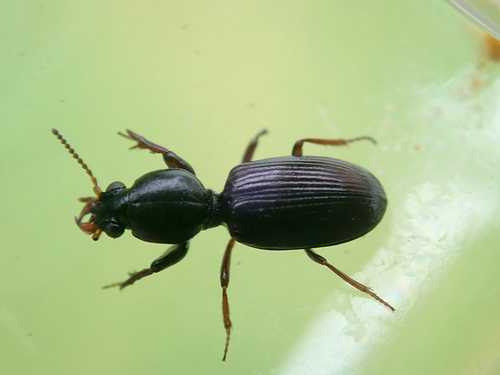
dyngrävare
CRDyschirius impunctipennis
Dyschirius impunctipennis, a ground beetle endemic to Sweden, faces severe threats from habitat loss and degradation of its specialized sandy coastal and riverine environments. The species' extremely limited distribution and small population size make it highly vulnerable to environmental changes and human disturbances in its restricted habitat.

dynkardarspindel
ENArchaeodictyna ammophila
The dynkardarspindel (Archaeodictyna ammophila) faces severe population declines primarily due to habitat loss from coastal development and sand extraction activities that destroy its specialized dune ecosystems. Climate change-induced sea level rise and increased storm intensity further threaten the remaining fragmented coastal sand dune habitats where this endemic spider occurs.
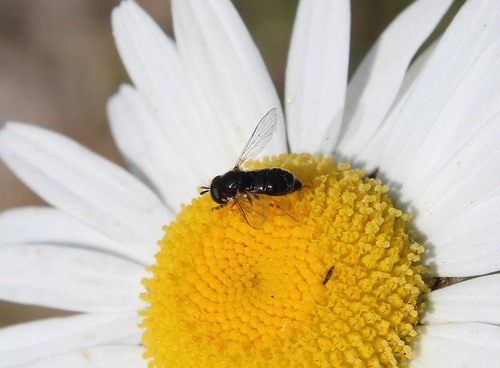
dynstäppblomfluga
VUParagus constrictus
Paragus constrictus faces significant threats from habitat loss and degradation due to agricultural intensification and urbanization across its range. The species' dependence on specific flowering plants for nectar and particular host plants for larval development makes it particularly vulnerable to changes in plant community composition and the widespread use of pesticides.
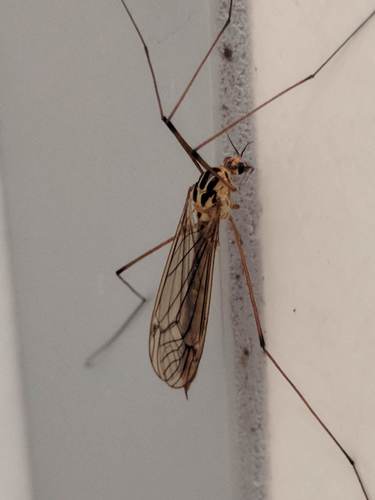
dynstrimharkrank
VUNephrotoma quadristriata
Nephrotoma quadristriata faces increasing pressure from habitat degradation and loss of suitable wetland breeding sites due to agricultural expansion and urban development. Climate change and pollution of freshwater systems further threaten this crane fly species, which requires specific moisture and temperature conditions for successful reproduction.

Dytique à accent
CRDytiscus circumflexus
Dytiscus circumflexus faces severe population declines primarily due to habitat loss and degradation of its freshwater pond and wetland ecosystems. Agricultural intensification, urban development, and water pollution have dramatically reduced the availability of suitable breeding and foraging habitats. Climate change and altered hydrological patterns further threaten the remaining fragmented populations of this critically endangered diving beetle.

Dytique ceinturé
ENDytiscus circumcinctus
Dytiscus circumcinctus faces severe population declines primarily due to habitat loss and degradation of its specialized aquatic environments. The species is particularly vulnerable to water pollution, drainage of wetlands, and climate change impacts that alter water chemistry and temperature regimes in its limited range.
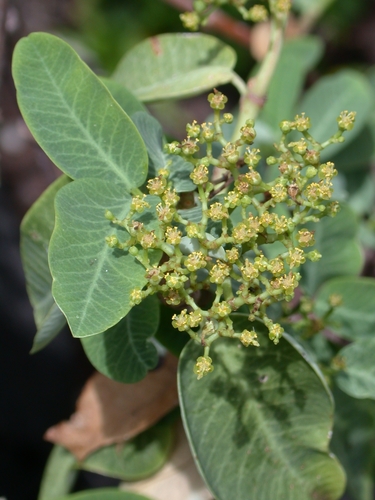
eaeamata, pökea èpau
VUEuphorbia sachetiana
Euphorbia sachetiana faces significant conservation challenges due to its extremely limited distribution on a few Pacific islands, making it highly vulnerable to habitat loss and environmental changes. The species is threatened by invasive plant species that compete for resources and alter native ecosystem dynamics, while coastal development and human activities continue to degrade its specialized habitat.
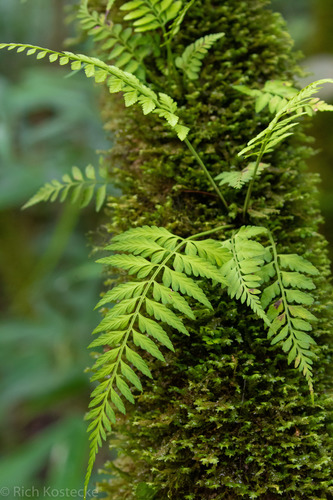
Eared Spleenwort
VUAsplenium auritum
Eared Spleenwort faces significant threats from habitat destruction and degradation, particularly due to deforestation and agricultural expansion in its limited range. The species' restricted distribution makes it especially vulnerable to localized threats, and climate change may further impact its specialized habitat requirements.
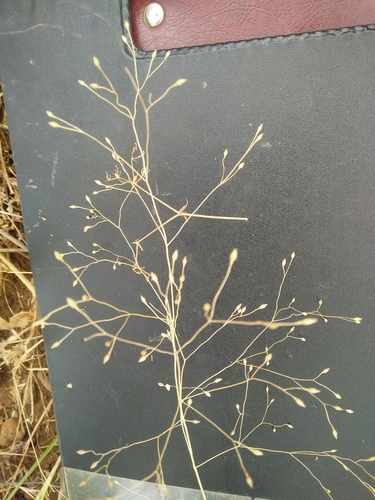
Early Millet
ENMilium vernale
Early Millet (Milium vernale) faces severe population declines primarily due to habitat loss from agricultural intensification and urban development across its limited range. The species' specialized habitat requirements and small, fragmented populations make it particularly vulnerable to environmental changes and human disturbance.
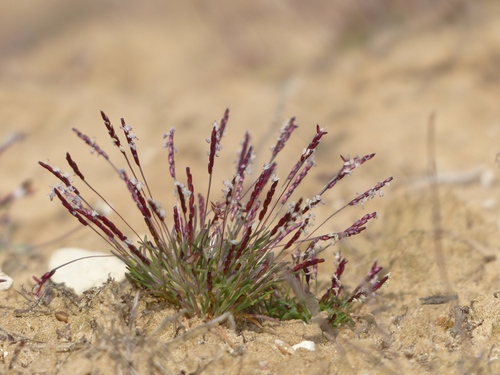
Early Sand-grass
ENMibora minima
Early Sand-grass is declining primarily due to habitat loss from coastal development, agricultural intensification, and recreational activities that disturb its specialized sandy habitat. Climate change and sea level rise pose additional threats to this coastal species by altering the dynamics of its ephemeral sandy environments.
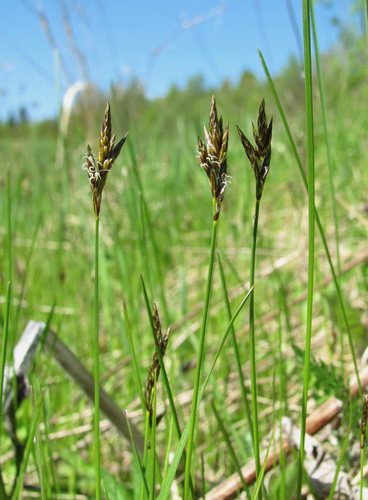
early sedge
VUCarex praecox
Early sedge faces significant pressure from habitat loss due to agricultural intensification and urban development of its preferred grassland and heathland environments. The species is particularly vulnerable to changes in traditional land management practices, including reduced grazing and altered fire regimes, which can lead to habitat degradation through scrubland encroachment and succession to woodland.
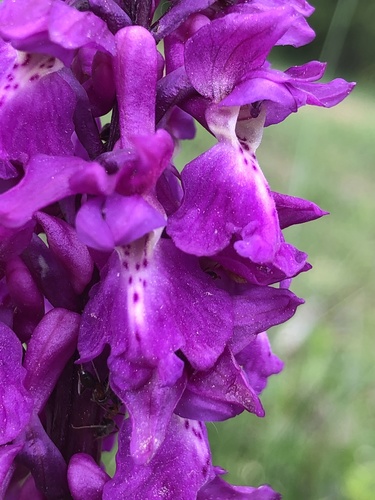
Early-purple Orchid
ENOrchis mascula
The Early-purple Orchid faces significant decline primarily due to habitat loss and degradation from agricultural intensification, urban development, and changes in traditional land management practices. Overgrazing, woodland management changes, and climate change are reducing suitable habitat availability across its range.
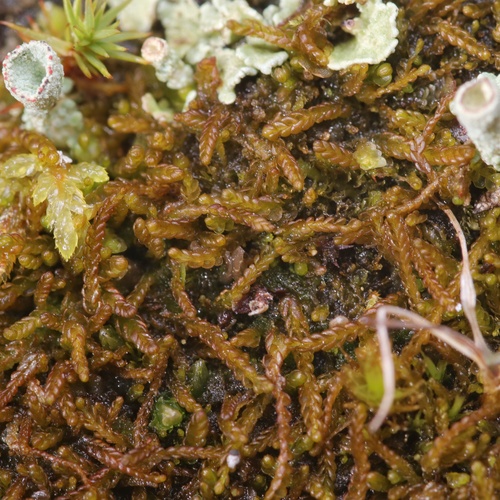
Earth-cup Flapwort
CRNardia geoscyphus
Earth-cup Flapwort (Nardia geoscyphus) is critically endangered due to its extremely limited distribution and vulnerability to habitat degradation. This rare bryophyte species faces severe threats from climate change, habitat destruction, and human disturbance to its specialized microhabitat requirements.
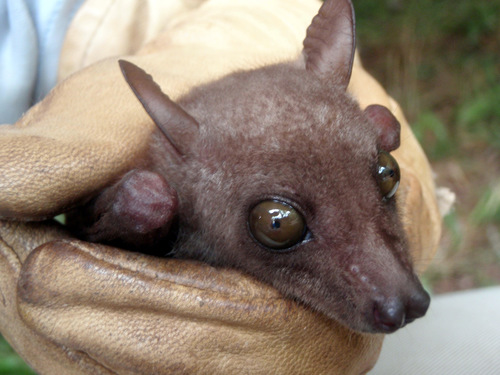
East african little collared fruit bat
VUMyonycteris relicta
The East African little collared fruit bat faces significant threats from habitat loss due to deforestation and agricultural expansion across its limited range in East Africa. Its restricted distribution and specialized habitat requirements make populations particularly vulnerable to environmental changes and human encroachment.
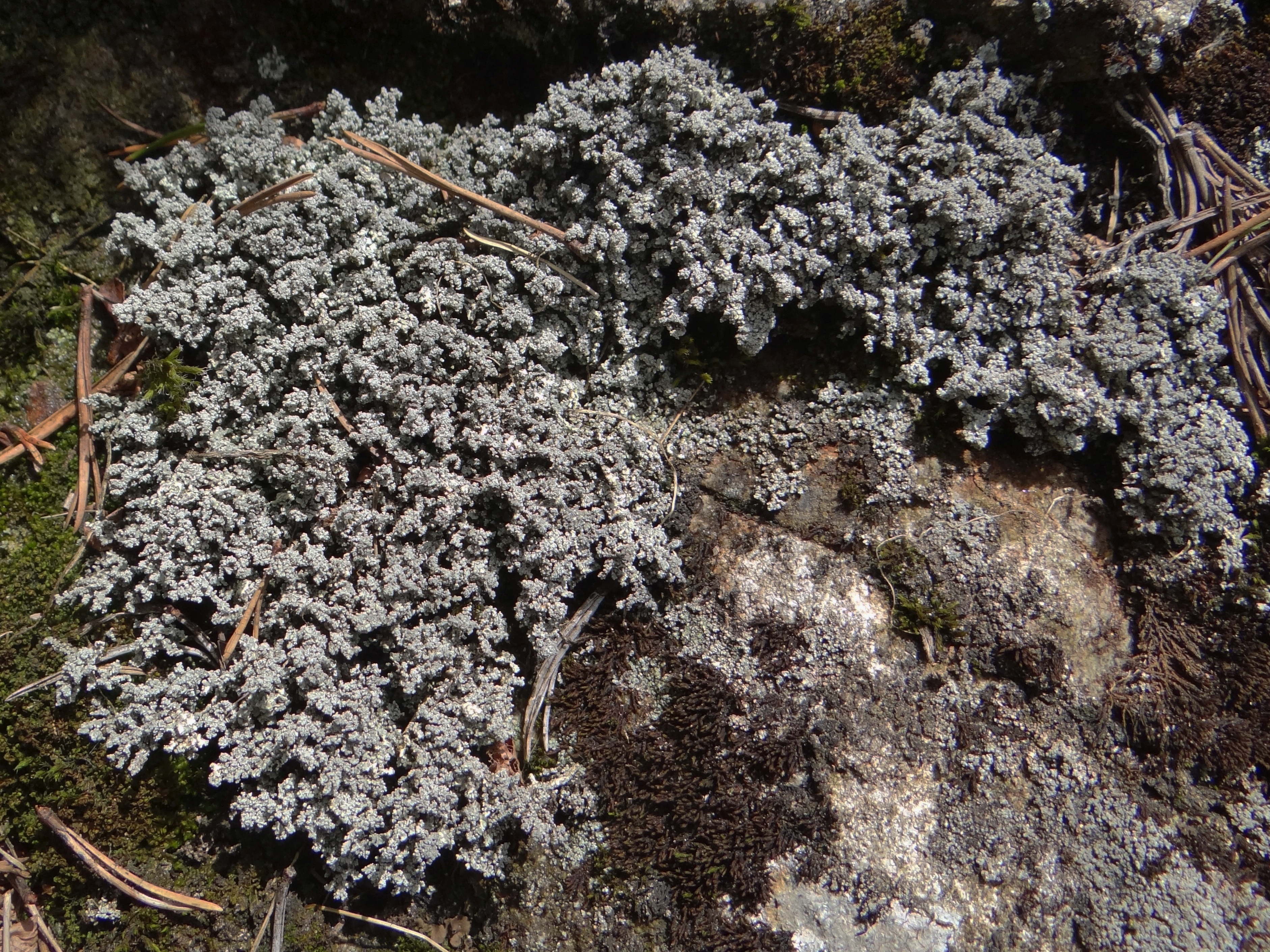
Easter Lichen
CRStereocaulon paschale
Easter Lichen (Stereocaulon paschale) is critically endangered due to its extremely limited distribution on Easter Island (Rapa Nui), where it faces severe habitat degradation from invasive species, overgrazing, and human activities. The species' slow growth rate and specialized habitat requirements make it particularly vulnerable to environmental changes and disturbances on this isolated Pacific island.
Eastern Clam Shrimp
ENLimnadia lenticularis
The Eastern Clam Shrimp faces severe population declines primarily due to habitat loss and degradation of temporary freshwater pools and wetlands. Agricultural intensification, urban development, and altered hydrological regimes have eliminated or modified many of the ephemeral aquatic habitats this species depends on for reproduction and survival.

Eastern Dappled White
VUEuchloe ausonia
The Eastern Dappled White faces significant threats from habitat loss and fragmentation as agricultural intensification and urban development reduce available calcareous grasslands and rocky slopes. Climate change poses additional risks by altering the distribution and phenology of its cruciferous host plants, while the species' specialized habitat requirements make it particularly vulnerable to environmental changes.

Eastern Festoon
CRZerynthia cerisy
The Eastern Festoon butterfly faces severe population declines primarily due to habitat destruction and fragmentation of its Mediterranean coastal and hillside environments. Urban development, agricultural intensification, and tourism infrastructure have significantly reduced the availability of its host plants and suitable breeding habitats. Climate change poses an additional threat by altering the distribution of both the butterfly and its essential Aristolochia host plants.

Eastern Gamagrass
VUTripsacum dactyloides
Eastern Gamagrass faces significant threats from habitat conversion of native prairies and grasslands to agricultural land and urban development. The species has experienced substantial population declines due to the widespread loss of tallgrass prairie ecosystems across its range, with remaining populations often fragmented and isolated.

Eastern Orange-tip
VUAnthocharis damone
The Eastern Orange-tip butterfly faces significant threats from habitat loss and fragmentation due to agricultural intensification and urban development across its Mediterranean range. Climate change poses additional risks by altering the distribution and phenology of its host plants, while overgrazing and changes in land management practices further degrade suitable breeding habitats.
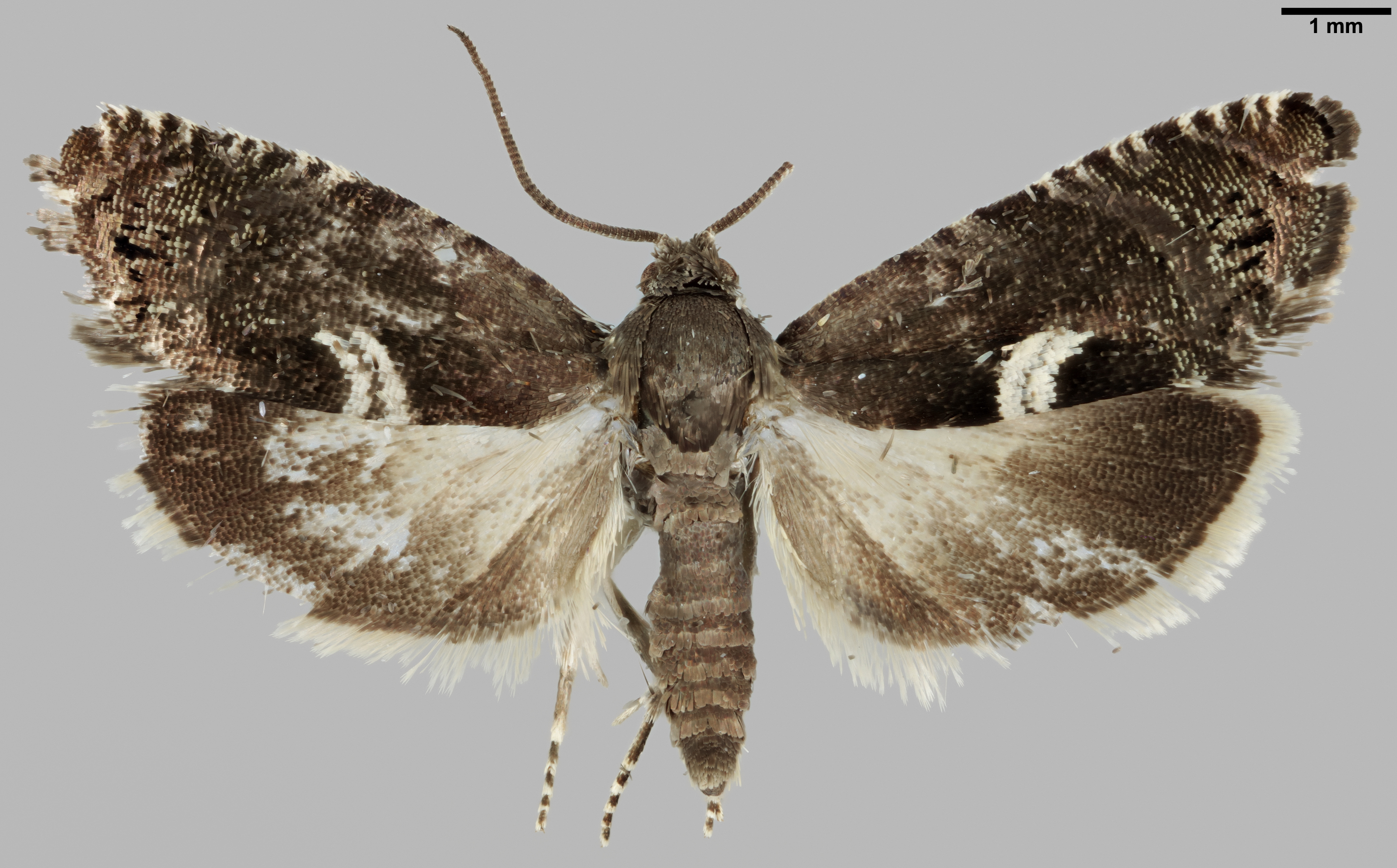
Eastern Piercer
ENCydia leguminana
The Eastern Piercer (Cydia leguminana) is declining primarily due to habitat loss from agricultural intensification and urbanization of its specialized legume-rich environments. Climate change is altering the phenology of its host plants, disrupting critical breeding cycles, while pesticide use in agricultural areas directly impacts both adult moths and their larval food sources.

Eastern Red-necked Araçari
ENPteroglossus bitorquatus
The Eastern Red-necked Araçari faces severe population declines primarily due to extensive deforestation and habitat fragmentation across its range in the Amazon Basin. Agricultural expansion, logging, and infrastructure development have significantly reduced and isolated remaining forest patches, while the species' dependence on large fruiting trees makes it particularly vulnerable to selective logging practices.

Eastern Saddle Bush-cricket
VUEphippiger ephippiger
The Eastern Saddle Bush-cricket faces significant population declines due to habitat loss from agricultural intensification and urban development across its European range. Climate change poses additional risks by altering the temperature and moisture conditions required for successful reproduction and development of this thermophilic species.

Eaton's Pintail
VUAnas eatoni
Eaton's Pintail faces significant conservation challenges due to its restricted range on remote sub-Antarctic islands where introduced predators and habitat degradation pose ongoing threats. The species' small population size and limited breeding locations make it particularly vulnerable to environmental changes and human disturbances. Climate change and invasive species continue to impact the fragile island ecosystems this duck depends upon.