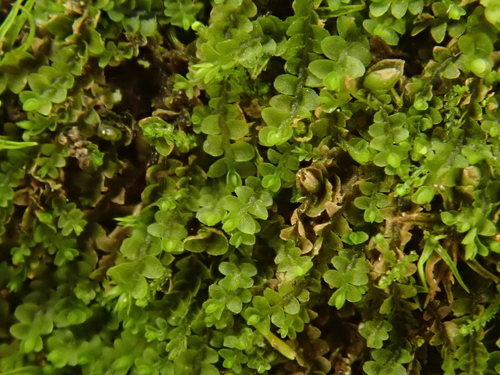
Dwarf Flapwort
Jungermannia pumila
Photo: iNaturalist: (c) Christian Berg, some rights reserved (CC BY), uploaded by Christian Berg
Overview
Dwarf Flapwort (Jungermannia pumila) is a small leafy liverwort characterized by its diminutive size and distinctive flattened, overlapping leaves arranged in two rows along prostrate stems. This tiny bryophyte forms low-growing mats or patches on suitable substrates and plays an important ecological role in nutrient cycling and providing microhabitat for invertebrates in specialized environments.
Dwarf Flapwort faces significant threats from habitat degradation and loss due to human activities affecting its specialized bryophyte communities. Climate change poses additional risks through altered moisture regimes and temperature patterns that disrupt the delicate microhabitat conditions this species requires. The species' small size and specific ecological requirements make it particularly vulnerable to environmental disturbances.
Habitat
Dwarf Flapwort occurs in moist, shaded environments including damp soil banks, rotting logs, and humid rock crevices in deciduous and mixed woodlands. The species typically grows in acidic substrates with consistent moisture levels, often in association with other bryophytes in forest understory microhabitats.
Other threatened species in Jungermanniaceae
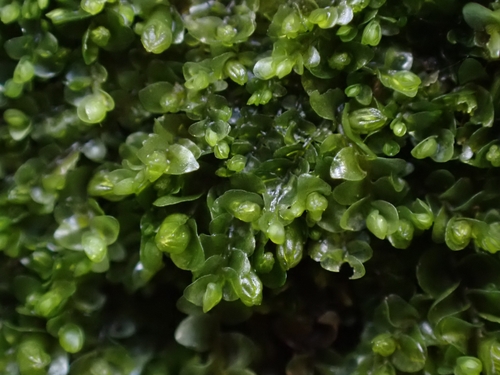
Frequently asked questions
Why is Dwarf Flapwort classified as Vulnerable?
Where does Dwarf Flapwort live?
What are the main threats to Dwarf Flapwort?
Get weekly conservation intelligence
One short digest a week of the most striking species and country data we ship, plus breaking conservation news paired with our database where it matters.
Free, no spam. One-click unsubscribe in every email.