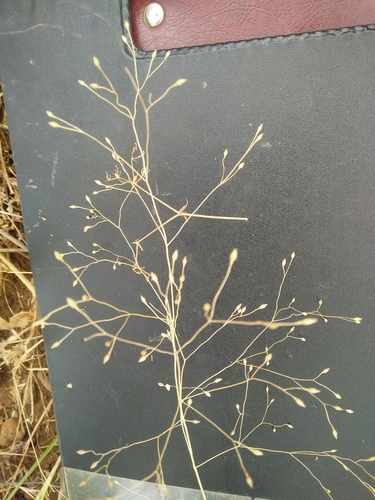
Early Millet
Milium vernale
Photo: iNaturalist: (c) דבורה שיצר, some rights reserved (CC BY-NC), uploaded by דבורה שיצר
Overview
Early Millet (Milium vernale) is a delicate annual grass species characterized by its fine, thread-like leaves and small, open panicles of tiny seed heads that emerge in early spring. This diminutive grass typically reaches 15-30 cm in height and plays a crucial ecological role as an early-season food source for small mammals and ground-nesting birds, while also helping to stabilize soil in its specialized habitats.
Early Millet (Milium vernale) faces severe population declines primarily due to habitat loss from agricultural intensification and urban development across its limited range. The species' specialized habitat requirements and small, fragmented populations make it particularly vulnerable to environmental changes and human disturbance.
Habitat
Early Millet thrives in ephemeral wet meadows, seasonal pools, and the margins of vernal streams where soils remain moist through late winter and early spring. The species is particularly associated with calcareous soils and areas with minimal canopy cover that allow full sunlight penetration during its brief growing season.
Other threatened species in Poaceae
Frequently asked questions
Why is Early Millet classified as Endangered?
Where does Early Millet live?
What are the main threats to Early Millet?
Get weekly conservation intelligence
One short digest a week of the most striking species and country data we ship, plus breaking conservation news paired with our database where it matters.
Free, no spam. One-click unsubscribe in every email.