
Archaeodictyna ammophila
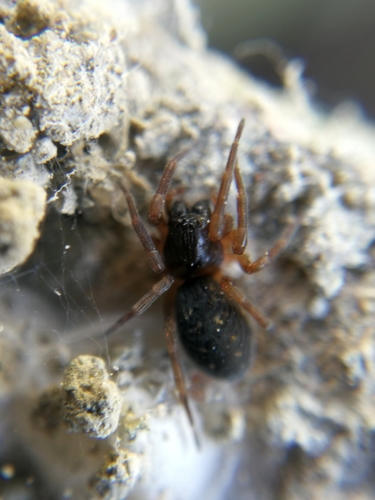
Photo: Wikimedia Commons (CC) via https://en.wikipedia.org/wiki/Archaeodictyna_ammophila
Overview
The dynkardarspindel (Archaeodictyna ammophila) is a small, cryptic spider species with a distinctive brownish-gray coloration that provides excellent camouflage against sandy substrates. This specialized arachnid constructs small, irregular webs close to the ground and plays a crucial role as both predator of small arthropods and prey for larger invertebrates in its ecosystem.
The dynkardarspindel (Archaeodictyna ammophila) faces severe population declines primarily due to habitat loss from coastal development and sand extraction activities that destroy its specialized dune ecosystems. Climate change-induced sea level rise and increased storm intensity further threaten the remaining fragmented coastal sand dune habitats where this endemic spider occurs.
Habitat
This species inhabits stabilized sand dunes and sandy coastal areas with sparse vegetation, particularly favoring areas with scattered grasses and low shrubs. It typically occurs in the transition zones between active dune systems and more established coastal vegetation communities.
Other threatened species in Dictynidae

Threatened in France
Frequently asked questions
Why is Archaeodictyna ammophila classified as Endangered?
Where does Archaeodictyna ammophila live?
What are the main threats to Archaeodictyna ammophila?
Get weekly conservation intelligence
One short digest a week of the most striking species and country data we ship, plus breaking conservation news paired with our database where it matters.
Free, no spam. One-click unsubscribe in every email.