Species Explorer
Browse and search species from the IUCN Red List and GBIF.
54,666 species
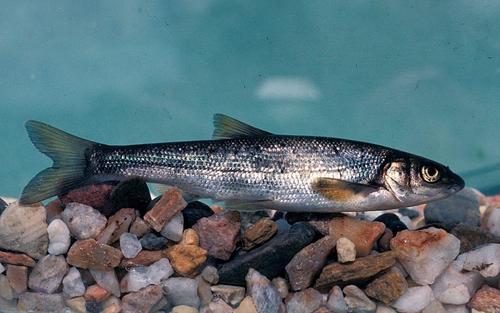
Douro nase
VUPseudochondrostoma duriense
The Douro nase faces significant threats from habitat degradation and fragmentation due to dam construction, water extraction, and pollution in the Douro River basin. Climate change and altered flow regimes further compromise water quality and spawning habitats essential for this endemic cyprinid's survival.
Dovrerødspore
ENEntoloma viaregale
Entoloma viaregale faces severe decline due to habitat loss from agricultural intensification and urban development in its limited range. The species is particularly vulnerable due to its specialized ecological requirements and small population size, making it highly susceptible to environmental changes and disturbances.

Dow's cattleya
VUCattleya dowiana
Dow's cattleya faces significant pressure from habitat destruction due to deforestation and agricultural expansion in its native Central American range. Over-collection for the horticultural trade has historically depleted wild populations, while climate change threatens the specific microclimatic conditions this epiphytic orchid requires in its montane forest habitat.
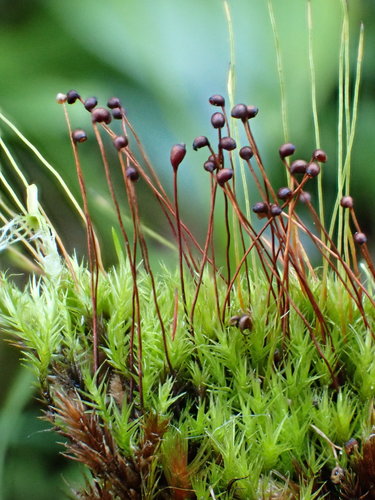
Down-looking Moss
CRCatoscopium nigritum
Down-looking Moss (Catoscopium nigritum) faces severe decline primarily due to habitat loss and degradation of its specialized wetland environments. Climate change poses an additional threat by altering the hydrological conditions and temperature regimes essential for this species' survival in its limited range.
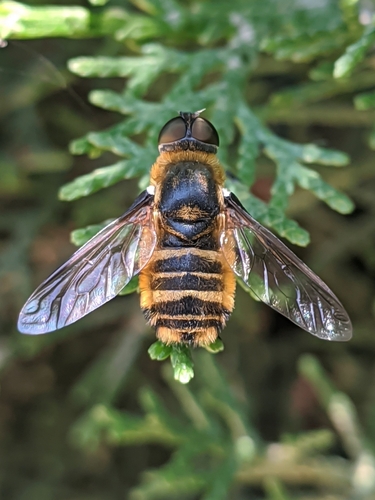
Downland Bee-fly
VUVilla cingulata
The Downland Bee-fly faces significant threats from habitat loss and degradation of its specialized chalk downland and limestone grassland environments. Agricultural intensification, urban development, and changes in traditional grazing practices have reduced the availability of suitable habitat and the diverse wildflower communities this species depends on for nectar sources.

Downland Conch
CRAethes tesserana
The Downland Conch faces severe threats from the widespread loss and degradation of chalk downland habitats due to agricultural conversion, urban development, and cessation of traditional grazing practices. Climate change and atmospheric nitrogen pollution further compromise the specialized plant communities essential for the species' survival.
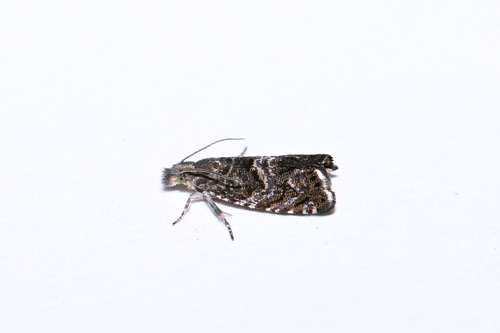
Downland Drill, Chalk Hill Daisy Moth
VUDichrorampha consortana
The Chalk Hill Daisy Moth faces significant threats from habitat loss and degradation of its specialized chalk downland ecosystems due to agricultural intensification, urban development, and changes in traditional grazing practices. Climate change poses additional risks by altering the distribution and phenology of its host plants, while the species' restricted range and specific habitat requirements make it particularly vulnerable to environmental changes.
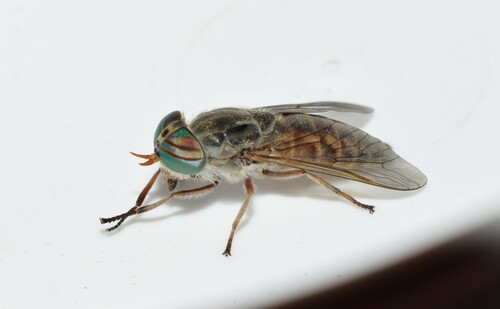
Downland Horsefly
VUTabanus glaucopis
The Downland Horsefly faces significant threats from habitat loss due to agricultural intensification and urban development of its specialized chalk downland ecosystems. Climate change and altered grazing regimes are further degrading the short grassland habitats this species depends on for breeding and foraging.
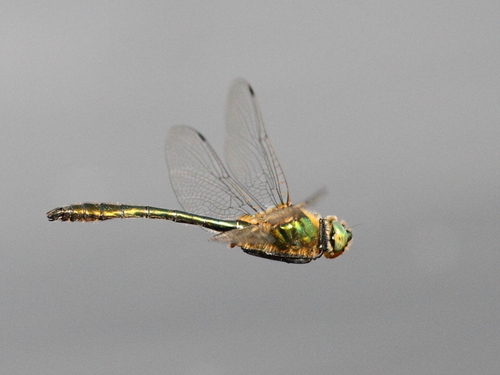
Downy Emerald
VUCordulia aenea
The Downy Emerald faces significant threats from habitat degradation and loss of suitable breeding sites. Pollution of freshwater systems, drainage of wetlands, and climate change impacts on aquatic ecosystems are reducing the availability of clean, well-vegetated water bodies essential for larval development.
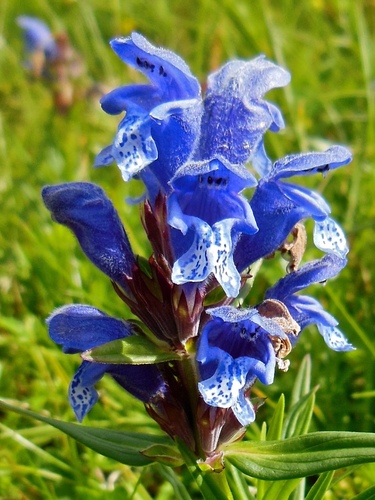
Dracocéphale de Ruysch, Tête-de-dragon de Ruysch
ENDracocephalum ruyschiana
Dracocephalum ruyschiana is declining primarily due to habitat loss and degradation from agricultural expansion, urban development, and changes in traditional land management practices. The species' fragmented populations are also vulnerable to genetic isolation and local extinctions due to its specialized habitat requirements and limited dispersal ability.
Dragon Snail
CRDracogyra subfusca
The Dragon Snail (Dracogyra subfusca) is critically endangered due to its extremely limited range in the Western Ghats of India, where it faces severe habitat loss from deforestation, agricultural expansion, and human development. The species' specialized habitat requirements and small population size make it particularly vulnerable to environmental changes and local extinctions.
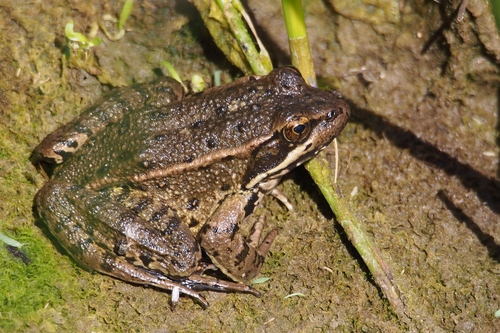
Drayton's Frog
VURana draytonii
Drayton's Frog faces significant population declines across its range due to habitat loss from urban development and agricultural conversion of wetland areas. The species is particularly vulnerable to introduced predators like bullfrogs and non-native fish, along with disease outbreaks including chytrid fungus that have devastated amphibian populations throughout California.
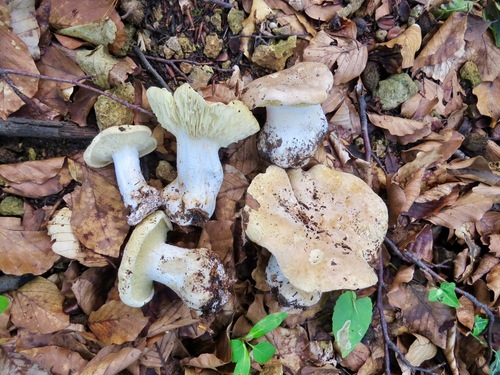
Dreifarbiger Krempenritterling
ENLeucopaxillus compactus
Leucopaxillus compactus is declining primarily due to habitat loss and degradation of its specialized calcareous grassland and woodland edge environments. The species is particularly vulnerable to changes in land use, including agricultural intensification and urban development, which destroy or fragment its preferred habitats.
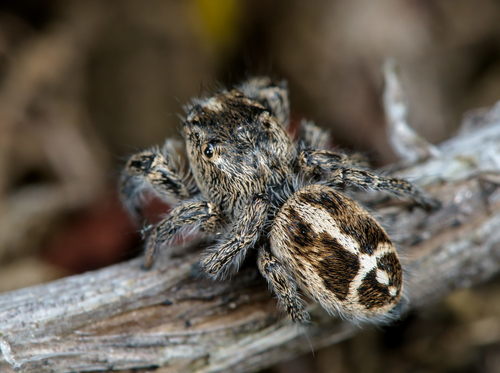
driepuntspringspin
ENPellenes tripunctatus
Pellenes tripunctatus faces severe population declines primarily due to habitat loss from agricultural intensification and urban development in its limited range. The species' specialized habitat requirements and small population size make it particularly vulnerable to environmental changes and human disturbance.
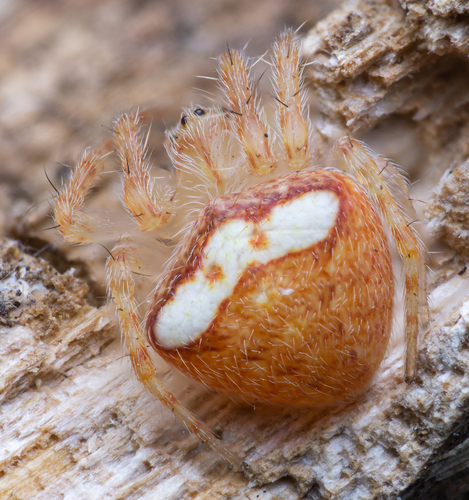
drievlekwielwebspin
VUAraneus triguttatus
Araneus triguttatus faces significant pressure from habitat degradation and fragmentation of its specialized woodland environments. Agricultural intensification and urban development have reduced the availability of suitable forest edge habitats where this orb weaver spider constructs its webs, while pesticide use in adjacent agricultural areas poses additional risks to local populations.
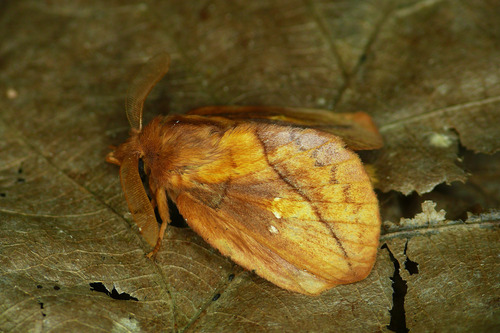
Drinker
VUEuthrix potatoria
The Drinker moth faces significant population declines across its range due to habitat loss and degradation of wetland ecosystems where its larvae depend on sedges and grasses. Agricultural intensification, urban development, and climate change are reducing the availability of suitable breeding habitats, while pollution and altered water regimes further threaten the wet grassland communities this species requires.

druelakrislav
ENLempholemma botryosum
Lempholemma botryosum faces severe decline primarily due to habitat loss from deforestation and air pollution, which degrades the specific atmospheric conditions this lichen requires. Climate change and acid rain further threaten the delicate balance of humidity and air quality essential for its survival.
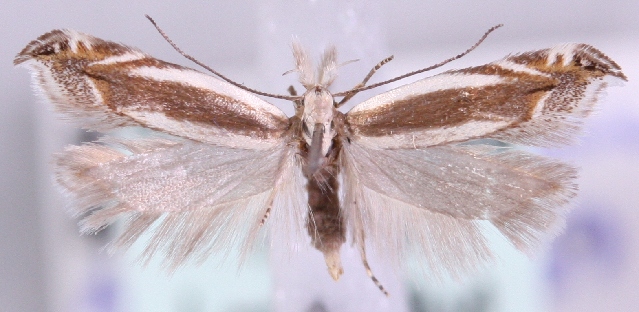
dubbelstreckad näbbmal
VUSophronia chilonella
Sophronia chilonella faces significant threats from habitat degradation and loss of its specialized microhabitats. Climate change and agricultural intensification are reducing the availability of suitable breeding sites and host plants, while the species' limited dispersal ability makes populations particularly vulnerable to local extinctions.
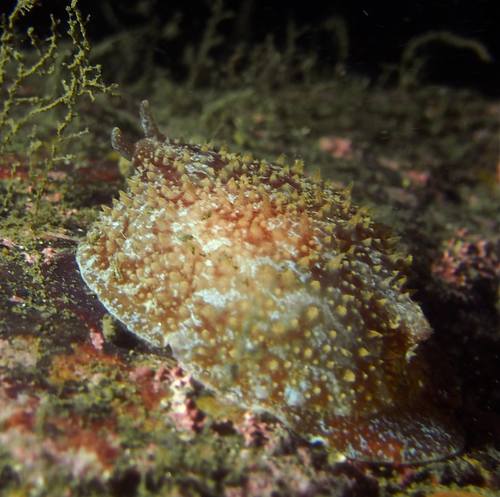
dubbelvinge
VUPleurobranchus membranaceus
Pleurobranchus membranaceus faces increasing pressure from coastal development and marine pollution, which degrade the shallow marine habitats essential for this sea slug's survival. Ocean acidification and rising sea temperatures associated with climate change further threaten the species by affecting both the mollusk itself and its prey organisms.
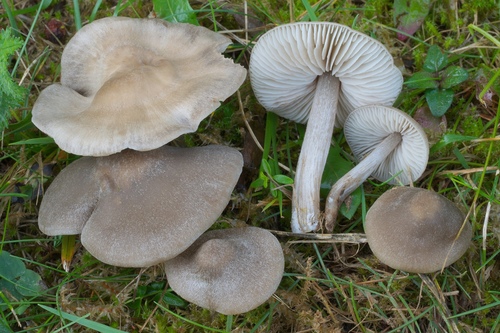
Duftender Rötling
ENEntoloma ameides
Duftender Rötling (Entoloma ameides) is declining primarily due to habitat loss and degradation of its specialized grassland ecosystems. Agricultural intensification, urban development, and changes in traditional land management practices have significantly reduced the availability of suitable semi-natural grassland habitats this species requires.
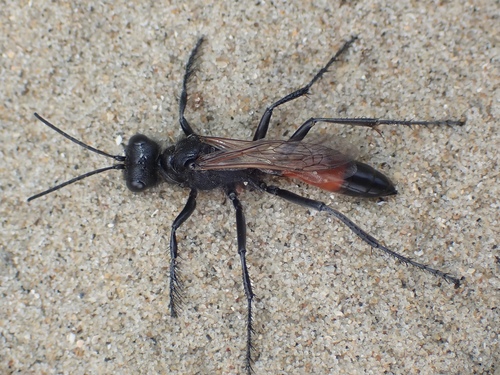
duinaardrupsendoder
VUPodalonia luffii
Podalonia luffii faces significant threats from habitat loss due to agricultural expansion and urban development in its sandy coastal and inland habitats. Climate change and increased storm intensity are altering the availability of suitable nesting sites, while pesticide use in agricultural areas reduces prey availability and may cause direct mortality.
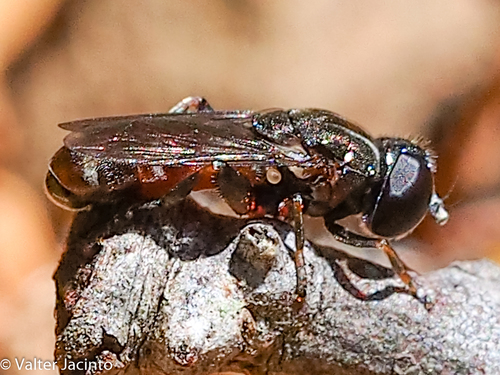
duinbollenzweefvlieg
VUEumerus sabulonum
The duinbollenzweefvlieg faces significant threats from habitat loss and degradation of its specialized coastal dune ecosystems. Climate change and sea level rise pose additional risks to these narrow coastal habitats, while increased human development and recreational pressure in coastal areas further fragment and degrade suitable breeding sites.
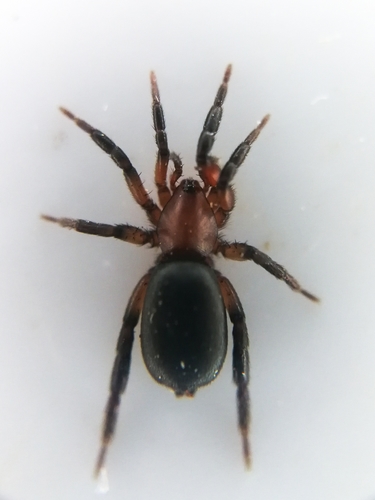
duinkampoot
VUZelotes electus
The duinkampoot (Zelotes electus) faces significant threats from coastal habitat degradation and human development pressures in its specialized dune environments. Climate change-induced sea level rise and increased storm intensity pose additional risks to its fragmented coastal populations, while recreational activities and sand extraction further compromise habitat quality.
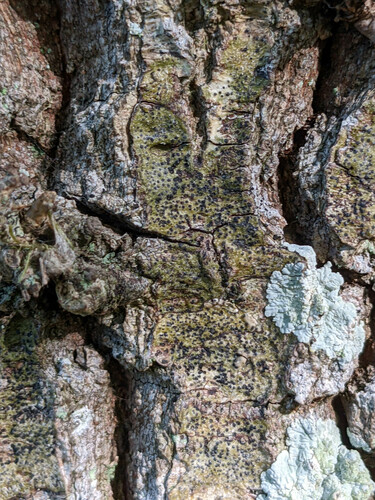
duinknikker
VUPyrenula chlorospila
Pyrenula chlorospila faces significant threats from habitat degradation and loss due to air pollution, urbanization, and climate change affecting its specialized lichen communities. As a crustose lichen species with specific substrate and air quality requirements, it is particularly vulnerable to environmental changes that alter bark chemistry and atmospheric conditions in its forest habitats.
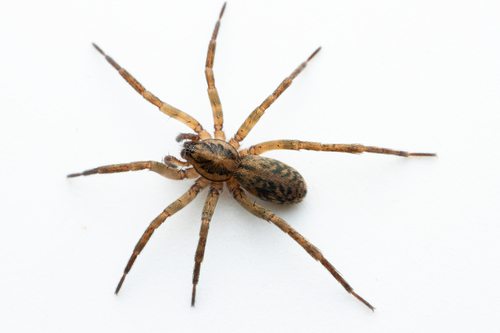
duinlantaarnspin
VUAgroeca lusatica
The duinlantaarnspin faces significant threats from habitat loss and degradation of its specialized coastal dune ecosystems. Urban development, recreational activities, and changes in natural dune dynamics have reduced the availability of suitable sandy habitats where this species can establish its characteristic ground-level webs.
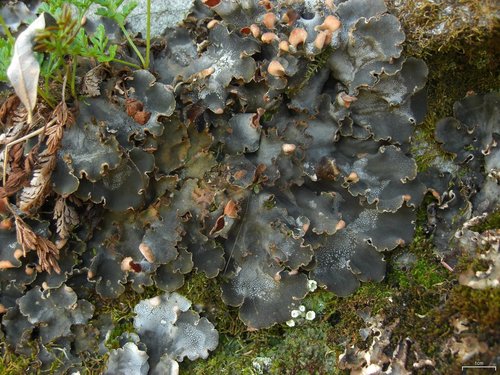
duinleermos
ENPeltigera ponojensis
Peltigera ponojensis faces severe decline due to habitat degradation from atmospheric pollution, particularly nitrogen deposition and acid rain, which alter the chemical composition of its substrate. Climate change and increased frequency of extreme weather events further threaten the delicate balance required for this lichen's survival.
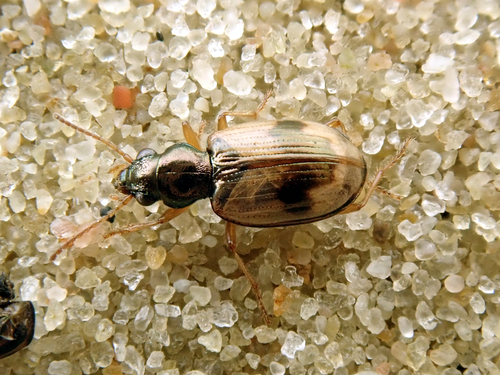
Duinpriemkever
CRBembidion pallidipenne
Bembidion pallidipenne is critically endangered due to severe habitat loss and degradation of its specialized coastal dune environments. The species faces ongoing threats from coastal development, recreational activities, and climate change impacts including sea level rise and increased storm intensity that alter its fragile sandy habitat.
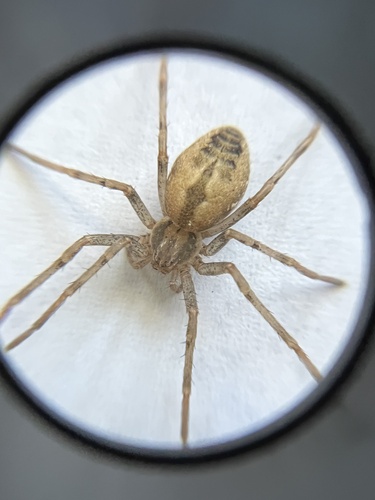
duinrenspin
VUThanatus striatus
The duinrenspin faces significant threats from habitat loss due to coastal development and dune stabilization projects that alter its specialized sandy habitat. Climate change and increased storm intensity threaten the fragile dune ecosystems this species depends on, while recreational activities and tourism development further fragment and degrade suitable habitat.
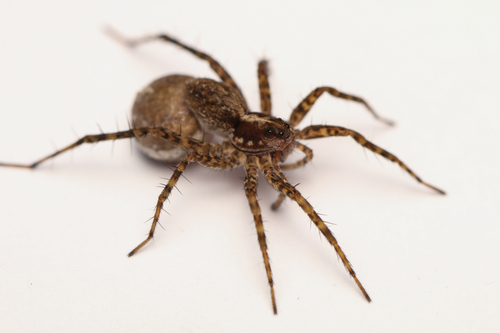
duinwolfspin
ENPardosa monticola
Pardosa monticola, the duinwolfspin, faces severe population declines primarily due to habitat loss from coastal development and dune stabilization projects that alter its specialized sandy dune ecosystems. Climate change-induced sea level rise and increased storm intensity further threaten the narrow coastal strips where this species occurs, while recreational activities cause direct disturbance to both the spiders and their prey communities.
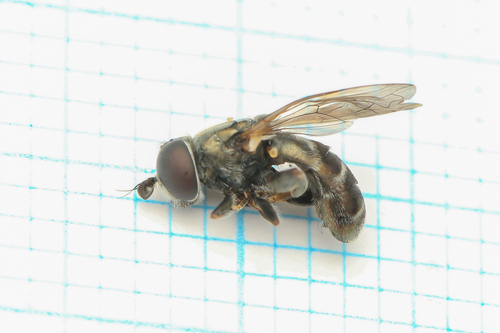
duistere bollenzweefvlieg
VUEumerus sogdianus
The duistere bollenzweefvlieg faces significant threats from habitat loss and degradation of its specialized environments. Agricultural intensification and urban development have reduced the availability of suitable breeding sites and host plants essential for this hoverfly's lifecycle. Climate change may further impact the species by altering the distribution and phenology of its preferred habitat conditions.
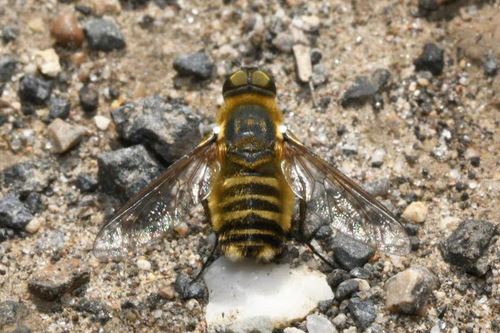
Duistere villa
VUVilla longicornis
Villa longicornis faces significant threats from habitat loss and degradation due to agricultural expansion and urbanization across its range. Climate change is altering precipitation patterns and temperature regimes in the arid and semi-arid environments this species depends on, while pesticide use in agricultural areas reduces prey availability and may cause direct mortality.
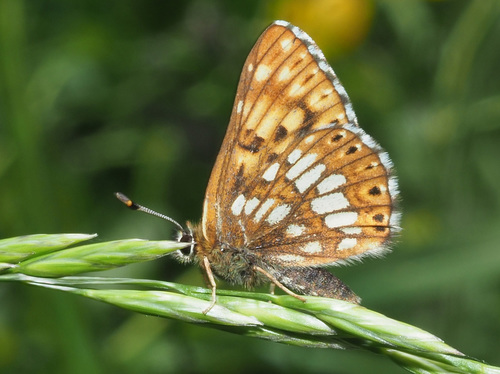
Duke of Burgundy Fritillary
VUHamearis lucina
The Duke of Burgundy Fritillary faces significant population declines across its range due to habitat loss and degradation of its specialized woodland habitats. The species' dependence on specific host plants and precise microhabitat conditions makes it particularly vulnerable to changes in woodland management practices and climate-driven shifts in habitat suitability.
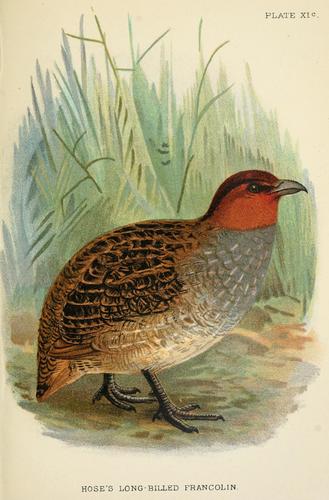
Dulit Partridge
VURhizothera dulitensis
The Dulit Partridge faces significant threats from habitat loss and degradation due to deforestation, logging, and agricultural expansion across its limited range in Borneo's montane forests. Its restricted distribution and specialized habitat requirements make it particularly vulnerable to environmental changes and human encroachment.
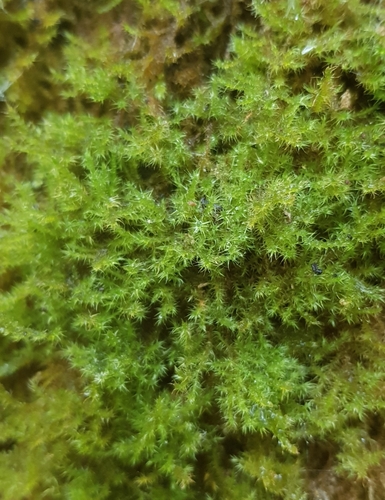
dull starry fen moss
CRCampylium protensum
Dull starry fen moss (Campylium protensum) is critically endangered primarily due to habitat loss and degradation of its specialized wetland environments. The species requires specific hydrological conditions in calcareous fens and wet meadows, which are increasingly threatened by drainage, agricultural intensification, and water table changes. Climate change and pollution further compound these pressures on the remaining fragmented populations.

Dull-headed Blood Bee
CRSphecodes ferruginatus
The Dull-headed Blood Bee faces severe population declines primarily due to habitat loss from agricultural intensification and urban development, which destroys the specialized sandy soils and host plant communities it requires. Climate change and pesticide use further threaten this already rare species, which has an extremely limited distribution and depends on specific host bees for its parasitic lifestyle.
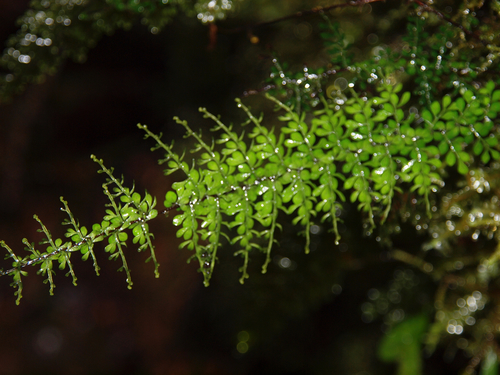
Dullgreen Spleenwort
VUAsplenium radicans
Dullgreen Spleenwort faces significant threats from habitat destruction and fragmentation as tropical forests are cleared for agriculture and development. The species' specialized epiphytic lifestyle makes it particularly vulnerable to changes in forest microclimate and host tree availability. Climate change poses additional risks through altered precipitation patterns and temperature regimes that affect the humid conditions this fern requires.
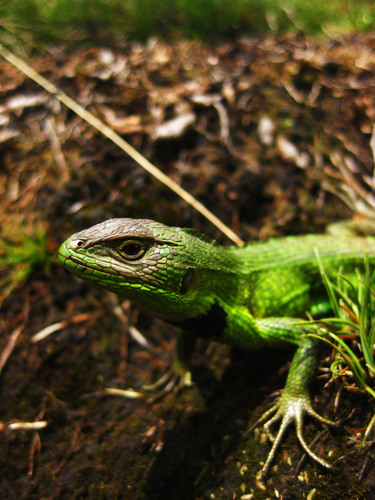
Duméril's Whorltail Iguana
VUStenocercus trachycephalus
Duméril's Whorltail Iguana faces significant pressure from habitat loss and fragmentation due to agricultural expansion and urban development throughout its range in the Andes. Mining activities and infrastructure development further degrade its specialized montane habitats, while climate change threatens to shift suitable temperature and precipitation zones beyond the species' adaptive capacity.
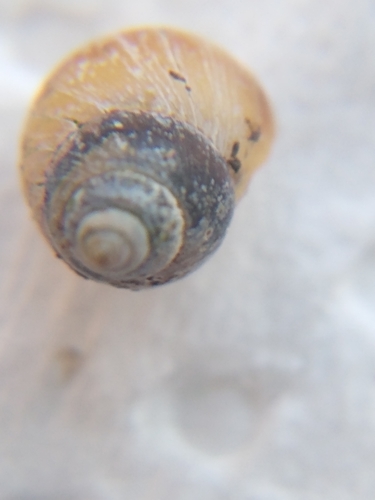
Dun Sentinel
ENAssiminea grayana
The Dun Sentinel (Assiminea grayana) is declining primarily due to habitat loss and degradation of its specialized saltmarsh and estuarine environments. Coastal development, pollution, and sea-level rise associated with climate change are reducing the availability of suitable intertidal habitats where this small gastropod can survive.
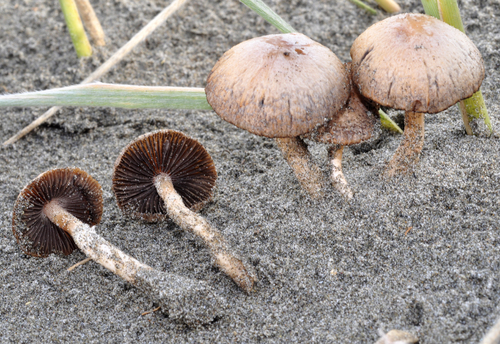
Dune Brittlestem
ENPsathyrella ammophila
The Dune Brittlestem faces severe decline due to coastal habitat destruction and fragmentation from urban development, tourism infrastructure, and sea-level rise. Its highly specialized dune ecosystem requirements make it extremely vulnerable to disturbance, with remaining populations increasingly isolated and small.
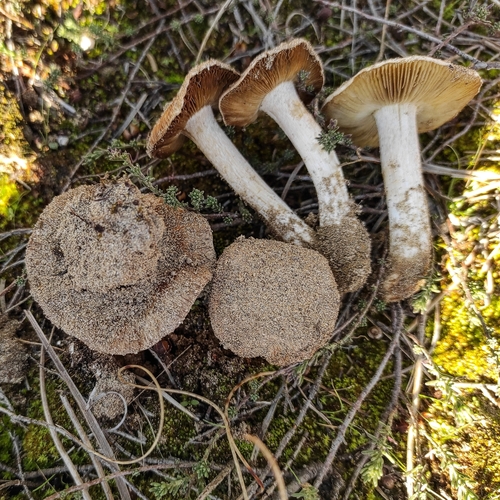
Dune Fibrecap
VUInocybe dunensis
Dune Fibrecap faces significant threats from coastal development, recreational activities, and climate change impacts on its specialized dune habitats. The species' restricted distribution to fragile coastal sand dune ecosystems makes it particularly vulnerable to habitat loss and degradation from human activities and rising sea levels.
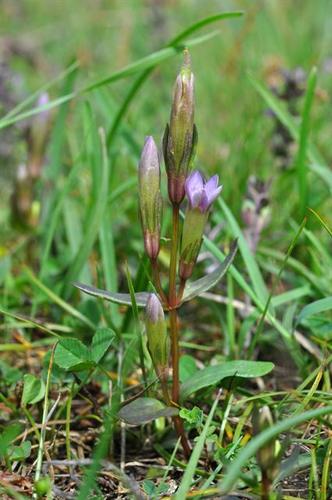
Dune Gentian
CRGentianella uliginosa
Dune Gentian (Gentianella uliginosa) is critically endangered primarily due to habitat loss and degradation of its specialized dune slack wetland environments. The species faces severe pressure from coastal development, recreational activities, and changes in hydrology that alter the delicate water balance required for its survival.
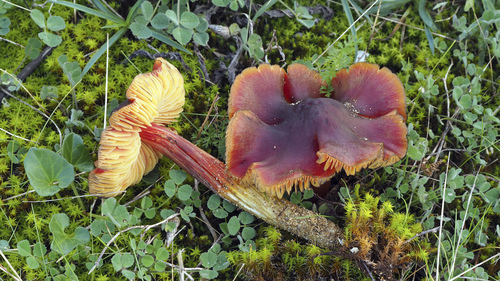
Dune Waxcap
ENHygrocybe conicoides
The Dune Waxcap is primarily threatened by habitat loss and degradation of coastal dune systems due to urban development, recreational activities, and coastal erosion. Climate change and sea level rise pose additional threats to its specialized dune grassland habitat, while nitrogen deposition from agricultural and industrial sources alters soil chemistry and reduces suitable habitat quality.
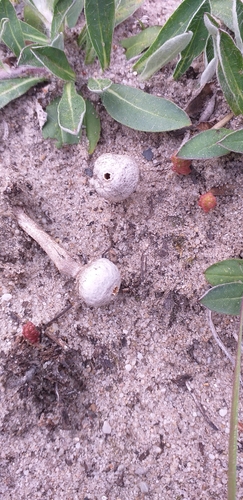
Dünen-Stielbovist
CRTulostoma kotlabae
Tulostoma kotlabae is critically endangered primarily due to habitat loss and degradation of its specialized coastal dune ecosystems. The species faces severe pressure from coastal development, tourism infrastructure, and recreational activities that disturb the fragile sand dune environments it depends on for survival.
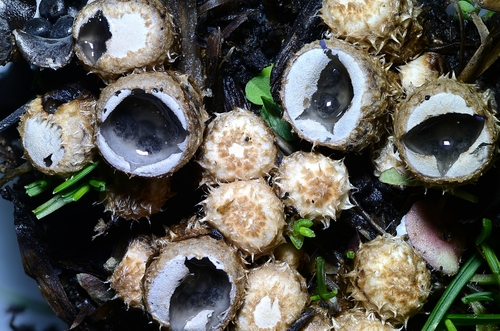
Dung-loving Bird's Nest Fungus
CRCyathus stercoreus
The Dung-loving Bird's Nest Fungus faces severe decline primarily due to habitat loss from agricultural intensification and reduced availability of its specialized substrate - animal dung - as traditional grazing practices disappear. Modern farming practices, including widespread use of anthelmintic drugs in livestock that persist in dung and inhibit fungal growth, have further reduced suitable breeding sites for this highly specialized saprophytic species.
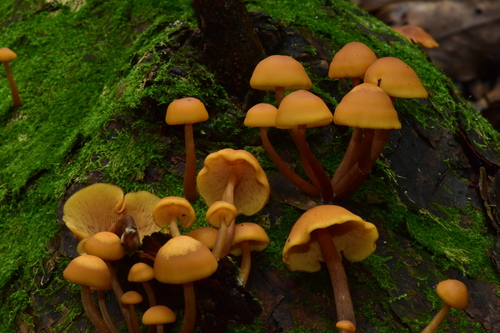
Dunkelstieliger Flämmling
VUGymnopilus picreus
Dunkelstieliger Flämmling faces significant threats from habitat degradation and loss of suitable forest ecosystems across its range. Climate change and altered precipitation patterns are affecting the delicate moisture conditions required for this fungal species to fruit and reproduce successfully.

Dunkey Dung Sea Cucumber
CRHolothuria mexicana
The Donkey Dung Sea Cucumber faces severe population declines primarily due to overexploitation for commercial fisheries, particularly driven by high demand in Asian markets where it is valued as a delicacy and for traditional medicine. Habitat degradation from coastal development, pollution, and climate change impacts on coral reef ecosystems further threaten remaining populations.
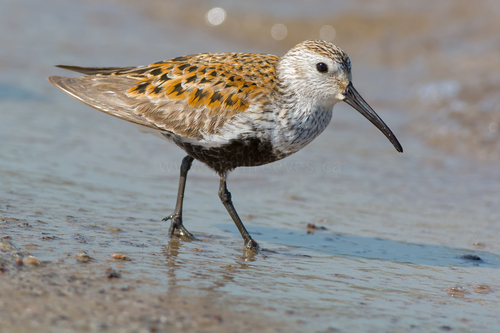
Dunlin
ENCalidris alpina
Dunlin populations are declining primarily due to habitat loss and degradation of coastal wetlands, tidal mudflats, and breeding grounds from climate change, sea level rise, and human development. Agricultural intensification and changes in land use practices in breeding areas have further reduced suitable nesting habitat, while pollution and disturbance at stopover sites compound these pressures.
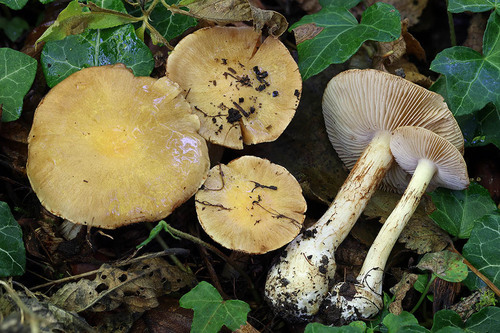
Dünnstieliger Schleierling
ENCortinarius gracilior
Dünnstieliger Schleierling (Cortinarius gracilior) is declining primarily due to habitat loss and degradation of its specialized forest ecosystems. The species is particularly vulnerable to changes in soil chemistry and mycorrhizal host tree availability, which are being disrupted by intensive forestry practices and environmental pollution.
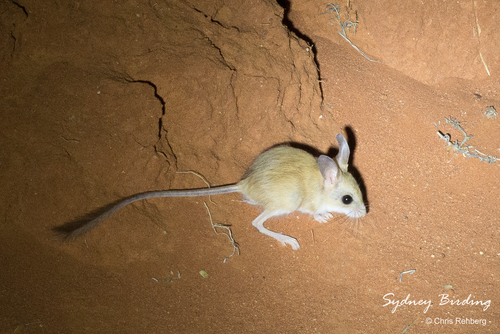
Dusky Hopping-mouse
VUNotomys fuscus
The Dusky Hopping-mouse faces significant threats from habitat degradation and fragmentation due to agricultural expansion, overgrazing by livestock, and altered fire regimes across its range. Competition with introduced species and predation by feral cats and foxes have further reduced population viability, while climate change and drought conditions threaten the arid and semi-arid ecosystems this species depends upon.
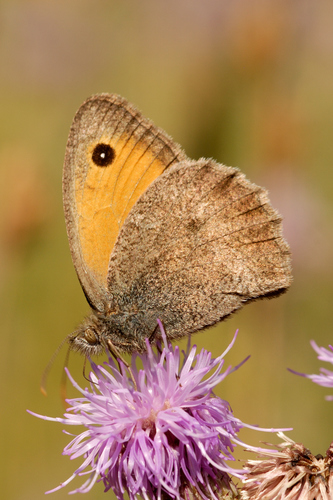
Dusky Meadow Brown
CRHyponephele lycaon
The Dusky Meadow Brown butterfly faces severe population declines primarily due to habitat loss and degradation of its specialized grassland ecosystems. Agricultural intensification, urbanization, and changes in land management practices have fragmented and destroyed the species' remaining habitat patches. Climate change may further exacerbate these pressures by altering the composition and quality of grassland communities that support this butterfly's lifecycle.