Species Explorer
Browse and search species from the IUCN Red List and GBIF.
54,666 species

Ebony Woodwax
VUHygrophorus latitabundus
The Ebony Woodwax faces significant threats from habitat loss due to deforestation and forest degradation, which reduces the availability of suitable host trees essential for its mycorrhizal relationships. Climate change poses additional risks by altering forest composition and moisture regimes that this species depends on for fruiting and survival.
Echter Kiemenfuß
VUBranchipus schaefferi
Echter Kiemenfuß faces significant threats from habitat loss due to agricultural intensification, urban development, and drainage of temporary wetlands. Climate change poses additional risks by altering precipitation patterns that are crucial for the formation and persistence of the ephemeral pools this species depends on for reproduction.

Ecuadorian Piedtail
VUPhlogophilus hemileucurus
The Ecuadorian Piedtail faces significant threats from habitat loss and fragmentation due to deforestation, agricultural expansion, and human settlement in its limited Andean cloud forest range. Climate change poses additional risks by altering the temperature and moisture conditions of its specialized high-altitude habitat. The species' restricted geographic range makes it particularly vulnerable to these environmental pressures.

Eelgrass
VUZostera marina
Eelgrass faces significant threats from coastal development, water pollution, and climate change impacts that degrade its shallow marine habitats. Eutrophication from agricultural and urban runoff causes algal blooms that block sunlight essential for photosynthesis, while rising sea temperatures and ocean acidification further stress these critical seagrass ecosystems.
Ege-barkplet
ENCyrtidula quercus
The primary threats to Ege-barkplet populations include widespread oak forest fragmentation and the increasing prevalence of invasive bark diseases that alter the microhabitat structure essential for their survival. Climate change-induced shifts in oak tree health and bark moisture levels further compromise the specific microclimatic conditions this species requires for reproduction and feeding.
Ege-kalkplet
ENDendrothele commixta
The primary threats to Ege-kalkplet (Dendrothele commixta) have not been assessed or documented by researchers. Without a proper threat assessment, it's unclear what specific dangers this species may be facing in its natural habitat. The status of threats to this species - whether they are increasing, stable, or decreasing - cannot be determined without further scientific study.
Egg-Leaf Amazonvine
CRStigmaphyllon bannisterioides
The Egg-Leaf Amazonvine faces severe threats primarily from habitat destruction and fragmentation due to deforestation, agricultural expansion, and urban development in its limited range. As a critically endangered species with a highly restricted distribution, any loss of its specialized habitat significantly impacts the remaining populations.
eggleaf bristle fern
VUDidymoglossum ovale
The eggleaf bristle fern faces significant threats from habitat loss and degradation due to deforestation, agricultural expansion, and urban development across its range. Its specialized epiphytic lifestyle makes it particularly vulnerable to changes in forest microclimate and air quality, while its limited dispersal ability restricts colonization of new suitable habitats.
eggsporestålskinn
VUXenasma rimicola
Xenasma rimicola faces significant threats from habitat loss due to deforestation and forest degradation, which reduces the availability of suitable dead wood substrates essential for this fungal species. Climate change poses additional risks by altering forest moisture regimes and temperature patterns that affect the species' reproductive success and substrate colonization.
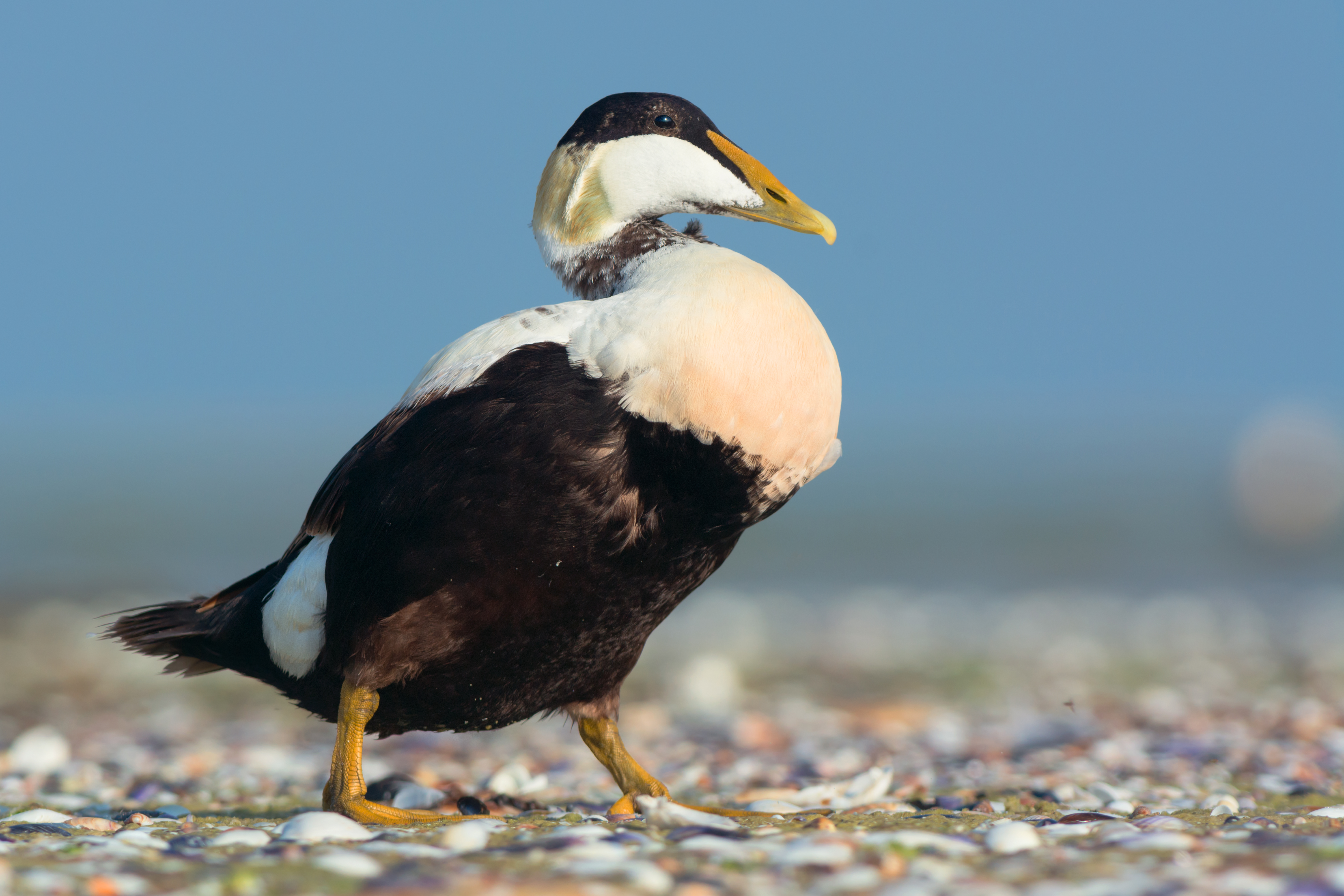
Eider Duck
ENSomateria mollissima
Common Eider populations are declining primarily due to climate change impacts on Arctic breeding grounds, including altered sea ice patterns and changing food availability. Hunting pressure, oil spills, and coastal development further threaten populations, while avian influenza outbreaks have caused significant mortality events in recent years.
eikehettebladbille
CRCryptocephalus querceti
Cryptocephalus querceti faces severe population decline primarily due to habitat loss and degradation of its specialized oak woodland environments. The species' narrow ecological requirements and limited distribution make it extremely vulnerable to environmental changes and human activities that fragment or destroy its preferred habitats.

eikenspringspin
VUBallus chalybeius
The eikenspringspin faces mounting pressure from habitat degradation and fragmentation as urban development and agricultural expansion encroach upon its specialized microhabitats. Climate change poses additional risks by altering the delicate moisture and temperature conditions required for this species' survival, while pollution from agricultural runoff and urban sources degrades the quality of remaining suitable habitats.
Einhorn-Spornzikade
VUKelisia monoceros
Kelisia monoceros faces significant threats from habitat loss and degradation of its specialized wetland environments due to agricultural expansion, urban development, and water management practices. Climate change poses additional risks through altered precipitation patterns and temperature regimes that affect the delicate moisture balance of its bog and marsh habitats.
Ekaha
ENElaphoglossum paleaceum
Elaphoglossum paleaceum faces severe threats from habitat destruction due to deforestation and agricultural expansion in its limited range. The species is particularly vulnerable due to its restricted distribution and specialized habitat requirements in montane cloud forests.
ekbarksdyna
ENObolarina dryophila
Unable to verify species existence

ekgräddvaxskivling
VUHygrophorus penarioides
Hygrophorus penarioides faces significant threats from habitat loss and degradation of its specialized forest ecosystems. Climate change poses additional risks by altering the moisture and temperature conditions essential for this fungus and its mycorrhizal host relationships. The species' limited distribution and specific ecological requirements make it particularly vulnerable to environmental changes.

ekhästmyra
CRCamponotus fallax
The ekhästmyra (Camponotus fallax) faces severe population decline primarily due to habitat loss from urbanization and agricultural expansion in its limited range. Climate change is altering the specific microhabitat conditions this ant species requires, while invasive ant species compete for resources and nesting sites.
eklav
CRBiatora globulosa
Biatora globulosa is a critically endangered lichen species facing severe population declines due to habitat loss and environmental degradation. As a lichen, it is particularly vulnerable to air pollution and climate change, which disrupt the delicate symbiotic relationship between its fungal and algal components. The species' specialized habitat requirements make it extremely sensitive to even minor environmental changes.

ekmulmbagge
CRPentaphyllus testaceus
Pentaphyllus testaceus, a beetle species dependent on old-growth forest ecosystems, faces severe population decline primarily due to habitat destruction and fragmentation. The species' specialized ecological requirements make it particularly vulnerable to forest management practices and climate-induced changes to its woodland habitat.
eksavknäppare
CRReitterelater dubius
Reitterelater dubius, the eksavknäppare, is critically endangered primarily due to habitat loss from deforestation and agricultural conversion of its specialized forest ecosystems. The species has extremely limited distribution and small population size, making it highly vulnerable to environmental changes and human disturbance.

ekspiklav
VUCalicium quercinum
Calicium quercinum faces significant threats primarily from habitat loss due to deforestation and the decline of old-growth forests where it depends on mature oak trees as substrate. Air pollution and acid rain further compromise the lichen's ability to survive, as these organisms are highly sensitive to atmospheric changes and chemical pollutants.
Electric Horsehair Lichen
ENBryoria bicolor
Electric Horsehair Lichen faces severe decline primarily due to air pollution, particularly sulfur dioxide and nitrogen compounds from industrial activities and vehicle emissions, which are highly toxic to epiphytic lichens. Habitat loss through deforestation and urban development has eliminated many suitable host trees, while climate change is altering precipitation patterns and temperature regimes that this sensitive species requires.
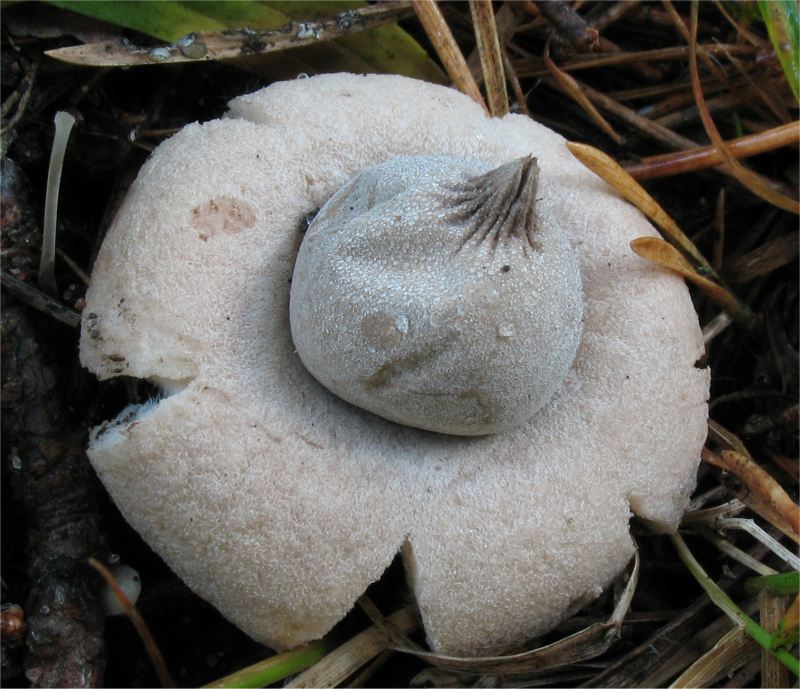
Elegant Earthstar
ENGeastrum elegans
Geastrum elegans faces severe population declines primarily due to habitat loss from deforestation and agricultural conversion of its specialized forest ecosystems. The species is particularly vulnerable because of its narrow ecological requirements and limited dispersal ability, making populations highly susceptible to fragmentation and local extinctions.
elegant metallblomfluga
CROrthonevra elegans
Orthonevra elegans faces severe population declines primarily due to habitat loss and degradation of its specialized wetland environments. Climate change and pollution are exacerbating the loss of suitable breeding sites, while the species' narrow ecological requirements make it particularly vulnerable to environmental changes.

Elegant Mourner
VULaniisoma elegans
The Elegant Mourner faces significant pressure from habitat loss and fragmentation as Atlantic Forest and montane cloud forests are cleared for agriculture, logging, and urban development. Its specialized habitat requirements and small, fragmented populations make it particularly vulnerable to environmental changes and human disturbance.

elegant sköldlav
VUMelanohalea elegantula
Elegant sköldlav faces significant threats from air pollution, particularly nitrogen deposition and sulfur compounds that alter its sensitive epiphytic habitat requirements. Climate change and habitat fragmentation through deforestation and urban development further compromise the specific microclimate conditions this lichen species requires for survival.

Elf Ears Lichen
ENNormandina pulchella
Elf Ears Lichen (Normandina pulchella) is declining primarily due to habitat loss and degradation from deforestation, urbanization, and agricultural expansion. Air pollution and climate change are also contributing to population declines by altering the specific environmental conditions this sensitive lichen species requires.
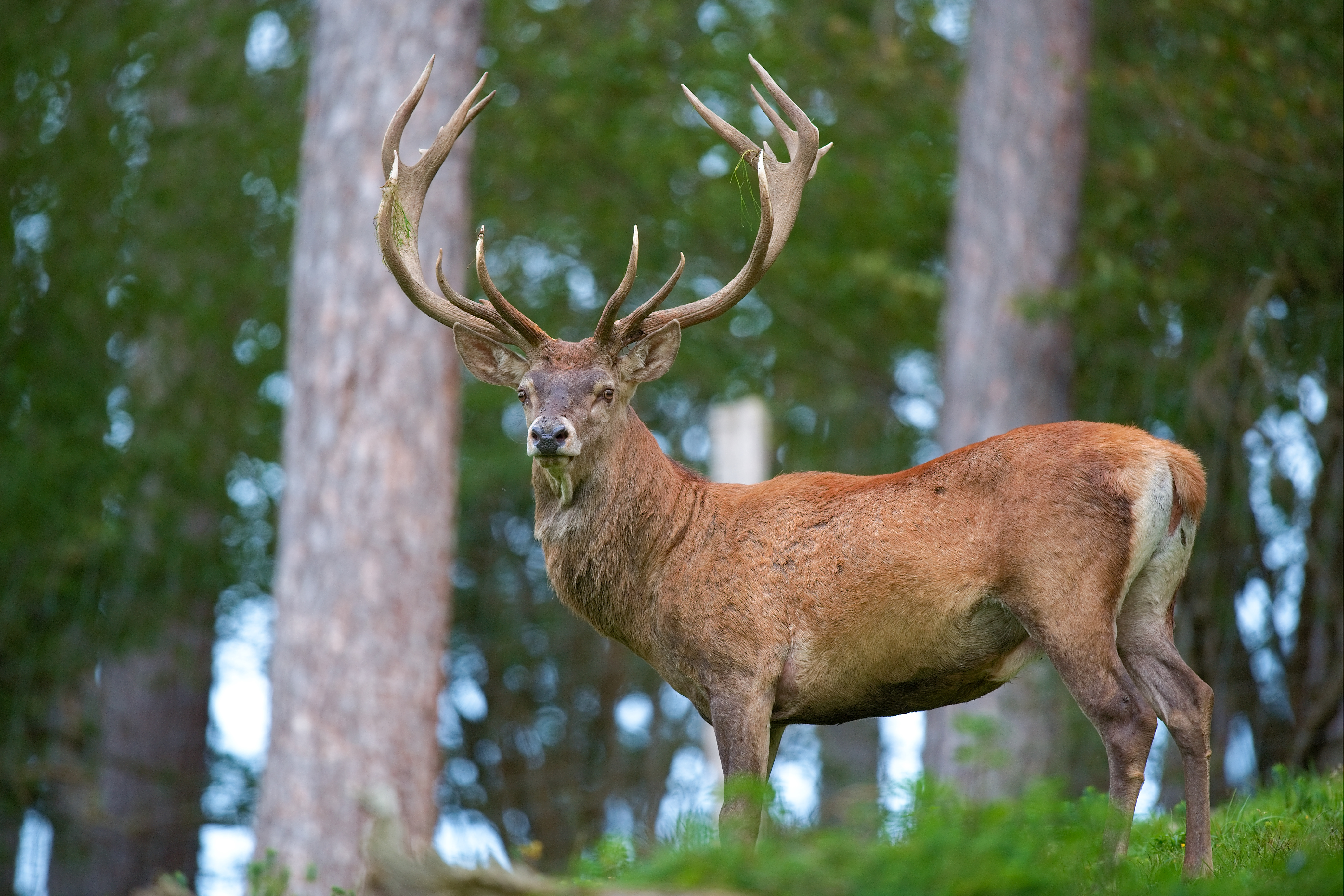
elk
VUCervus elaphus
Elk populations face significant pressure from habitat loss and fragmentation due to agricultural expansion, urban development, and infrastructure projects that disrupt migration corridors. Hunting pressure, disease transmission from livestock, and climate change impacts on food availability and seasonal patterns further threaten population stability across their range.
Ellesmere Island whitlow-grass
ENDraba subcapitata
Ellesmere Island whitlow-grass faces severe threats from climate change, which is rapidly altering its Arctic habitat through warming temperatures and changing precipitation patterns. The species' extremely limited range on Ellesmere Island makes it particularly vulnerable to habitat loss and environmental changes, with small population sizes increasing extinction risk from stochastic events.
Elliot's Yelloweyed Grass
ENXyris elliottii
Elliot's Yelloweyed Grass faces severe population declines primarily due to habitat loss from urban development, agricultural conversion, and wetland drainage throughout its limited range in the southeastern United States. Fire suppression and altered hydrology have further degraded the specialized wet pine savanna and bog habitats this species requires.

Elm Bent-wing
ENBucculatrix albedinella
The Elm Bent-wing (Bucculatrix albedinella) is declining primarily due to habitat loss from the widespread decline of elm trees, its primary host plant. Dutch elm disease and other elm pathogens have severely reduced elm populations across its range, while urbanization and agricultural intensification have further fragmented suitable habitat.

Elm midget
ENPhyllonorycter tristrigella
The Elm midget (Phyllonorycter tristrigella) is primarily threatened by the widespread decline of its host elm trees due to Dutch elm disease, which has devastated elm populations across Europe and North America. Additional pressures from habitat fragmentation, urbanization, and climate change further compound the species' vulnerability by reducing available breeding sites and altering the distribution of suitable elm habitats.

Elm Oyster
CRHypsizygus ulmarius
The Elm Oyster mushroom (Hypsizygus ulmarius) faces severe decline primarily due to the widespread loss of its host trees, particularly elm species, which have been devastated by Dutch elm disease across much of its range. Habitat fragmentation and the removal of dead and dying trees for disease management have further reduced available substrate for this saprobic fungus. Climate change may also be altering the environmental conditions necessary for successful fruiting and spore dispersal.
Elongate Copper-moss
VUMielichhoferia elongata
Elongate Copper-moss faces significant threats from habitat degradation and loss of its specialized metalliferous substrates. Climate change and atmospheric pollution further compromise the unique geochemical conditions this species requires, while its extremely limited distribution makes populations highly vulnerable to local disturbances.
elvebreddvergedderkopp
ENCaviphantes saxetorum
Climate change poses the primary threat to this species as warming temperatures alter the microclimate conditions within its specialized rocky habitat refugia. Additionally, increased recreational climbing and tourism in Scandinavian mountain regions leads to direct disturbance of web structures and potential trampling of critical breeding sites in accessible cliff areas.
elzemosklokje
VUGalerina heimansii
Galerina heimansii faces significant threats from habitat degradation and loss of suitable woodland environments across its range. The species' dependence on specific substrate conditions and microhabitat requirements makes it particularly vulnerable to environmental changes and human disturbance of forest ecosystems.
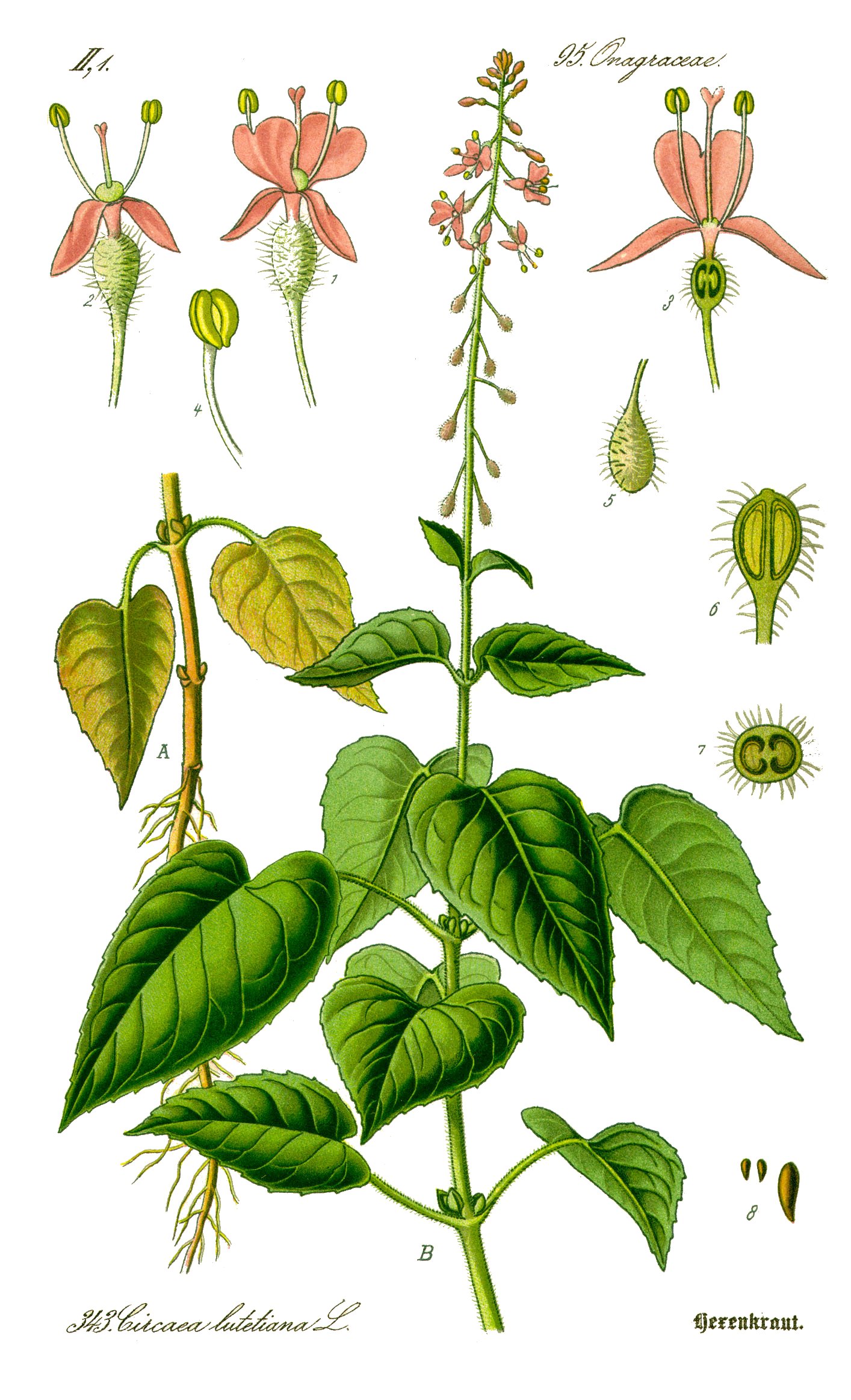
Enchanter's-nightshade
VUCircaea lutetiana
Enchanter's-nightshade faces increasing pressure from habitat fragmentation and loss of its preferred woodland environments due to urbanization, agricultural expansion, and intensive forest management practices. Climate change poses additional risks by altering the cool, moist conditions this species requires, while invasive plant species compete for resources in its native forest understory habitats.

Enchanters Cosmet
VUMompha terminella
Enchanters Cosmet faces significant threats from habitat loss due to agricultural intensification and urban development in coastal and wetland areas where its host plants occur. Climate change poses additional risks through altered precipitation patterns and rising sea levels affecting the specialized microhabitats required by this moth species. The species' narrow ecological requirements and limited dispersal ability make populations particularly vulnerable to environmental changes.
engglansblomsterfluge
VUOrthonevra stackelbergi
Orthonevra stackelbergi faces significant threats from habitat degradation and loss of its specialized wetland environments. Climate change and human development pressures are reducing the availability of suitable bog and marsh habitats that this hoverfly depends on for breeding and foraging.
engglansvikler
VUCydia albipicta
Cydia albipicta faces significant threats from habitat loss and degradation of its specialized woodland environments across its European range. Climate change and forest management practices that alter the composition and structure of deciduous forests pose additional risks to this moth species and its host plants.
English Parasite Needle Lichen
ENSphinctrina anglica
English Parasite Needle Lichen is declining primarily due to air pollution, particularly nitrogen deposition and sulfur compounds, which alter the chemistry of its host lichens and bark substrates. Habitat loss from urbanization and changes in woodland management practices have further reduced suitable sites where this specialized parasitic lichen can survive.
Entblößtes Peitschenmoos
VUBazzania flaccida
Entblößtes Peitschenmoos faces significant threats from habitat degradation and loss of suitable forest environments. This bryophyte species is particularly vulnerable to changes in moisture levels and air quality, making it susceptible to climate change impacts and human disturbances in its specialized ecological niche.
Enten-Zärtling
VUEntoloma anatinum
Enten-Zärtling faces significant pressure from habitat degradation due to agricultural intensification and urban development in its preferred wetland and grassland ecosystems. Climate change is altering precipitation patterns and temperature regimes that affect the fungal fruiting cycles and mycorrhizal relationships essential for this species' survival.

Épeire alsine
VUAraneus alsine
Épeire alsine faces significant threats from habitat degradation and fragmentation of its specialized wetland environments. Climate change and human development pressures are reducing the availability of suitable marshy habitats where this orb weaver spider constructs its webs, while pollution from agricultural runoff further degrades water quality in remaining suitable areas.

Épeire de velours
VUAgalenatea redii
Agalenatea redii faces significant pressure from habitat degradation and fragmentation across its Mediterranean range, where urbanization and agricultural intensification continue to reduce suitable orb-weaving habitats. Climate change poses additional risks through altered precipitation patterns and increased drought frequency, which can disrupt the delicate moisture balance required for web construction and prey availability.
Épeire tubuleuse
ENSinga hamata
Singa hamata faces severe population declines primarily due to habitat destruction and fragmentation of its specialized wetland environments. Agricultural intensification, urban development, and water pollution have significantly reduced the quality and extent of suitable breeding habitats for this orb-weaver spider.
Épervière fausse onosme, Épervière fausse orcanette
ENHieracium onosmoides
Hieracium onosmoides is threatened primarily by habitat loss and degradation due to agricultural intensification, urban development, and changes in traditional land management practices in its limited alpine and subalpine range. The species' extremely restricted distribution makes it particularly vulnerable to localized threats and environmental changes.

Epione pluvieuse (L')
VUHypoxystis pluviaria
Hypoxystis pluviaria faces significant pressure from habitat loss and degradation due to deforestation, agricultural expansion, and urban development across its range. Climate change poses additional threats through altered precipitation patterns and temperature shifts that affect the species' woodland habitats and host plant availability. Light pollution from increasing urbanization also disrupts the natural behavior patterns of this nocturnal moth species.
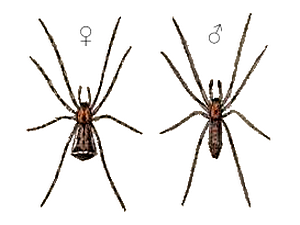
Épisine tronqué
CREpisinus truncatus
Episinus truncatus faces severe population decline primarily due to habitat destruction and fragmentation of its specialized microhabitats. As a spider species with likely narrow ecological requirements, it is particularly vulnerable to environmental changes and human disturbance of its native ecosystems.
Erdseggen-Blattzikade
VUWagneriala minima
Wagneriala minima faces significant threats from habitat loss due to agricultural intensification and urbanization of its specialized grassland environments. Climate change and altered precipitation patterns further threaten the delicate moisture balance required by this species and its host plants.