Biodiversity Intelligence Platform

54,666 threatened species
tracked and monitored

Real-time intelligence from the IUCN Red List of Threatened Species. Monitoring 12,518 critically endangered, 21,356 endangered, and 20,792 vulnerable species worldwide.

0

Threatened

CR + EN + VU

0

Critical

CR

0

Endangered

EN

0

Vulnerable

VU

Global Overview

Conservation Status at a Glance

Total Threatened

54,666

CR + EN + VU

Critically Endangered

12,518

Highest extinction risk

Endangered

21,356

Very high risk

Vulnerable

20,792

High risk

Declining

47%

25,449 species

Grey Bush Cricket
Species of the Day

Grey Bush Cricket

Platycleis albopunctata

EN

Mediterranean's Grey Bush Cricket vanishing from shrinking habitats

Learn more →

Threatened Species by Group

Total species classified as threatened per taxonomic group

🐢reptiles
1,858
🌿other
8
🪱other invertebrates
534
🦀crustaceans
780
🍄fungi
1,336
🐚molluscs
2,687
🦗insects
4,160
🐾mammals
1,454
🪸corals
406
🐸amphibians
3,111
🐟fishes
4,072
🐦birds
1,644
🌱plants
31,998
🕷️arachnids
618
Threatened Species Over Time

Growth of IUCN-listed threatened species (CR + EN + VU) by assessment year

2000
11,046
2004
15,503
2008
16,928
2012
19,817
2016
24,307
2020
35,765
2022
42,108
2024
47,187
2025
48,646

Note: Increases partly reflect expanded assessment coverage. Source: IUCN Red List

Earth's Mass Extinctions

Five mass extinctions reshaped our planet. The sixth is happening now.

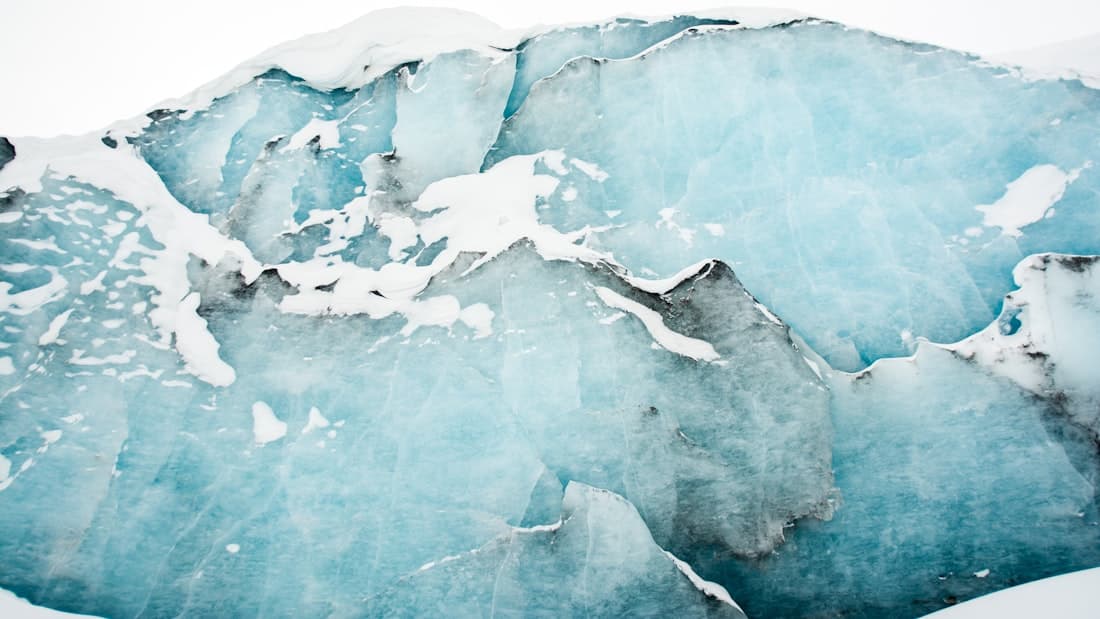
  1. A towering wall of deep-blue glacial ice, evoking the sudden global freeze of the Ordovician.
    Extinction 01444 million years ago

    Ordovician–Silurian

    Ice Age86% of species lost

    A sudden ice age locked the planet's water into glaciers and drained the shallow seas where almost all life lived. When the ice melted just as fast, the survivors drowned in the rebound.
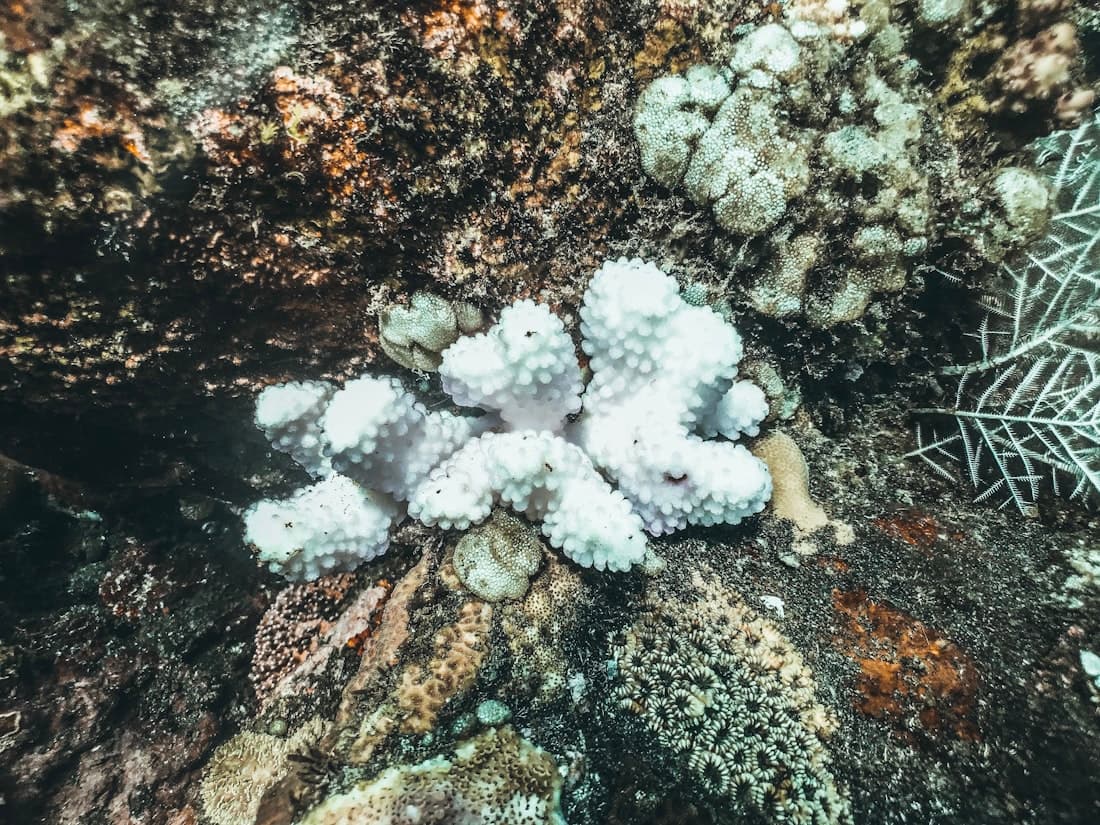
  2. A bleached, lifeless coral on a dark sea floor — the collapse of the Devonian reefs.
    Extinction 02372 million years ago

    Late Devonian

    Ocean Anoxia75% of species lost

    Over millions of years the oceans lost their oxygen. The great reef systems suffocated, and the warm shallow waters that had cradled early marine life turned into dead zones.

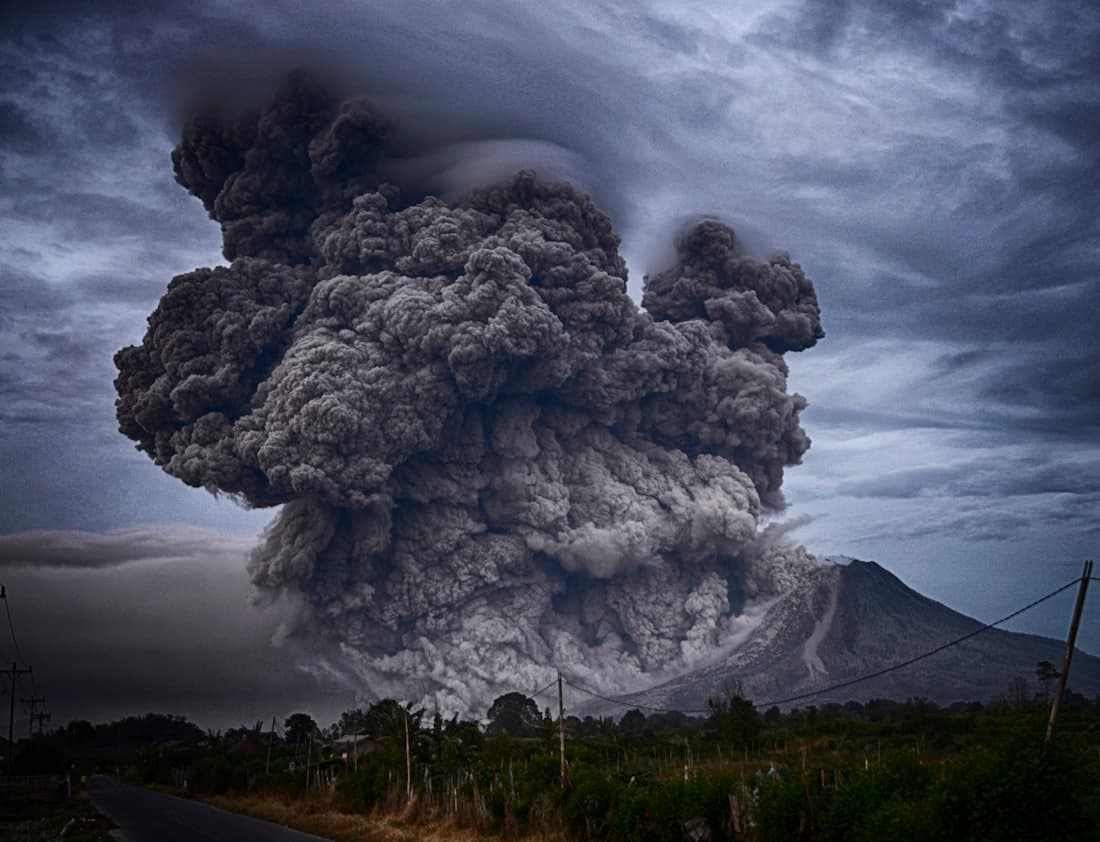
  3. An enormous volcanic ash column erupting into a darkened sky — the Permian Great Dying.
    Extinction 03252 million years ago

    Permian–Triassic

    Volcanism96% of species lost

    Known as the Great Dying. Colossal volcanic eruptions across Siberia poisoned the air and acidified the seas. Nearly all life on Earth vanished — the closest the planet has ever come to sterile.

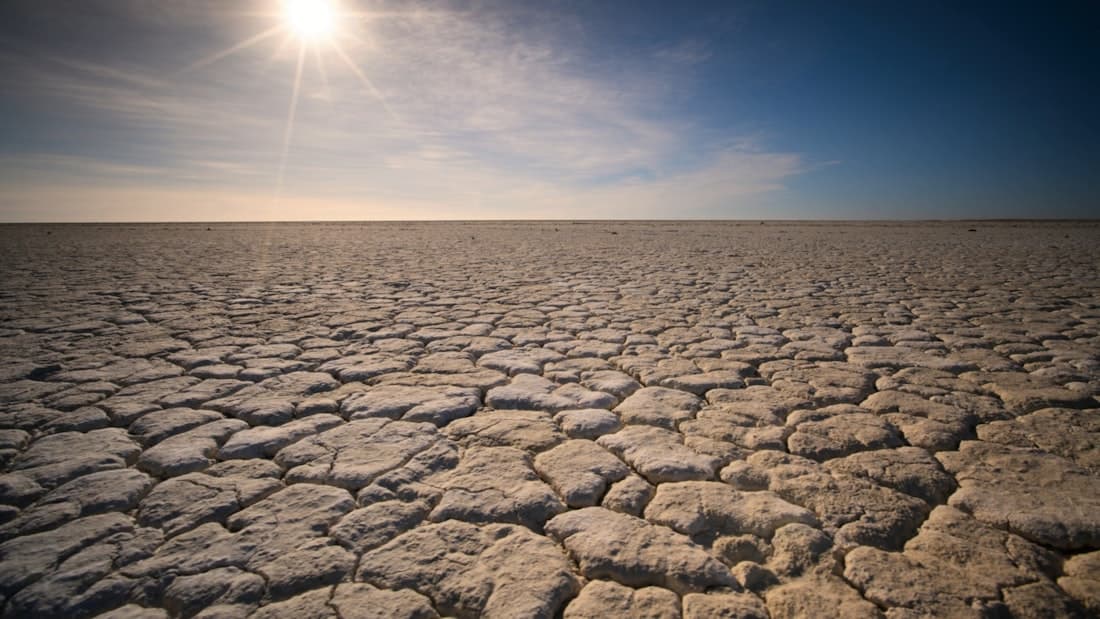
  4. A vast plain of cracked, sun-scorched earth stretching to the horizon under a blazing sun.
    Extinction 04201 million years ago

    Triassic–Jurassic

    CO₂ Surge80% of species lost

    As the supercontinent tore itself apart, carbon dioxide flooded the atmosphere and temperatures soared. The collapse cleared the stage for the dinosaurs to inherit the Earth.

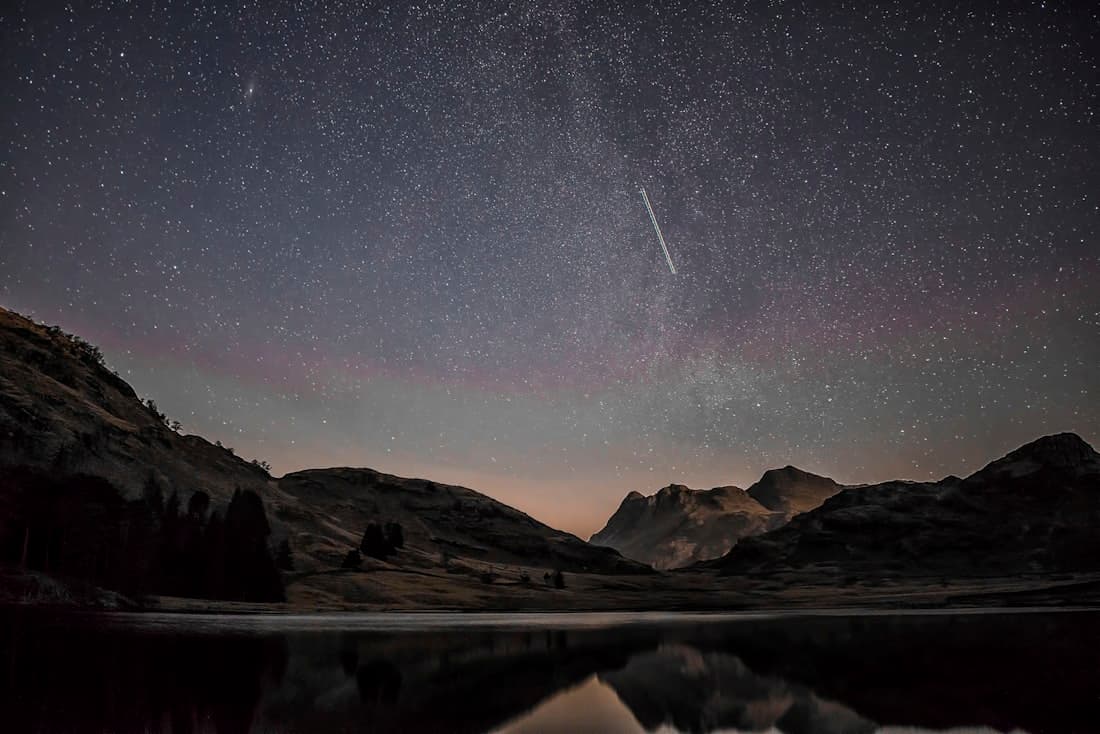
  5. A meteor streaking across a star-filled night sky above dark, silent mountains.
    Extinction 0566 million years ago

    Cretaceous–Paleogene

    Asteroid76% of species lost

    A city-sized asteroid struck what is now Mexico. Dust and soot blotted out the sun for years, and the 165-million-year reign of the dinosaurs ended in cold and darkness.

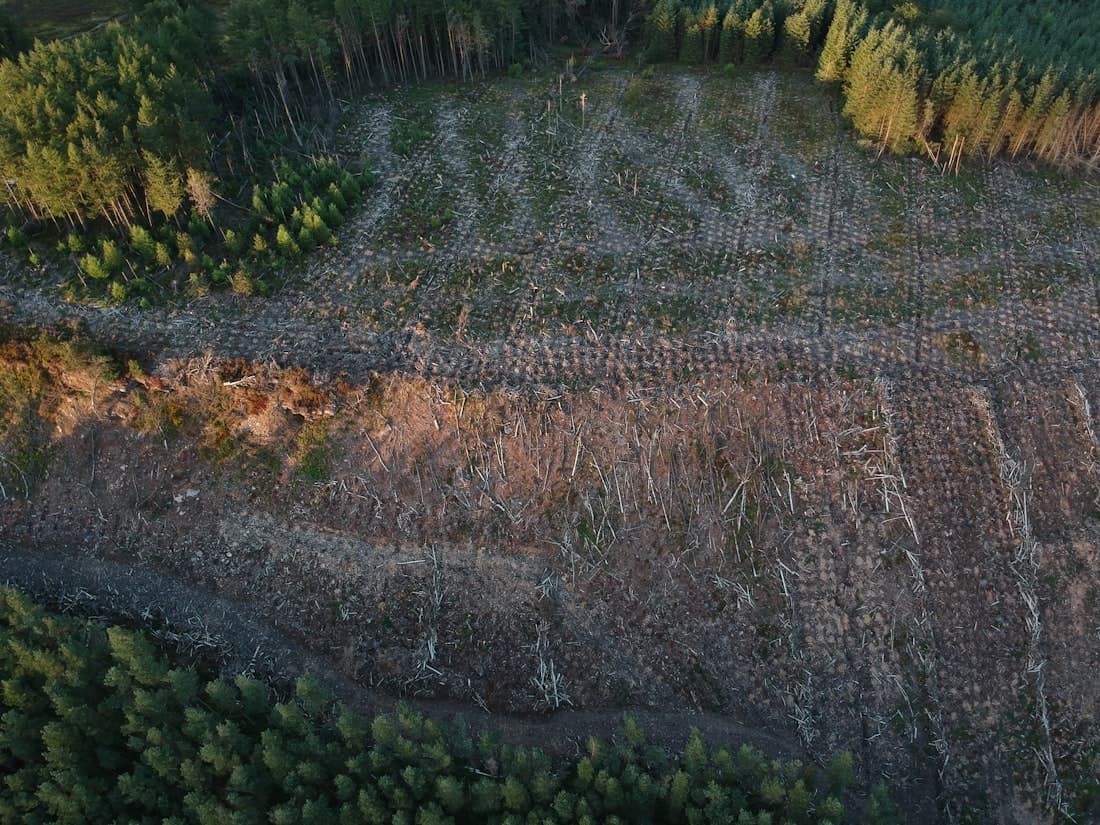
  6. An aerial view of a forest clear-cut down to bare ground — human-driven habitat destruction.
    Extinction · NowHappening now

    Holocene–AnthropoceneLive

    Humansthe sixth extinction

    For the first time, a single species is the cause. Habitat loss, climate breakdown and exploitation are erasing wildlife up to 1,000 times faster than nature ever did. We are the asteroid.

54,666 species are threatened right now.

The sixth extinction is not a prediction. It is a measurement — tracked species by species, in real time.

Explore threatened species

Species Under Threat

Threatened Species Over Time

Threatened Species Are Increasing Rapidly

Number of species classified as threatened (CR + EN + VU) on the IUCN Red List, from 2000 to 2025

48,646

threatened species in 2025

+340%

since 2000

11,046

Threatened in 2000

48,646

Threatened in 2025

+37,600

Increase over 25 years

Note: Increases partly reflect expanded assessment coverage, not only worsening status

Source: IUCN Red List

Critically Endangered

Featured Species

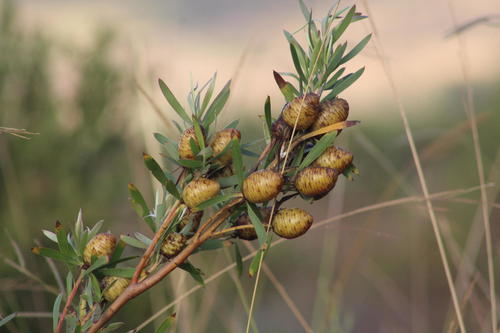
ã-kiavũ, ã-kiavunõ

ã-kiavũ, ã-kiavunõ

CR

Parinari parvifolia

Unknown

Parinari parvifolia faces severe threats from agricultural expansion, particularly soybean cultivation and cattle ranching that have converted vast areas of native Cerrado habitat. Mining activities targeting iron ore and other minerals in rocky outcrop areas directly destroy the specialized microhabitats where this species occurs. Frequent anthropogenic fires, often set to clear land for agriculture, disrupt the natural fire regime that Cerrado species depend upon, preventing successful reproduction and seedling establishment in remaining populations.

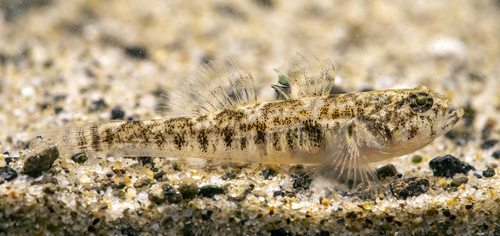
Aci Göl Killifish

Aci Göl Killifish

CR

Aphanius transgrediens

Unknown

Based on the provided information, the threats to the Aci Göl Killifish have not been assessed, so the specific dangers facing this species are currently unknown. Without a proper threat assessment, scientists cannot determine what factors might be putting this fish at risk or how severe those risks might be. It is therefore impossible to determine whether threats to this species are increasing, stable, or decreasing.

Adder

Adder

CR

Vipera berus

Unknown

Adder populations face severe pressure from habitat fragmentation as agricultural intensification and urban development destroy the mosaic of heathland, grassland, and woodland edge habitats essential for their survival. Climate change poses a particularly acute threat to this cold-adapted species, with warming temperatures disrupting hibernation patterns and shifting suitable habitat northward faster than populations can naturally disperse. Human persecution remains a significant factor, as fear-driven killing continues despite the species' generally docile nature and important ecological role.

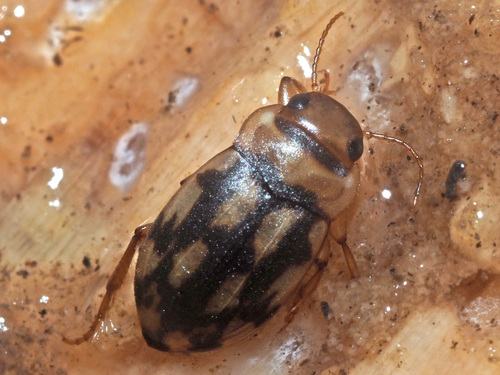
Ådselgraver

Ådselgraver

CR

Nicrophorus interruptus

Unknown

The specific threats to Ådselgraver (Nicrophorus interruptus) have not been assessed or documented by researchers. Without this threat assessment data, it's impossible to determine what particular dangers this species faces or how human activities might be affecting its survival. The status of threats to this species - whether they are increasing, stable, or decreasing - cannot be determined without proper scientific evaluation.

agnhodeedderkopp

agnhodeedderkopp

CR

Walckenaeria alticeps

Unknown

The primary threat to Walckenaeria alticeps stems from the conversion and fragmentation of old-growth coniferous forests, which eliminates the stable moss layer communities essential for the species' survival. Climate change poses an additional significant risk, as rising temperatures and altered precipitation patterns disrupt the precise moisture conditions required for both the spider and its springtail prey. Intensive forestry practices, including clear-cutting and soil compaction from heavy machinery, destroy the delicate forest floor structure that supports the species' web-building behavior and hunting success.

åkerväddsvecklare

åkerväddsvecklare

CR

Selenodes karelica

Unknown

The primary threats to Selenodes karelica stem from habitat degradation and loss of its specialized microhabitats within the boreal ecosystem. Climate change poses a significant risk to this northern species, as warming temperatures may shift suitable habitat zones beyond the moth's current range or alter the phenology of its host plants. Forest management practices and land use changes in its limited distribution area further threaten the delicate ecological balance required for the species' survival.

Most At Risk

Top Countries by Threatened Species

Classification

Threatened Species by Category

CR
12,518
Critically Endangered
EN
21,356
Endangered
VU
20,792
Vulnerable

SpeciesRadar tracks species assessed as threatened (CR + EN + VU) by the IUCN Red List. Additional categories are included where available from national red list sources.

Biodiversity data has been locked in specialist databases for too long. SpeciesRadar makes conservation intelligence accessible to everyone who needs it — from researchers and policymakers to educators and citizen scientists. This is the platform I wished existed when I started my career in ornithology three decades ago.

Dr Hem Sagar Baral

Co-founder, SpeciesRadar · Co-author, Field Guide to the Birds of Nepal (Helm) · Former ZSL Nepal Country Director

Data sourced from the IUCN Red List of Threatened Species and the Global Biodiversity Information Facility (GBIF). Methodology · Citation guide