Ordovician–Silurian
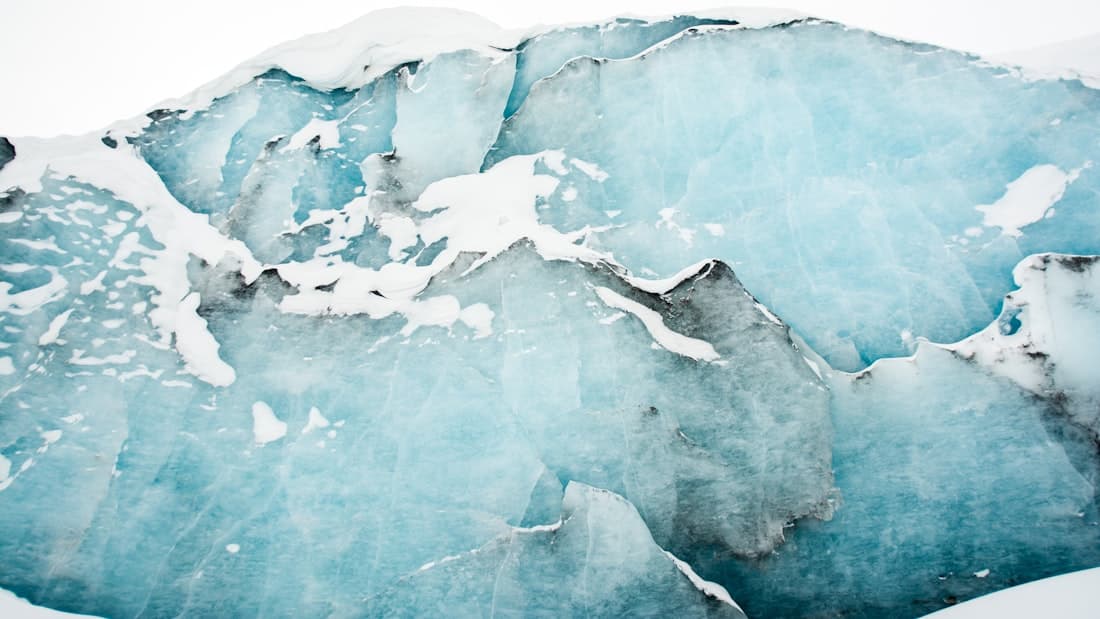
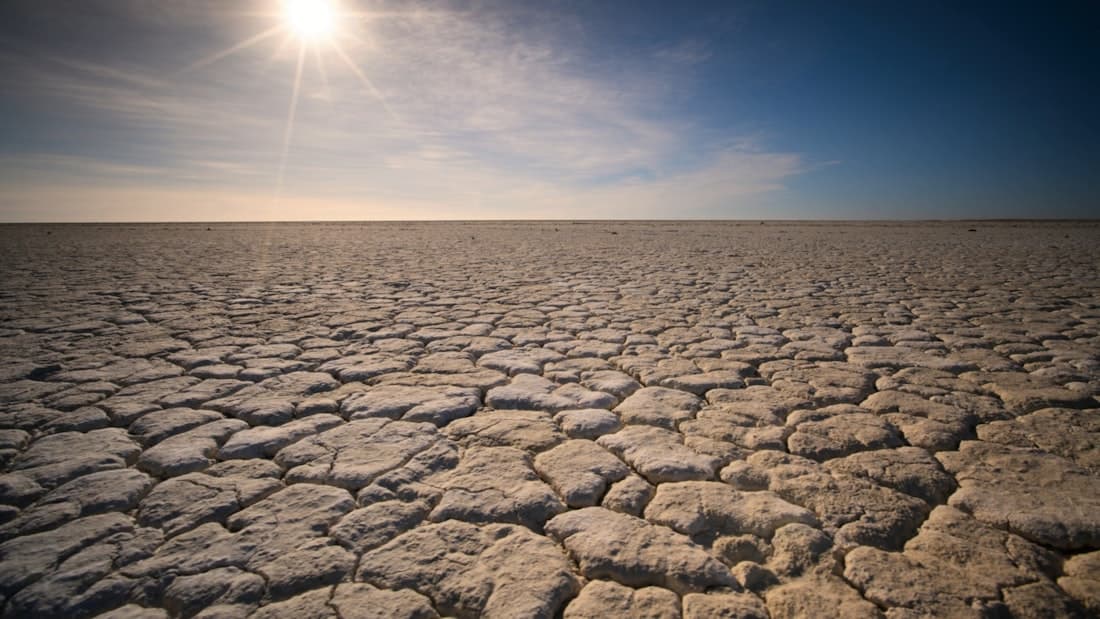
A sudden ice age locked the planet's water into glaciers and drained the shallow seas where almost all life lived. When the ice melted just as fast, the survivors drowned in the rebound.

The Extinction Timeline
Over the last half-billion years, life on Earth has been pushed to the brink five times. Each catastrophe erased the majority of all living species and reset the course of evolution. A sixth extinction is now underway — and for the first time, a single species is the cause. This is the timeline, from deep time to the present day.

Earth's Mass Extinctions

A sudden ice age locked the planet's water into glaciers and drained the shallow seas where almost all life lived. When the ice melted just as fast, the survivors drowned in the rebound.

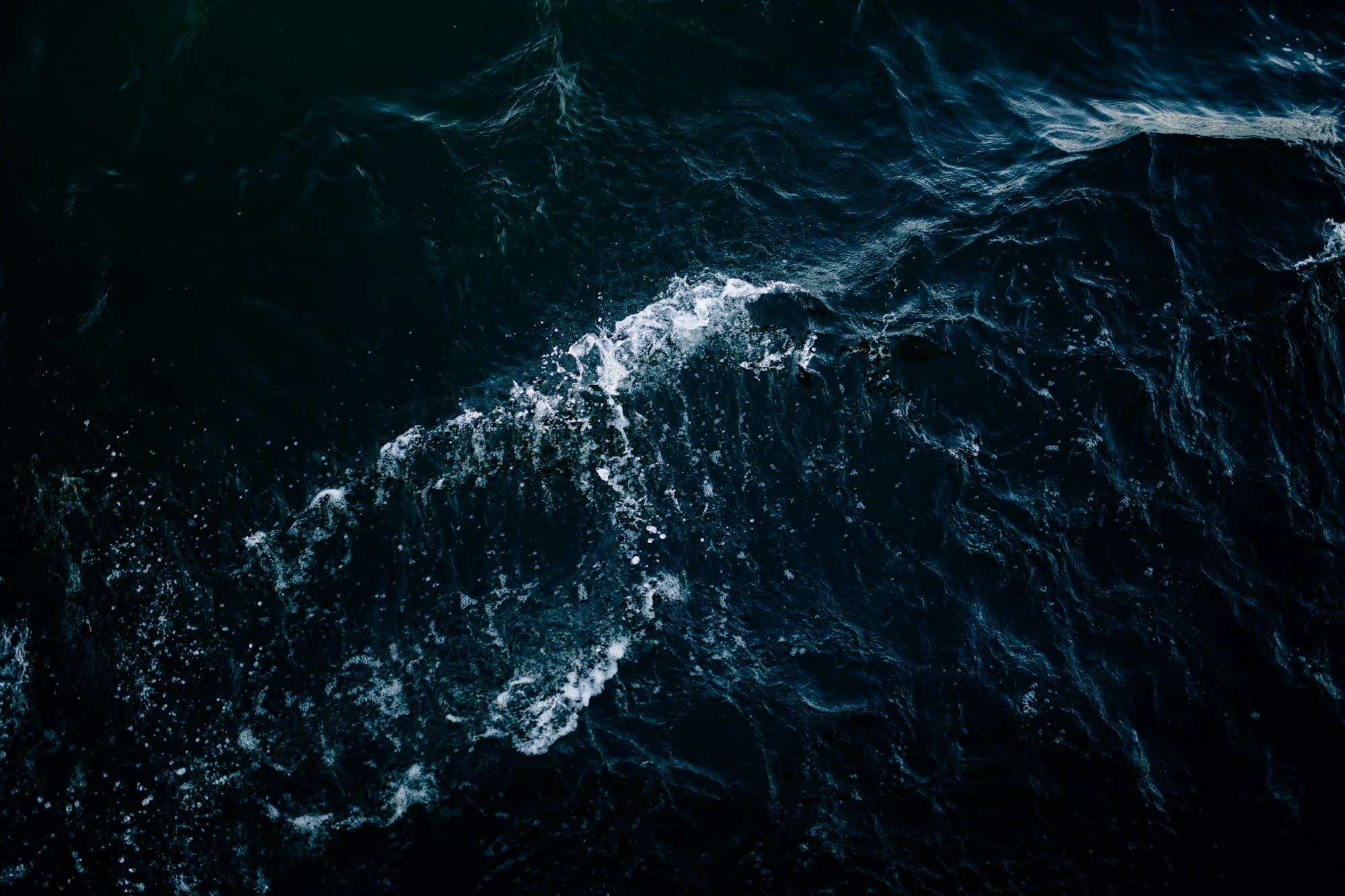
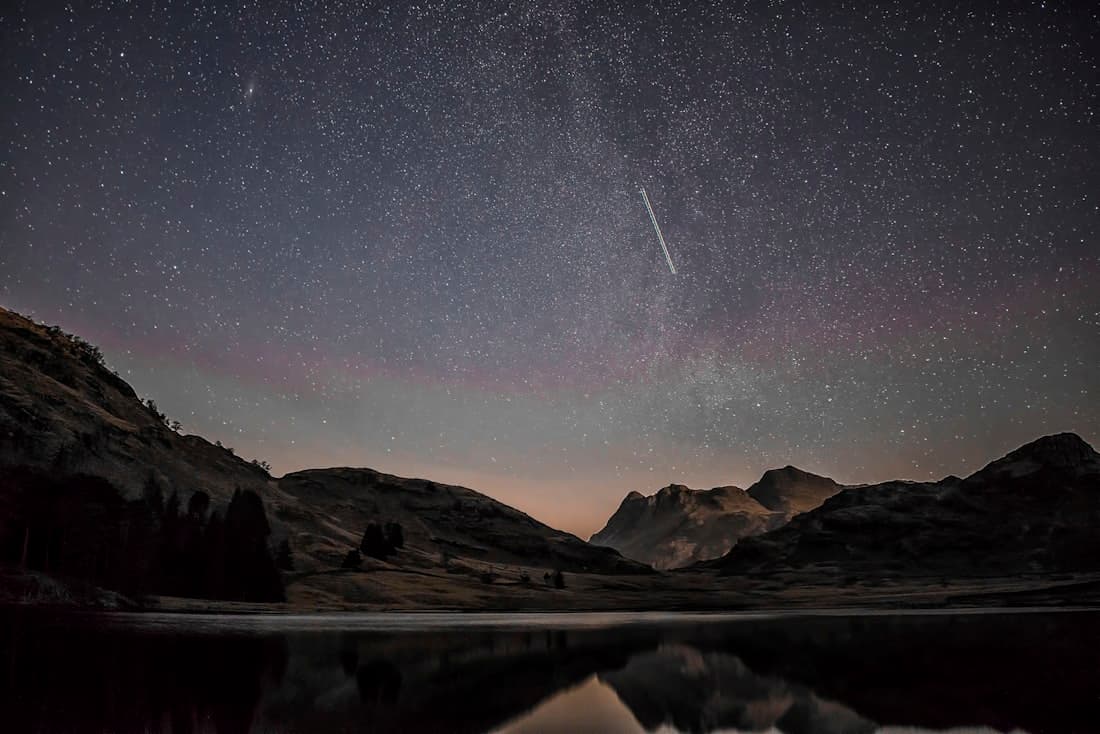
Over millions of years the oceans lost their oxygen. The great reef systems suffocated, and the warm shallow waters that had cradled early marine life turned into dead zones.

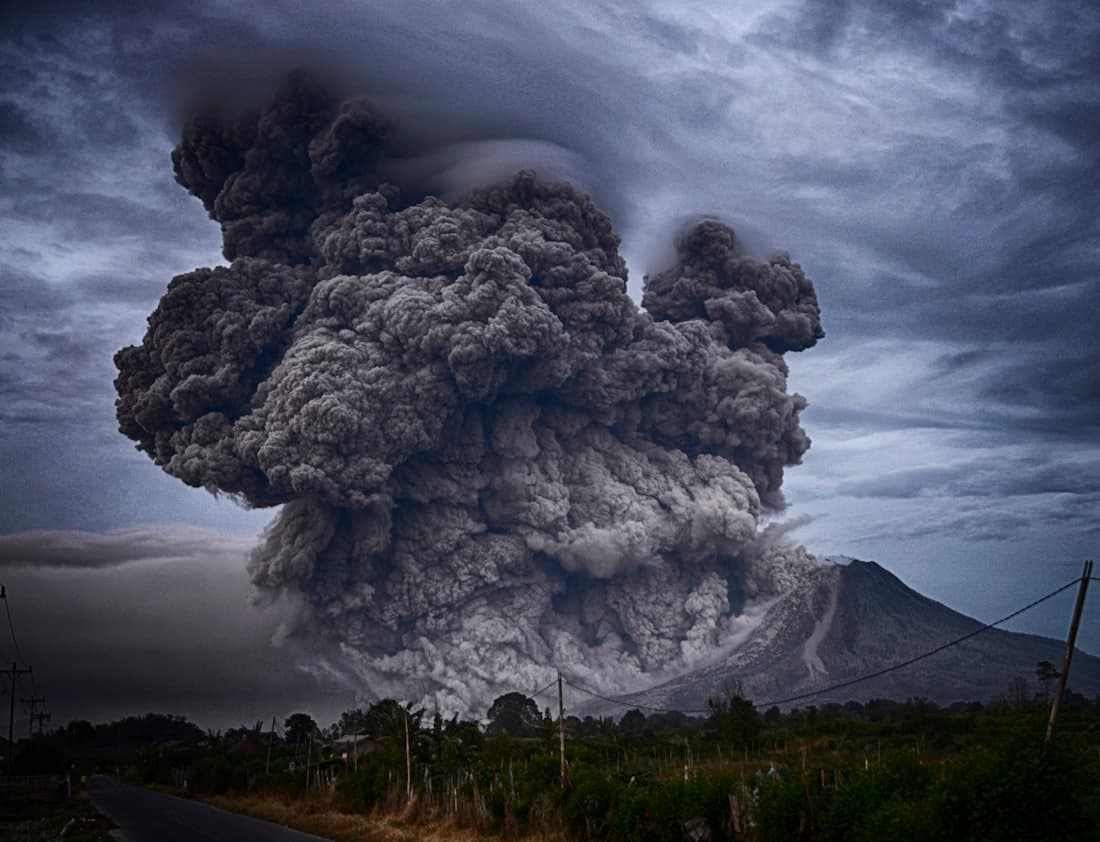
Known as the Great Dying. Colossal volcanic eruptions across Siberia poisoned the air and acidified the seas. Nearly all life on Earth vanished — the closest the planet has ever come to sterile.

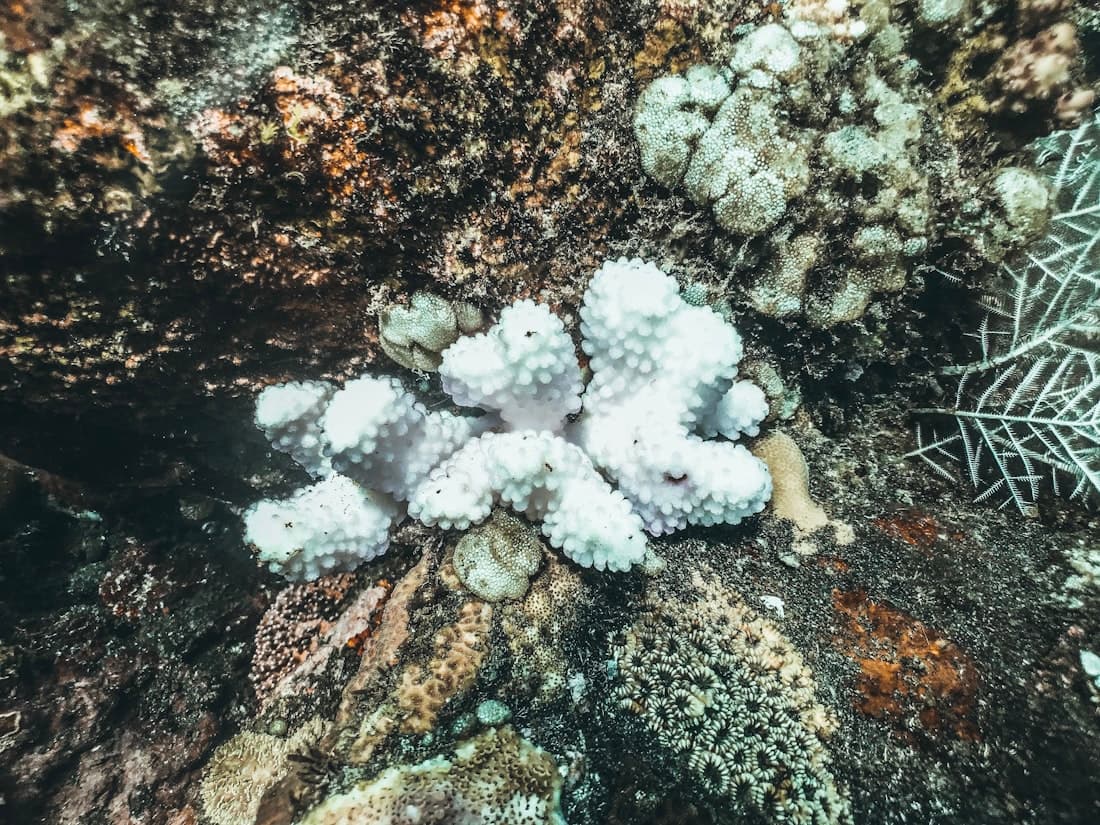
As the supercontinent tore itself apart, carbon dioxide flooded the atmosphere and temperatures soared. The collapse cleared the stage for the dinosaurs to inherit the Earth.

A city-sized asteroid struck what is now Mexico. Dust and soot blotted out the sun for years, and the 165-million-year reign of the dinosaurs ended in cold and darkness.

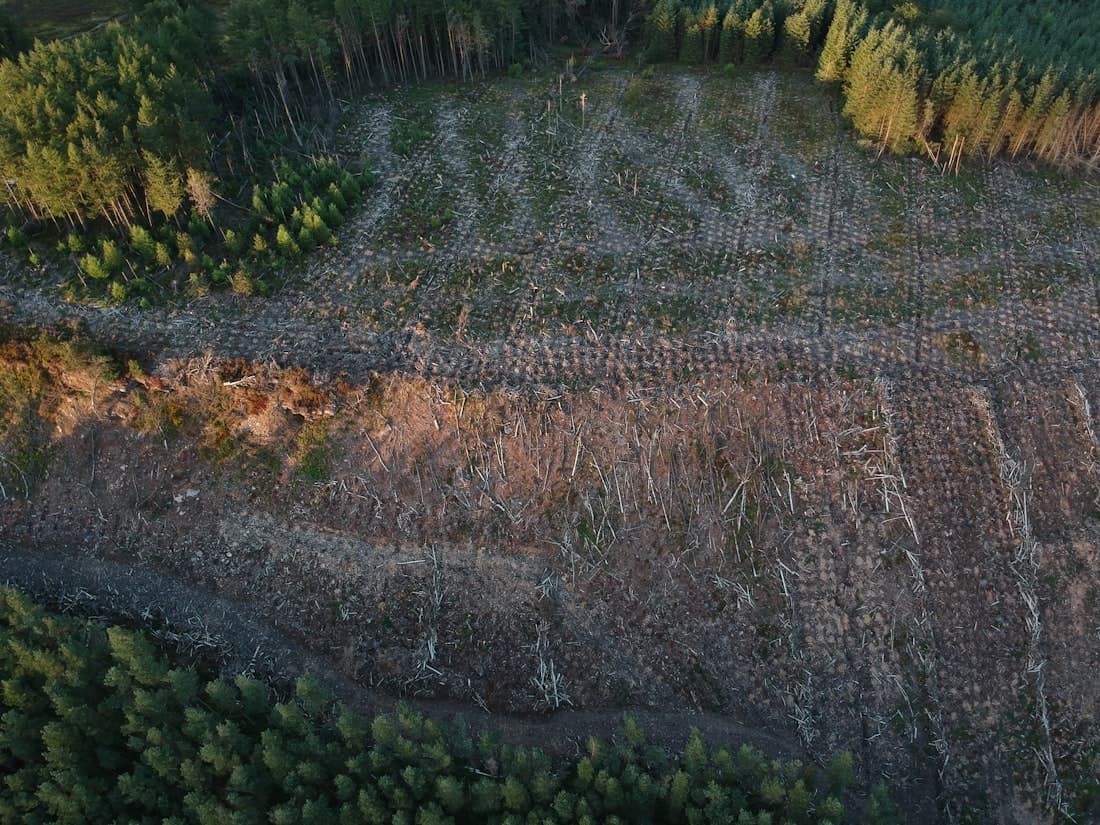
For the first time, a single species is the cause. Habitat loss, climate breakdown and exploitation are erasing wildlife up to 1,000 times faster than nature ever did. We are the asteroid.
54,666 species are threatened right now.
The sixth extinction is not a prediction. It is a measurement — tracked species by species, in real time.
Explore threatened speciesThe Science
A mass extinction is a sharp, global collapse of biodiversity in which a large share of Earth's species — conventionally more than three-quarters — disappears within a geologically short span of time. Extinction is a constant, natural process: species always come and go at a slow, steady “background” rate. A mass extinction is what happens when that rate spikes catastrophically, faster than evolution can replace what is lost.
Palaeontologists Jack Sepkoski and David Raup first identified five such events in the fossil record in 1982 — the so-called “Big Five.” Each was triggered by a different planetary upheaval: ice ages, ocean oxygen loss, runaway volcanism, surging carbon dioxide, and an asteroid impact. Together they show that even the most successful life on Earth is fragile when conditions change faster than species can adapt.
| Event | When | Species lost | Trigger |
|---|---|---|---|
| Ordovician–Silurian | 444 million years ago | 86% | Ice age |
| Late Devonian | 372 million years ago | 75% | Ocean anoxia |
| Permian–Triassic | 252 million years ago | 96% | Volcanism |
| Triassic–Jurassic | 201 million years ago | 80% | CO₂ surge |
| Cretaceous–Paleogene | 66 million years ago | 76% | Asteroid |
Loss figures are widely-cited species-level estimates. Source: IUCN Red List; Barnosky et al. (2011); Sepkoski & Raup (1982).
Happening Now
Every previous mass extinction was set off by a physical force of nature. The sixth is set off by us. Habitat loss, climate change, overexploitation, pollution and invasive species — all human-driven — are now erasing wildlife at tens to hundreds of times the natural background rate, with some studies estimating losses up to 1,000 times faster than before humans existed.
There is one crucial difference. The Big Five are reconstructed from rock and fossil layers, millions of years after the fact. The sixth extinction can be measured as it happens — species by species, year by year. The number of species formally assessed as threatened on the IUCN Red List has more than quadrupled this century:
Number of species classified as threatened (CR + EN + VU) on the IUCN Red List, from 2000 to 2025
48,646
threatened species in 2025
+340%
since 2000
11,046
Threatened in 2000
48,646
Threatened in 2025
+37,600
Increase over 25 years
Note: Increases partly reflect expanded assessment coverage, not only worsening status
Source: IUCN Red List
Part of this rise reflects more species being assessed over time, not only worsening status — but the underlying trend in extinction risk is clear and accelerating.
Five are recorded in the fossil record — known as the “Big Five.” They are the Ordovician–Silurian, Late Devonian, Permian–Triassic, Triassic–Jurassic and Cretaceous–Paleogene events. A sixth, the Holocene–Anthropocene extinction, is now underway and driven by human activity.
For the first time in Earth's history, a single species is the cause. Habitat destruction, climate change, overexploitation, pollution and invasive species — all driven by humans — are erasing wildlife far faster than nature alone ever did.
Scientific estimates place current extinction rates at tens to hundreds of times the natural background rate, with some studies suggesting losses up to 1,000 times faster. Unlike past extinctions, this one can be measured species by species, in close to real time.
The Permian–Triassic extinction 252 million years ago — nicknamed “the Great Dying.” Driven by colossal volcanic eruptions across Siberia, it wiped out an estimated 96% of all species and is the closest life on Earth has ever come to being erased entirely.
SpeciesRadar tracks the sixth extinction as it unfolds, drawing on the IUCN Red List and global biodiversity data. Explore which species are most at risk right now, or read how we source and verify every figure.
References: Barnosky, A.D. et al. (2011), Nature 471, 51–57 · Ceballos, G. et al. (2015), Science Advances 1(5), e1400253 · Sepkoski, J.J. & Raup, D.M. (1982), Science 215, 1501–1503 · IUCN (2025), The IUCN Red List of Threatened Species.