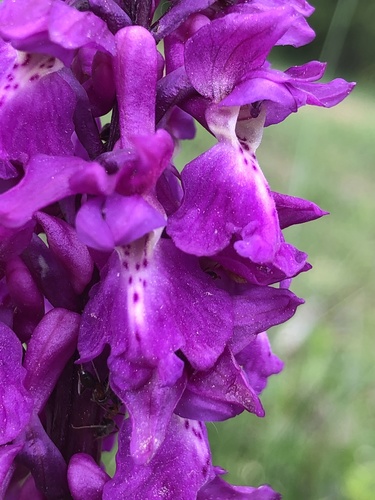
Early-purple Orchid
Orchis mascula
Photo: iNaturalist: (c) Juanita Zorrilla Pujana, all rights reserved, uploaded by Juanita Zorrilla Pujana
Overview
Orchis mascula, the early-purple orchid, early spring orchis, is a species of flowering plant in the orchid family, Orchidaceae.
The Early-purple Orchid faces significant decline primarily due to habitat loss and degradation from agricultural intensification, urban development, and changes in traditional land management practices. Overgrazing, woodland management changes, and climate change are reducing suitable habitat availability across its range.
Habitat
This orchid is devoid of nectar and attracts pollinating insects (bees and wasps of the genera Apis, Bombus, Eucera, Andrena, Psithyrus and Xylocopa, and sometimes beetles) with the appearance of its flower which mimics other species.
Orchids in the genus Orchis form mycorrhizal partnerships mainly with fungi in the family Tulasnellaceae. Orchis mascula has been suggested to have only one...
Other threatened species in Orchidaceae
Frequently asked questions
Why is Early-purple Orchid classified as Endangered?
Where does Early-purple Orchid live?
What are the main threats to Early-purple Orchid?
Get weekly conservation intelligence
One short digest a week of the most striking species and country data we ship, plus breaking conservation news paired with our database where it matters.
Free, no spam. One-click unsubscribe in every email.