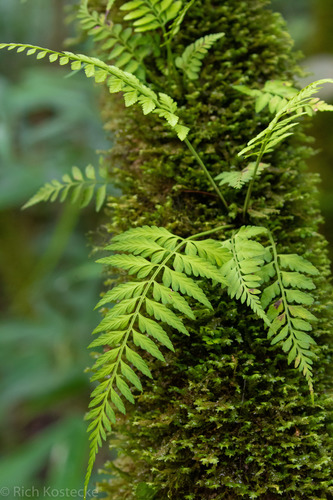
Eared Spleenwort
VUVulnerable

Eared Spleenwort

Asplenium auritum

**Eared Spleenwort (Asplenium auritum)** The Eared Spleenwort is a distinctive fern species characterized by its pinnately compound fronds that can reach 30-60 centimeters in length. The species gets its common name from the ear-like projections (auricles) at the base of its pinnae.

59

Countries

Photo: iNaturalist: (c) Rich Kostecke, some rights reserved (CC BY-NC), uploaded by Rich Kostecke

01Classification

Taxonomy & Classification

Kingdom

Plantae

Phylum

Tracheophyta

Class

Polypodiopsida

Order

Polypodiales

Family

Aspleniaceae

Genus

Asplenium

Eared Spleenwort belongs to the family Aspleniaceae, order Polypodiales, within the Polypodiopsida class.

02Description

Species Profile

**Eared Spleenwort (Asplenium auritum)** The Eared Spleenwort is a distinctive fern species characterized by its pinnately compound fronds that can reach 30-60 centimeters in length. The species gets its common name from the ear-like projections (auricles) at the base of its pinnae. Its fronds emerge from short, scaly rhizomes and display the characteristic linear sori (spore-bearing structures) along the undersides of fertile pinnae. As an epiphytic fern, it plays an important ecological role in forest canopy ecosystems, contributing to biodiversity and providing microhabitats for small invertebrates. This species demonstrates one of the broadest geographic distributions among ferns, occurring across tropical and subtropical regions of the Americas, from the southern United States through Central America to South America, extending into the Caribbean. It also appears in parts of Africa, Asia, Europe, and various oceanic islands. The Eared Spleenwort typically inhabits humid forest environments, growing as an epiphyte on tree trunks and branches, though it occasionally occurs on rocks and cliff faces. Despite its wide distribution, Asplenium auritum is classified as Vulnerable by the IUCN, though specific threats have not been formally assessed. The species likely faces pressure from deforestation and habitat fragmentation across its range, particularly in tropical regions experiencing rapid land-use change. Current conservation measures for this species are limited, with most protection occurring indirectly through forest preservation efforts in protected areas. The population trend remains unknown, making it difficult to assess whether existing conservation approaches are sufficient. Enhanced monitoring and habitat protection will be crucial for determining the species' long-term viability.

Eared Spleenwort faces significant threats from habitat destruction and degradation, particularly due to deforestation and agricultural expansion in its limited range. The species' restricted distribution makes it especially vulnerable to localized threats, and climate change may further impact its specialized habitat requirements.

Key Facts

IUCN StatusVulnerable (VU)
GroupPlants
03Habitat

Habitat & Distribution

TERRESTRIALMajor
04Threats

Threats

Agricultural expansion and land conversion

HighOngoing

Habitat loss and fragmentation from deforestation

HighOngoing

Climate change affecting moisture and temperature regimes

MediumOngoing

Small population size and restricted range

MediumOngoing

Collection pressure for horticultural trade

LowOngoing
07National Status

National vs Global Threat Status

How this species is assessed at the national level compared to its IUCN global status (VU).

CountryNational StatusGlobal StatusComparison
EUCRCritically EndangeredVUVulnerableHigher local risk

National Red List data sourced from the National Red List Project (nationalredlist.org, ZSL) and country-specific Red List authorities.

Community

Community Sightings

Report a sighting

No community sightings yet. Be the first to report!

07Sources

Sources & Attribution

How to Cite

IUCN: IUCN (2025). The IUCN Red List of Threatened Species. Version 2025-1. Available at: https://www.iucnredlist.org. doi:10.2305/IUCN.UK.2025-1.RLTS

GBIF: GBIF.org (2025). GBIF Home Page. Available at: https://www.gbif.org

National Red Lists: ZSL (2025). National Red List. Zoological Society of London. Available at: https://www.nationalredlist.org

This page: SpeciesRadar (2025). Eared Spleenwort (Asplenium auritum). SpeciesRadar: Intelligence for Earth's Biodiversity. Available at: https://speciesradar.org/species/eared-spleenwort

Full citation guide & data usage terms