Squamarina pachylepidea
ENEndangered

Squamarina pachylepidea

Local name: dvärgplacodlav

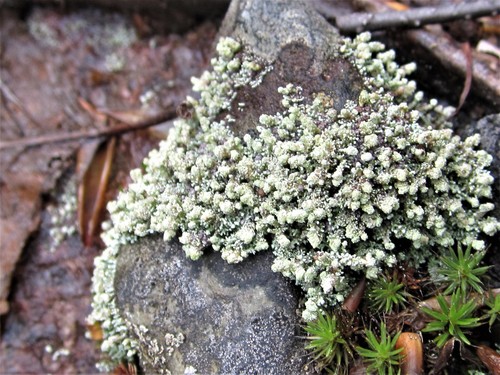
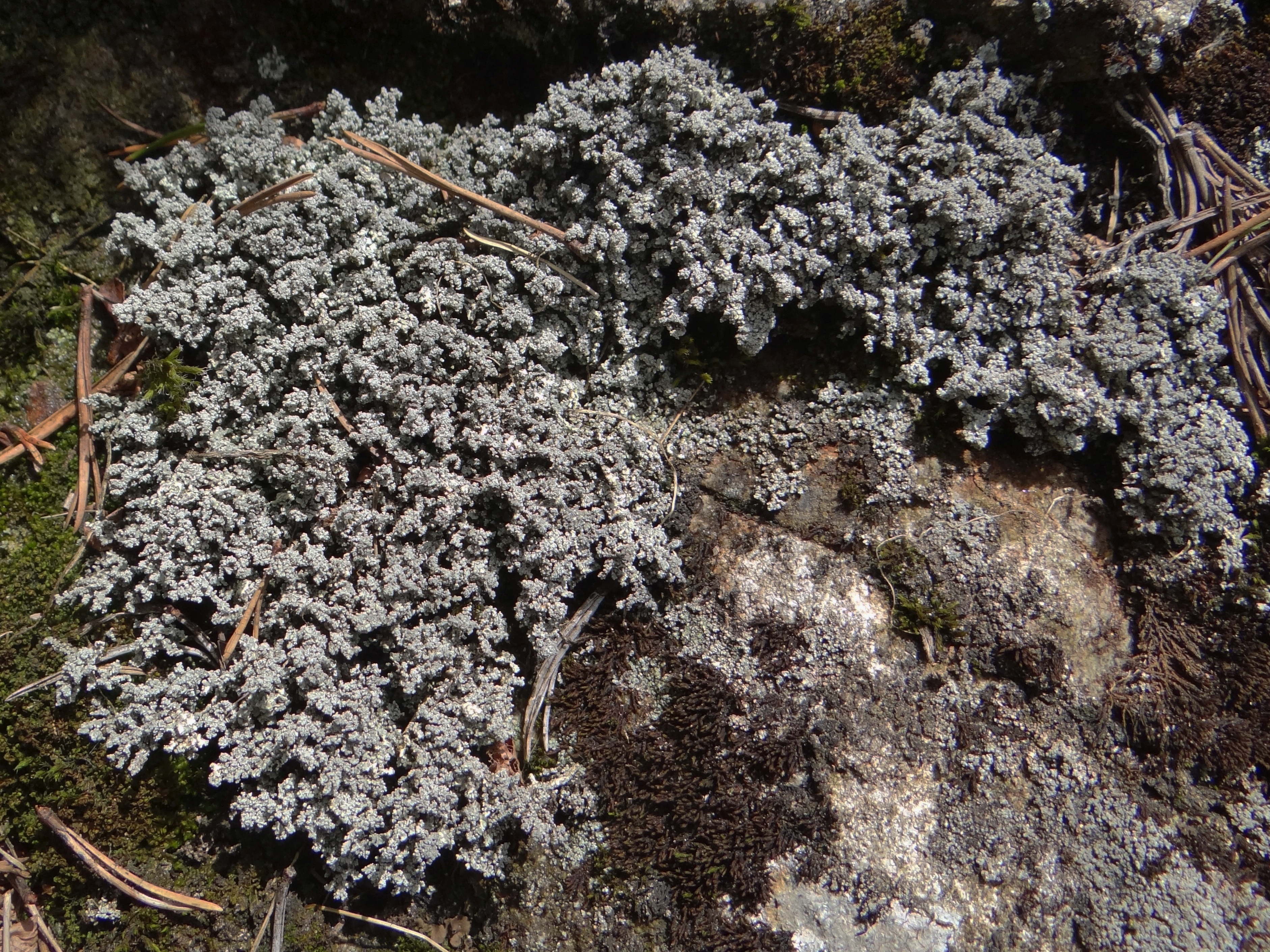
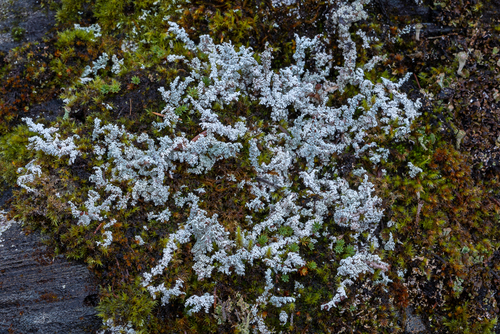
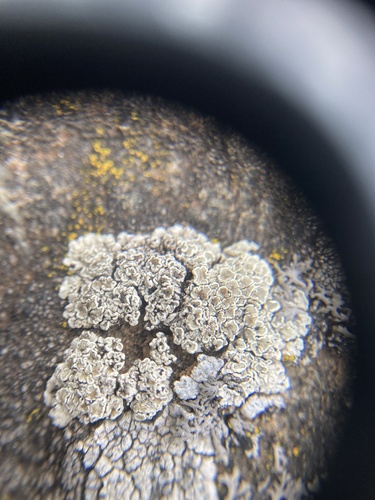
Squamarina pachylepidea is a small crustose lichen species with thick, scale-like thallus segments that form grayish to brownish patches on rock surfaces. This slow-growing lichen plays an important ecological role as a pioneer species in harsh environments, contributing to soil formation and providing microhabitats for invertebrates in rocky ecosystems.

Photo: iNaturalist: (c) Annie Evankow, some rights reserved (CC BY), uploaded by Annie Evankow

01Classification

Taxonomy & Classification

Kingdom

Fungi

Phylum

Ascomycota

Class

Lecanoromycetes

Order

Lecanorales

Family

Stereocaulaceae

Genus

Squamarina

Squamarina pachylepidea belongs to the family Stereocaulaceae, order Lecanorales, within the Lecanoromycetes class.

02Description

Species Profile

Squamarina pachylepidea is a small crustose lichen species with thick, scale-like thallus segments that form grayish to brownish patches on rock surfaces. This slow-growing lichen plays an important ecological role as a pioneer species in harsh environments, contributing to soil formation and providing microhabitats for invertebrates in rocky ecosystems.

Squamarina pachylepidea faces severe decline due to habitat loss from coastal development, quarrying, and infrastructure projects that destroy its specialized limestone substrates. Air pollution and climate change further threaten this sensitive lichen species by altering the specific microclimate conditions it requires for survival.

Key Facts

IUCN StatusEndangered (EN)
GroupFungi
03Habitat

Habitat & Distribution

This lichen typically colonizes exposed calcareous rocks, limestone outcrops, and weathered concrete surfaces in open, well-lit environments. It shows preference for slightly basic substrates with good air circulation, often found on cliff faces, stone walls, and rocky slopes at various elevations.

04Threats

Threats

!

IUCN Red List: Endangered

Squamarina pachylepidea faces severe decline due to habitat loss from coastal development, quarrying, and infrastructure projects that destroy its specialized limestone substrates. Air pollution and climate change further threaten this sensitive lichen species by altering the specific microclimate conditions it requires for survival.

Coastal development and urbanization

HighOngoing

Quarrying and mining of limestone substrates

HighOngoing

Air pollution affecting lichen sensitivity

MediumOngoing

Climate change altering microhabitat conditions

MediumOngoing

Infrastructure development fragmenting habitat

MediumOngoing
Community

Community Sightings

Report a sighting

No community sightings yet. Be the first to report!

07Sources

Sources & Attribution

How to Cite

IUCN: IUCN (2025). The IUCN Red List of Threatened Species. Version 2025-1. Available at: https://www.iucnredlist.org. doi:10.2305/IUCN.UK.2025-1.RLTS

GBIF: GBIF.org (2025). GBIF Home Page. Available at: https://www.gbif.org

This page: SpeciesRadar (2025). Squamarina pachylepidea (Squamarina pachylepidea). SpeciesRadar: Intelligence for Earth's Biodiversity. Available at: https://speciesradar.org/species/dvargplacodlav

Full citation guide & data usage terms