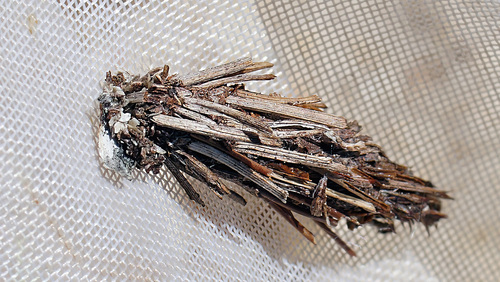
Dusky Sweep
Acanthopsyche atra
Photo: iNaturalist: (c) cossus, some rights reserved (CC BY-NC)
Overview
Acanthopsyche atra, the dusky sweep, is a moth of the family Psychidae. The habitat consists of heath and moorland.
The Dusky Sweep faces severe population declines primarily due to habitat destruction from coastal development and pollution in its marine environment. Climate change and ocean acidification are increasingly impacting the coral reef ecosystems this species depends on for feeding and shelter.
Habitat
Usually females lay their eggs in the pupal case. P L Jørgensen observed some females leaving their cases and dropping to the ground a few days after mating. The female, when free from its pupal case, looks and behaves like a fly maggot. Eleven were fed to a European robin (Erithacus rubecula) and its droppings collected over the next 24 hours. After two weeks, between thirty and forty larvae...
Other threatened species in Psychidae

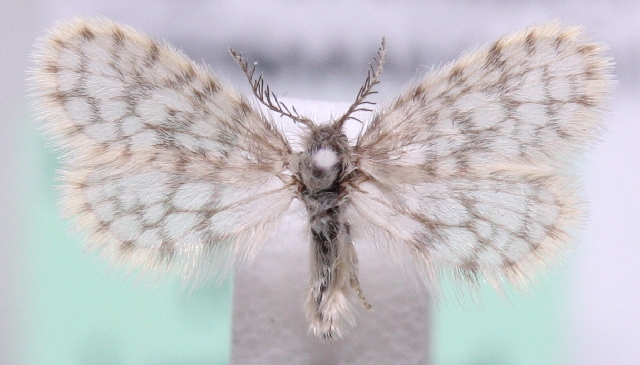
Threatened in Åland Islands


Frequently asked questions
Why is Dusky Sweep classified as Endangered?
Where does Dusky Sweep live?
What are the main threats to Dusky Sweep?
Get weekly conservation intelligence
One short digest a week of the most striking species and country data we ship, plus breaking conservation news paired with our database where it matters.
Free, no spam. One-click unsubscribe in every email.