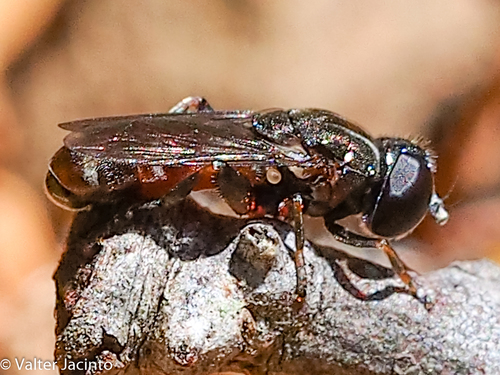
Eumerus sabulonum
Photo: iNaturalist: (c) Valter Jacinto, all rights reserved
Overview
Eumerus sabulonum is a species of hoverfly, from the family Syrphidae in the order Diptera.
The duinbollenzweefvlieg faces significant threats from habitat loss and degradation of its specialized coastal dune ecosystems. Climate change and sea level rise pose additional risks to these narrow coastal habitats, while increased human development and recreational pressure in coastal areas further fragment and degrade suitable breeding sites.
Habitat
Coastal sand dunes and sandy areas near the sea, particularly areas with bulbous plants and flowering vegetation that serve as breeding and feeding sites. The species is closely associated with specific dune plant communities and requires undisturbed sandy substrates for larval development.
Other threatened species in Syrphidae


Threatened in Afghanistan

Frequently asked questions
Why is Eumerus sabulonum classified as Vulnerable?
Where does Eumerus sabulonum live?
What are the main threats to Eumerus sabulonum?
Get weekly conservation intelligence
One short digest a week of the most striking species and country data we ship, plus breaking conservation news paired with our database where it matters.
Free, no spam. One-click unsubscribe in every email.