Dun Sentinel
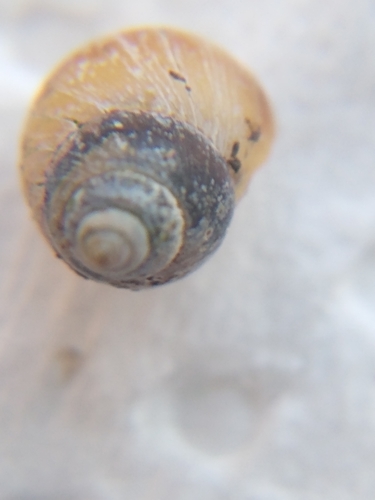
Assiminea grayana
Photo: iNaturalist: (c) nevermetsnails, some rights reserved (CC BY-NC), uploaded by nevermetsnails
Overview
Assiminea grayana, common name the "dun sentinel", is a species of very small (4–6 mm.) salt marsh snail, a terrestrial (or marine gastropod mollusk in the family Assimineidae.
The Dun Sentinel (Assiminea grayana) is declining primarily due to habitat loss and degradation of its specialized saltmarsh and estuarine environments. Coastal development, pollution, and sea-level rise associated with climate change are reducing the availability of suitable intertidal habitats where this small gastropod can survive.
Habitat
This species lives in habitats that are intermediate between land and saltwater: in estuaries and salt marshes, at, or right above, the high tide level.
Threatened in Belgium

Frequently asked questions
Why is Dun Sentinel classified as Endangered?
Where does Dun Sentinel live?
What are the main threats to Dun Sentinel?
Get weekly conservation intelligence
One short digest a week of the most striking species and country data we ship, plus breaking conservation news paired with our database where it matters.
Free, no spam. One-click unsubscribe in every email.