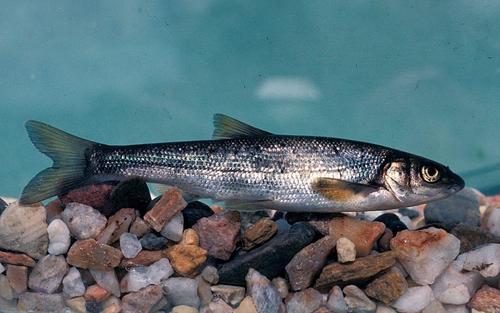
Northern Straight-Mouth Nase
Pseudochondrostoma duriense
Photo: iNaturalist: (c) Cesar Pollo, some rights reserved (CC BY-NC), uploaded by Cesar Pollo
Overview
Pseudochondrostoma duriense, the Northern straight-mouth nase, is a species of freshwater ray-finned fish belonging to the family Leuciscidae, which includes the daces, Eurasian minnows and related species. This species is endemic to the northern Iberian Peninsula in Spain and Portugal.
The Douro nase faces significant threats from habitat degradation and fragmentation due to dam construction, water extraction, and pollution in the Douro River basin. Climate change and altered flow regimes further compromise water quality and spawning habitats essential for this endemic cyprinid's survival.
Habitat
Endemic to the Douro River basin in northwestern Spain and northern Portugal, inhabiting clear, well-oxygenated rivers and streams with rocky or gravel substrates. Prefers flowing waters with moderate to fast currents, typically in montane and submontane reaches of the river system.
Other threatened species in Cyprinidae


Threatened in Portugal
Frequently asked questions
Why is Northern Straight-Mouth Nase classified as Vulnerable?
Where does Northern Straight-Mouth Nase live?
What are the main threats to Northern Straight-Mouth Nase?
Get weekly conservation intelligence
One short digest a week of the most striking species and country data we ship, plus breaking conservation news paired with our database where it matters.
Free, no spam. One-click unsubscribe in every email.