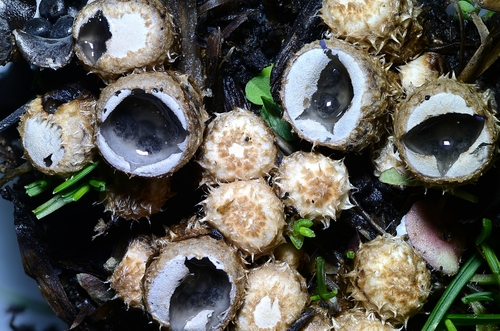
Dung Bird's Nest
Cyathus stercoreus
Photo: iNaturalist: (c) Don Loarie, some rights reserved (CC BY)
Overview
Cyathus stercoreus, commonly known as the dung-loving bird's nest or the dung bird's nest, is a species of fungus in the genus Cyathus, family Nidulariaceae. Like other species in the Nidulariaceae, the fruiting bodies of C. stercoreus resemble tiny bird's nests filled with eggs.
The fruiting bodies are referred to as splash cups, because they are developed to use the force of falling drops of water to dislodge and disperse their spores. The species has a worldwide distribution, and prefers growing on dung, or soil containing dung; the specific epithet is derived from the Latin word stercorarius, meaning "of dung".
The Dung-loving Bird's Nest Fungus faces severe decline primarily due to habitat loss from agricultural intensification and reduced availability of its specialized substrate - animal dung - as traditional grazing practices disappear. Modern farming practices, including widespread use of anthelmintic drugs in livestock that persist in dung and inhibit fungal growth, have further reduced suitable breeding sites for this highly specialized saprophytic species.
Habitat
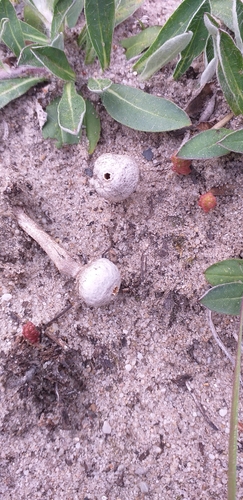
Being coprophilous, C. stercoreus grows on dung, in soil with dung, and bonfire sites; it has also been recorded growing on sand dunes.
Other threatened species in Agaricaceae


Frequently asked questions
Why is Dung Bird's Nest classified as Critically Endangered?
Where does Dung Bird's Nest live?
What are the main threats to Dung Bird's Nest?
Get weekly conservation intelligence
One short digest a week of the most striking species and country data we ship, plus breaking conservation news paired with our database where it matters.
Free, no spam. One-click unsubscribe in every email.