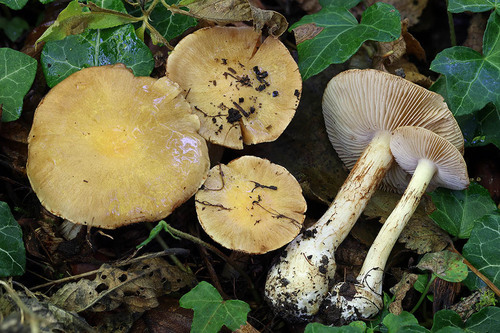
Cortinarius gracilior
Photo: iNaturalist: (c) Daniel Ghyselinck, some rights reserved (CC BY), uploaded by Daniel Ghyselinck
Overview
Dünnstieliger Schleierling (Cortinarius gracilior) is a slender-stemmed mushroom species characterized by its delicate stature and distinctive cortina (web-like veil) that connects the cap to the stem in young specimens. This mycorrhizal fungus forms essential symbiotic relationships with tree roots, facilitating nutrient exchange and supporting forest ecosystem health through its underground hyphal networks.
Dünnstieliger Schleierling (Cortinarius gracilior) is declining primarily due to habitat loss and degradation of its specialized forest ecosystems. The species is particularly vulnerable to changes in soil chemistry and mycorrhizal host tree availability, which are being disrupted by intensive forestry practices and environmental pollution.
Habitat
Cortinarius gracilior inhabits mature coniferous and mixed forests, particularly favoring areas with well-established spruce, fir, or pine trees where it can form mycorrhizal associations. The species typically occurs in undisturbed forest soils with rich organic matter and stable moisture conditions, often in montane or boreal forest environments.
Other threatened species in Cortinariaceae
Frequently asked questions
Why is Cortinarius gracilior classified as Endangered?
Where does Cortinarius gracilior live?
What are the main threats to Cortinarius gracilior?
Get weekly conservation intelligence
One short digest a week of the most striking species and country data we ship, plus breaking conservation news paired with our database where it matters.
Free, no spam. One-click unsubscribe in every email.