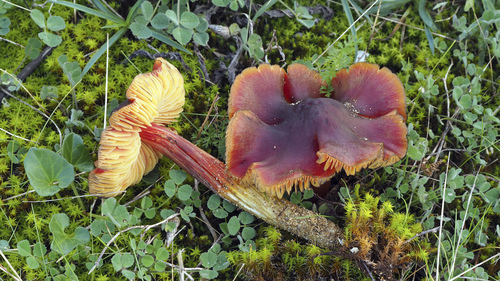
Dune Waxcap
Hygrocybe conicoides
Photo: iNaturalist: (c) Joaquin Martin, all rights reserved, uploaded by Joaquin Martin
Overview
The Dune Waxcap (Hygrocybe conicoides) is a small, brightly colored fungus characterized by its distinctive conical cap that ranges from yellow to orange-red, often with a waxy appearance. This grassland fungus plays a crucial ecological role in nutrient cycling within coastal dune ecosystems, forming complex relationships with grasses and other vegetation in these specialized habitats.
The Dune Waxcap is primarily threatened by habitat loss and degradation of coastal dune systems due to urban development, recreational activities, and coastal erosion. Climate change and sea level rise pose additional threats to its specialized dune grassland habitat, while nitrogen deposition from agricultural and industrial sources alters soil chemistry and reduces suitable habitat quality.
Habitat
Dune Waxcap occurs in short, nutrient-poor grasslands on coastal sand dunes and dune slacks, particularly in areas with low-growing grasses and minimal soil disturbance. The species requires the specific microclimate conditions found in these maritime grassland communities, including well-drained sandy soils and exposure to salt spray.
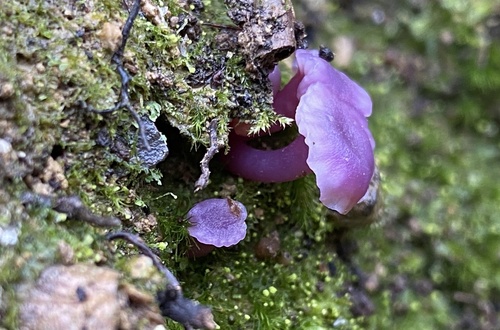
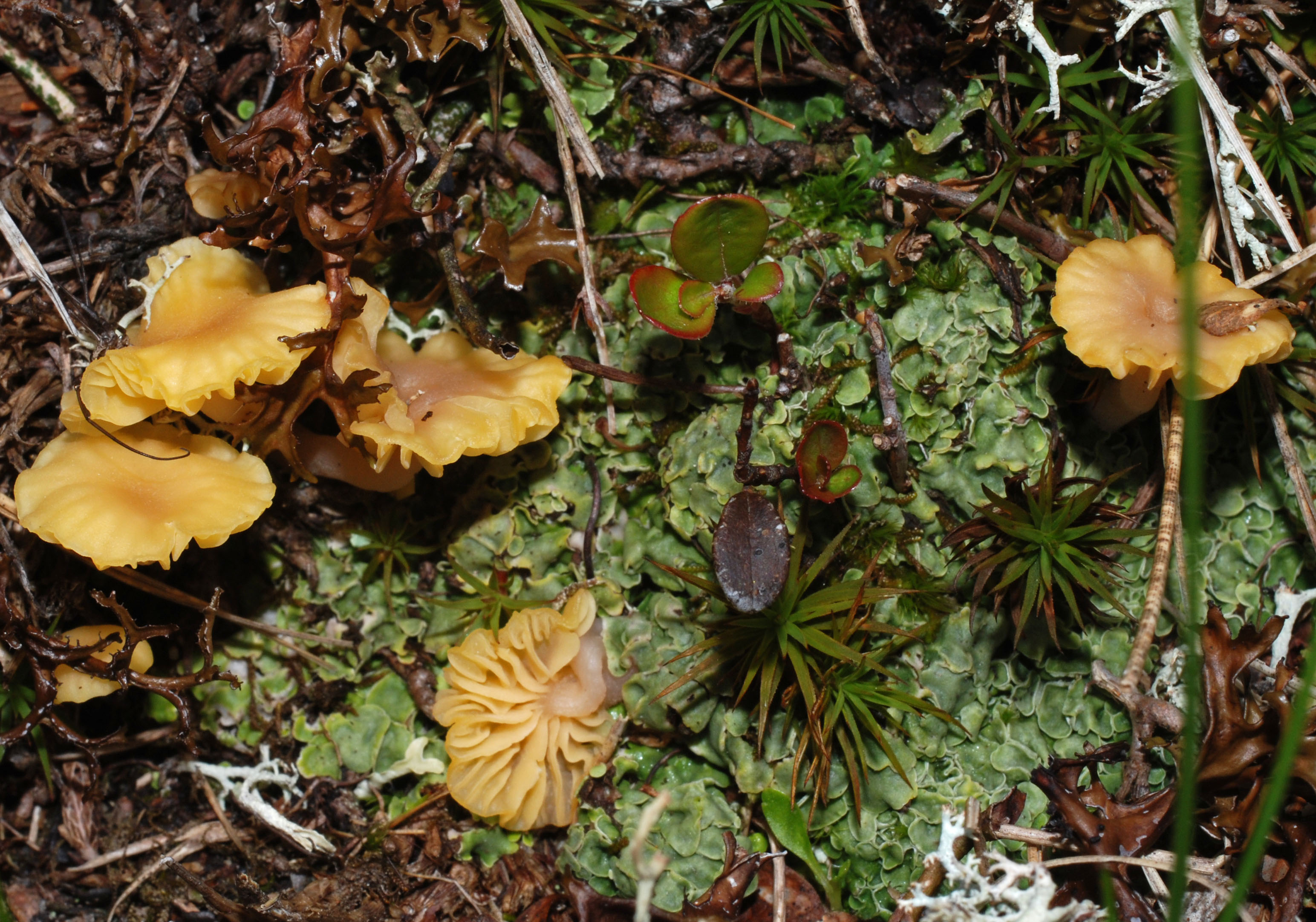
Other threatened species in Hygrophoraceae

Frequently asked questions
Why is Dune Waxcap classified as Endangered?
Where does Dune Waxcap live?
What are the main threats to Dune Waxcap?
Get weekly conservation intelligence
One short digest a week of the most striking species and country data we ship, plus breaking conservation news paired with our database where it matters.
Free, no spam. One-click unsubscribe in every email.