Species Explorer
Browse and search species from the IUCN Red List and GBIF.
54,666 species
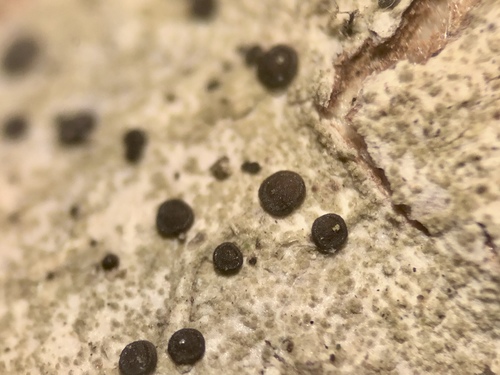
Dark Red Disc Lichen
VULecidea erythrophaea
Dark Red Disc Lichen faces significant threats from air pollution, particularly nitrogen deposition and sulfur compounds, which alter its specialized substrate chemistry and disrupt its slow-growing symbiotic relationship. Climate change poses additional risks through altered precipitation patterns and temperature fluctuations that affect the delicate moisture balance required for this species' survival. Habitat degradation from human activities further compounds these pressures on remaining populations.
Dark Red Meranti
ENShorea ovata
Dark Red Meranti faces severe population decline primarily due to extensive logging for its valuable timber, which is highly prized in international markets. Habitat destruction from deforestation, agricultural conversion, and palm oil plantations has fragmented remaining populations across its Southeast Asian range.
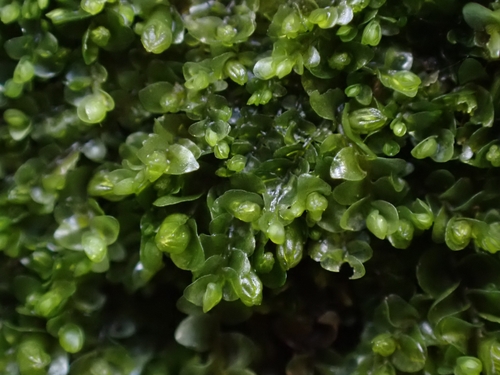
Dark-green Flapwort
VUJungermannia atrovirens
Dark-green Flapwort faces significant threats from habitat degradation and loss of suitable bryophyte microhabitats due to air pollution, climate change, and human disturbance. This small liverwort is particularly vulnerable to changes in moisture levels and substrate quality that affect its specialized ecological niche. Conservation status may vary by region or assessment authority, but populations are declining in many areas due to environmental pressures.
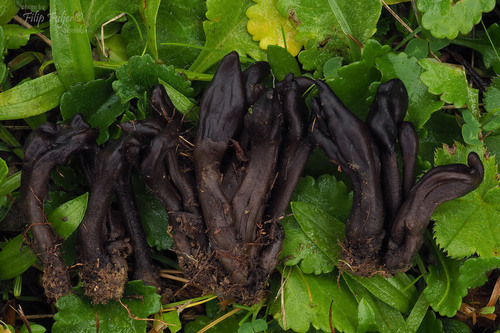
Dark-purple Earthtongue
VUGeoglossum atropurpureum
Dark-purple Earthtongue faces significant threats from habitat loss due to agricultural intensification and grassland conversion, which destroys the unimproved grasslands and pastures it depends on. Climate change and nitrogen deposition from agricultural runoff further degrade its specialized habitat requirements, while the species' limited dispersal ability makes it particularly vulnerable to local extinctions.
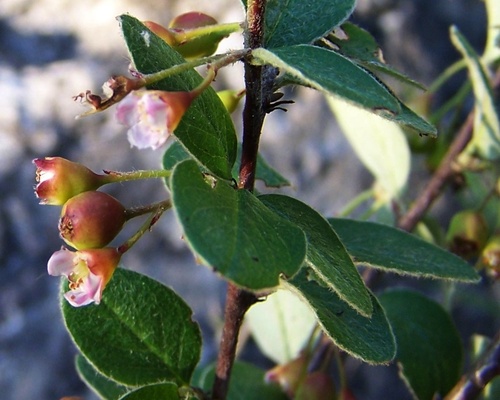
dark-seed cotoneaster
VUCotoneaster laxiflorus
Dark-seed cotoneaster faces significant threats from habitat loss and degradation due to agricultural expansion and infrastructure development in its native range. Climate change poses additional risks by altering the montane conditions this species requires, while overgrazing by livestock degrades its specialized habitat.
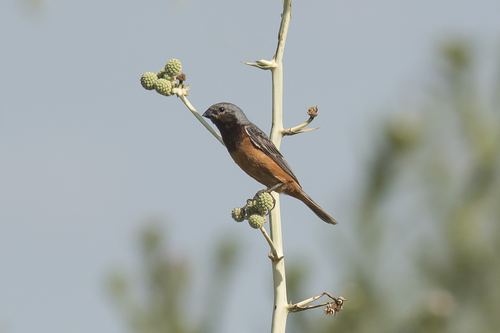
Dark-throated Seedeater
VUSporophila ruficollis
The Dark-throated Seedeater faces significant pressure from widespread habitat loss and degradation across its South American range, primarily due to agricultural expansion and cattle ranching in grassland and wetland areas. The species' specialized diet and habitat requirements make it particularly vulnerable to landscape modifications, while its popularity in the illegal bird trade adds additional pressure on wild populations.
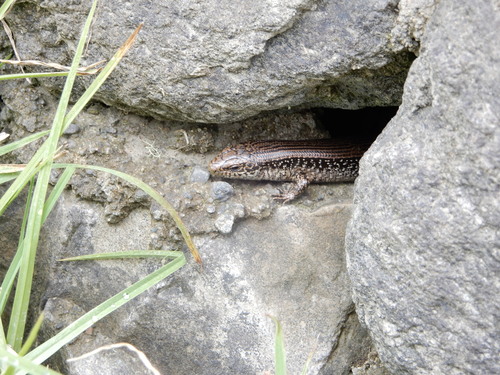
Darlington's Galliwasp
ENCelestus darlingtoni
Darlington's Galliwasp faces severe population decline primarily due to habitat destruction from deforestation, agricultural expansion, and urban development in its limited range. The species' restricted distribution makes it particularly vulnerable to localized threats, with habitat fragmentation further isolating remaining populations.
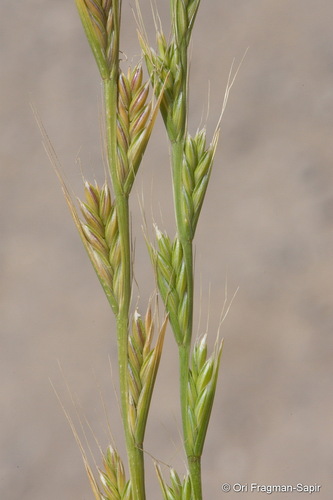
Darnel
CRLolium temulentum
Darnel (Lolium temulentum) has experienced severe population declines primarily due to modern agricultural practices and herbicide use that have eliminated this former crop weed from most of its historical range. The species was once widespread as a weed in cereal crops but intensive farming methods and effective weed control have reduced it to critically low numbers across Europe and other regions where it was previously common.
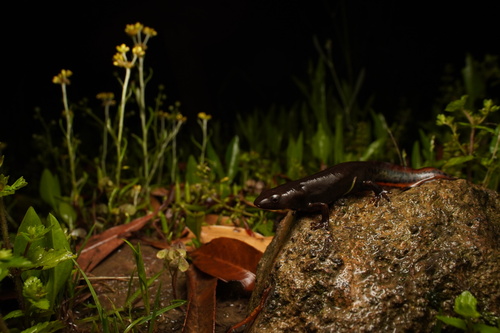
Dayang Newt
ENCynops orphicus
The Dayang Newt faces severe population declines primarily due to habitat destruction from agricultural expansion and urban development in its limited range in China. Water pollution from agricultural runoff and industrial activities further degrades the aquatic breeding habitats essential for this species' reproduction.
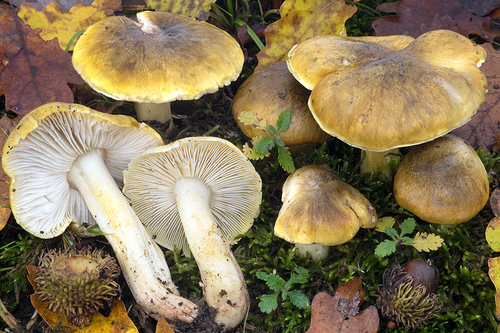
Deceiving Knight
CRTricholoma sejunctum
The Deceiving Knight faces severe population declines due to widespread habitat destruction and degradation of its specialized forest ecosystems. Climate change is altering the delicate soil chemistry and mycorrhizal relationships essential for this fungus, while pollution and forest fragmentation further threaten remaining populations.
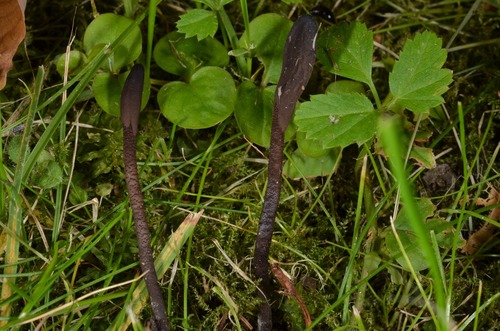
Deceptive Earthtongue
ENGeoglossum fallax
Deceptive Earthtongue faces severe decline primarily due to habitat loss from agricultural intensification and grassland conversion, which destroys the nutrient-poor grasslands it requires. Climate change and nitrogen deposition further threaten remaining populations by altering soil chemistry and grassland composition.
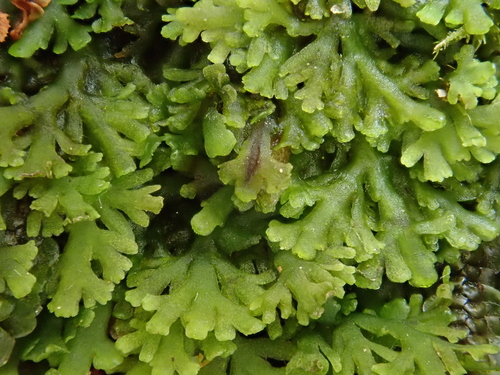
Delicate Germanderwort
VURiccardia multifida
Delicate Germanderwort faces significant threats from habitat degradation and loss due to pollution, drainage, and disturbance of its specialized wetland environments. Climate change poses additional risks through altered precipitation patterns and temperature regimes that affect the moisture-dependent ecosystems this bryophyte requires. The species' limited distribution and specific habitat requirements make it particularly vulnerable to environmental changes.
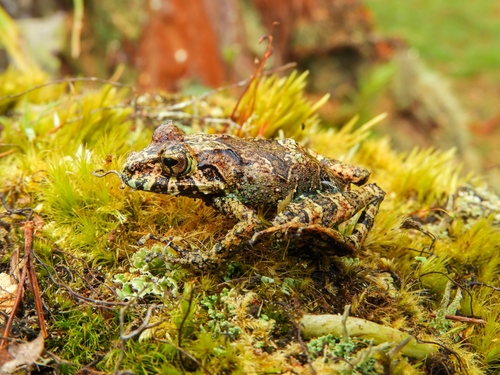
Delicate Robber Frog
ENPristimantis delicatus
The Delicate Robber Frog faces severe population declines primarily due to habitat destruction from agricultural expansion and urban development in its limited montane range. Climate change poses an additional threat by altering the specific temperature and moisture conditions this species requires in its high-elevation cloud forest habitat.
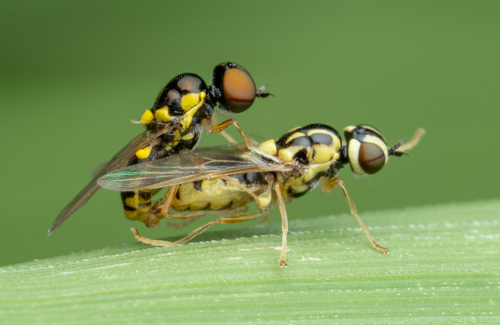
Delicate Soldier
VUOxycera nigricornis
The Delicate Soldier faces mounting pressure from habitat degradation and loss of suitable wetland environments across its range. Agricultural intensification, urban development, and pollution of freshwater systems have significantly reduced the quality and availability of the marshy habitats this species depends on for breeding and larval development.
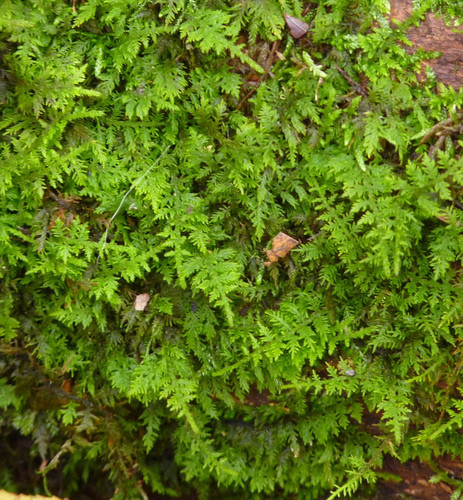
Delicate Thuidium Moss
VUThuidium delicatulum
Delicate Thuidium Moss faces significant threats from habitat degradation and loss due to urbanization, agricultural expansion, and forestry practices that alter the moist, shaded microenvironments it requires. Climate change poses additional risks through altered precipitation patterns and temperature increases that can disrupt the delicate moisture balance essential for moss survival. Air pollution and acid deposition further compromise moss health by directly damaging plant tissues and altering substrate chemistry.
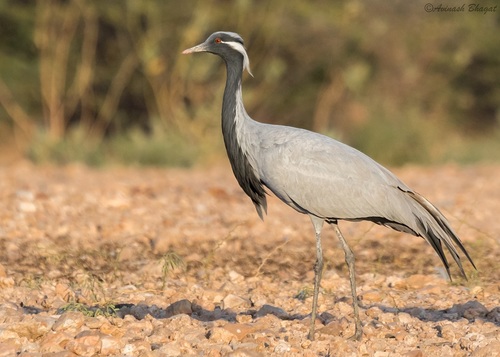
Demoiselle Crane
ENAnthropoides virgo
Demoiselle Cranes face severe population declines primarily due to habitat loss from agricultural expansion and water diversion in their breeding and wintering grounds. Additional pressures include hunting along migration routes, disturbance at roosting sites, and climate change affecting water availability in their arid and semi-arid habitats.
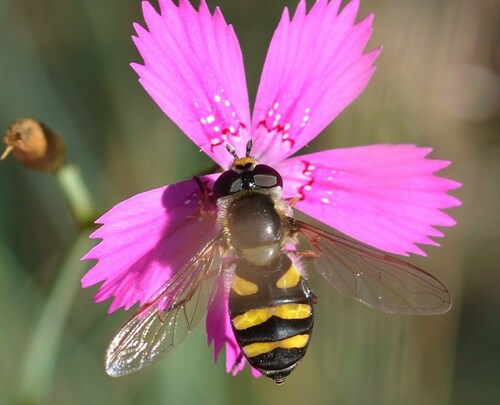
dennendidea
VUDidea intermedia
Didea intermedia faces significant pressure from habitat loss due to deforestation and agricultural expansion across its range. Climate change is altering precipitation patterns and temperature regimes in its forest habitats, while fragmentation isolates populations and reduces genetic diversity.
Dense Hydrobe
VUAphaostracon pycnum
Dense Hydrobe faces significant threats from habitat degradation and water pollution in its freshwater environments. Urban development and agricultural runoff have contaminated many of the clean, well-oxygenated waters this species requires for survival. Climate change is also altering water temperatures and flow patterns in its native range.
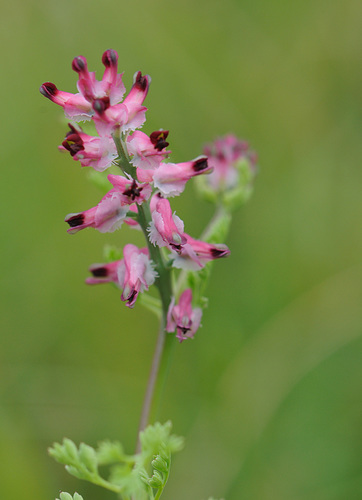
Dense-flowered Fumitory
CRFumaria densiflora
Dense-flowered Fumitory faces severe threats primarily from habitat loss due to agricultural intensification and urban development across its limited Mediterranean range. The species' extremely restricted distribution and small population sizes make it particularly vulnerable to local extinctions from land-use changes and environmental disturbances.
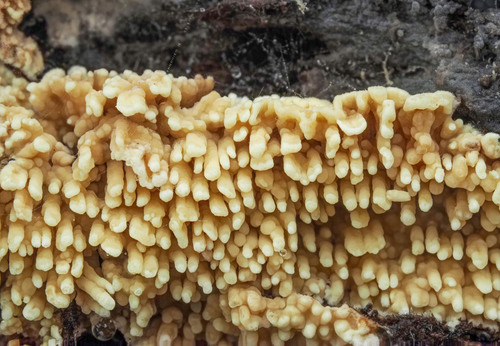
Dentists' Bane
VUCristinia eichleri
Cristinia eichleri faces significant pressure from habitat loss due to agricultural expansion and urban development throughout its range. The species' specialized habitat requirements and limited distribution make it particularly vulnerable to environmental changes and human encroachment.
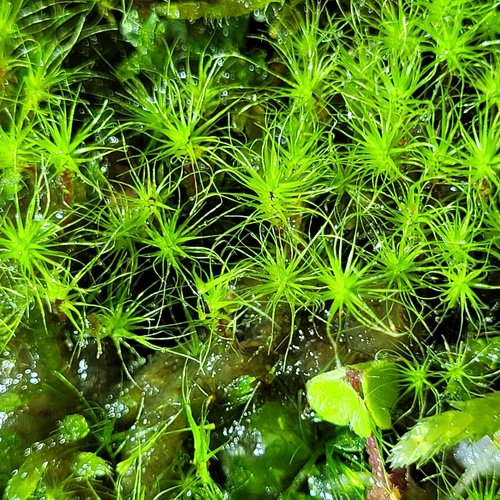
Denuded Dicranodontium Moss
VUDicranodontium denudatum
Denuded Dicranodontium Moss faces significant threats from habitat degradation and climate change impacts on its specialized montane environments. Air pollution, particularly acid deposition and nitrogen enrichment, poses serious risks to this sensitive bryophyte species. Conservation status may vary by region or assessment authority, but populations are declining due to cumulative environmental pressures.
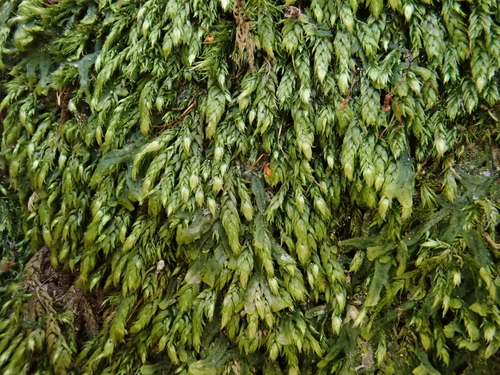
Depressed Feather-moss
CRTaxiphyllum wissgrillii
Depressed Feather-moss (Taxiphyllum wissgrillii) is critically endangered due to its extremely limited distribution and vulnerability to habitat degradation. The species faces severe threats from human activities that alter its specialized microhabitat requirements in moist, shaded environments. Climate change and increased frequency of disturbance events further compound the risk of extinction for this rare bryophyte.
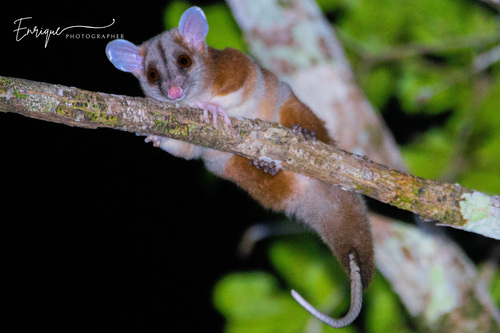
Derby’s Woolly Opossum
VUCaluromys derbianus
Derby's Woolly Opossum faces significant pressure from widespread deforestation and habitat fragmentation throughout its Central and South American range. Agricultural expansion, logging, and urban development continue to reduce and isolate forest patches, while the species' arboreal lifestyle makes it particularly vulnerable to canopy connectivity loss.
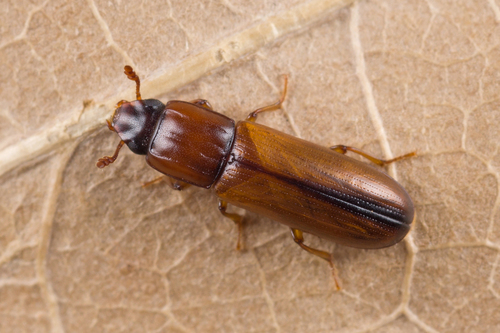
Dermeste à tête noire
CRAulonium trisulcum
Aulonium trisulcum, a saproxylic beetle species, faces severe population decline primarily due to the loss and degradation of old-growth forest habitats containing the dead wood substrates it requires for survival. The species' highly specialized ecological requirements and limited dispersal ability make it extremely vulnerable to habitat fragmentation and changes in forest management practices that reduce the availability of suitable breeding sites.

Devil's Tooth
ENHydnellum peckii
Devil's Tooth (Hydnellum peckii) is declining primarily due to habitat loss from deforestation and forest fragmentation, which destroys the old-growth coniferous forests it requires. Additionally, air pollution, particularly nitrogen deposition, alters soil chemistry and disrupts the delicate mycorrhizal relationships this fungus depends on for survival.
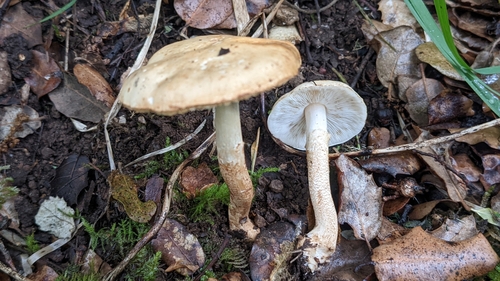
Dewdrop Dapperling
VUChamaemyces fracidus
The Dewdrop Dapperling faces significant threats from habitat degradation due to intensive forestry practices and urban development that alter the delicate microhabitat conditions required for its survival. Climate change poses additional risks by disrupting the moisture and temperature regimes essential for this small fungus, while pollution from agricultural runoff and atmospheric deposition further compromises its specialized ecological niche.
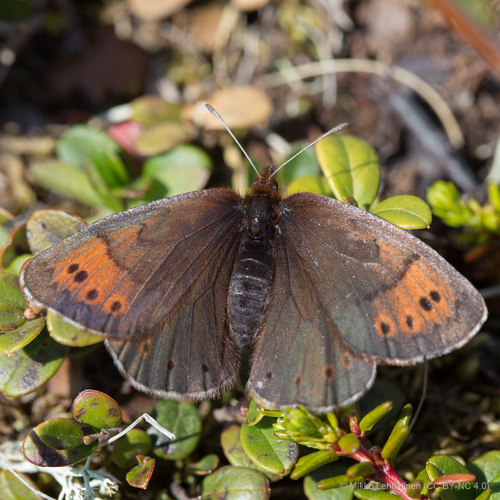
Dewy Ringlet
CRErebia pandrose
The Dewy Ringlet (Erebia pandrose) faces severe population declines primarily due to climate change impacts on its high-altitude alpine habitats. Rising temperatures are causing upward shifts in vegetation zones and reducing the availability of suitable cool, moist grassland habitats that this specialized butterfly requires. Habitat fragmentation and degradation from human activities further compound these climate-driven threats.
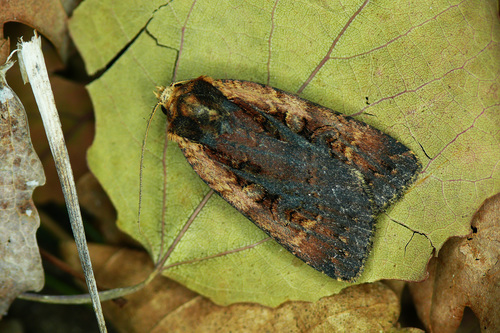
Diarsie du Cornouiller (La)
VUEugraphe sigma
Eugraphe sigma faces significant pressure from habitat degradation and fragmentation of its woodland environments, particularly affecting the availability of its host plants including dogwood species. Climate change and agricultural intensification are reducing suitable habitat patches, while light pollution disrupts its nocturnal behavior patterns essential for reproduction and feeding.
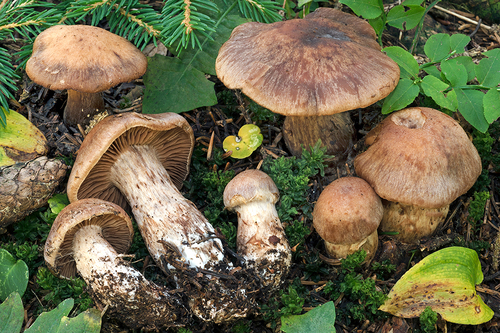
Dickfüßiger Gürtelfuß
VUCortinarius bovinus
The threats to Dickfüßiger Gürtelfuß (Cortinarius bovinus) have not been assessed, so the specific dangers this mushroom species faces are currently unknown. Without a proper threat assessment, scientists cannot determine what factors might be causing population declines or putting this species at risk. It is therefore impossible to determine whether threats to this species are intensifying, stable, or decreasing.
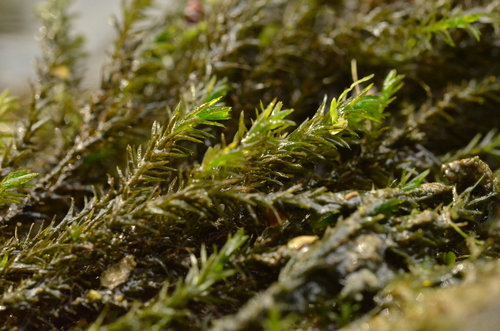
diknerfkribbenmos
CRCinclidotus danubicus
Cinclidotus danubicus, a moss species endemic to the Danube River basin, faces severe decline due to habitat degradation from river regulation and pollution. Dam construction and channelization have dramatically altered the natural flow regimes and substrate conditions essential for this aquatic moss. Water quality deterioration from agricultural runoff and industrial pollution further threatens the remaining populations.
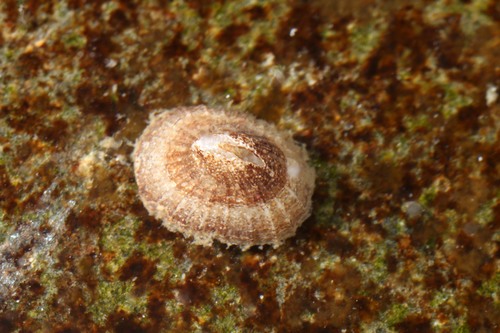
Diluvian Puncturella
ENPuncturella noachina
Puncturella noachina faces significant threats from ocean acidification and warming sea temperatures, which affect the species' ability to maintain its calcium carbonate shell structure. Coastal development and pollution further degrade the rocky intertidal and subtidal habitats where this marine gastropod depends for survival.
dimkrimmerlav
CRRinodina sheardii
Rinodina sheardii is critically endangered due to its extremely limited distribution and vulnerability to habitat degradation. This lichen species faces severe threats from air pollution, climate change, and human disturbance to its specialized rocky coastal habitats.
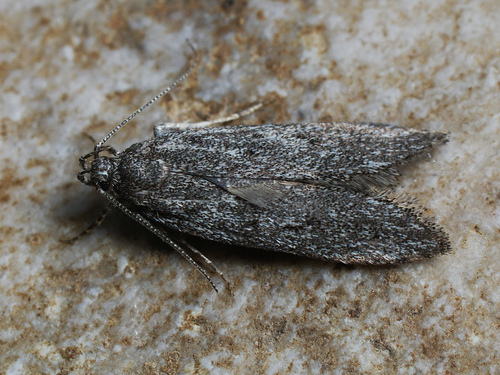
Dingy Neb, Loosestrife Miner
ENMonochroa conspersella
The Dingy Neb (Monochroa conspersella) is declining primarily due to habitat loss and degradation of wetland areas where its host plant, purple loosestrife, occurs naturally. Agricultural intensification, drainage of wetlands, and changes in water management practices have reduced suitable breeding sites for this specialized moth species.
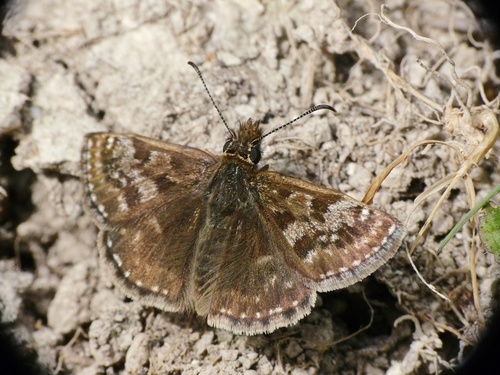
Dingy Skipper
CRErynnis tages
The Dingy Skipper has experienced severe population declines across much of its range due to habitat loss and degradation of its specialized grassland habitats. Agricultural intensification, abandonment of traditional grazing practices, and urban development have eliminated or fragmented the flower-rich grasslands and scrubland edges this species requires for breeding and feeding.
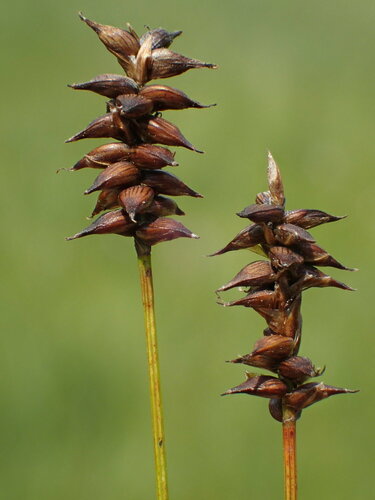
Dioecious Sedge
CRCarex dioica
Dioecious Sedge (Carex dioica) is critically endangered primarily due to habitat loss and degradation of its specialized wetland environments. The species requires specific hydrological conditions in calcareous fens and wet meadows, which have been severely reduced through drainage, agricultural intensification, and changes in land management practices.
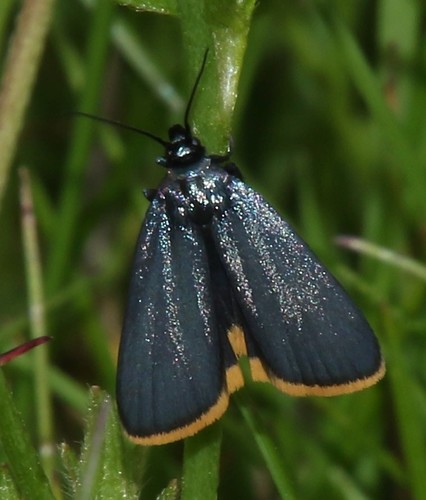
Diosie bordée
VUCatastia marginea
Catastia marginea faces significant pressure from habitat degradation and agricultural expansion across its range. The species' specialized habitat requirements make it particularly vulnerable to environmental changes and human encroachment into natural areas.

Dirty Rainfrog
ENPristimantis illotus
The Dirty Rainfrog faces severe population declines primarily due to habitat destruction from agricultural expansion and urban development in its limited montane range. Deforestation and land conversion for cattle ranching and crop cultivation have fragmented and eliminated much of its specialized cloud forest habitat.
Distant Goby
VULythrypnus insularis
The Distant Goby faces significant threats from habitat degradation and limited distribution across rocky reef environments in the Gulf of California. Climate change impacts, including ocean warming and acidification, pose additional risks to this endemic species' specialized coral and rocky reef habitats. The species' restricted range makes it particularly vulnerable to localized environmental disturbances and human activities.
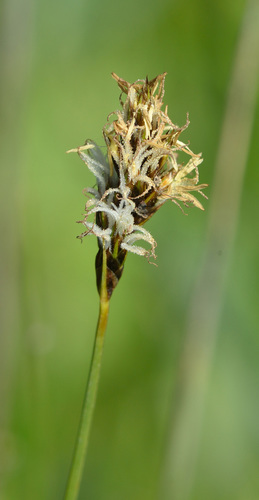
Divided Sedge
CRCarex divisa
Divided Sedge (Carex divisa) faces severe decline primarily due to habitat loss and degradation of coastal saltmarshes and brackish wetlands through urban development, agricultural conversion, and coastal engineering projects. Climate change-induced sea level rise and altered precipitation patterns further threaten the specific hydrological conditions this species requires.
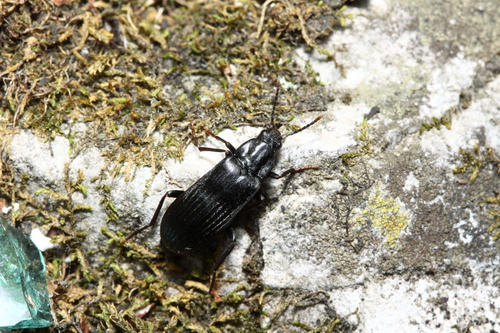
djupsvart brunbagge
CRMelandrya dubia
Melandrya dubia, the djupsvart brunbagge, is critically endangered primarily due to habitat loss from deforestation and forest management practices that remove the dead and decaying wood essential for its survival. This saproxylic beetle depends on specific microhabitats within old-growth forests, which have become increasingly rare and fragmented across its range.
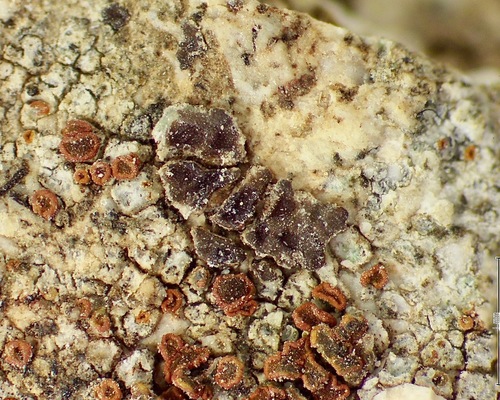
donker steenschubje
VUAcarospora nitrophila
Donker steenschubje faces significant threats from air pollution and nitrogen deposition, which alter the chemical composition of its rocky substrates and disrupt the delicate balance required for lichen survival. Urban development and quarrying activities destroy suitable rock surfaces, while climate change affects moisture regimes critical for this species' growth and reproduction.
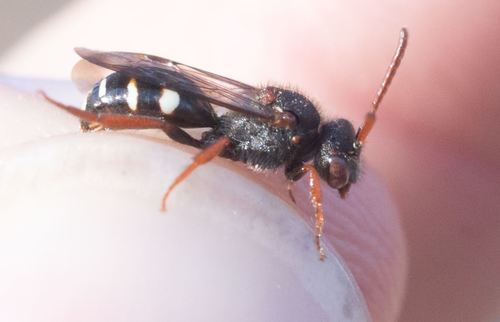
donkere dubbeltand
CRNomada obscura
Nomada obscura, a cuckoo bee species, faces severe population declines primarily due to habitat loss and degradation of natural grasslands and heathlands where its host species nest. The species is particularly vulnerable because it depends on specific host bee species for reproduction, making it susceptible to cascading effects when host populations decline. Agricultural intensification and urbanization have fragmented remaining suitable habitats across its European range.

donkere neon
CRNeon valentulus
The donkere neon faces severe population declines due to widespread habitat destruction from urban development and agricultural expansion throughout its limited range. Water pollution from industrial runoff and agricultural chemicals has significantly degraded the quality of its freshwater breeding sites, while climate change is altering precipitation patterns critical for its reproductive cycle.
donkere stekelpoot
VUZora nemoralis
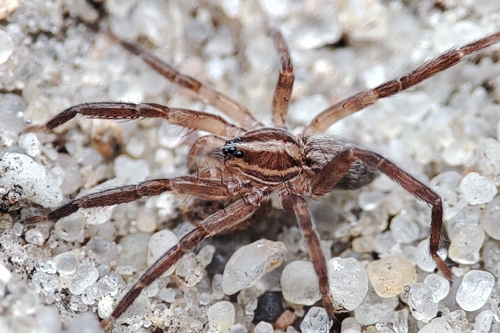
Zora nemoralis faces significant pressure from habitat fragmentation and degradation of forest ecosystems across its range. Urban development and agricultural expansion have reduced the availability of suitable woodland habitats, while climate change may be altering the microclimatic conditions this species requires for successful reproduction and prey availability.
Donkey
ENEquus asinus
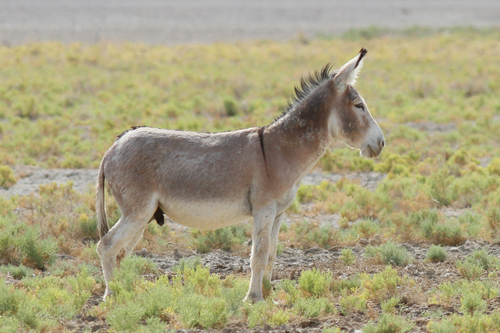
About 41 million donkeys were reported worldwide in 2006. Some researchers believe the actual number may be somewhat higher since many donkeys go uncounted.
Dot-winged crake
ENPorzana spiloptera
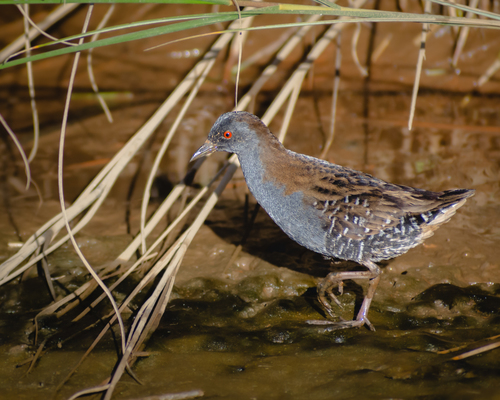
The Dot-winged Crake faces severe population declines primarily due to widespread habitat loss and degradation of wetland ecosystems throughout its range in South America. Agricultural expansion, urban development, and drainage of marshlands for cattle ranching have significantly reduced available breeding and foraging areas.
Dotted Hornwort
VUAnthoceros punctatus
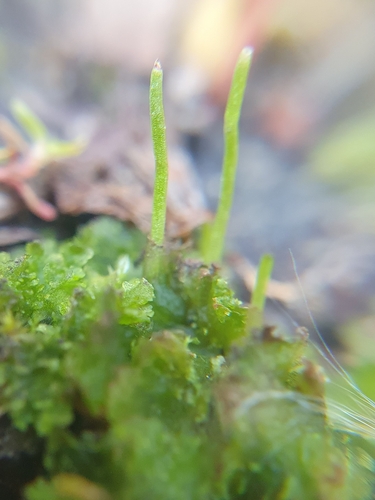
Dotted Hornwort faces significant threats from habitat loss and degradation as its specialized wetland and moist terrestrial habitats are increasingly impacted by human activities. The species' vulnerability is compounded by its limited dispersal ability and specific moisture requirements, making populations susceptible to environmental changes and fragmentation.
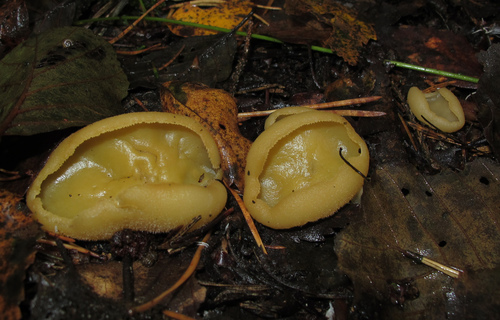
Dottergelber Wurzelbecherling
VUSowerbyella radiculata
Sowerbyella radiculata faces significant threats from habitat degradation and loss of suitable forest substrates due to logging, forest fragmentation, and climate change impacts on soil chemistry. The species' specialized ecological requirements and limited dispersal ability make it particularly vulnerable to environmental changes affecting its mycorrhizal associations and decomposing organic matter dependencies.
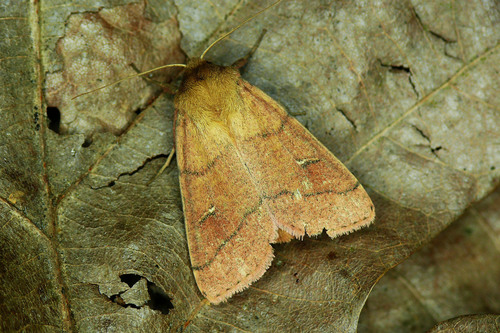
Double Line
VUMythimna turca
The Double Line (Mythimna turca) faces significant pressure from habitat loss due to agricultural intensification and urbanization across its range. Climate change is altering precipitation patterns and temperature regimes, affecting the availability of host plants and disrupting breeding cycles. Pesticide use in agricultural areas poses additional risks to both adult moths and larvae.
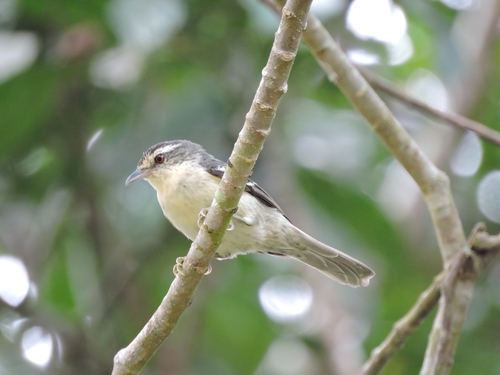
Double-banded Greytail
VUXenerpestes minlosi
The Double-banded Greytail faces significant pressure from habitat loss and fragmentation due to deforestation and agricultural expansion throughout its range in the Andes. Its specialized requirements for humid montane forests make it particularly vulnerable to climate change, which is shifting suitable habitat to higher elevations. The species' restricted range and small population size further increase its vulnerability to environmental changes and human disturbance.