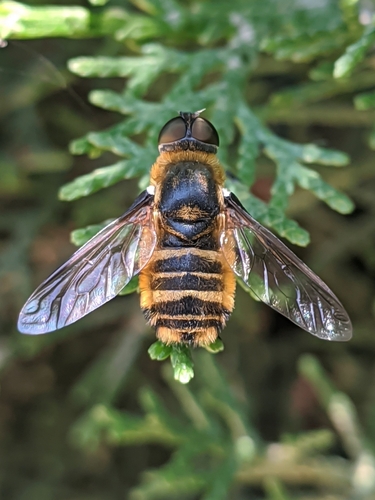
Downland Villa
Villa cingulata
Photo: iNaturalist: (c) aggranada, some rights reserved (CC BY-NC), uploaded by aggranada
Overview
The Downland Bee-fly (Villa cingulata) is a distinctive parasitoid fly species characterized by its robust, furry body and long proboscis used for nectar feeding. Adults are important pollinators of wildflowers, while their larvae parasitize the nests of solitary bees and wasps, playing a crucial role in regulating host populations within chalk grassland ecosystems.
The Downland Bee-fly faces significant threats from habitat loss and degradation of its specialized chalk downland and limestone grassland environments. Agricultural intensification, urban development, and changes in traditional grazing practices have reduced the availability of suitable habitat and the diverse wildflower communities this species depends on for nectar sources.
Habitat
Inhabits chalk downlands, limestone grasslands, and calcareous slopes with abundant wildflowers, particularly favoring areas with short turf and diverse flowering plants. Also found in coastal dunes, quarries, and other open calcareous habitats with suitable nectar sources and bare ground for ground-nesting activities.
Other threatened species in Bombyliidae
Threatened in Åland Islands


Frequently asked questions
Why is Downland Villa classified as Vulnerable?
Where does Downland Villa live?
What are the main threats to Downland Villa?
Get weekly conservation intelligence
One short digest a week of the most striking species and country data we ship, plus breaking conservation news paired with our database where it matters.
Free, no spam. One-click unsubscribe in every email.