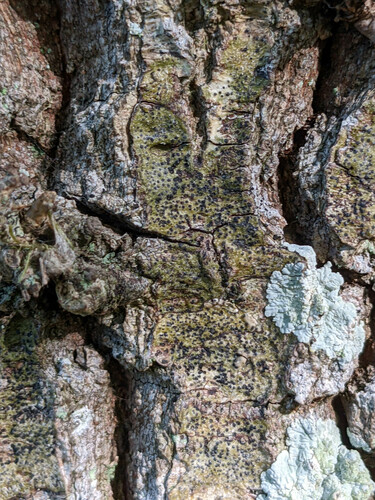
Pyrenula chlorospila
Photo: iNaturalist: (c) Valentin Hamon, some rights reserved (CC BY-NC), uploaded by Valentin Hamon
Overview
Pyrenula chlorospila is a crustose lichen species characterized by its thin, greenish-gray thallus with distinctive black perithecia containing spores. This lichen forms intimate symbiotic relationships with photosynthetic algae and plays a crucial ecological role in nutrient cycling and as a pioneer species in forest succession.
Pyrenula chlorospila faces significant threats from habitat degradation and loss due to air pollution, urbanization, and climate change affecting its specialized lichen communities. As a crustose lichen species with specific substrate and air quality requirements, it is particularly vulnerable to environmental changes that alter bark chemistry and atmospheric conditions in its forest habitats.
Habitat
This crustose lichen species typically grows on the bark of deciduous and coniferous trees in temperate and boreal forests, particularly favoring areas with stable moisture conditions and clean air quality. It is commonly found in mature forest ecosystems where it forms part of the epiphytic lichen community on tree trunks and branches.
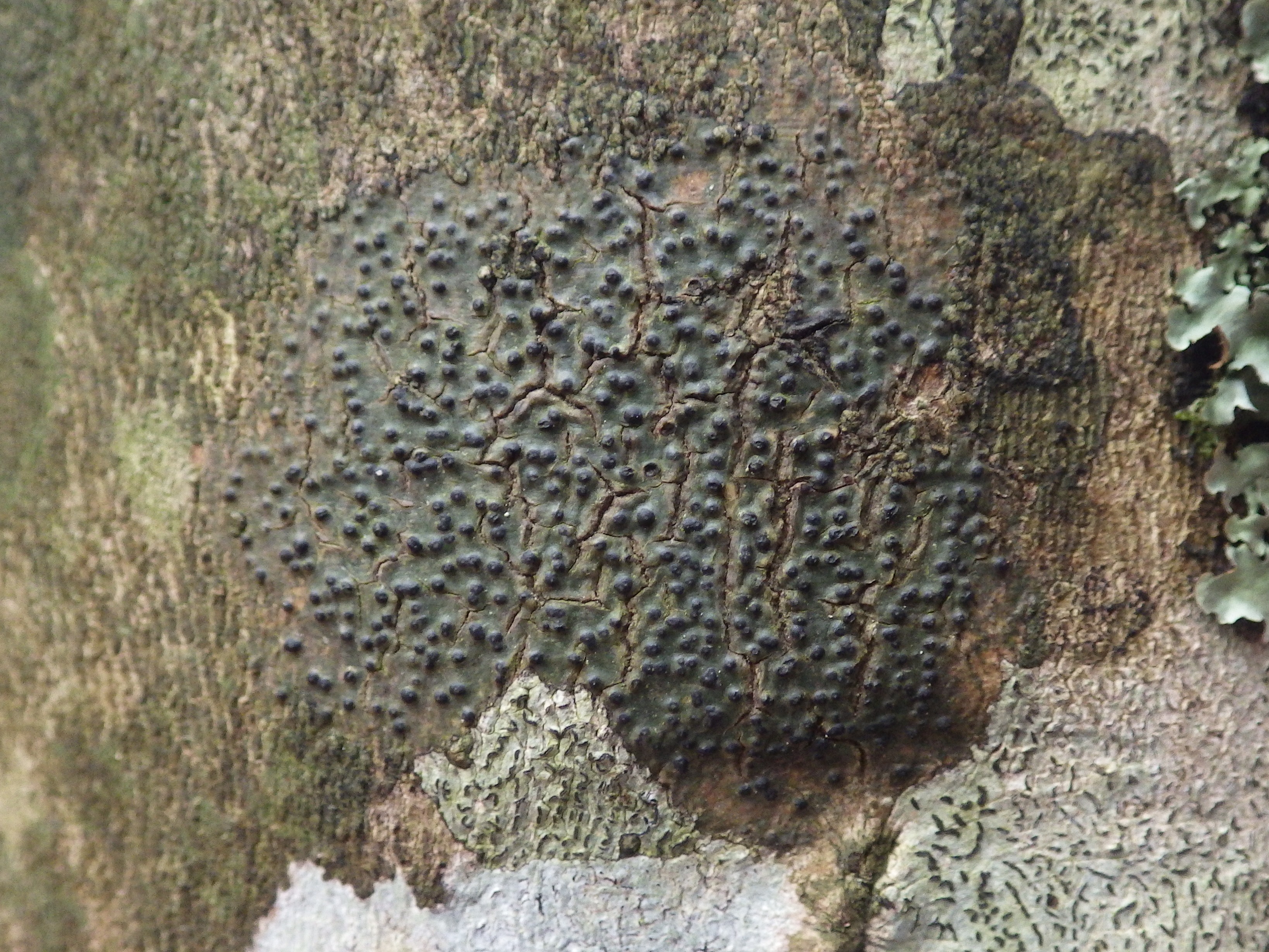
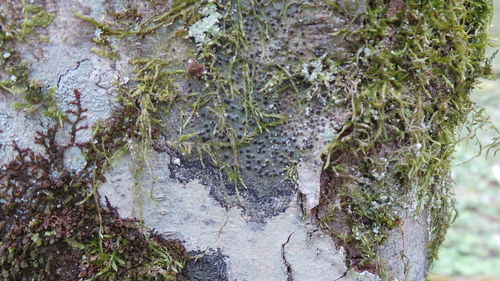
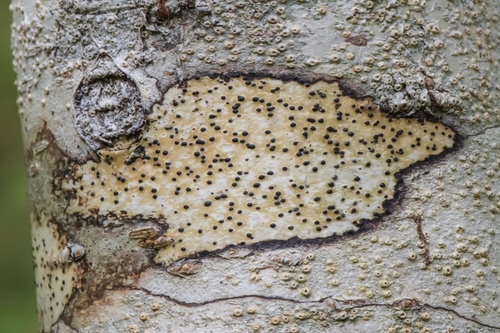
Other threatened species in Pyrenulaceae

Frequently asked questions
Why is Pyrenula chlorospila classified as Vulnerable?
Where does Pyrenula chlorospila live?
What are the main threats to Pyrenula chlorospila?
Get weekly conservation intelligence
One short digest a week of the most striking species and country data we ship, plus breaking conservation news paired with our database where it matters.
Free, no spam. One-click unsubscribe in every email.