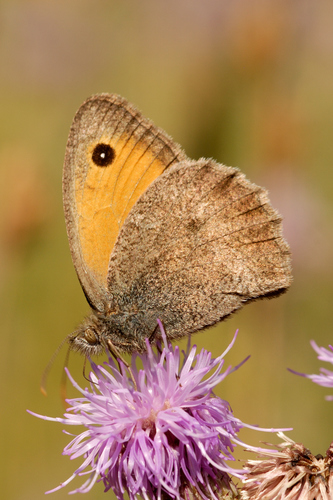
Dusky Meadow Brown
Hyponephele lycaon
Photo: iNaturalist: (c) Roberto Sindaco, some rights reserved (CC BY-NC-SA), uploaded by Roberto Sindaco
Overview
Hyponephele lycaon, the dusky meadow brown, is a butterfly species belonging to the family Nymphalidae. It is broadly distributed in the temperate zone of the Palearctic from Portugal in the west to the Russian Far East in the east.
The Dusky Meadow Brown butterfly faces severe population declines primarily due to habitat loss and degradation of its specialized grassland ecosystems. Agricultural intensification, urbanization, and changes in land management practices have fragmented and destroyed the species' remaining habitat patches. Climate change may further exacerbate these pressures by altering the composition and quality of grassland communities that support this butterfly's lifecycle.
Other threatened species in Nymphalidae


Frequently asked questions
Why is Dusky Meadow Brown classified as Critically Endangered?
Where does Dusky Meadow Brown live?
What are the main threats to Dusky Meadow Brown?
Get weekly conservation intelligence
One short digest a week of the most striking species and country data we ship, plus breaking conservation news paired with our database where it matters.
Free, no spam. One-click unsubscribe in every email.