Species Explorer
Browse and search species from the IUCN Red List and GBIF.
54,666 species

Cidarie du Cornouiller (La)
ENAsthena anseraria
Asthena anseraria is declining primarily due to habitat loss and degradation of its specialized woodland environments. The species depends on specific host plants and forest conditions that are increasingly fragmented by human activities and climate change.
Ciego
ENCetopsis motatanensis
Cetopsis motatanensis faces severe threats from habitat degradation due to deforestation, agricultural expansion, and water pollution in its limited range within the Lake Maracaibo basin. The species' restricted distribution makes it particularly vulnerable to localized environmental changes and human activities that alter water quality and flow patterns.

Cinnabar Oysterling
CRCrepidotus cinnabarinus
The Cinnabar Oysterling faces severe decline primarily due to habitat loss from deforestation and land conversion in its limited range. As a specialized fungus dependent on specific host trees and forest conditions, it is extremely vulnerable to environmental changes and has very restricted distribution making populations fragile.

Cinnabar Powdercap
VUCystodermella cinnabarina
The Cinnabar Powdercap faces significant threats from habitat loss due to deforestation and forest fragmentation, which reduces the availability of suitable decaying wood substrates essential for its survival. Climate change poses additional risks by altering forest moisture regimes and temperature patterns that this species depends on for reproduction and growth.
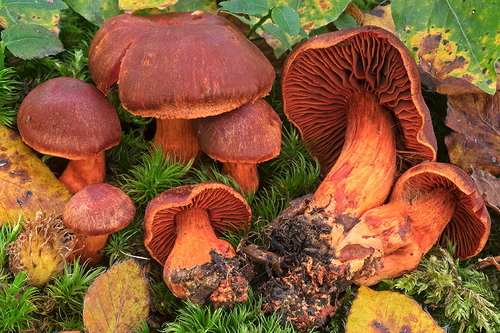
Cinnabar Webcap
VUCortinarius cinnabarinus
The Cinnabar Webcap faces significant threats from habitat loss due to deforestation and forest fragmentation, which destroys the specific mycorrhizal relationships this fungus requires with its host trees. Climate change poses additional risks by altering temperature and moisture regimes that are critical for fruiting body development and spore dispersal. Pollution and soil contamination from agricultural runoff and industrial activities further degrade the forest ecosystems where this species occurs.

Cinnamon-breasted Tody-tyrant
ENHemitriccus cinnamomeipectus
The Cinnamon-breasted Tody-tyrant faces severe population decline primarily due to extensive deforestation and habitat fragmentation in Peru's cloud forests. Agricultural expansion, logging, and infrastructure development have dramatically reduced the species' already limited montane forest habitat, leaving only small, isolated forest patches that cannot sustain viable populations.
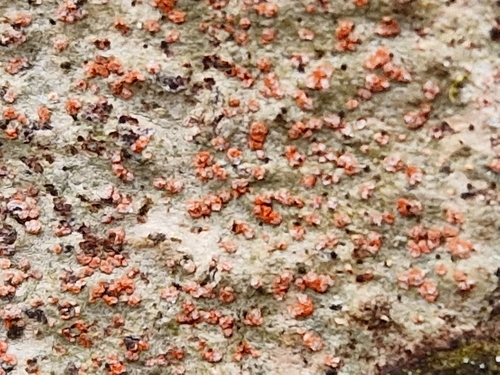
cinnoberfläck
CRConiocarpon cinnabarinum
Coniocarpon cinnabarinum, a crustose lichen species, faces severe population declines primarily due to habitat loss from deforestation and air pollution. The species is particularly vulnerable to changes in air quality and forest fragmentation, as lichens are highly sensitive bioindicators that require specific environmental conditions to survive.

Circumpolar sedge
VUCarex adelostoma
Circumpolar sedge faces significant threats from climate change, which is altering Arctic and subarctic ecosystems where this species occurs. Habitat degradation from human activities, changing precipitation patterns, and warming temperatures are disrupting the delicate wetland environments this sedge depends upon for survival.
Citroensteelsatijnzwam
VUEntoloma chloropolium
Citroensteelsatijnzwam faces significant threats from habitat degradation and loss of suitable forest ecosystems due to urbanization, agricultural expansion, and intensive forestry practices. Climate change and pollution are additionally impacting the delicate soil chemistry and mycorrhizal relationships essential for this fungal species' survival.
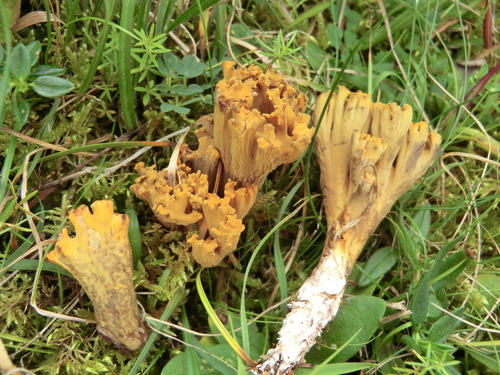
Clavaire noircissante
ENPhaeoclavulina macrospora
Phaeoclavulina macrospora faces severe decline primarily due to habitat loss from deforestation and forest fragmentation in its limited range. The species is particularly vulnerable due to its specialized ecological requirements and small population size, making it highly susceptible to environmental changes and human disturbance.

Clavaire variable
ENRamaria fennica
Ramaria fennica is declining primarily due to habitat loss and degradation of old-growth coniferous forests where it forms mycorrhizal associations. The species is particularly vulnerable to forestry practices that remove mature trees and alter forest structure, as well as environmental changes that affect its fungal ecology.

Cleopatra
VUGonepteryx cleopatra
The Cleopatra butterfly faces mounting pressure from habitat loss and fragmentation as Mediterranean scrublands and woodlands are converted for agriculture and urban development. Climate change poses additional risks by altering the distribution and phenology of its host plants, while increased frequency of droughts and extreme weather events further threaten population stability across its range.
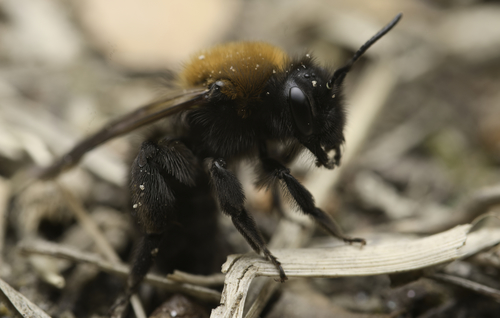
Cliff Mining Bee
ENAndrena thoracica
The Cliff Mining Bee faces severe population declines primarily due to habitat loss from coastal development and quarrying activities that destroy its specialized cliff-face nesting sites. Climate change and sea-level rise pose additional threats to its limited coastal habitat, while agricultural intensification reduces available foraging resources in surrounding areas.
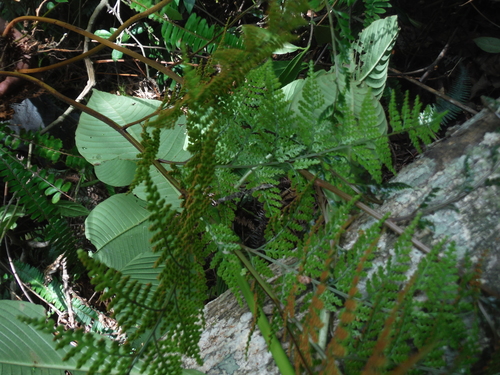
climbing woodfern
ENMaxonia apiifolia
The climbing woodfern (Maxonia apiifolia) is primarily threatened by habitat loss and degradation due to deforestation, agricultural expansion, and urban development in its limited range. The species' restricted distribution makes it particularly vulnerable to localized threats and environmental changes.

Clouded Apollo
VUParnassius mnemosyne
The Clouded Apollo faces significant population declines across its European range due to habitat loss and fragmentation from agricultural intensification, urbanization, and abandonment of traditional land management practices. Climate change poses additional threats by altering the distribution and phenology of both the butterfly and its host plants, while the species' specialized ecological requirements make it particularly vulnerable to environmental changes.

Clouded Magpie
VUAbraxas sylvata
The Clouded Magpie faces significant pressure from habitat loss and fragmentation as deciduous and mixed woodlands are cleared for agriculture and urban development across its range. Climate change is altering the timing of host plant availability, disrupting the species' reproductive cycle and larval development. Pollution and pesticide use in agricultural areas adjacent to woodland habitats further threaten both adult moths and their caterpillars.
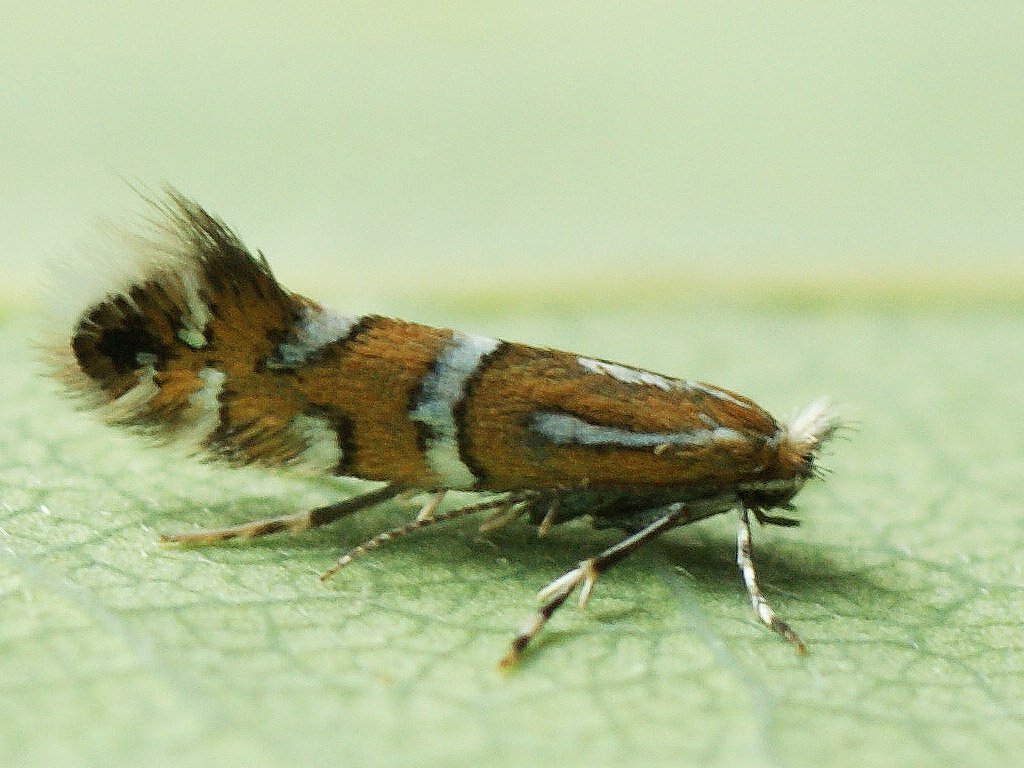
Clover midget
CRPhyllonorycter insignitella
The Clover midget (Phyllonorycter insignitella) faces severe population decline primarily due to habitat loss and degradation of its specialized clover host plants. Agricultural intensification, including the use of pesticides and conversion of traditional grasslands, has significantly reduced suitable breeding sites. Climate change may also be affecting the synchronization between the moth's life cycle and its host plant availability.
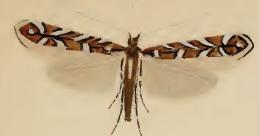
Clover slender
ENParectopa ononidis
The Clover slender moth (Parectopa ononidis) is declining primarily due to habitat loss and degradation of its specialized host plant communities. Agricultural intensification, urban development, and changes in land management practices have reduced the availability of suitable breeding sites where its larval host plants occur.
clownfibbla
CRHieracium ludificans
Hieracium ludificans faces severe population declines due to habitat destruction from agricultural expansion and urban development across its limited range. The species is particularly vulnerable to invasive plant species that outcompete it for resources, while climate change is altering the specific montane conditions it requires for survival.
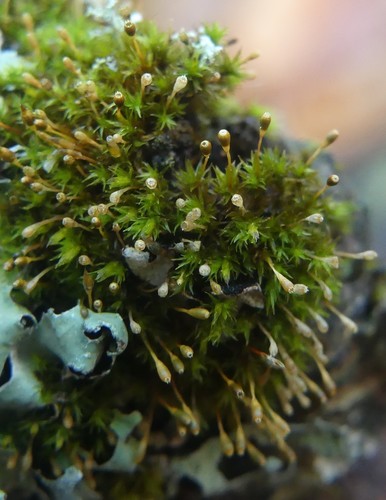
Club Pincushion Moss
VUUlota coarctata
Club Pincushion Moss faces significant threats from air pollution, particularly nitrogen deposition and sulfur compounds, which alter the chemical composition of its bark substrates and reduce population viability. Habitat loss through deforestation and urban development has fragmented populations, while climate change is shifting suitable habitat ranges and altering moisture regimes critical for this epiphytic species.

Clubione simple
VUClubiona trivialis
Clubiona trivialis faces significant threats from habitat degradation and fragmentation due to agricultural intensification and urban development across its range. The species' dependence on specific microhabitat conditions makes it particularly vulnerable to environmental changes, while pesticide use in agricultural areas poses additional risks to local populations.

Clustered Bracket
VUInonotus cuticularis
The Clustered Bracket (Inonotus cuticularis) is declining primarily due to habitat loss from deforestation and forest degradation, which removes the old-growth deciduous trees it depends on as a host. Additionally, air pollution and climate change are affecting the delicate ecological conditions required for this fungal species to thrive.
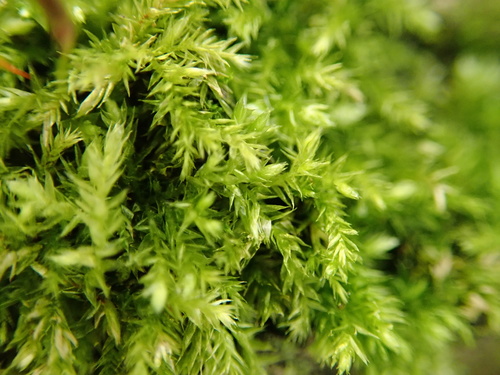
Clustered Feather-moss
VURhynchostegium confertum
Clustered Feather-moss faces significant threats from habitat degradation and loss due to urbanization, agricultural expansion, and changes in land use practices that alter its specialized growing conditions. Climate change poses additional risks through altered precipitation patterns and temperature fluctuations that can disrupt the delicate moisture balance required for moss survival and reproduction.
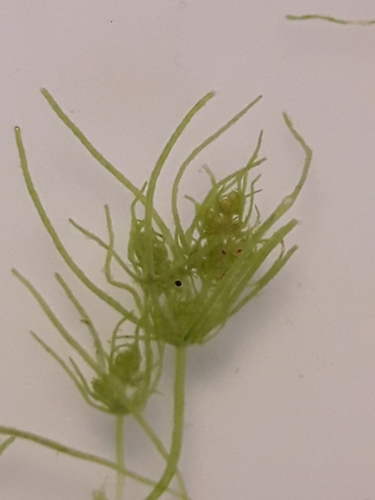
Clustered Stonewort
VUTolypella glomerata
Clustered Stonewort faces significant threats from habitat degradation and loss of suitable freshwater environments. Water pollution, eutrophication, and human disturbance of aquatic ecosystems have contributed to population declines across its range, making this charophyte algae vulnerable to extinction.
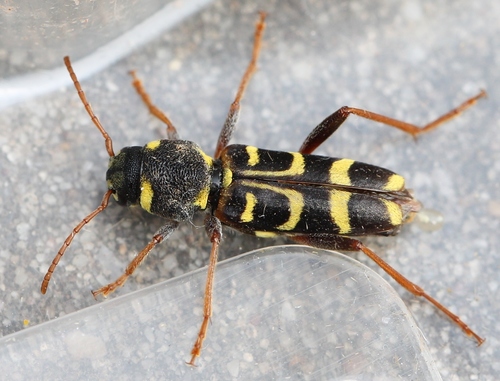
Clyte apaisé
CRXylotrechus arvicola
Xylotrechus arvicola faces severe population decline primarily due to habitat loss from deforestation and agricultural expansion, which destroys the old-growth forests it depends on for breeding. The species is also threatened by climate change affecting its host tree species and collection pressure from entomologists due to its rarity.
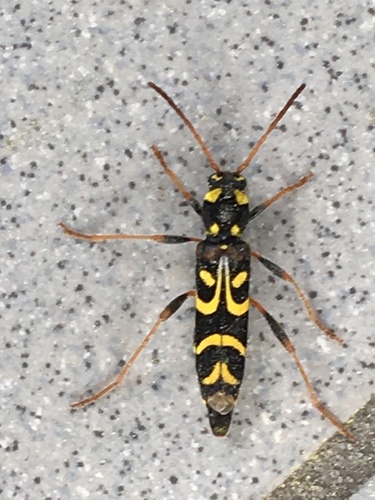
Clyte fâché
CRClytus tropicus
Clytus tropicus faces severe population declines due to widespread deforestation and habitat fragmentation across its tropical range. The species' dependence on specific host tree species makes it particularly vulnerable to logging operations and agricultural conversion, while climate change is altering the composition of forest ecosystems critical for its survival.
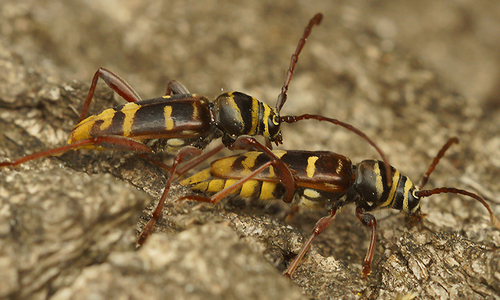
Clyte frelon
CRPlagionotus detritus
Plagionotus detritus faces severe population decline primarily due to habitat loss from deforestation and urbanization of its native forest ecosystems. The species' dependence on specific host tree species makes it particularly vulnerable to forest fragmentation and degradation. Climate change may further exacerbate these pressures by altering the distribution and health of its required host plants.
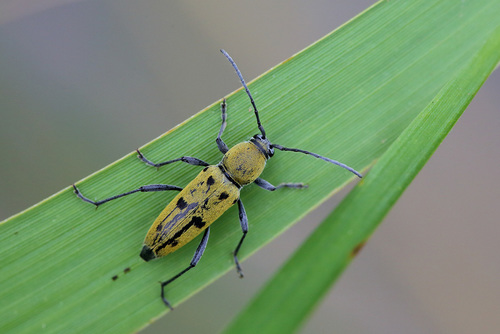
Clyte poilu
ENChlorophorus glabromaculatus
Chlorophorus glabromaculatus faces severe population declines primarily due to habitat destruction from deforestation and agricultural expansion in its limited range. The species' specialized habitat requirements and small population size make it particularly vulnerable to environmental changes and human disturbance.

Clyte théologien
CRAnaglyptus mysticus
Clyte théologien faces severe population declines due to widespread habitat destruction from deforestation and urbanization across its European range. The species' dependence on mature deciduous forests with specific host trees makes it particularly vulnerable to forest fragmentation and climate-induced changes in forest composition.
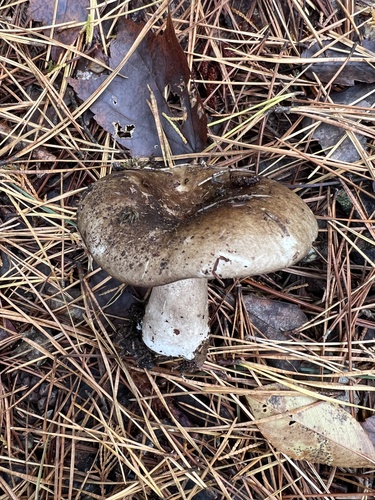
Coal Brittlegill
VURussula anthracina
Coal Brittlegill faces significant threats from habitat loss due to deforestation and forest fragmentation, which reduces the availability of suitable host trees essential for this mycorrhizal fungus. Climate change poses additional risks by altering forest composition and moisture regimes that this species depends on for reproduction and survival.

Coastal Leaf-cutter Bee
VUMegachile maritima
The Coastal Leaf-cutter Bee faces significant threats from coastal development and habitat loss as human activities increasingly encroach upon its specialized shoreline nesting sites. Climate change poses additional risks through sea level rise and increased storm intensity, which can destroy nesting areas and alter the availability of native flowering plants essential for foraging. The species' restricted coastal distribution makes it particularly vulnerable to these localized but intensive pressures.
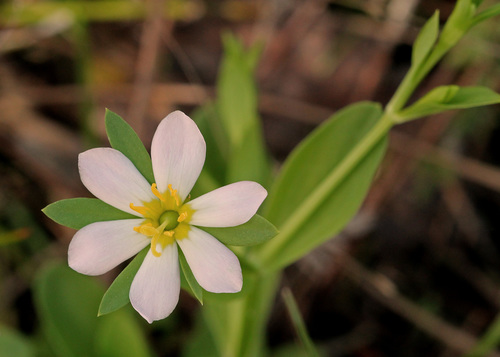
coastal rose gentian
CRSabatia calycina
Coastal rose gentian faces severe threats primarily from habitat loss due to coastal development, sea level rise, and human disturbance of its specialized salt marsh and coastal prairie habitats. The species' extremely limited range and small population size make it highly vulnerable to stochastic events and further habitat degradation.
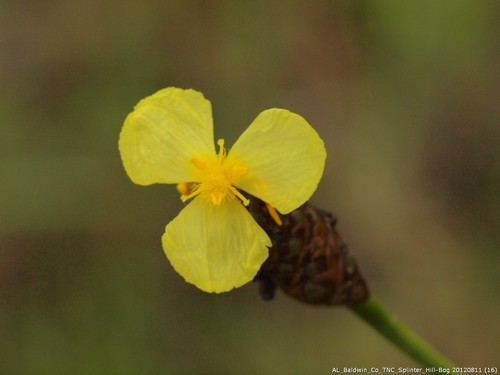
Coastalplain Yelloweyed Grass
ENXyris ambigua
Coastalplain Yelloweyed Grass faces severe population declines primarily due to habitat loss from coastal development, agricultural conversion, and wetland drainage. The species' specialized habitat requirements and limited distribution make it particularly vulnerable to human activities that alter or destroy its native wetland ecosystems.
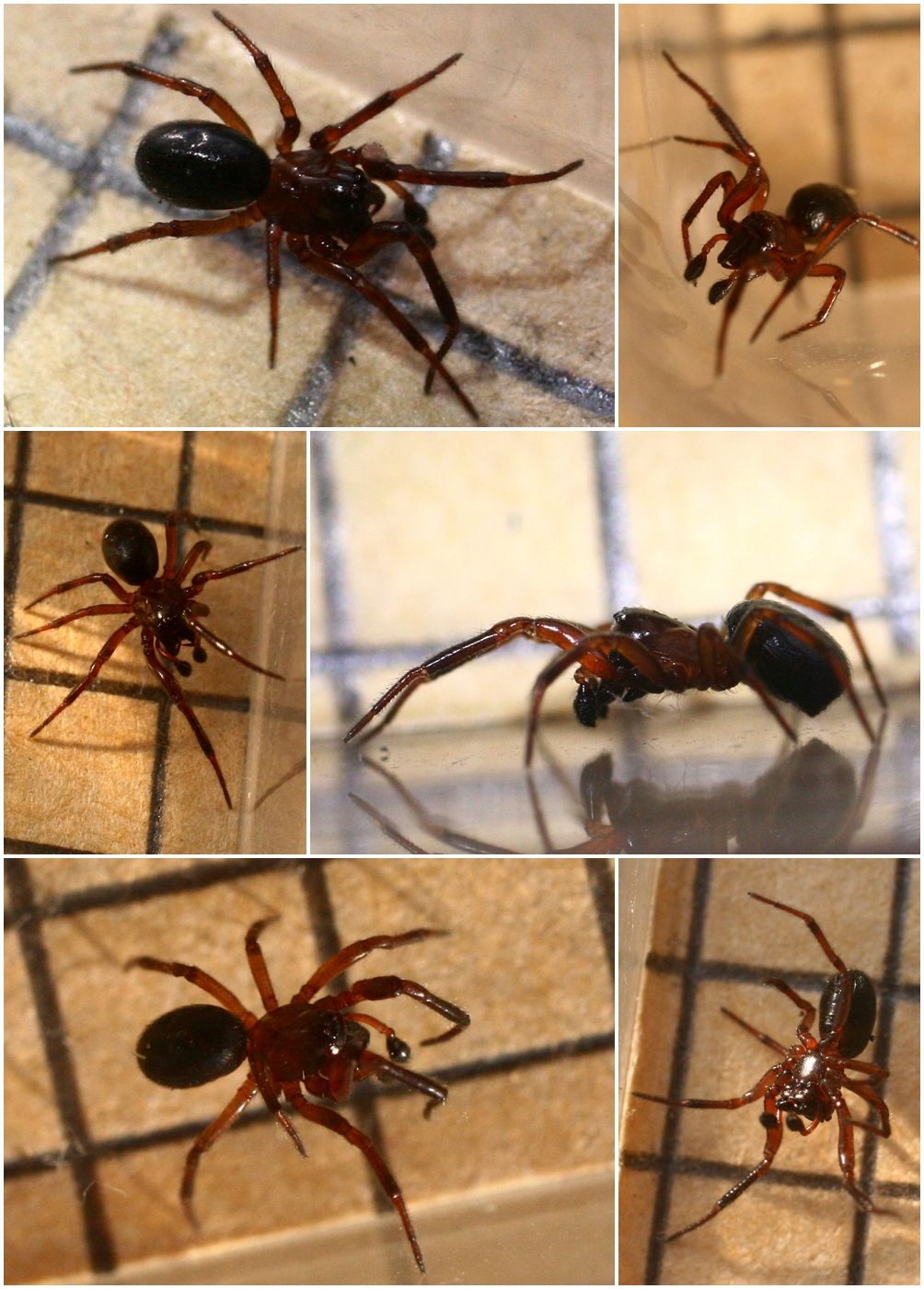
Cobweb spider
VUEnoplognatha thoracica
Enoplognatha thoracica faces significant threats from habitat degradation and fragmentation of its specialized microhabitats. Climate change and human disturbance to vegetation communities where this cobweb spider builds its webs are reducing suitable habitat availability and connectivity between populations.

Cochran Frog
VUNymphargus cochranae
Nymphargus cochranae faces significant threats from habitat destruction due to deforestation, agricultural expansion, and urban development within its limited range in the Colombian Andes. The species is particularly vulnerable to climate change impacts on montane cloud forest ecosystems, while pollution from agricultural runoff and mining activities degrades the pristine stream habitats essential for its reproduction.
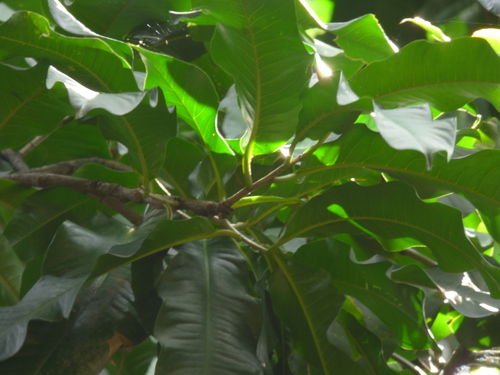
Coco Cristal
VULecythis tuyrana
Coco Cristal faces significant pressure from deforestation and habitat fragmentation across its limited range in Central America. The species' dependence on mature forest ecosystems makes it particularly vulnerable to logging activities and agricultural expansion, while its restricted distribution increases extinction risk from localized threats.

Coelote terrestre
VUCoelotes terrestris
Coelotes terrestris faces significant threats from habitat degradation and fragmentation due to urbanization and agricultural expansion in its native range. Climate change poses additional risks by altering the microhabitat conditions essential for this ground-dwelling spider species, while pollution and pesticide use in agricultural areas further compromise population stability.

cohune palm
ENAttalea cohune
The cohune palm faces severe population decline primarily due to extensive deforestation and habitat conversion for agriculture, cattle ranching, and urban development across its Central American range. Additional pressures include overharvesting of nuts for local consumption and commercial use, along with climate change impacts affecting rainfall patterns in its native ecosystems.
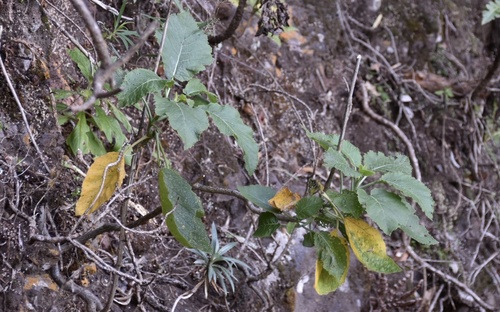
Col de Risco
CRCrambe feuilleei
Crambe feuilleei is critically endangered due to its extremely restricted range on the remote island of Deserta Grande in the Madeira archipelago, where it faces severe habitat degradation from invasive plant species and historical overgrazing. The species' tiny population size and limited genetic diversity make it highly vulnerable to stochastic events and environmental changes.
Colique
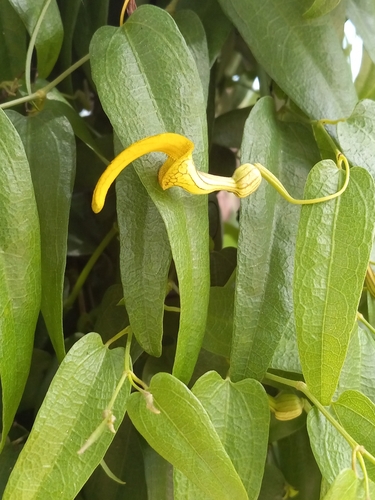
CRAristolochia linearifolia
Aristolochia linearifolia faces severe threats primarily from habitat destruction due to agricultural expansion and urban development in its limited range. The species' extremely restricted distribution makes it particularly vulnerable to localized threats, with small population sizes increasing extinction risk from stochastic events.

Collared pedunculate ground beetle
VUClivina collaris
The Collared pedunculate ground beetle faces significant threats from habitat loss and degradation due to agricultural intensification and urban development in its specialized wetland environments. Climate change poses additional risks through altered precipitation patterns and temperature regimes that affect soil moisture levels critical for this species' survival. Conservation status may vary by region or assessment authority, but populations are declining due to the cumulative impacts of human activities on riparian and wetland ecosystems.
Colletid bee
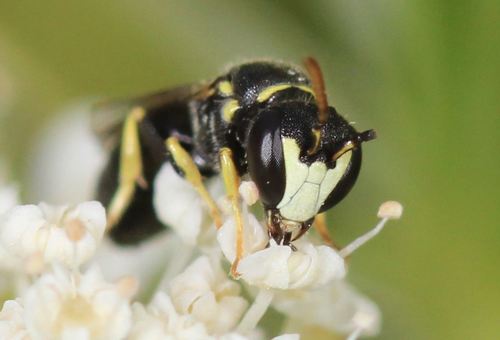
CRHylaeus pictipes
Hylaeus pictipes, the yellow-faced bumble bee, faces severe population declines primarily due to habitat loss from urban development and agricultural intensification in its native Hawaiian range. The species is also threatened by invasive plant species that alter native ecosystems and competition from introduced bee species that may outcompete it for limited floral resources.
Collybie à poils ras, Collybie à long pied
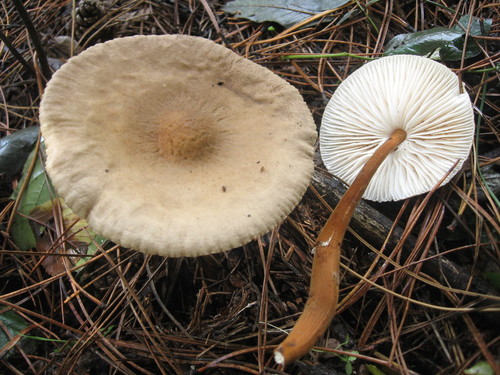
VUXerula pudens
Xerula pudens faces significant threats from habitat loss and degradation due to deforestation and forest fragmentation across its range. As a specialized saprobic fungus dependent on specific deadwood substrates in mature forest ecosystems, it is particularly vulnerable to logging activities and forest management practices that remove decaying wood. Climate change may also be altering the moisture and temperature conditions necessary for its fruiting and spore dispersal.
Coloma's Noble-Rainfrog
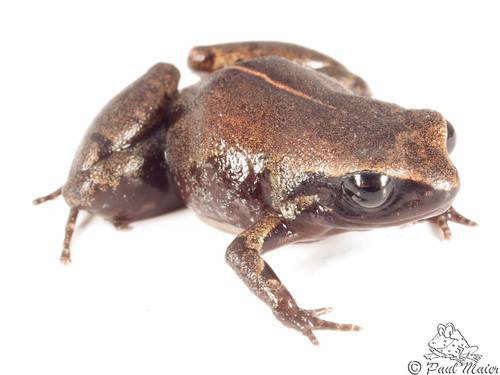
CRNoblella coloma
Coloma's Noble-Rainfrog faces severe threats primarily from habitat destruction due to deforestation, agricultural expansion, and human settlement in its limited montane forest range in Ecuador. The species' extremely restricted distribution makes it particularly vulnerable to local environmental changes and habitat fragmentation.
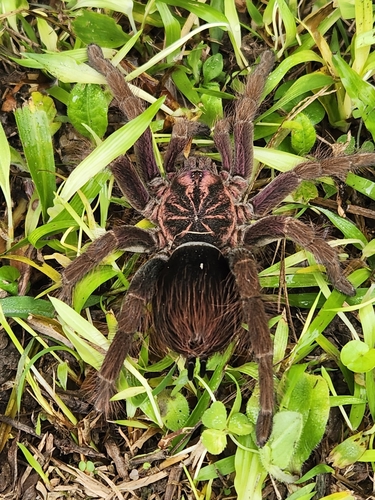
Colombian brown tarantula
ENPamphobeteus fortis
The Colombian brown tarantula faces severe population declines primarily due to habitat destruction from deforestation, agricultural expansion, and urban development in its limited range. Collection pressure for the international pet trade has further reduced wild populations of this endemic species.

Colombian giant tarantula
VUMegaphobema robustum
The Colombian giant tarantula faces significant pressure from habitat destruction due to deforestation and agricultural expansion in Colombia's tropical regions. Collection for the international pet trade and human persecution due to fear and misunderstanding further threaten populations of this large arachnid.

Colombian lesserblack tarantula
ENXenesthis immanis
The Colombian lesserblack tarantula faces severe population decline primarily due to habitat destruction from deforestation, agricultural expansion, and urban development in its limited range. Collection pressure for the international pet trade has further reduced wild populations of this endemic Colombian species.

Colombian Mahogany
CRCariniana pyriformis
Colombian Mahogany faces severe population decline primarily due to extensive deforestation and habitat destruction throughout its native range in Colombia's tropical forests. The species is heavily exploited for its valuable timber, leading to overexploitation of remaining populations. Agricultural expansion and urban development have further fragmented and reduced suitable habitat.
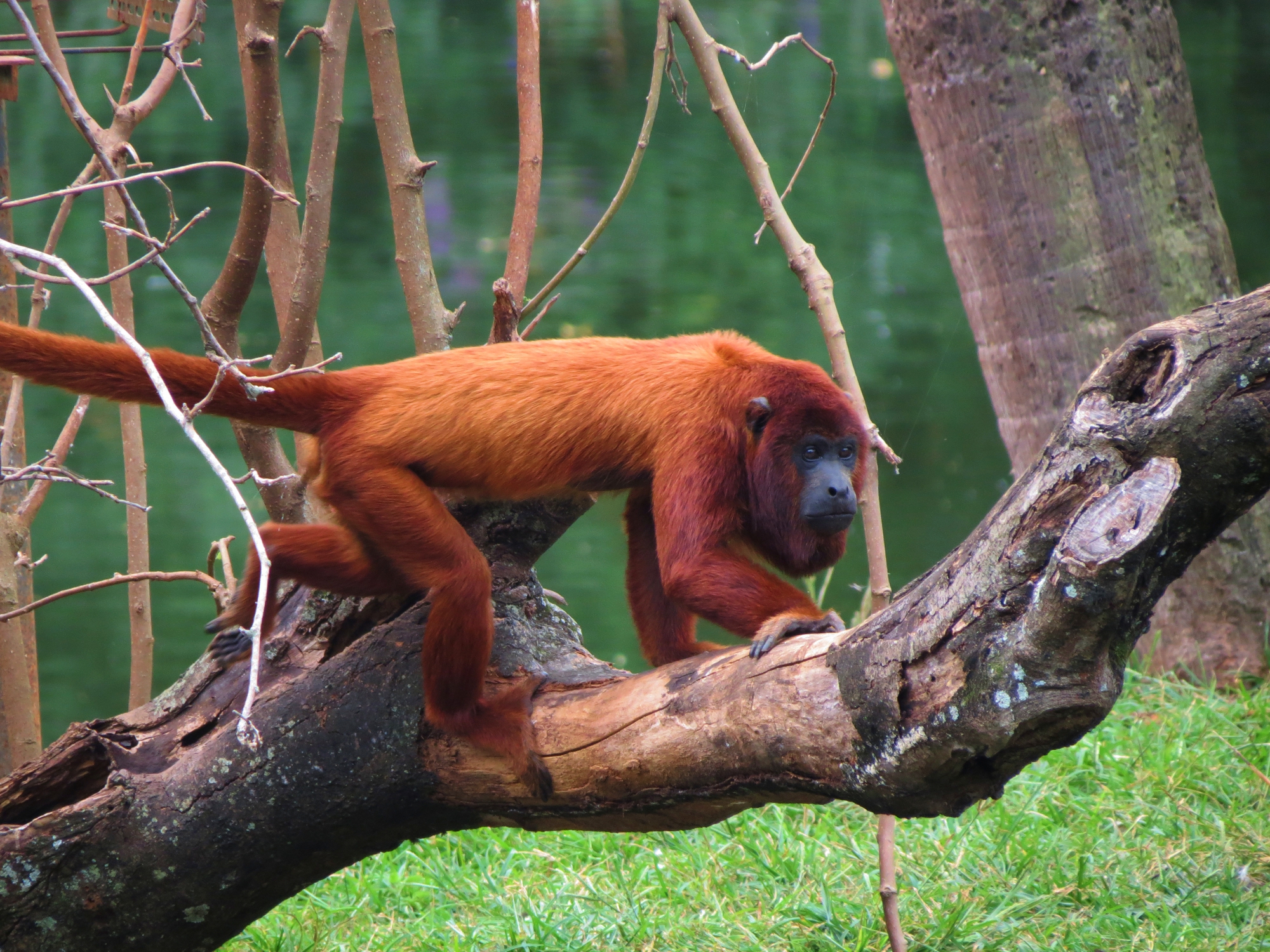
Colombian Red Howler
ENAlouatta seniculus
The Colombian Red Howler faces severe population declines primarily due to extensive deforestation and habitat fragmentation across its range in South America. Agricultural expansion, cattle ranching, logging, and human settlement development have dramatically reduced and isolated forest patches, making populations vulnerable to local extinctions.
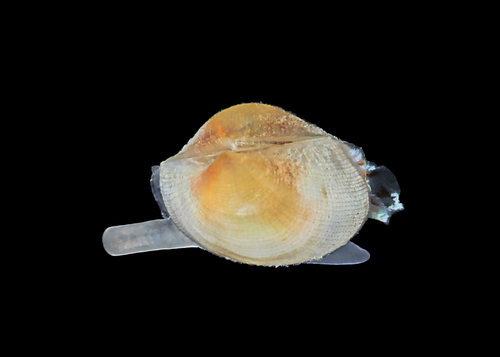
comb bathyark
VUBathyarca pectunculoides
The comb bathyark faces significant threats from deep-sea fishing activities, particularly bottom trawling, which physically damages its benthic habitat and directly removes individuals from populations. Climate change-induced ocean acidification poses an additional threat by affecting the species' ability to maintain its calcium carbonate shell, while deep-sea mining activities increasingly threaten the integrity of its seafloor environment.