Hieracium ludificans
Overview
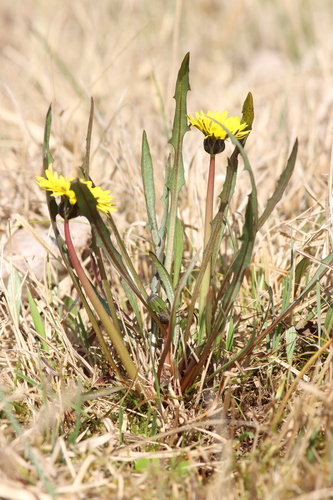
The clownfibbla (Hieracium ludificans) is a distinctive hawkweed species characterized by its vibrant orange and yellow striped flower heads that bloom in irregular, almost whimsical patterns. This perennial herb plays a crucial role as a specialized pollinator plant for several endemic alpine butterfly species and serves as a key indicator species for high-altitude meadow ecosystem health.
Hieracium ludificans faces severe population declines due to habitat destruction from agricultural expansion and urban development across its limited range. The species is particularly vulnerable to invasive plant species that outcompete it for resources, while climate change is altering the specific montane conditions it requires for survival.
Habitat
Montane grasslands, alpine meadows, and rocky slopes between 1,200-2,800m elevation, typically in areas with well-drained soils and moderate moisture. The species shows preference for disturbed ground along mountain trails and forest edges where competition from woody vegetation is reduced.
Other threatened species in Asteraceae

Frequently asked questions
Why is Hieracium ludificans classified as Critically Endangered?
Where does Hieracium ludificans live?
What are the main threats to Hieracium ludificans?
Get weekly conservation intelligence
One short digest a week of the most striking species and country data we ship, plus breaking conservation news paired with our database where it matters.
Free, no spam. One-click unsubscribe in every email.