
Circumpolar sedge
Carex adelostoma
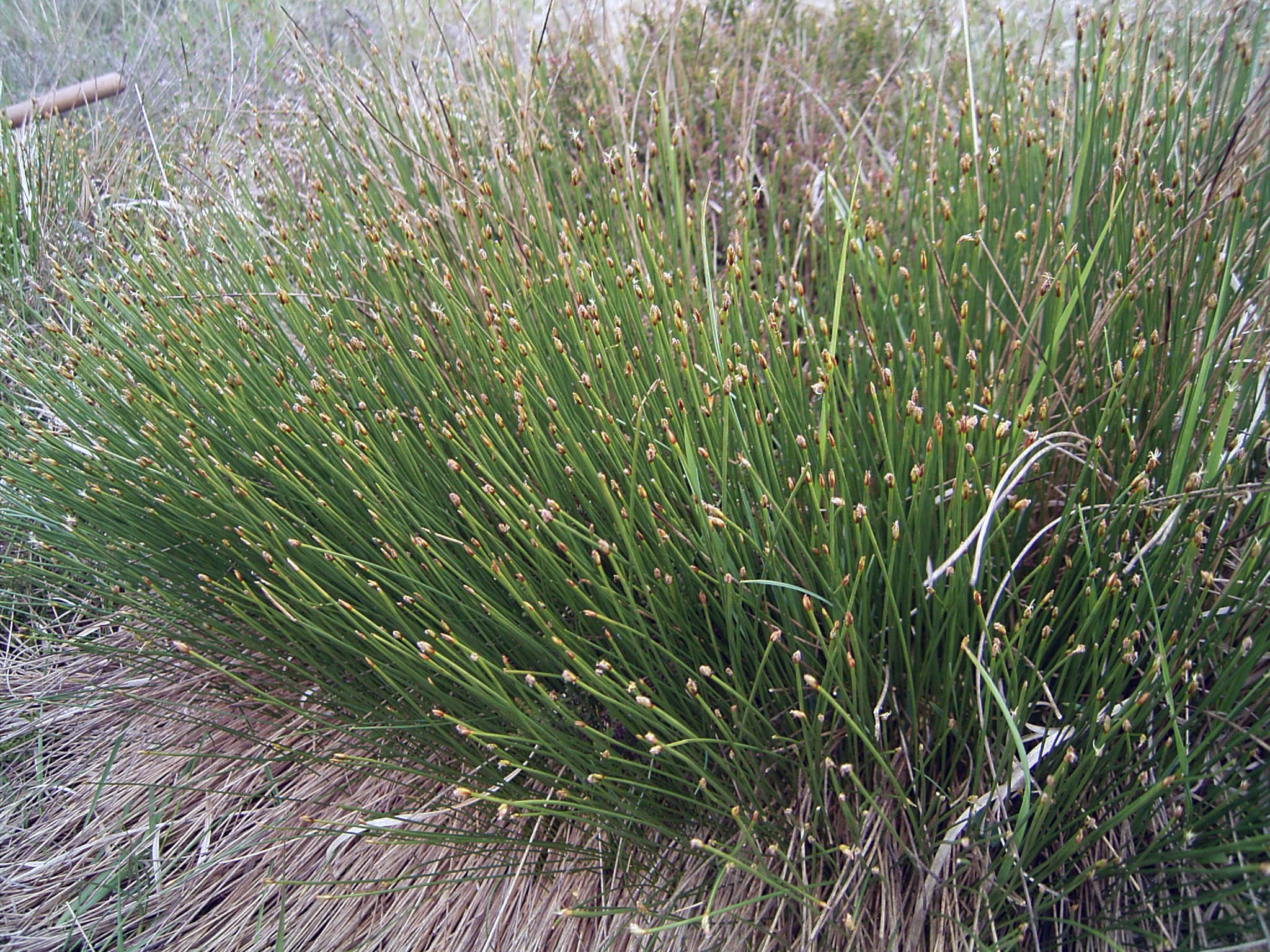
Photo: Wikimedia Commons (CC) via https://en.wikipedia.org/wiki/Carex_adelostoma
Overview
Carex adelostoma is a tussock-forming species of perennial sedge in the family Cyperaceae. It is native to the subarctic areas, including Scandinavia, Russia, Canada, and Alaska.
Circumpolar sedge faces significant threats from climate change, which is altering Arctic and subarctic ecosystems where this species occurs. Habitat degradation from human activities, changing precipitation patterns, and warming temperatures are disrupting the delicate wetland environments this sedge depends upon for survival.
Habitat
Circumpolar sedge inhabits Arctic and subarctic wetlands, including wet meadows, marshes, and boggy areas in tundra regions. This species typically occurs in moist to wet soils in northern latitudes across circumpolar regions.
Other threatened species in Cyperaceae


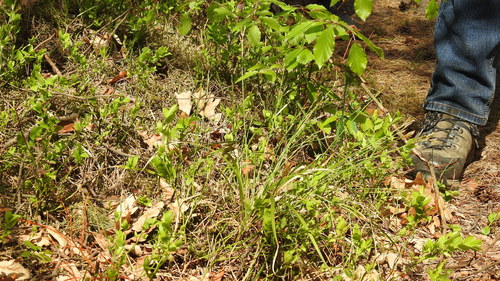
Threatened in Canada
Frequently asked questions
Why is Circumpolar sedge classified as Vulnerable?
Where does Circumpolar sedge live?
What are the main threats to Circumpolar sedge?
Get weekly conservation intelligence
One short digest a week of the most striking species and country data we ship, plus breaking conservation news paired with our database where it matters.
Free, no spam. One-click unsubscribe in every email.