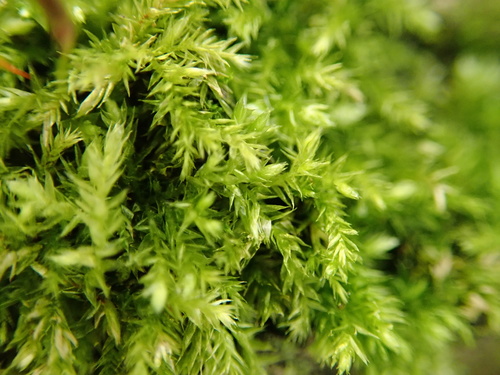
Clustered Feather-moss
Rhynchostegium confertum
Photo: iNaturalist: (c) Paul Cook, some rights reserved (CC BY), uploaded by Paul Cook
Overview
Clustered Feather-moss (Rhynchostegium confertum) is a small bryophyte characterized by its densely clustered growth pattern and delicate, feather-like branching structure. This moss forms compact, cushion-like mats with fine, pinnately branched stems that create a distinctive feathery appearance. It plays an important ecological role in moisture retention, soil stabilization, and providing microhabitat for invertebrates in its specialized environments.
Clustered Feather-moss faces significant threats from habitat degradation and loss due to urbanization, agricultural expansion, and changes in land use practices that alter its specialized growing conditions. Climate change poses additional risks through altered precipitation patterns and temperature fluctuations that can disrupt the delicate moisture balance required for moss survival and reproduction.
Habitat
This moss species typically grows on soil, rocks, and tree bases in deciduous and mixed woodlands, particularly favoring calcareous substrates and areas with consistent moisture levels. It is commonly found in lowland forests, woodland edges, and occasionally in more open habitats such as grasslands and disturbed areas with suitable microclimate conditions.
Other threatened species in Brachytheciaceae
Frequently asked questions
Why is Clustered Feather-moss classified as Vulnerable?
Where does Clustered Feather-moss live?
What are the main threats to Clustered Feather-moss?
Get weekly conservation intelligence
One short digest a week of the most striking species and country data we ship, plus breaking conservation news paired with our database where it matters.
Free, no spam. One-click unsubscribe in every email.