
Clubiona trivialis
Photo: Wikimedia Commons (CC) via https://en.wikipedia.org/wiki/Clubiona_trivialis
Overview
Clubiona trivialis is a small reddish brown spider with holarctic distribution. It is found in exposed places on low vegetation. Adults can be found throughout the year.
Clubiona trivialis faces significant threats from habitat degradation and fragmentation due to agricultural intensification and urban development across its range. The species' dependence on specific microhabitat conditions makes it particularly vulnerable to environmental changes, while pesticide use in agricultural areas poses additional risks to local populations.
Habitat
This species inhabits grasslands, agricultural margins, woodland edges, and scrubland areas, typically found in low vegetation and leaf litter where it constructs silken retreats. It shows preference for semi-natural habitats with moderate moisture levels and diverse plant communities that support abundant prey populations.
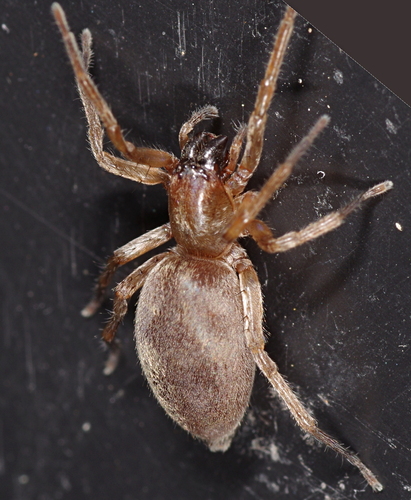
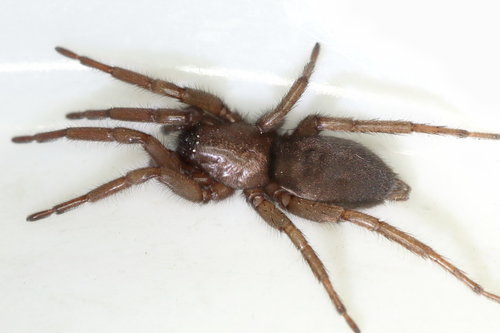
Other threatened species in Clubionidae
Threatened in Åland Islands


Frequently asked questions
Why is Clubiona trivialis classified as Vulnerable?
Where does Clubiona trivialis live?
What are the main threats to Clubiona trivialis?
Get weekly conservation intelligence
One short digest a week of the most striking species and country data we ship, plus breaking conservation news paired with our database where it matters.
Free, no spam. One-click unsubscribe in every email.