
cohune palm
Attalea cohune
Photo: Wikimedia Commons (CC) via https://en.wikipedia.org/wiki/Attalea_cohune
Overview
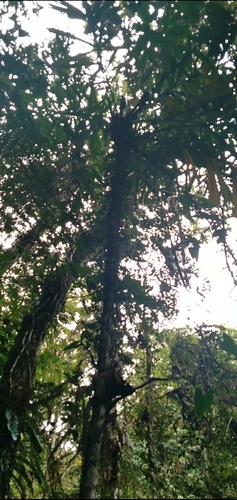
Attalea cohune, commonly known as the cohune palm, is a species of palm tree native to Mexico and parts of Central America.
The cohune palm faces severe population decline primarily due to extensive deforestation and habitat conversion for agriculture, cattle ranching, and urban development across its Central American range. Additional pressures include overharvesting of nuts for local consumption and commercial use, along with climate change impacts affecting rainfall patterns in its native ecosystems.
Other threatened species in Arecaceae
Frequently asked questions
Why is cohune palm classified as Endangered?
Where does cohune palm live?
What are the main threats to cohune palm?
Get weekly conservation intelligence
One short digest a week of the most striking species and country data we ship, plus breaking conservation news paired with our database where it matters.
Free, no spam. One-click unsubscribe in every email.