Species Explorer
Browse and search species from the IUCN Red List and GBIF.
54,666 species
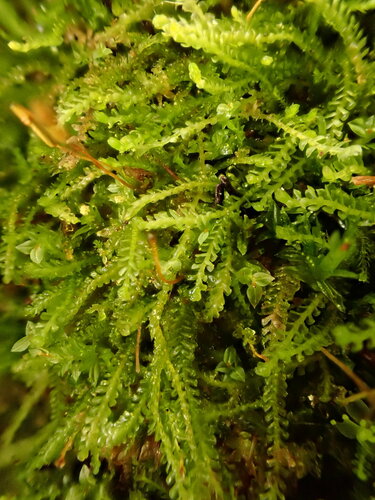
Comb Notchwort
VUSphenolobus minutus
Comb Notchwort faces significant threats from habitat loss due to deforestation, agricultural expansion, and urban development across its range. Climate change poses additional risks through altered precipitation patterns and temperature shifts that affect the moist microhabitats this bryophyte requires. Pollution and atmospheric changes further compromise the sensitive ecological conditions necessary for its survival.

Common Aloe-moss
VUAloina aloides
Common Aloe-moss faces significant threats from habitat degradation and loss due to agricultural expansion, urban development, and changes in land use practices that alter the specific soil conditions it requires. Climate change poses additional risks through altered precipitation patterns and increased drought frequency, which can severely impact this drought-sensitive moss species. The species' specialized habitat requirements make it particularly vulnerable to environmental changes and human disturbance.
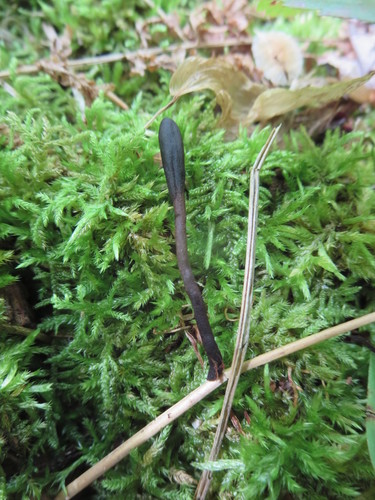
Common Black Earth Tongue
ENGeoglossum simile
The Common Black Earth Tongue is declining primarily due to habitat loss and degradation of its specialized grassland ecosystems. Agricultural intensification, including increased fertilizer use and conversion of semi-natural grasslands to intensive farming, has severely reduced suitable habitat. Climate change and atmospheric nitrogen deposition further threaten the nutrient-poor grassland conditions this species requires.
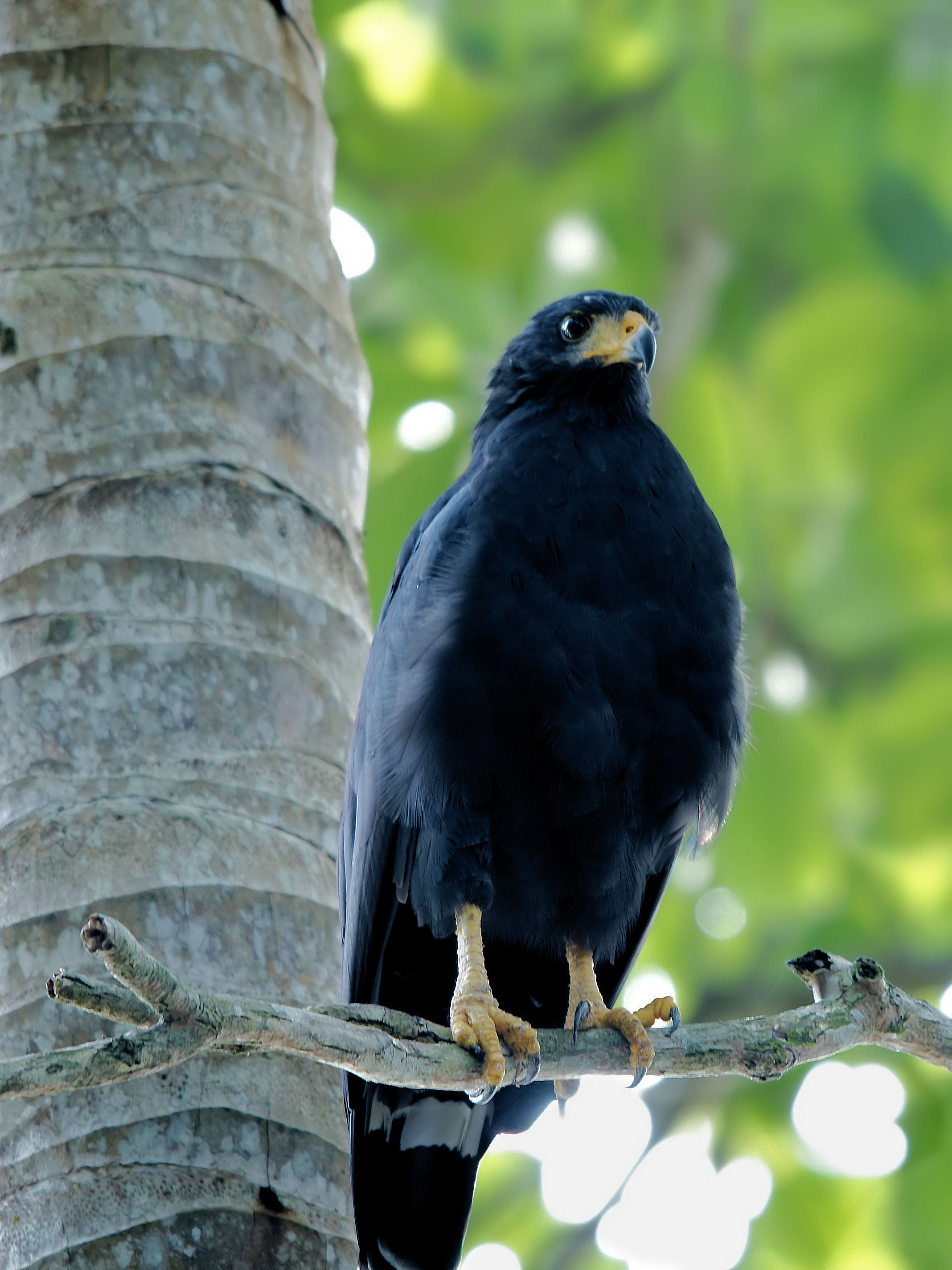
Common Black Hawk
VUButeogallus anthracinus
The Common Black Hawk faces significant threats from habitat loss and degradation, particularly the destruction of riparian forests and wetland ecosystems essential for its survival. Human development, water diversions, and agricultural expansion have fragmented its specialized habitat requirements, while pollution and climate change further impact prey availability and nesting success.

Common Chinese Privet
ENLigustrum sinense
Native populations face severe pressure from habitat destruction due to rapid urbanization and agricultural expansion throughout China. Climate change is altering precipitation patterns in its native range, while overcollection for traditional medicine and ornamental trade has further depleted wild populations.

Common Chocolate Chip Lichen
CRSolorina saccata
Common Chocolate Chip Lichen (Solorina saccata) faces severe decline primarily due to habitat loss from climate change and atmospheric pollution. This arctic-alpine species is particularly vulnerable to warming temperatures that alter its specialized high-elevation and northern habitat requirements. Air quality degradation from industrial emissions further compromises this sensitive lichen's ability to survive.
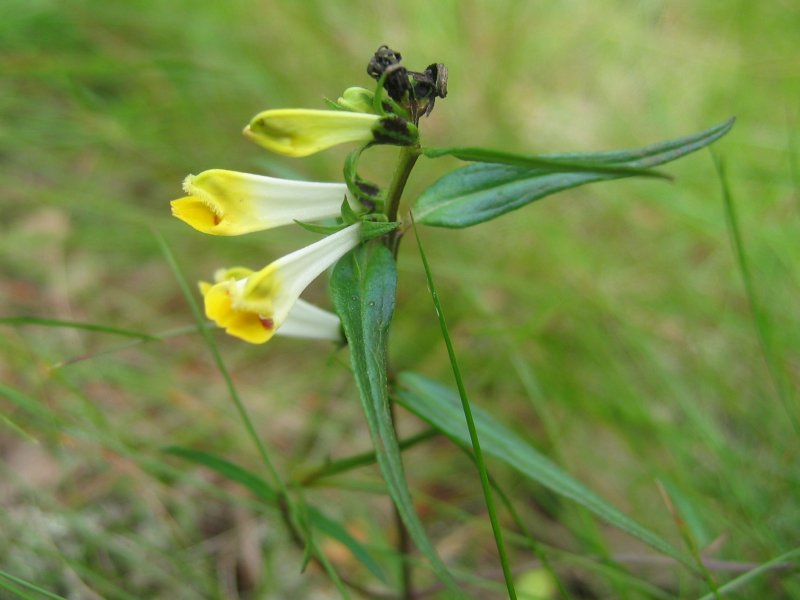
Common Cow-wheat
CRMelampyrum pratense
Common Cow-wheat (Melampyrum pratense) faces severe decline primarily due to habitat loss from agricultural intensification and changes in woodland management practices. As a hemiparasitic plant dependent on specific host species and particular light conditions, it is highly vulnerable to disruption of traditional extensive grazing systems and natural woodland dynamics.
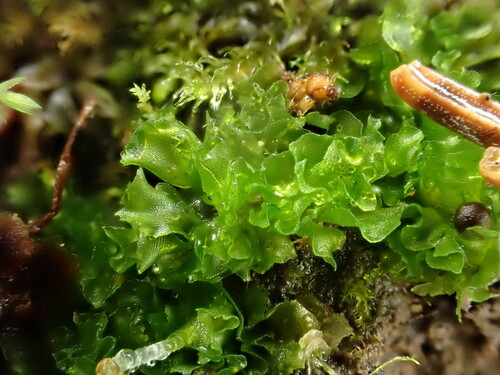
Common Frillwort
CRFossombronia pusilla
Common Frillwort (Fossombronia pusilla) faces severe decline due to habitat loss and degradation of its specialized wetland environments. This small liverwort is particularly vulnerable to changes in water quality, hydrological patterns, and human disturbance of its ephemeral pool and marsh habitats.
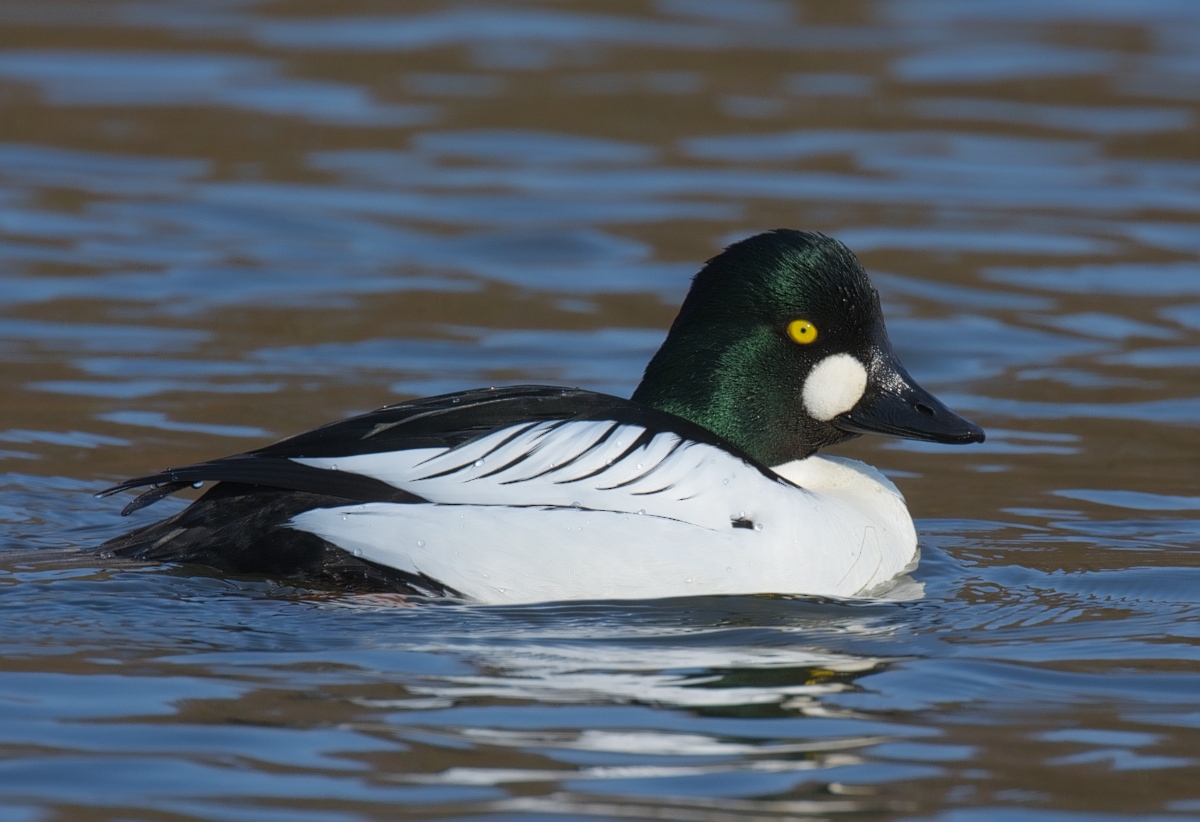
common goldeneye
VUBucephala clangula
The common goldeneye faces significant pressure from habitat loss due to wetland drainage, dam construction, and deforestation of boreal forests containing suitable nesting cavities. Climate change is altering the timing of ice-free periods and affecting prey availability, while pollution from agricultural runoff and industrial activities degrades water quality in critical breeding and wintering areas.

Common Grasshopper Warbler
VULocustella naevia
The Common Grasshopper Warbler faces significant population declines across its range due to widespread habitat loss and degradation of wetland and grassland ecosystems. Agricultural intensification, urban development, and changes in land management practices have reduced the availability of suitable breeding and foraging habitats, while climate change may be affecting the timing of migration and breeding cycles.
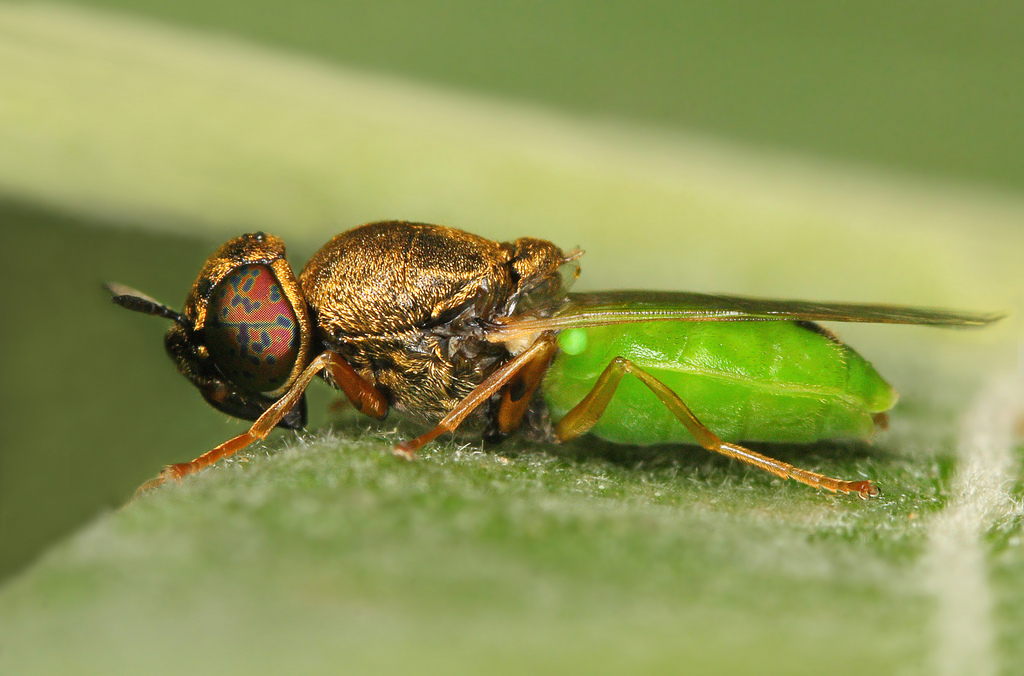
Common Green Colonel
VUOplodontha viridula
The Common Green Colonel faces significant pressure from habitat loss due to deforestation and agricultural expansion across its range. Climate change is altering the distribution and abundance of its preferred host plants, while increased pesticide use in agricultural areas reduces prey availability and may cause direct mortality.
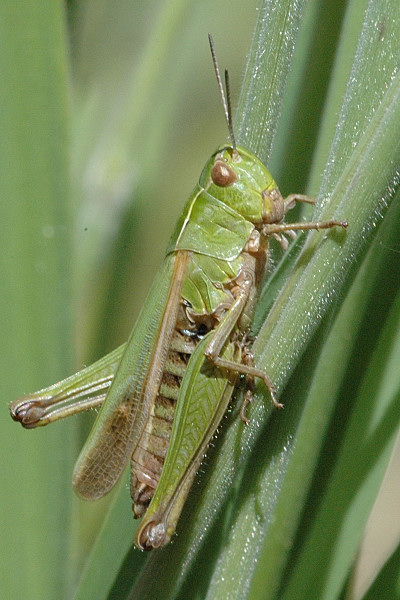
Common Green Grasshopper
VUOmocestus viridulus
The Common Green Grasshopper faces significant pressure from habitat loss due to agricultural intensification and urban development, which fragments and degrades the grassland ecosystems it depends upon. Climate change poses additional risks through altered precipitation patterns and temperature regimes that affect grass growth cycles and reproductive timing. Conservation status may vary by region or assessment authority, but declining populations reflect the cumulative impact of these anthropogenic pressures.

Common green turtle
VUChelonia mydas
Common green turtles face significant threats throughout their range, primarily from coastal development that destroys critical nesting beaches and feeding habitats. Incidental capture in fishing gear, illegal harvesting for meat and eggs, marine pollution including plastic debris, and climate change impacts on nesting sites and sex ratios contribute to their vulnerable status.
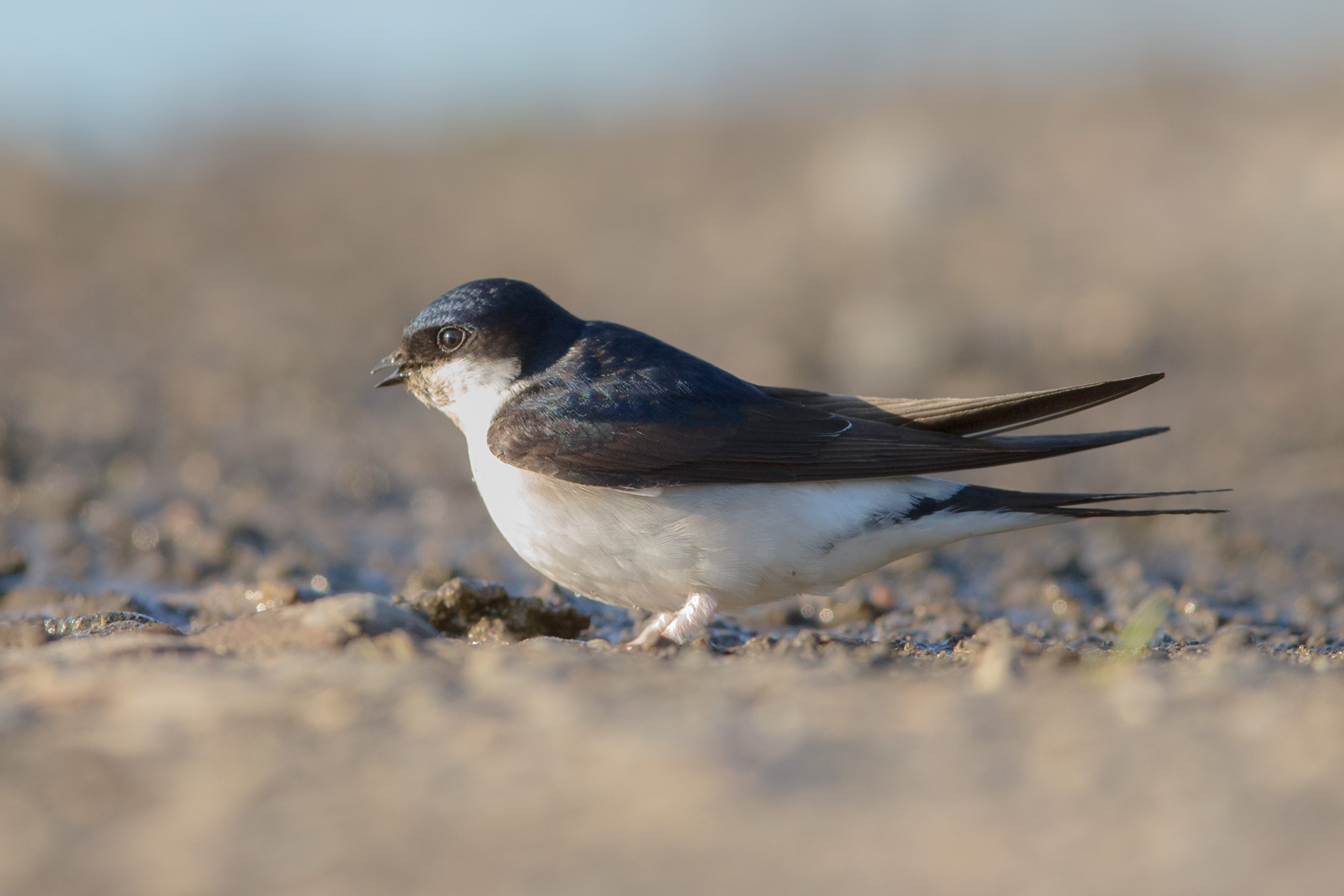
Common House-Martin
VUDelichon urbicum
The Common House-Martin faces significant population declines across much of its range due to habitat loss, climate change impacts on insect prey availability, and reduced nesting opportunities. Agricultural intensification and urbanization have eliminated traditional mud sources and suitable nesting sites, while pesticide use has dramatically reduced aerial insect populations that form the species' primary food source.

Common Kettlewort
ENBlasia pusilla
Common Kettlewort (Blasia pusilla) is declining primarily due to habitat loss and degradation of its specialized wetland environments. The species is particularly vulnerable to drainage of wet areas, pollution, and changes in water chemistry that affect the bryophyte communities it depends on.

Common Kingfisher
VUAlcedo atthis
The Common Kingfisher faces significant pressure from habitat degradation and pollution of freshwater ecosystems across its range. Water pollution, river channelization, and wetland destruction have reduced the availability of clean waterways essential for fishing, while climate change is altering precipitation patterns and water levels that affect prey availability.

Common Limpet
CRPatella vulgata
The Common Limpet (Patella vulgata) faces significant population declines primarily due to coastal habitat degradation, pollution, and climate change impacts on rocky intertidal zones. Ocean acidification poses a particular threat to this species as it weakens their calcium carbonate shells, while rising sea temperatures alter their preferred habitat conditions.
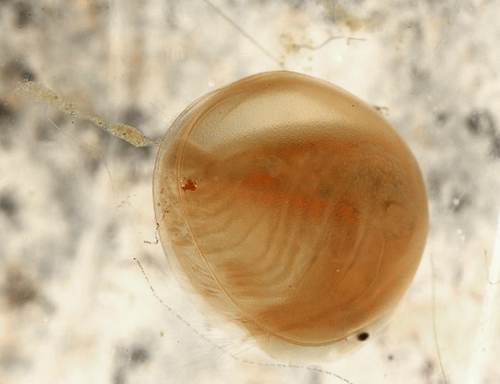
Common Lynceus
VULynceus brachyurus
Common Lynceus faces significant threats from habitat degradation and loss of temporary freshwater pools due to agricultural intensification and urban development. Water pollution from agricultural runoff and climate-induced changes to precipitation patterns further threaten the ephemeral aquatic habitats this species depends on for reproduction and survival.
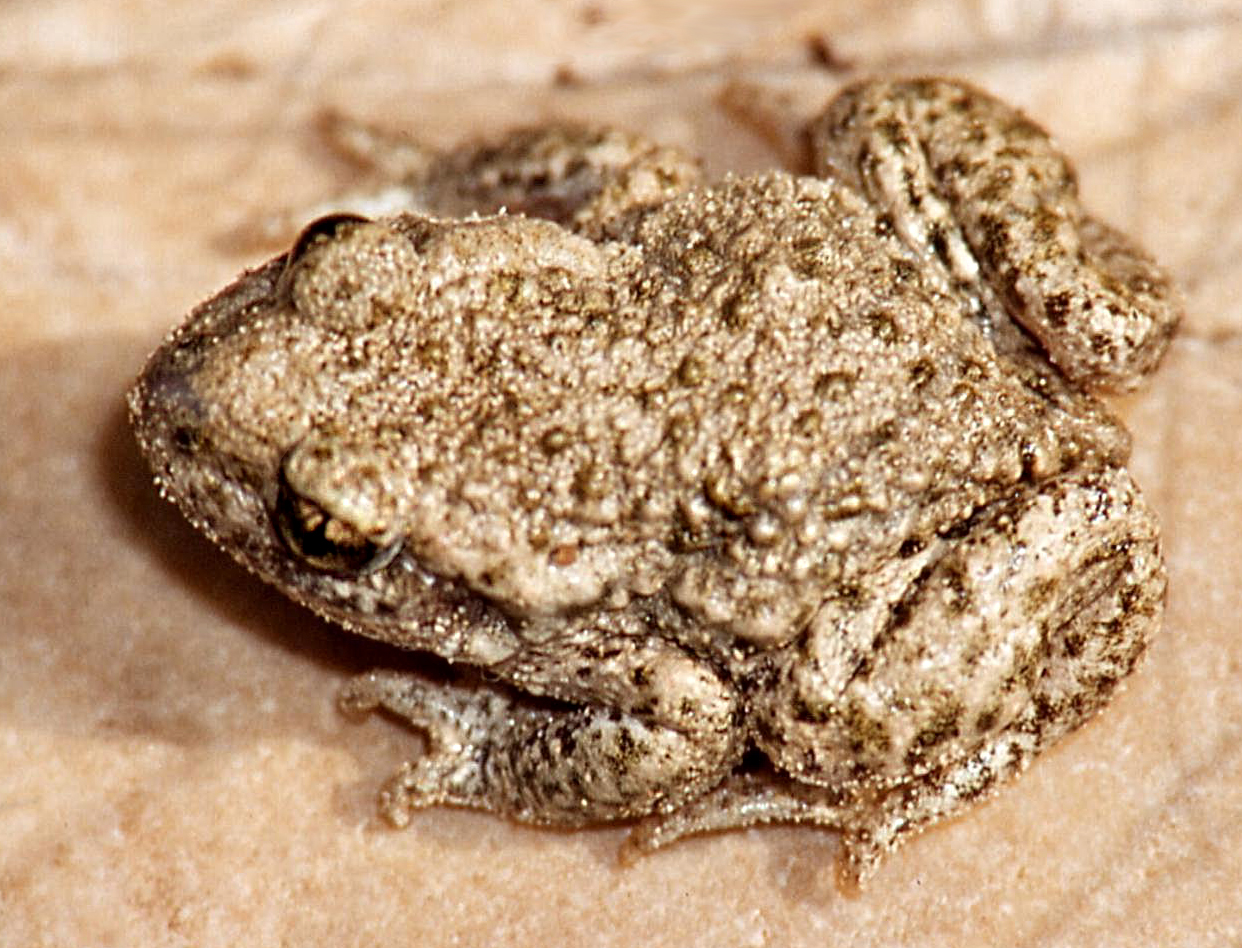
Common Midwife Toad
ENAlytes obstetricans
The Common Midwife Toad faces severe population declines primarily due to the devastating chytrid fungal disease (Batrachochytrium dendrobatidis), which has caused mass mortality events across its range. Additional pressures from habitat loss, pollution, and climate change have further compromised remaining populations, making this once-common species increasingly vulnerable to extinction.
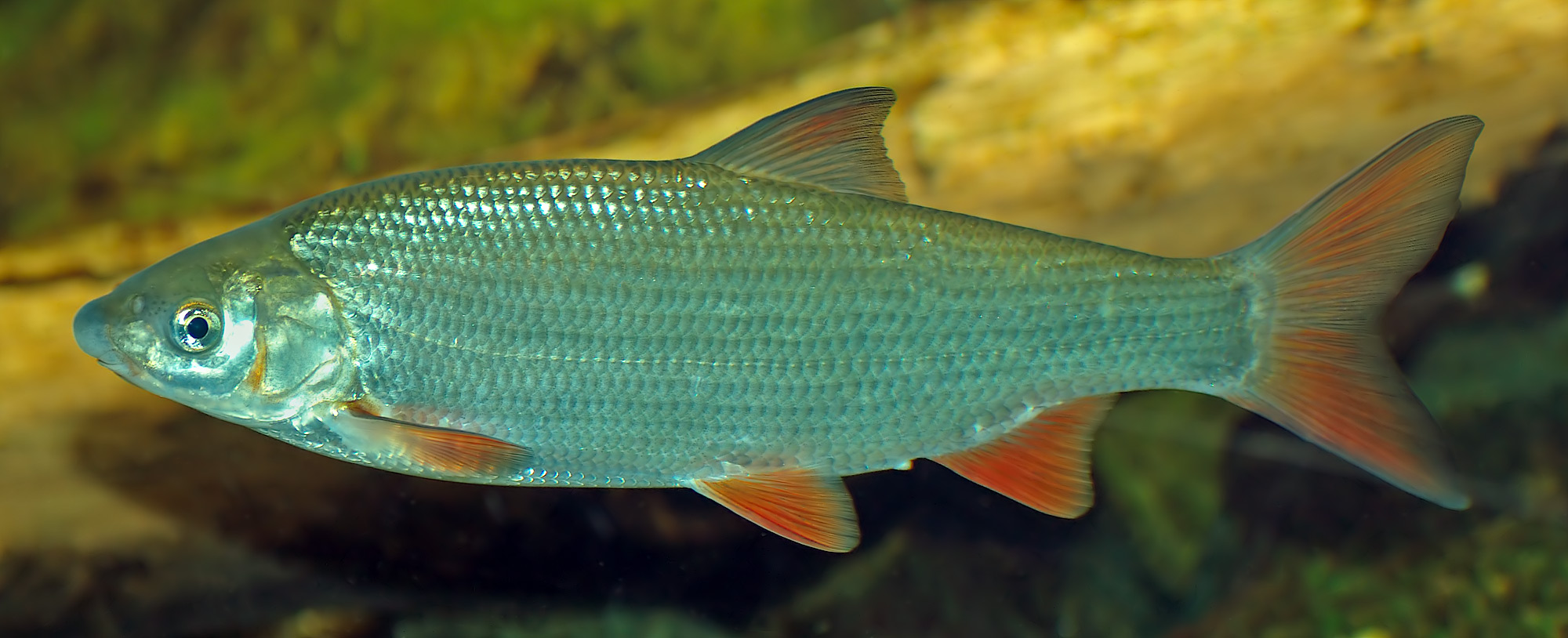
Common nase
ENChondrostoma nasus
The Common nase faces severe population declines primarily due to habitat degradation and fragmentation of European river systems. Dam construction, river channelization, and water pollution have significantly reduced suitable spawning and feeding habitats, while overfishing has further pressured remaining populations.
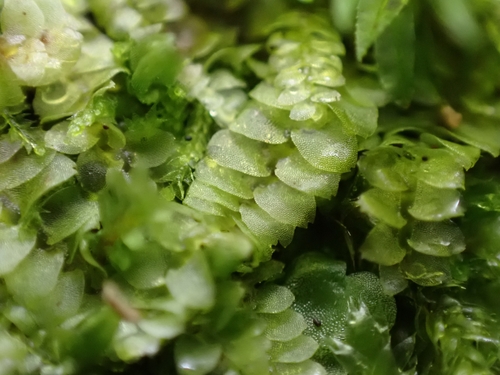
Common Pouchwort
VUCalypogeia fissa
Common Pouchwort faces significant threats from habitat degradation due to air pollution, acid rain, and climate change affecting the moist, shaded environments it requires. Urban development and forest fragmentation have reduced suitable habitat availability, while changes in precipitation patterns and temperature regimes threaten the delicate moisture balance essential for this bryophyte's survival.

Common Quail
VUCoturnix coturnix
The Common Quail faces significant population declines across much of its range due to intensive agricultural practices that have eliminated traditional farming methods and reduced habitat quality. Large-scale mechanized harvesting during breeding season causes direct mortality, while pesticide use reduces insect prey availability crucial for chick survival. Habitat fragmentation and loss of mixed farming landscapes have further compressed suitable breeding areas.

Common Rosefinch
VUCarpodacus erythrinus
The Common Rosefinch faces significant pressure from habitat loss and degradation across its breeding and wintering ranges, particularly due to agricultural intensification and urbanization. Climate change is altering the timing of food availability and suitable breeding conditions, while the species also suffers from trapping pressure in some regions during migration and on wintering grounds.

Common Sea-lavender
VULimonium vulgare
Common Sea-lavender faces significant threats from coastal development, sea-level rise, and habitat degradation of its specialized salt marsh environments. Climate change-induced alterations to tidal patterns and increased storm intensity further threaten the delicate balance of its coastal wetland habitats, while human activities continue to fragment and destroy critical breeding and feeding areas.

Common Seal
CRPhoca vitulina
Common Seals face severe threats from habitat degradation, pollution, and human disturbance across their coastal range. Climate change is altering prey availability and ice dynamics in northern populations, while marine pollution including plastics and chemical contaminants continues to impact reproduction and survival rates. Conservation status may vary by region or assessment authority.

Common Slender Eyebright
VUEuphrasia micrantha
Common Slender Eyebright faces significant threats from habitat loss due to agricultural intensification and changes in traditional land management practices that historically maintained suitable grassland conditions. Climate change and altered precipitation patterns further threaten the specialized semi-parasitic relationships this species depends on for survival.

common snipe
VUGallinago gallinago
The Common Snipe faces significant population declines across much of its range due to widespread wetland habitat loss and degradation from agricultural intensification, urban development, and drainage of marshlands. Climate change is altering precipitation patterns and wetland hydrology, while hunting pressure in some regions continues to impact local populations.
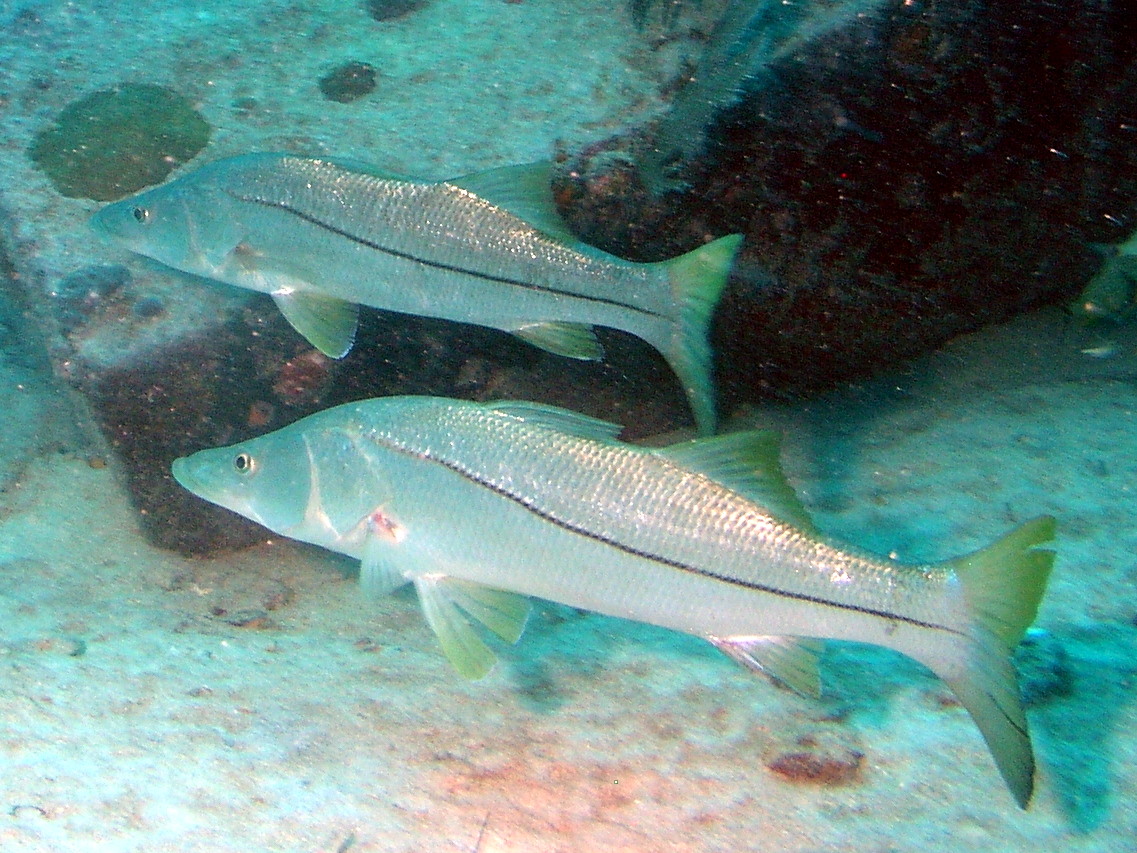
Common snook
VUCentropomus undecimalis
Common snook faces significant pressure from habitat degradation, particularly the destruction and alteration of critical coastal mangrove ecosystems and estuarine nursery areas. Overfishing and recreational angling pressure have reduced population numbers in many areas, while climate change threatens to alter water temperatures and salinity levels that are crucial for their reproductive success and juvenile survival.

Common Spadefoot
VUPelobates fuscus
The Common Spadefoot faces significant population declines across its European range due to widespread habitat destruction and degradation of its specialized breeding sites. Agricultural intensification, urban development, and wetland drainage have eliminated many of the temporary pools and sandy soils essential for this species' survival, while pollution and climate change further threaten remaining populations.

Common Thistle Miner, Pointed Groundling
VUScrobipalpa acuminatella
The Common Thistle Miner faces significant threats from habitat loss due to agricultural intensification and urban development, which reduces the availability of its host plants. Climate change poses additional risks by altering the distribution and phenology of both the species and its thistle hosts, potentially disrupting critical breeding cycles.

Common thorn midget
ENPhyllonorycter oxyacanthae
The Common thorn midget (Phyllonorycter oxyacanthae) is declining primarily due to habitat loss and degradation of its host plant communities. The species faces significant pressure from agricultural intensification, urbanization, and changes in land management practices that reduce the availability of hawthorn and related Rosaceae species.
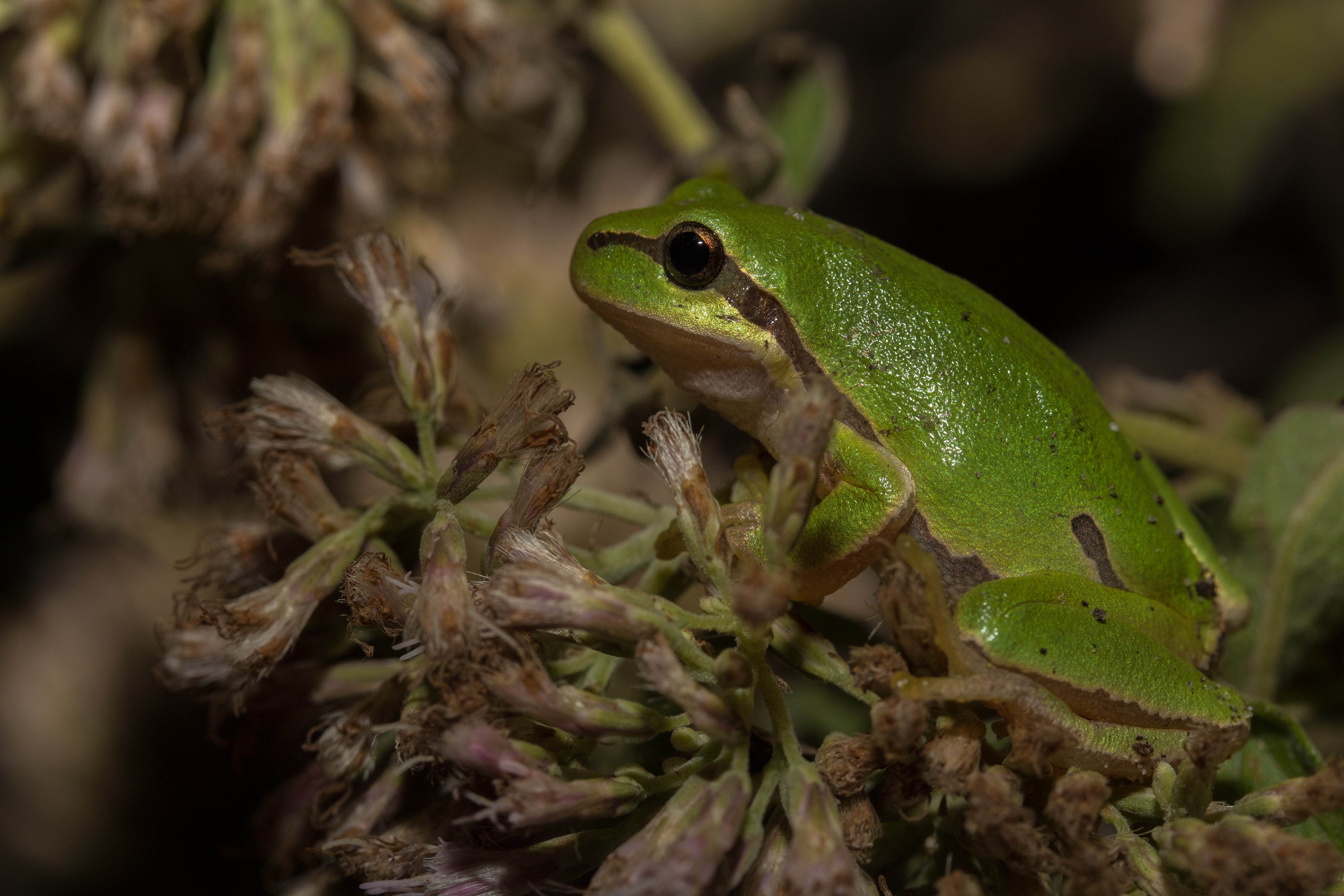
Common Tree Frog
ENHyla arborea
The Common Tree Frog faces severe population declines across its European range due to widespread habitat destruction and degradation of wetland breeding sites. Agricultural intensification, urbanization, and pollution have eliminated or compromised many of the small ponds, ditches, and temporary water bodies essential for reproduction.
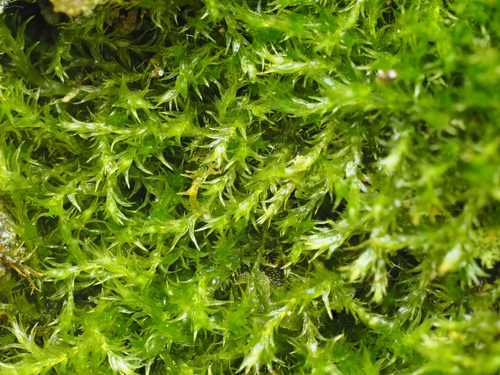
Compact Feather-moss
VUConardia compacta
Compact Feather-moss faces significant threats from habitat degradation and loss due to logging, agricultural expansion, and urban development in its specialized forest environments. Climate change poses additional risks through altered precipitation patterns and temperature regimes that affect the delicate moisture balance required for moss survival. The species' limited dispersal ability and specific microhabitat requirements make it particularly vulnerable to fragmentation of its forest ecosystems.
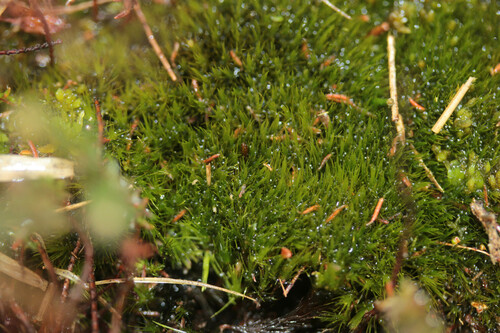
Compact Swan-neck Moss
CRCampylopus brevipilus
Compact Swan-neck Moss (Campylopus brevipilus) is critically endangered due to its extremely limited distribution and vulnerability to habitat degradation. The species faces severe threats from human activities that alter its specialized moss habitat requirements, including changes in moisture levels, substrate disturbance, and potential climate impacts on its restricted range.

Concentric Boulder Lichen
VUPorpidia crustulata
Concentric Boulder Lichen faces significant threats from air pollution, particularly acid rain and nitrogen deposition, which alter the chemical composition of its rocky substrates and disrupt its slow-growing crustose structure. Climate change poses additional risks through altered precipitation patterns and temperature fluctuations that affect the delicate moisture balance required for photosynthesis and growth. Habitat degradation from quarrying, construction activities, and recreational disturbance further threatens the stable rock surfaces this species depends upon.

Cooloola Tree Frog
ENLitoria cooloolensis
The Cooloola Tree Frog faces severe threats from habitat destruction due to urban development, sand mining, and tourism infrastructure in its limited coastal range. Climate change poses additional risks through altered precipitation patterns and increased frequency of extreme weather events that can disrupt breeding cycles and habitat availability.
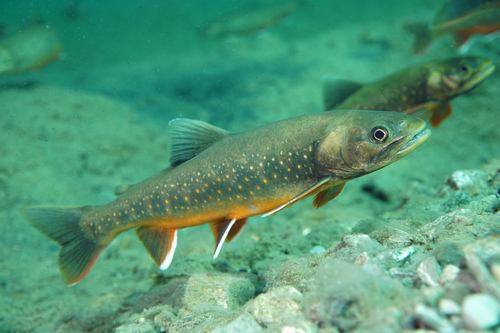
Coomasaharn charr
VUSalvelinus fimbriatus
Coomasaharn charr faces significant threats from habitat degradation and water quality deterioration in its limited range within Irish lake systems. Climate change poses additional risks through altered water temperatures and precipitation patterns that could disrupt the species' specialized cold-water requirements. The species' restricted distribution makes it particularly vulnerable to localized environmental changes and human activities affecting water bodies.

Cope's Mountain Meadow Snake
VUAdelophis copei
Cope's Mountain Meadow Snake faces significant threats from habitat loss and fragmentation due to agricultural expansion and urban development in its limited montane range. The species' restricted distribution in high-elevation meadows and grasslands makes it particularly vulnerable to climate change impacts and human encroachment.
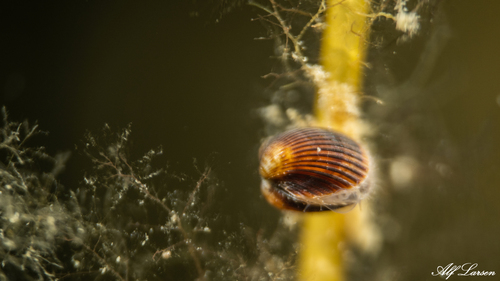
Copenhagen cockle
VUParvicardium hauniense
The Copenhagen cockle faces significant threats from habitat degradation in shallow marine environments due to coastal development, pollution, and climate change impacts. Its restricted distribution in northern European waters makes it particularly vulnerable to localized environmental changes and human activities that alter sediment composition and water quality.

Copper Brittlegill
VURussula decolorans
The Copper Brittlegill faces significant threats from habitat degradation and loss of suitable forest ecosystems due to logging, agricultural expansion, and urban development. Climate change poses additional risks by altering the delicate soil chemistry and moisture conditions required for mycorrhizal relationships with host trees. Conservation status may vary by region or assessment authority, but declining populations reflect broader pressures on forest fungal communities.
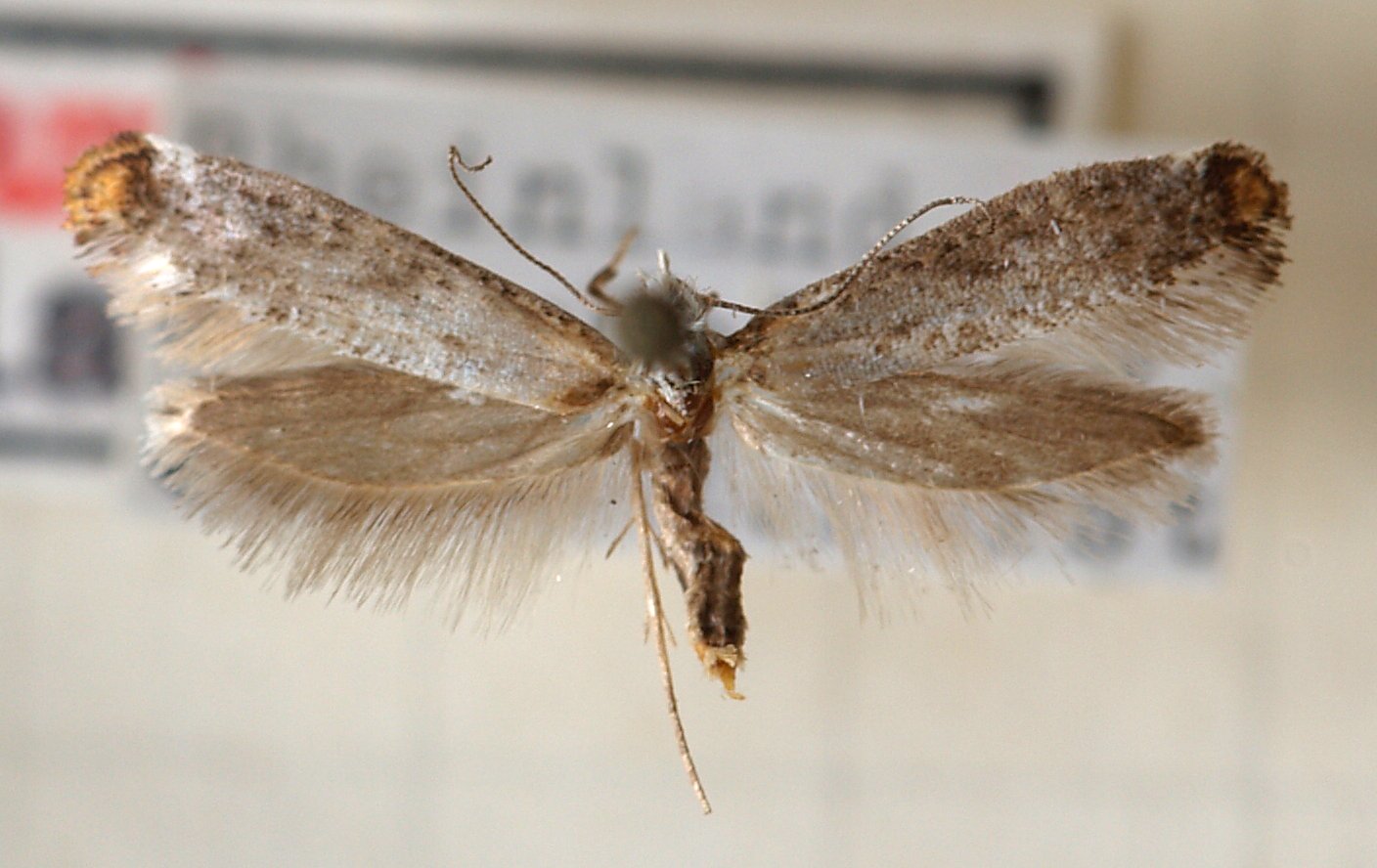
Copper-tipped Ermine
ENPseudoswammerdamia combinella
The Copper-tipped Ermine is declining primarily due to habitat loss and degradation of its specialized woodland environments. Climate change and intensive forestry practices are reducing the availability of suitable host plants and breeding sites for this moth species.
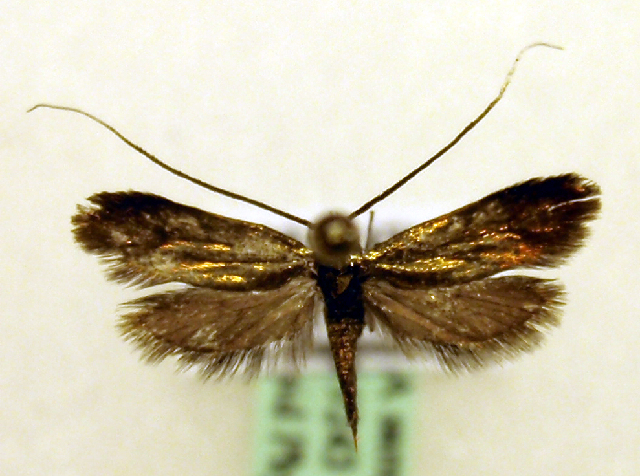
Coppery Long-horn
VUNemophora cupriacella
The Coppery Long-horn faces significant threats from habitat loss and degradation due to agricultural intensification, urbanization, and changes in woodland management practices. Climate change poses additional risks by altering the distribution and phenology of its host plants, while light pollution disrupts the nocturnal behavior patterns essential for mating and reproduction.
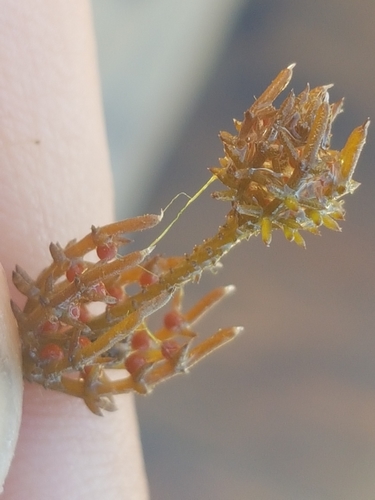
Coral Stonewort
CRChara tomentosa
Coral Stonewort (Chara tomentosa) faces severe decline primarily due to habitat degradation and loss of suitable freshwater environments. Water pollution, eutrophication, and changes in water chemistry have dramatically reduced the quality of shallow, calcareous waters where this aquatic macrophyte thrives. Climate change and human activities continue to fragment and destroy the remaining populations of this critically endangered charophyte.

Coral Tooth Fungus
CRHericium coralloides
Coral Tooth Fungus (Hericium coralloides) is critically endangered primarily due to the widespread loss and degradation of old-growth deciduous forests, particularly beech woodlands, which provide the specific dead wood substrates this saprotrophic fungus requires. The species has experienced severe population declines across Europe due to intensive forestry practices that remove dead and dying trees, habitat fragmentation, and the overall reduction in mature forest ecosystems.

coraltree
VUMacaranga grandifolia
Macaranga grandifolia faces significant pressure from deforestation and habitat conversion throughout its range in Southeast Asian tropical forests. The species is particularly vulnerable due to its dependence on primary and secondary forest ecosystems that are being rapidly cleared for agriculture, palm oil plantations, and urban development.

corange-tip cuthona
VUCatriona aurantia
The orange-tip cuthona faces significant threats from coastal habitat degradation and pollution in its shallow marine environments. Climate change-induced ocean acidification and warming temperatures are altering the delicate marine ecosystems this nudibranch depends on, while coastal development continues to destroy critical intertidal and subtidal habitats.
Cordillera Central Shrub Cricket
VUWalkerana mira
The Cordillera Central Shrub Cricket faces significant threats from habitat loss and fragmentation due to agricultural expansion and deforestation in Puerto Rico's mountainous regions. Climate change poses additional risks by altering the temperature and moisture conditions essential for this endemic species' survival in its restricted montane habitat.

Cordillera Central Treefrog
ENHyloscirtus larinopygion
The Cordillera Central Treefrog faces severe population declines primarily due to habitat destruction from agricultural expansion and urban development in Colombia's Cordillera Central. Climate change and the spread of chytrid fungus disease further threaten remaining populations in this endemic species' restricted montane range.
Cordobancillo de rangel
ENMiconia rangeliana
Miconia rangeliana faces severe threats from ongoing deforestation and habitat fragmentation in Colombia's montane cloud forests. Agricultural expansion, particularly cattle ranching and crop cultivation, continues to reduce and isolate remaining forest patches where this endemic species occurs.
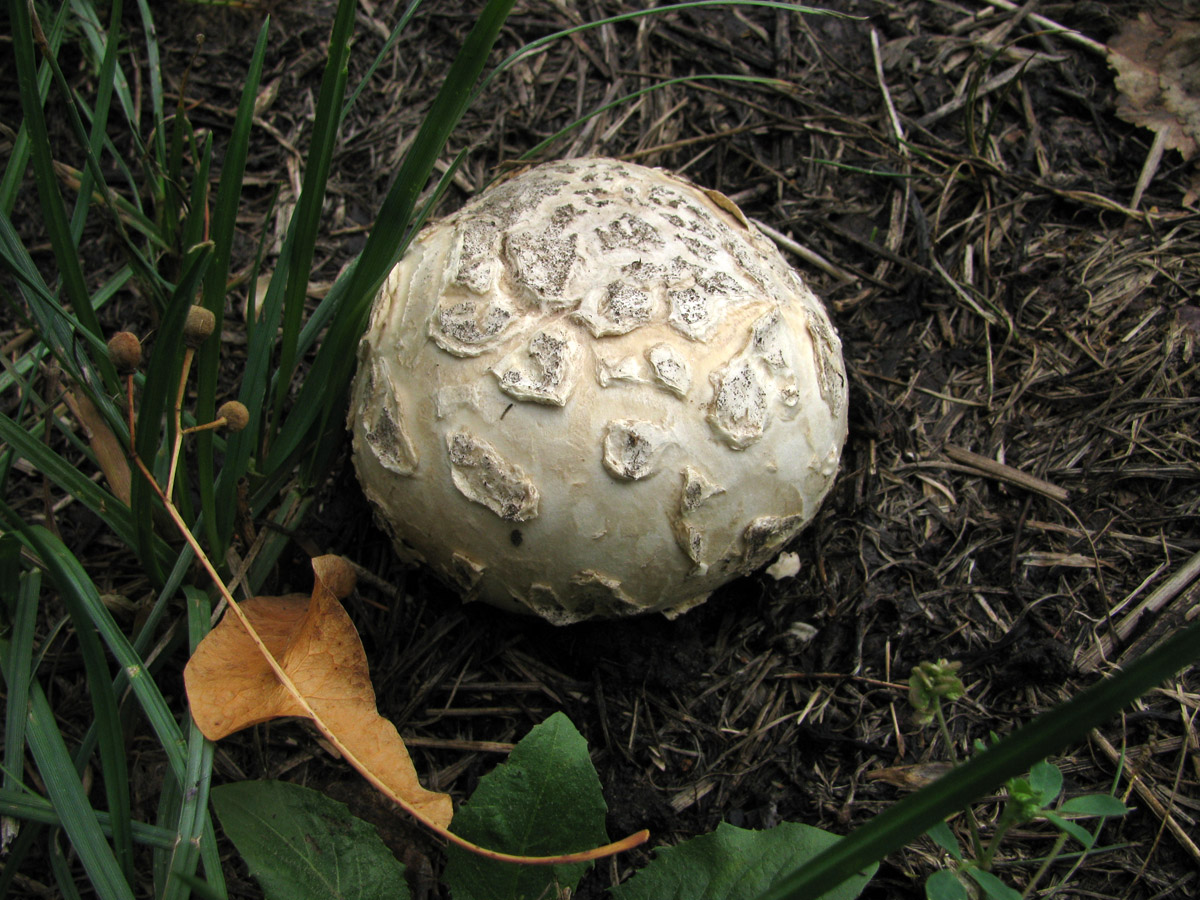
Corkstar Puffball
ENMycenastrum corium
The Corkstar Puffball faces significant decline due to habitat loss from agricultural expansion and urban development across its limited range. Climate change and altered precipitation patterns are disrupting the specific soil and moisture conditions this fungus requires for fruiting and spore dispersal.