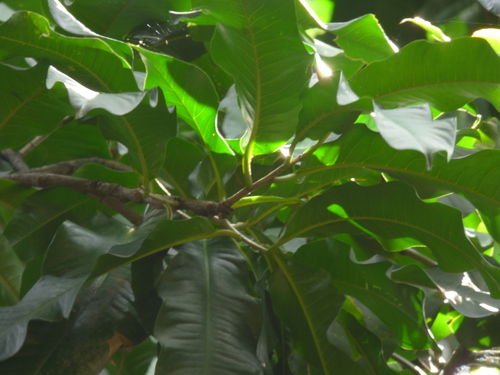
Coco Cristal
Lecythis tuyrana
Photo: iNaturalist: (c) May Bedoya, some rights reserved (CC BY-NC), uploaded by May Bedoya
Overview
Coco Cristal (Lecythis tuyrana) is a tropical tree species belonging to the Brazil nut family, characterized by its distinctive woody capsules that split open to release large seeds. This canopy tree produces showy flowers and plays a crucial ecological role as a food source for various mammals and birds that disperse its seeds throughout the forest.
Coco Cristal faces significant pressure from deforestation and habitat fragmentation across its limited range in Central America. The species' dependence on mature forest ecosystems makes it particularly vulnerable to logging activities and agricultural expansion, while its restricted distribution increases extinction risk from localized threats.
Habitat
Inhabits tropical moist lowland and premontane forests, typically found in primary and mature secondary forest ecosystems with well-developed canopy structure. Occurs at elevations from sea level to approximately 1,200 meters in areas with high rainfall and humid conditions.
Other threatened species in Lecythidaceae

Frequently asked questions
Why is Coco Cristal classified as Vulnerable?
Where does Coco Cristal live?
What are the main threats to Coco Cristal?
Get weekly conservation intelligence
One short digest a week of the most striking species and country data we ship, plus breaking conservation news paired with our database where it matters.
Free, no spam. One-click unsubscribe in every email.