Species Explorer
Browse and search species from the IUCN Red List and GBIF.
54,666 species

Carline Thistle
ENCarlina vulgaris
Carline Thistle (Carlina vulgaris) is declining primarily due to habitat loss from agricultural intensification and changes in traditional land management practices. The abandonment of extensive grazing systems and conversion of semi-natural grasslands to intensive agriculture or forestry has significantly reduced suitable habitat for this species.
Carmelita's Robber Frog
ENPristimantis carmelitae
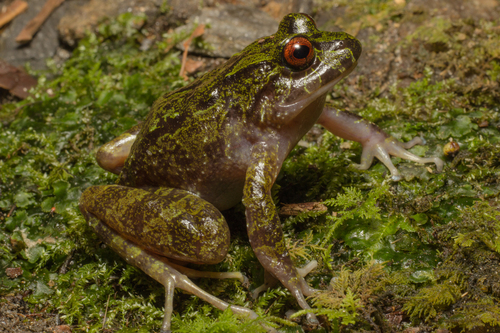
Carmelita's Robber Frog faces severe threats from habitat destruction due to agricultural expansion, logging, and human settlement development within its limited range in Costa Rica. The species' small population size and restricted distribution make it particularly vulnerable to environmental changes and habitat fragmentation.

Carolina redroot
ENLachnanthes caroliniana
Carolina redroot faces significant population declines primarily due to habitat loss from coastal development, agricultural conversion, and wetland drainage. Climate change and sea level rise pose additional threats to its specialized wetland habitats, while altered hydrology from human activities disrupts the specific moisture conditions this species requires.

Carolina Yelloweyed Grass
CRXyris caroliniana
Carolina Yelloweyed Grass faces severe threats primarily from habitat loss and degradation of its specialized wetland ecosystems. The species is restricted to a very limited range in the southeastern United States, making it extremely vulnerable to local environmental changes and human development pressures.

Carrizal Seedeater
CRAmaurospiza carrizalensis
The Carrizal Seedeater faces severe threats primarily from habitat destruction and degradation of its specialized wetland environment in Venezuela. Agricultural expansion, urban development, and water management changes have drastically reduced the availability of suitable marsh and grassland habitats that this species depends on for breeding and foraging.
Carrot Flat-body
VUDepressaria douglasella
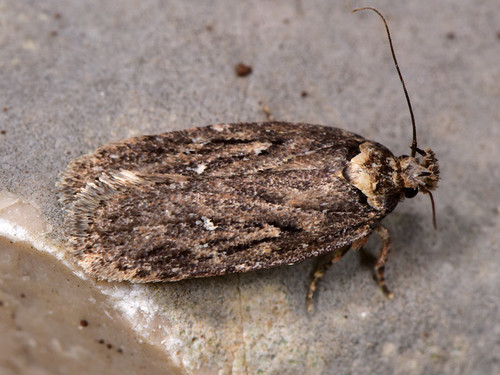
The Carrot Flat-body faces significant threats from habitat loss due to agricultural intensification and urban development, which reduces the availability of its host plants in the carrot family. Climate change poses additional risks by altering the distribution and phenology of both the moth and its food sources, potentially disrupting critical breeding cycles.
Carvalho's tree toad
ENDendrophryniscus carvalhoi
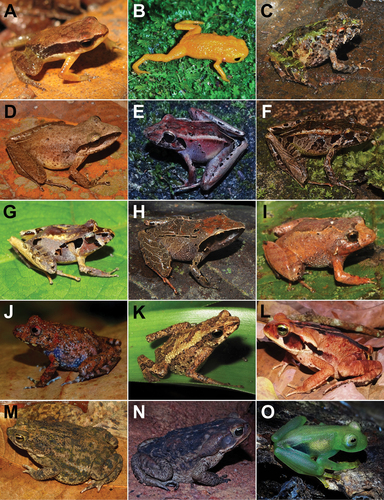
Carvalho's tree toad faces severe population declines primarily due to habitat destruction from deforestation and agricultural expansion in Brazil's Atlantic Forest region. The species' extremely limited range and specialized habitat requirements make it particularly vulnerable to ongoing forest fragmentation and degradation.
Cascadura
ENHelicostylis heterotricha
Helicostylis heterotricha faces severe population decline primarily due to extensive deforestation and habitat fragmentation across its limited range in the Amazon Basin. Agricultural expansion, logging activities, and infrastructure development continue to reduce and fragment the remaining patches of suitable forest habitat.
Caspian Tern
CRHydroprogne caspia
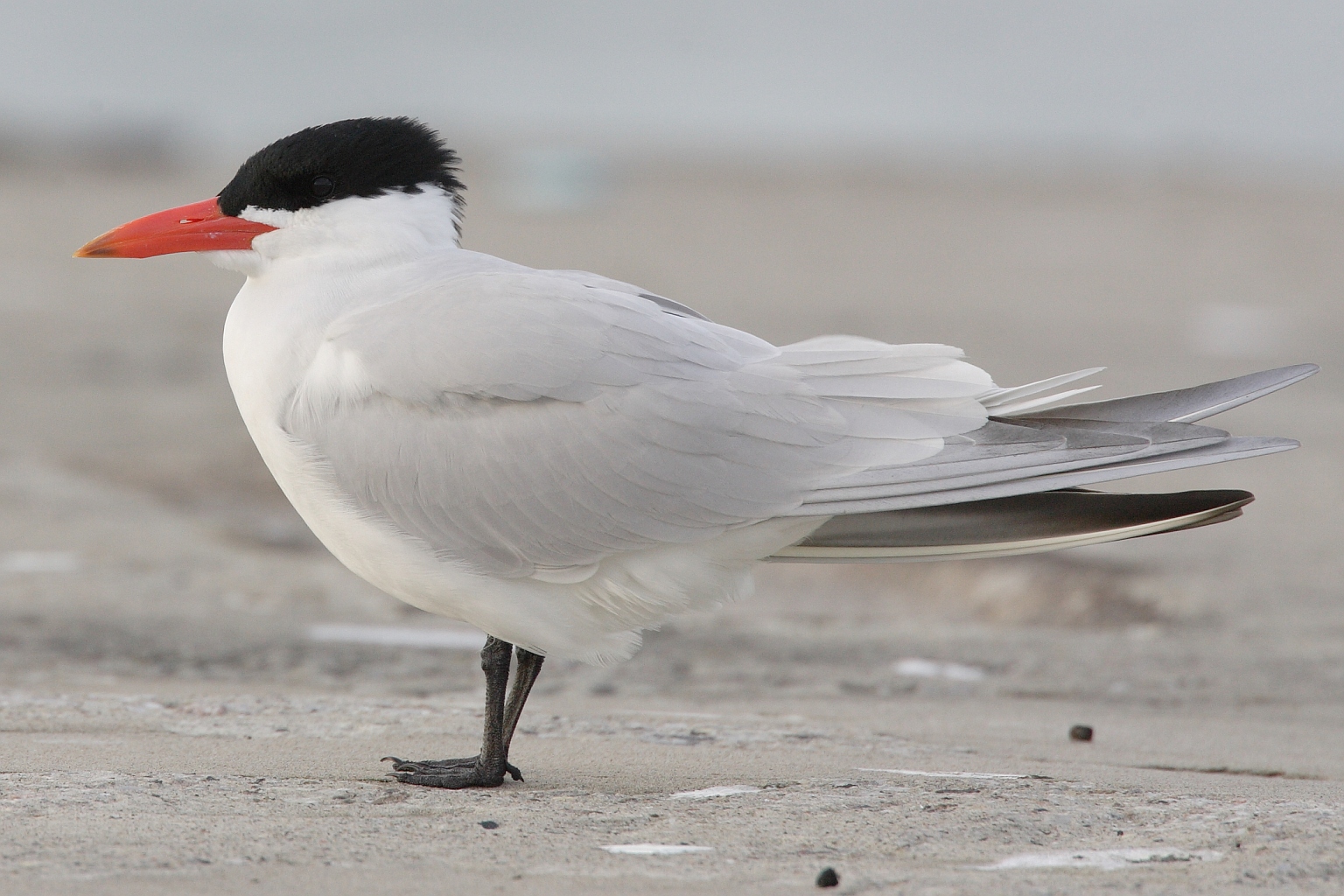
The Caspian Tern faces severe threats from habitat loss due to coastal development, human disturbance at breeding colonies, and climate change impacts on nesting sites. Rising sea levels and increased storm intensity threaten low-lying coastal breeding areas, while pollution and overfishing reduce prey availability in critical feeding waters.

cativo
ENPrioria copaifera
Cativo (Prioria copaifera) is declining primarily due to extensive logging for its valuable timber, which is highly prized for construction and boat building. Habitat destruction from deforestation, agricultural expansion, and urban development has significantly reduced its natural range across Central America and northern South America.
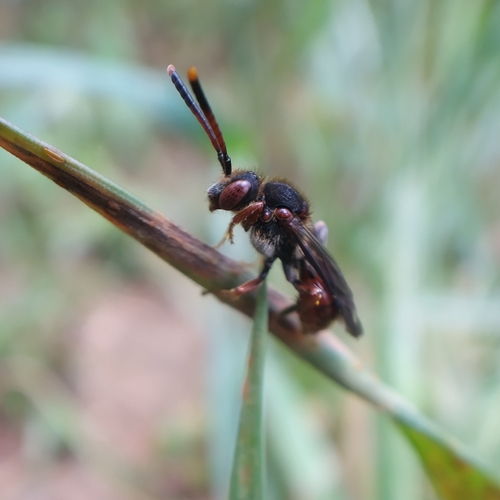
Catsear Nomad Bee
CRNomada integra
The Catsear Nomad Bee faces severe population declines primarily due to habitat loss from agricultural intensification and urban development, which has eliminated much of its specialized host plant communities. As a cleptoparasitic species that depends on specific host bee species, it is particularly vulnerable to disruptions in the broader pollinator community and changes in floral resource availability.

Caucasian Salamander
VUMertensiella caucasica
The Caucasian Salamander faces significant threats from habitat degradation and fragmentation due to deforestation, agricultural expansion, and infrastructure development across its limited range in the Caucasus region. Climate change poses additional risks by altering the cool, moist conditions essential for this species' survival, while pollution from agricultural runoff and urban development further degrades water quality in breeding habitats.
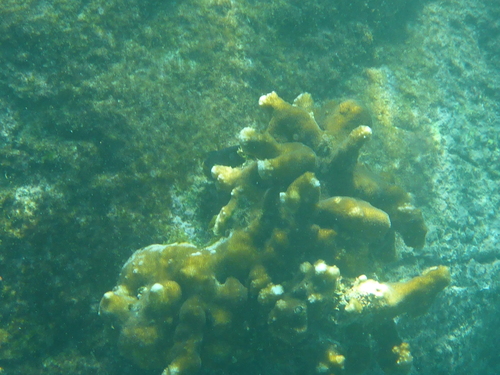
cauliflower coral
VUPocillopora inflata
Pocillopora inflata faces significant threats from climate change-induced ocean warming and acidification, which cause coral bleaching and reduce calcification rates. Coastal development, pollution, and destructive fishing practices further degrade reef ecosystems where this species occurs, while rising sea levels and increased storm intensity associated with climate change pose additional stresses to coral communities.

Ceinture brune (La)
ENPolymixis polymita
Polymixis polymita, the Brown-belt moth, faces severe population declines primarily due to habitat loss and degradation of its specialized woodland environments. Agricultural intensification, urbanization, and changes in woodland management practices have significantly reduced the availability of suitable breeding and foraging habitats.

Cepero's Ground-hopper
VUTetrix ceperoi
Cepero's Ground-hopper faces significant threats from habitat loss and degradation due to agricultural expansion, urbanization, and changes in land use practices across its Mediterranean range. Climate change poses additional risks through altered precipitation patterns and increased drought frequency, which can affect the moist soil conditions and vegetation structure this species requires. The species' restricted distribution and specialized habitat requirements make it particularly vulnerable to environmental changes.
Céraiste de Blytt
CRCerastium blyttii
Cerastium blyttii faces severe threats primarily from habitat loss and degradation due to human activities in its limited alpine and subalpine range. Climate change poses an additional significant threat by altering the specialized high-altitude ecosystems this species depends on. The species' extremely restricted distribution makes it particularly vulnerable to local extinctions from these combined pressures.
Chacarrá
VUBactris coloniata
Chacarrá (Bactris coloniata) faces significant pressure from habitat loss due to agricultural expansion and urban development throughout its range in Central and South America. Deforestation for cattle ranching and palm oil plantations has fragmented populations, while climate change is altering precipitation patterns critical for this palm's reproduction and survival.

Chafer
CRGnorimus variabilis
Gnorimus variabilis faces severe population decline primarily due to habitat loss from deforestation and the removal of old-growth trees containing the hollow trunks essential for its larval development. The species' dependence on ancient woodland ecosystems makes it extremely vulnerable to forest fragmentation and modern forestry practices that eliminate dead and dying trees.
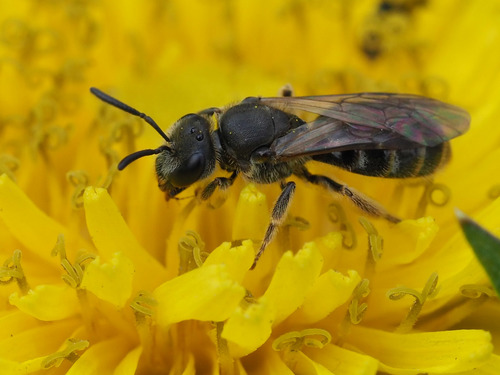
Chalk Furrow Bee
VULasioglossum fulvicorne
The Chalk Furrow Bee faces significant threats from habitat loss due to agricultural intensification and urban development, which destroys the chalk grasslands and calcareous soils it depends on for nesting. Climate change and the widespread use of pesticides further compound these pressures, reducing both suitable habitat and available food sources from wildflowers.
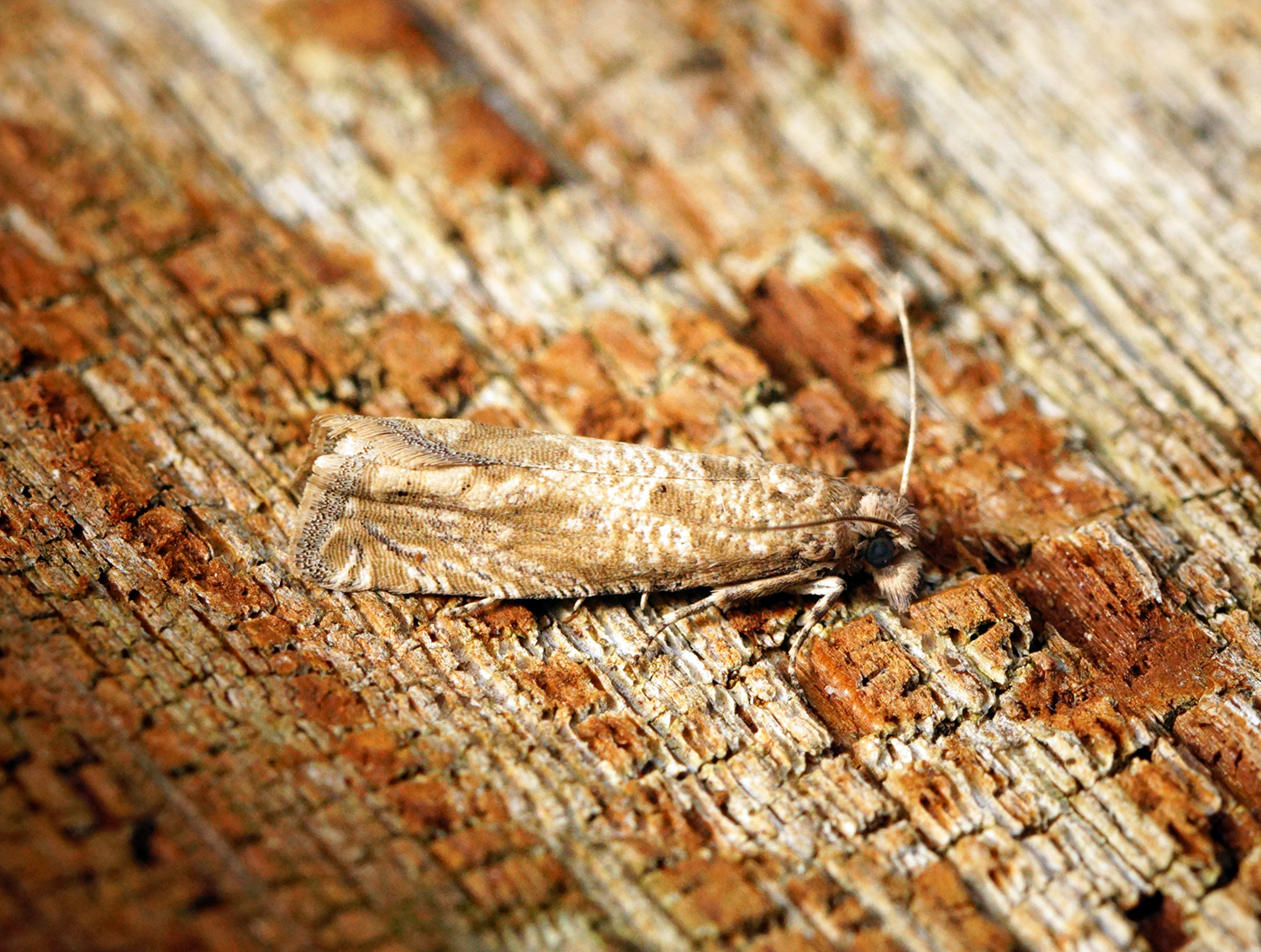
Chalk-hill Bell, Chalk Hill Tortrix
ENPelochrista caecimaculana
The Chalk Hill Tortrix is primarily threatened by habitat loss and degradation of its specialized chalk downland habitat due to agricultural intensification, urban development, and changes in traditional grazing management. The species' highly restricted distribution and specific ecological requirements make it particularly vulnerable to local extinctions from habitat fragmentation and climate change impacts on chalk grassland ecosystems.

Chalk-hill Blue
VULysandra coridon
The Chalk-hill Blue butterfly faces significant population declines across its range due to habitat loss and degradation of its specialized calcareous grassland ecosystems. Climate change and agricultural intensification have reduced the availability of suitable breeding sites and host plants, while habitat fragmentation has isolated remaining populations and reduced genetic diversity.
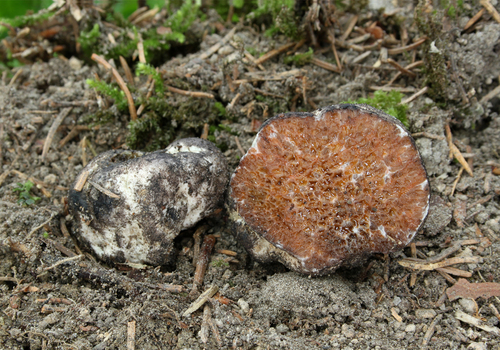
Chalky False Truffle
VUOctaviania asterosperma
The Chalky False Truffle faces significant threats from habitat loss due to deforestation and land conversion in its native forest ecosystems. Climate change poses additional risks by altering soil conditions and mycorrhizal relationships essential for this underground fungus. Limited distribution and specialized ecological requirements make populations particularly vulnerable to environmental disturbances.

Chamomile Conch
VUCochylidia implicitana
The Chamomile Conch faces significant threats from habitat loss due to agricultural expansion and urban development in its native European range. Climate change is altering the phenology of its host plants, disrupting the synchronization between larval emergence and optimal feeding conditions, while pesticide use in agricultural areas directly impacts both the species and its food sources.
Champi Doi
CRMagnolia gustavi
Magnolia gustavi faces severe population decline primarily due to habitat destruction from deforestation and agricultural expansion in its limited range in Thailand and Myanmar. The species is further threatened by its extremely small population size and restricted distribution, making it highly vulnerable to environmental changes and human disturbances.
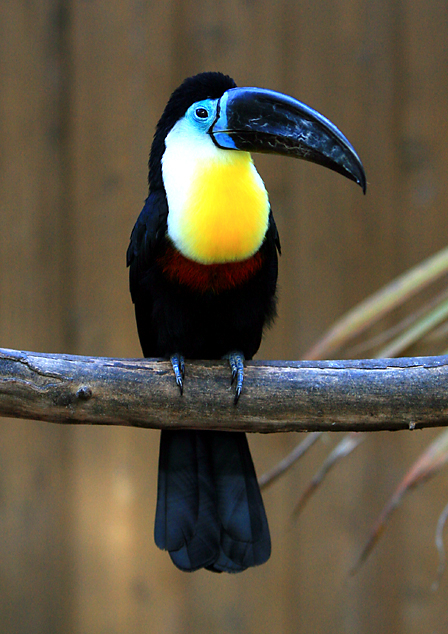
Channel-billed Toucan
VURamphastos vitellinus
The Channel-billed Toucan faces significant pressure from widespread deforestation and habitat fragmentation across its South American range, particularly due to agricultural expansion, logging, and infrastructure development. Additionally, the species is threatened by capture for the illegal pet trade, as toucans are highly sought after for their striking appearance and charismatic nature.

Chapman's Green Hairstreak
VUCallophrys avis
Chapman's Green Hairstreak faces significant threats from habitat loss and degradation due to agricultural expansion and urban development across its range. Climate change poses additional risks by altering the distribution and phenology of its host plants, while habitat fragmentation isolates populations and reduces genetic diversity.

Charançon à dents de sabre
ENLixus paraplecticus
Lixus paraplecticus faces severe population declines primarily due to habitat loss and degradation of its specialized coastal and wetland environments. Agricultural intensification and coastal development have significantly reduced the availability of suitable host plants and breeding sites.

Charmer Pinkgill
ENEntoloma callirhodon
The Charmer Pinkgill faces severe population declines primarily due to habitat loss from agricultural expansion and urban development in its limited range. Climate change and pollution further threaten the specific soil and vegetation conditions this fungus requires for survival.

Chequered Blue
VUScolitantides orion
The Chequered Blue faces significant threats from habitat loss and degradation due to agricultural intensification, urbanization, and changes in traditional land management practices across its European range. Climate change poses additional risks by altering the distribution and phenology of its host plants and affecting the delicate ecological relationships this specialized butterfly depends upon.

Chequered Skipper Butterfly
VUCarterocephalus palaemon
The Chequered Skipper Butterfly faces significant threats from habitat loss and fragmentation due to changes in woodland management practices and agricultural intensification. Climate change poses additional risks by altering the distribution and quality of suitable habitats, while the species' specialized habitat requirements and limited dispersal ability make populations particularly vulnerable to local extinctions.

Chestnut Groundling
VUTeleiodes flavimaculella
The Chestnut Groundling faces significant threats from habitat loss and degradation due to agricultural intensification and urban development across its European range. Climate change is altering the distribution and phenology of its host plants, disrupting critical breeding cycles and larval development.

Chestnut Wrinkle Lichen
VUCetraria sepincola
Chestnut Wrinkle Lichen faces significant threats from air pollution, particularly nitrogen deposition and sulfur compounds, which alter its sensitive epiphytic habitat requirements. Climate change and habitat loss through deforestation and urban development further compromise the specific microclimate conditions this species requires on tree bark and wooden substrates.

Chestnut-bellied Cotinga
VUDoliornis remseni
The Chestnut-bellied Cotinga faces significant threats from habitat loss and fragmentation due to deforestation, mining activities, and agricultural expansion within its limited range in the Peruvian Andes. Its restricted distribution and specialized habitat requirements make it particularly vulnerable to environmental changes and human encroachment.
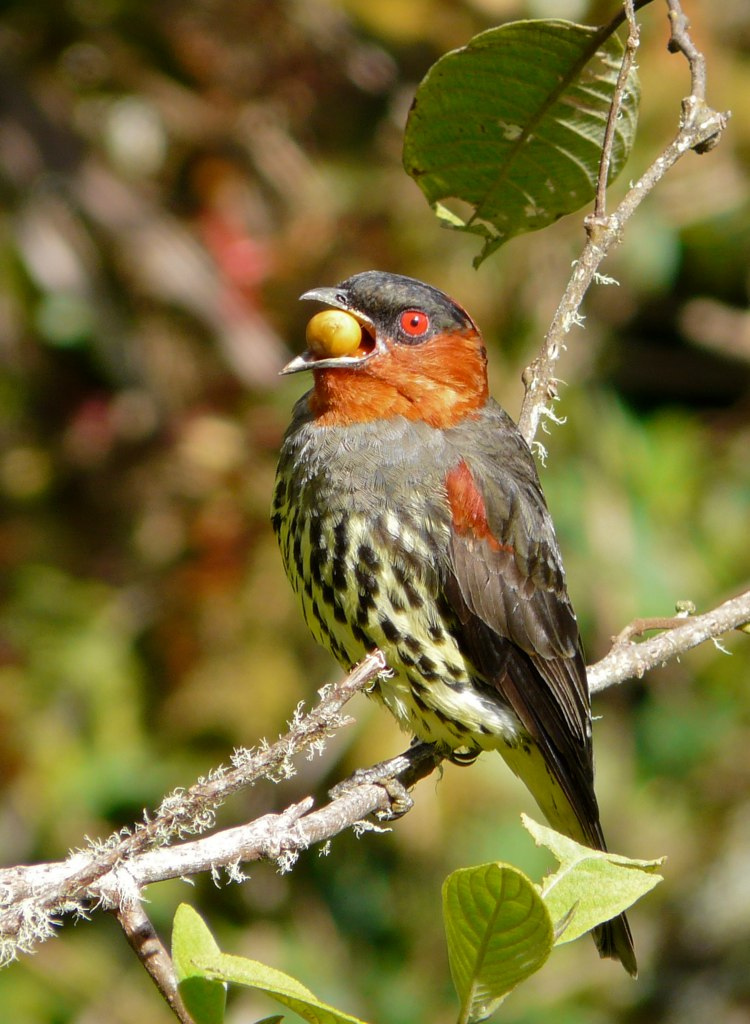
Chestnut-crested Cotinga
VUAmpelion rufaxilla
The Chestnut-crested Cotinga faces significant pressure from habitat loss and fragmentation due to deforestation, mining, and agricultural expansion throughout its Andean range. Climate change poses additional risks by altering the temperature and precipitation patterns of its specialized montane forest habitats. The species' relatively small population size and restricted elevational range make it particularly vulnerable to these ongoing threats.

Chestnut-throated Seedeater
CRSporophila telasco
The Chestnut-throated Seedeater faces severe population decline primarily due to extensive habitat loss from agricultural expansion and urbanization in its limited range in Peru. The species' specialized habitat requirements and small population size make it extremely vulnerable to ongoing environmental pressures and human disturbance.

Chestnut-throated Spinetail
ENSynallaxis cherriei
The Chestnut-throated Spinetail faces severe population declines primarily due to extensive habitat loss from agricultural expansion and urban development throughout its limited range in Colombia and Venezuela. The species' restricted distribution and specialized habitat requirements make it particularly vulnerable to ongoing deforestation and land conversion pressures.
Chibchan Water Mouse
VUChibchanomys trichotis
The Chibchan Water Mouse faces significant threats from habitat loss and degradation due to deforestation, agricultural expansion, and human settlement development throughout its limited range in Central and South America. Its specialized semi-aquatic lifestyle makes it particularly vulnerable to water pollution and alterations to riparian ecosystems, while climate change poses additional risks to the specific moisture and temperature conditions it requires.
Chiemsee-Renke
CRCoregonus hoferi
The Chiemsee-Renke is critically endangered due to habitat degradation and eutrophication of Lake Chiem in Bavaria, Germany. The species faces severe pressure from water quality deterioration, invasive species competition, and potential hybridization with introduced whitefish species.

Chilean Flamingo
VUPhoenicopterus chilensis
Chilean Flamingos face significant threats from habitat loss and degradation of their specialized wetland environments, particularly due to mining activities, water extraction, and agricultural development in South America's high-altitude salt lakes and coastal lagoons. Climate change and human disturbance at breeding and feeding sites further compound these pressures, making populations vulnerable to decline.

Chinese Character
VUCilix glaucata
The Chinese Character moth faces significant population pressures from habitat loss due to agricultural intensification and urban development, which reduces the availability of its host plants including hawthorn, blackthorn, and other Rosaceae species. Climate change and increased pesticide use in agricultural areas further threaten remaining populations across its range.
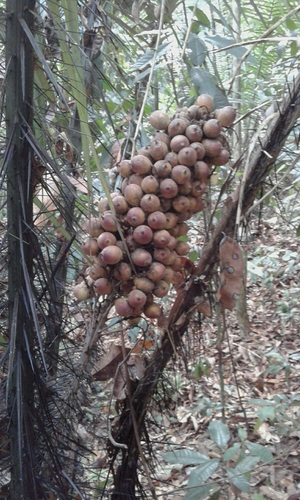
chingalé
ENAstrocaryum malybo
Astrocaryum malybo faces severe population decline primarily due to habitat destruction from agricultural expansion and urban development in its limited range. The species is further threatened by over-harvesting of its fruits and palm hearts for local consumption and commercial use.

Chocó Tapaculo
ENScytalopus chocoensis
The Chocó Tapaculo faces severe population decline primarily due to extensive deforestation and habitat conversion in Colombia's Chocó region. Mining activities, agricultural expansion, and logging operations continue to fragment and destroy the humid montane forests this species depends on for survival.

Chocó Tinamou
VUCrypturellus kerriae
The Chocó Tinamou faces significant threats from rapid deforestation and habitat fragmentation throughout its limited range in the biodiverse Chocó region of western Colombia and Ecuador. Agricultural expansion, logging, and human settlement development continue to reduce and fragment the lowland and foothill forests this ground-dwelling bird depends on for survival.

Chocó Vireo
VUVireo masteri
The Chocó Vireo faces significant threats from habitat loss and fragmentation due to deforestation, agricultural expansion, and mining activities within its limited range in the biodiverse Chocó region. Its restricted distribution makes the species particularly vulnerable to localized threats, while climate change may further alter the humid forest conditions it depends upon.

Chocó Woodpecker
VUVeniliornis chocoensis
The Chocó Woodpecker faces significant threats from rapid deforestation and habitat fragmentation throughout its limited range in the biodiverse Chocó region of western Colombia and Ecuador. Logging operations, agricultural expansion, and palm oil plantations continue to reduce and fragment the humid lowland forests this species depends on for nesting and foraging.

Chocolate arion
VUArion rufus
The Chocolate arion faces significant threats from habitat degradation and fragmentation due to agricultural intensification, urbanization, and changes in land management practices. Climate change poses additional risks through altered precipitation patterns and temperature regimes that affect the moist conditions essential for this species' survival. Pollution from pesticides and fertilizers further compounds these pressures on vulnerable populations.

Chocolate-vented Tyrant
VUNeoxolmis rufiventris
The Chocolate-vented Tyrant faces significant threats from habitat loss and degradation across its range in South American grasslands and shrublands. Agricultural expansion, overgrazing by livestock, and conversion of native grasslands to cropland have reduced suitable breeding and foraging habitat. Climate change may further impact this species by altering precipitation patterns and vegetation composition in its preferred open habitats.

Christmas Island Shrew
CRCrocidura trichura
The Christmas Island Shrew faces severe threats primarily from habitat destruction and degradation caused by invasive species and human activities on Christmas Island. The species' extremely limited range makes it particularly vulnerable to any environmental changes, with invasive ants, cats, and habitat clearing for development posing the greatest risks to its survival.

Chupalla
VUPuya clava-herculis
Puya clava-herculis faces significant threats from habitat loss due to agricultural expansion and urban development in its native Chilean range. Climate change poses additional risks through altered precipitation patterns and increased drought frequency, which can severely impact this specialized bromeliad's water requirements and reproductive success.

Cidarie dérangée (La)
ENColostygia turbata
Colostygia turbata is declining primarily due to habitat loss and degradation of its specialized montane environments. Climate change poses an additional threat by altering the temperature and moisture conditions required by both the moth and its host plants.