Species Explorer
Browse and search species from the IUCN Red List and GBIF.
54,666 species
Arabo jiba
ENErythroxylum roigii
Erythroxylum roigii faces severe threats primarily from habitat destruction due to agricultural expansion and urban development in its limited range in Cuba. The species' extremely restricted distribution makes it particularly vulnerable to localized threats, with small population sizes increasing extinction risk from stochastic events.
Arahara
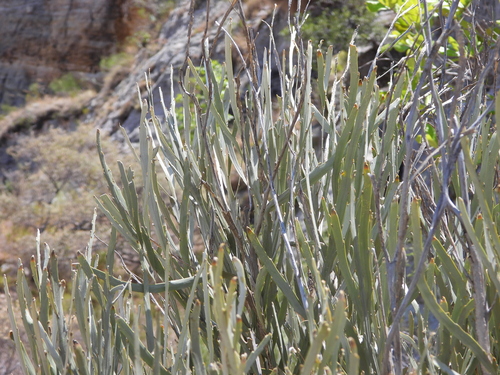
ENPhylloxylon xiphocladum
Arahara (Phylloxylon xiphocladum) is primarily threatened by habitat loss and degradation due to agricultural expansion, urban development, and invasive plant species in its native Mascarene Islands range. The species' extremely limited distribution and small population size make it particularly vulnerable to environmental changes and human activities.
arakeu, arakeu-seine, arateu, arateu-seine
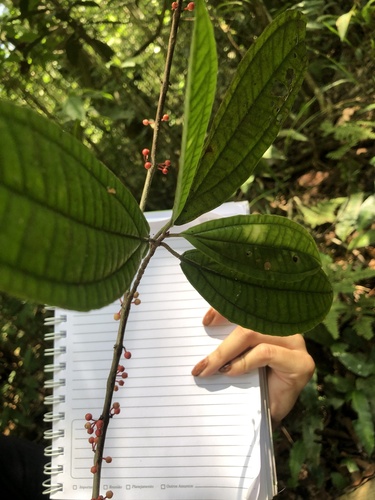
ENHenriettea ramiflora
Henriettea ramiflora faces severe population decline primarily due to extensive deforestation and habitat conversion for agriculture and urban development across its limited range in the Caribbean. The species' restricted distribution makes it particularly vulnerable to habitat loss, while climate change poses additional threats to its specialized montane forest ecosystem.

arara nut-tree
VUJoannesia princeps
The arara nut-tree faces significant pressure from habitat loss due to deforestation and agricultural expansion throughout its Atlantic Forest range. Additional threats include selective logging for its valuable timber and limited natural regeneration due to seed collection and fragmented populations.

Aratathomas's Yellow-shouldered Bat
VUSturnira aratathomasi
Aratathomas's Yellow-shouldered Bat faces significant threats from habitat loss due to deforestation and agricultural expansion across its limited range in South America. The species' restricted distribution makes it particularly vulnerable to environmental changes and human encroachment into its forest habitats.

Arched Earthstar
VUGeastrum fornicatum
The Arched Earthstar faces significant threats from habitat degradation and loss of suitable woodland environments due to deforestation, agricultural expansion, and urban development. Climate change and altered precipitation patterns further threaten the specific moisture and temperature conditions this fungus requires for reproduction and survival.

Arched Woodwax
VUHygrophorus camarophyllus
The Arched Woodwax faces significant threats from habitat degradation and loss of old-growth forest ecosystems where it forms essential mycorrhizal relationships with mature trees. Climate change is altering precipitation patterns and temperature regimes that are critical for this fungus's fruiting cycles and spore dispersal. Additionally, air pollution and acid deposition are compromising the delicate soil chemistry balance required for its survival.

arctic aster
CREurybia sibirica
Based on the available data, the specific threats facing arctic aster have not yet been formally assessed or documented by conservation scientists. Without this threat assessment, it's not possible to identify what particular dangers this plant species may be facing, such as development pressures, climate changes, or other environmental challenges. The status of threats to arctic aster cannot be determined as increasing, stable, or decreasing until a proper scientific evaluation is completed.
Arctic marsh sedge
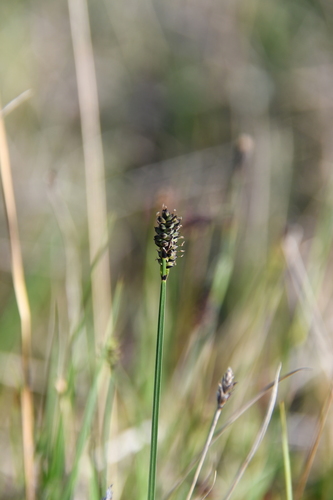
VUCarex holostoma
Arctic marsh sedge faces significant threats from climate change-induced habitat loss as warming temperatures alter Arctic wetland ecosystems and permafrost dynamics. The species' restricted distribution in specialized Arctic marsh habitats makes it particularly vulnerable to environmental changes and human disturbances in the Arctic region.
Arctic Mushroom Scales Lichen
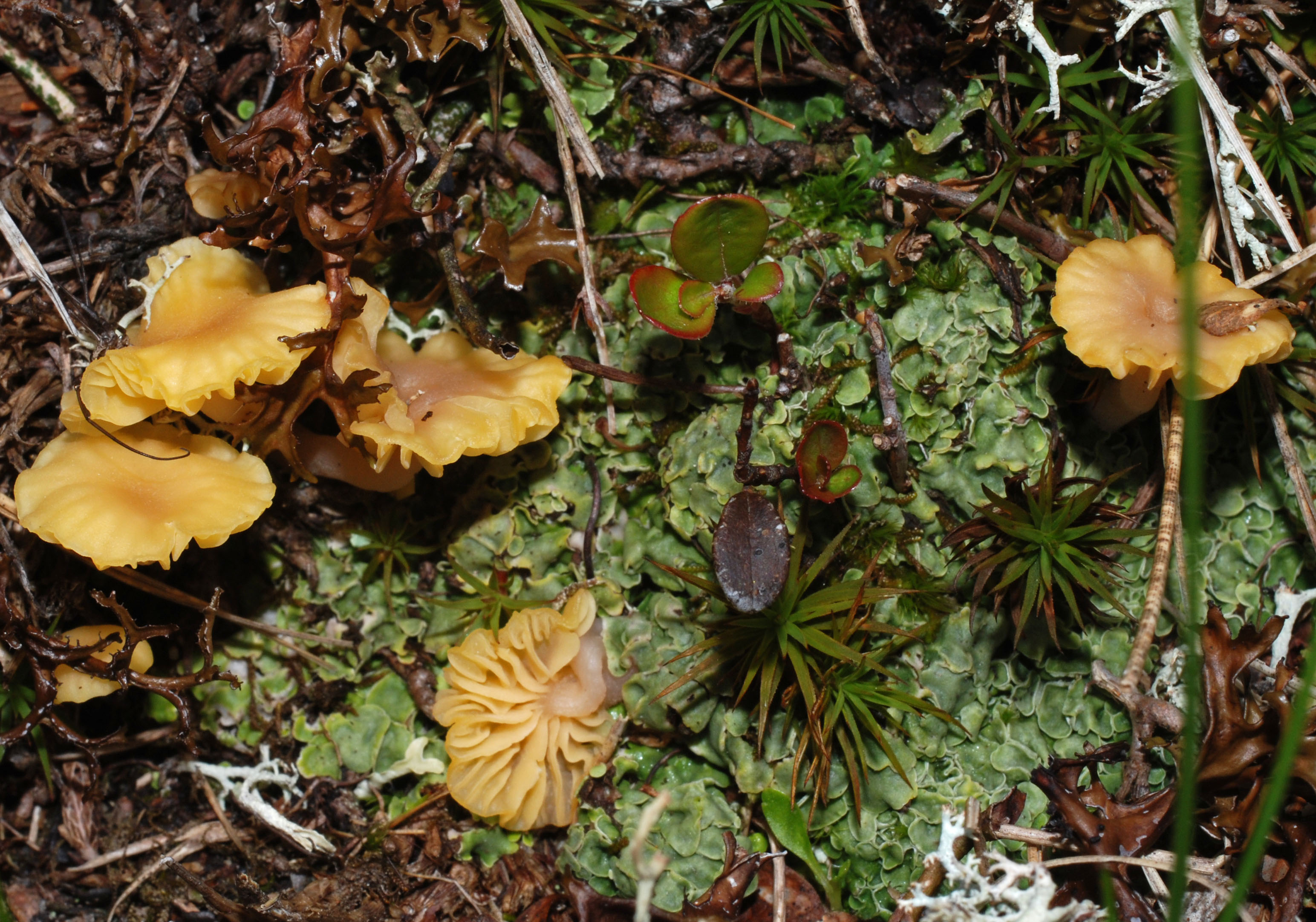
CRLichenomphalia hudsoniana
The threats to Arctic Mushroom Scales Lichen have not been formally assessed or documented by scientists. Without this assessment, it's unclear what specific dangers this species faces, such as climate change effects on Arctic environments, pollution, or habitat disturbance from human activities. The status of threats to this species cannot be determined as increasing, stable, or decreasing due to the lack of available threat data.
Arctic Rush
CRJuncus arcticus
Arctic Rush faces primary threats from climate change, which disrupts the cold, wet arctic conditions essential for its survival. Habitat degradation from human development and resource extraction in arctic regions further threatens remaining populations.
Arctic Rustwort
CRMarsupella arctica
The specific threats to Arctic Rustwort have not been formally assessed or documented by conservation scientists. Without this threat assessment data, it's not possible to identify what particular dangers this Arctic moss species may be facing, such as climate change impacts, habitat disturbance, or other environmental pressures. The status of threats to this species cannot be determined as increasing, stable, or decreasing due to the lack of available threat information.

Arctic Warbler
ENPhylloscopus borealis
The Arctic Warbler faces significant population declines primarily due to habitat loss from deforestation and agricultural conversion in both breeding and wintering grounds. Climate change is altering the timing of insect emergence, disrupting the species' breeding cycle and food availability during critical periods.
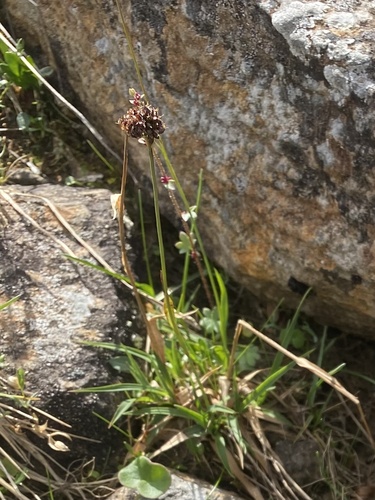
arctic woodrush
ENLuzula nivalis
Arctic woodrush faces severe threats from climate change, as rising temperatures and altered precipitation patterns degrade its specialized high-altitude and arctic habitats. The species' extremely limited distribution and small population sizes make it particularly vulnerable to habitat loss and fragmentation from human activities and environmental changes.
arktisk tigerfluge
ENSericomyia arctica
Sericomyia arctica faces significant threats from climate change, which is altering Arctic and subarctic ecosystems where this hoverfly species depends on specific temperature and moisture conditions. Habitat degradation from human activities and changing precipitation patterns further threaten the specialized bog and wetland environments this species requires for breeding and survival.
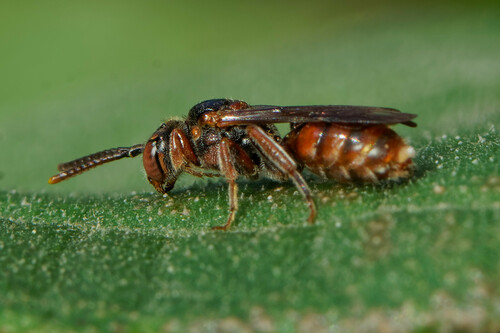
Armed Nomad Bee
VUNomada armata
The Armed Nomad Bee faces significant threats from habitat loss due to agricultural intensification and urbanization, which reduces availability of both host bee populations and suitable nesting sites. Climate change and pesticide use further compound these pressures, disrupting the delicate ecological relationships this cuckoo bee depends on for survival.
armfibbla
CRHieracium manocolum
Based on the available data, the specific threats facing armfibbla (Hieracium manocolum) have not yet been formally assessed or documented by researchers. Without this threat assessment, it's not possible to identify what particular dangers this species may be facing in its natural habitat. The current status of whether any threats are increasing, stable, or decreasing cannot be determined until a proper scientific evaluation is completed.
ärnäsfibbla
CRHieracium molucratum
The threats to ärnäsfibbla (Hieracium molucratum) have not been assessed, meaning scientists have not yet studied what dangers this species may be facing in the wild. Without this assessment, it's unclear what specific challenges - such as habitat destruction, climate change, or other factors - might be affecting the plant's survival. The trend of these unknown threats cannot be determined until a proper threat evaluation is completed.

Arnold’s Powdered Ruffle Lichen
CRParmotrema arnoldii
Arnold's Powdered Ruffle Lichen faces severe threats from habitat destruction through deforestation and forest fragmentation, which eliminates the mature trees it depends on for survival. Air pollution poses an additional significant threat, as lichens are highly sensitive to atmospheric contaminants that can disrupt their symbiotic relationships and physiological processes.
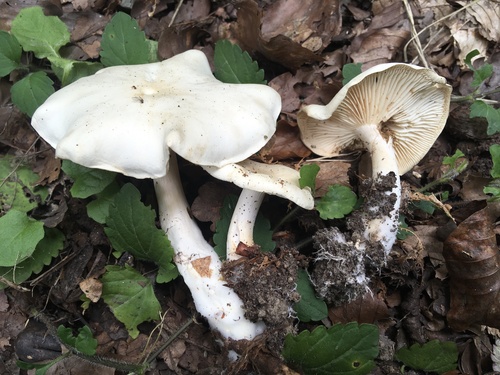
Aromatic Knight
CRTricholoma lascivum
The threats to Aromatic Knight (Tricholoma lascivum) have not been assessed or documented by scientists yet. Without this assessment, it's unclear what specific dangers this mushroom species might be facing in its natural habitat. The status of threats to this species - whether they are getting worse, staying the same, or improving - cannot be determined without proper scientific evaluation.
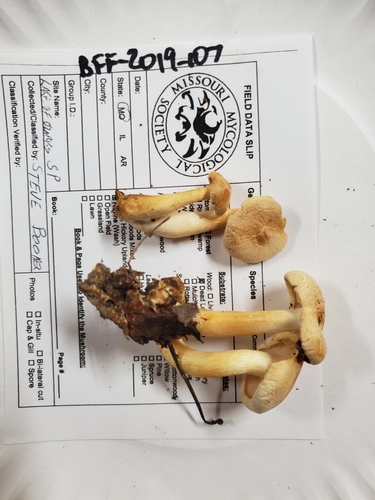
Aromatic Meadowcap
CRPogonoloma spinulosum
The threats to the Aromatic Meadowcap mushroom have not been assessed or documented by scientists yet. Without this information, it's unclear what specific dangers this species faces in the wild, such as habitat destruction, pollution, or climate change impacts. The trend of threats cannot be determined since no threat assessment has been conducted.
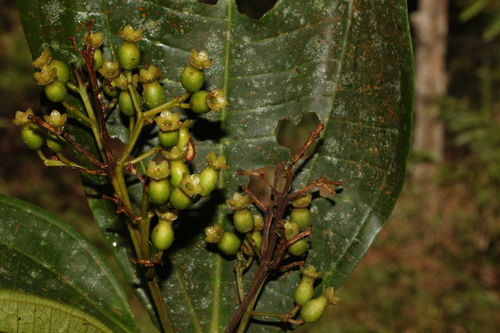
Arracacho
ENTessmannianthus quadridomius
Tessmannianthus quadridomius faces severe population decline primarily due to extensive deforestation and habitat fragmentation across its limited range in the Amazon Basin. Agricultural expansion, logging activities, and infrastructure development have significantly reduced the availability of suitable forest habitat, while the species' restricted distribution makes it particularly vulnerable to localized threats.
Arran Brown
CRErebia ligea
The Arran Brown faces threats from habitat loss and degradation, particularly changes to woodland structure and management practices that affect its specialized habitat requirements. Climate change and the species' extremely limited distribution make it highly vulnerable to environmental fluctuations. Small population size increases risks from genetic bottlenecks and random demographic events.
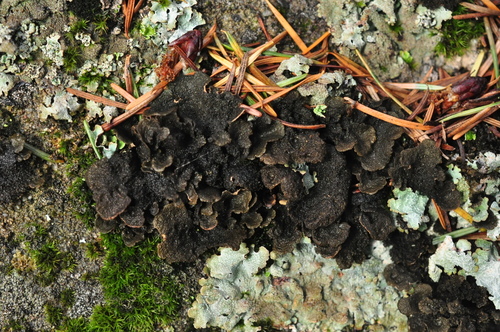
ärrlav
CRSticta sylvatica
The primary threats to ärrlav (Sticta sylvatica) have not been assessed or documented in available scientific literature. Without a formal threat assessment, it's unclear what specific dangers this species faces or how human activities might be impacting its populations. The status of threats to this species - whether they are increasing, stable, or decreasing - cannot be determined without proper scientific evaluation.
Arrow Stargazer
VUMyxodagnus sagitta
The Arrow Stargazer faces significant threats from coastal development and habitat degradation throughout its range in shallow marine environments. Bottom trawling and other destructive fishing practices damage the sandy and muddy substrates essential for this species' burrowing lifestyle, while pollution from coastal runoff further degrades water quality in critical habitats.
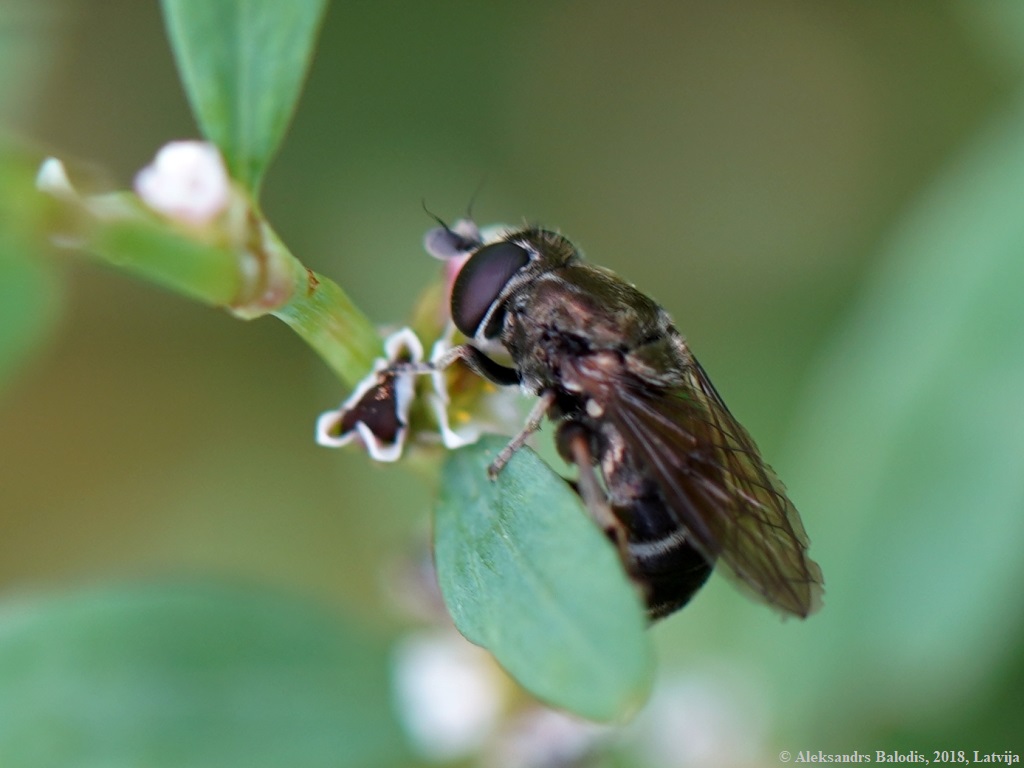
Artiskok-urtesvirreflue
VUCheilosia vulpina
Cheilosia vulpina faces significant threats from habitat loss and degradation due to agricultural intensification and urbanization affecting its specialized woodland and forest edge habitats. Climate change poses additional risks by altering the phenology of host plants and disrupting the delicate timing between adult emergence and larval food availability. The species' dependence on specific plant hosts makes it particularly vulnerable to environmental changes.
arunvivel
VUSmicronyx reichei
Smicronyx reichei faces significant threats from habitat loss and degradation due to agricultural expansion and urbanization across its range. As a specialized weevil species with specific host plant requirements, it is particularly vulnerable to changes in vegetation composition and the loss of native plant communities that support its lifecycle.

Ash
VUFraxinus excelsior
European Ash faces severe population decline primarily due to ash dieback disease caused by the invasive fungal pathogen Hymenoscyphus fraxineus, which has devastated ash populations across Europe since the 1990s. Additional pressures from the invasive emerald ash borer beetle, habitat fragmentation, and climate change further threaten the species' long-term survival.

Ash-black Slug
CRLimax cinereoniger
The Ash-black Slug faces severe threats from habitat destruction through deforestation and urban development, which has fragmented and eliminated much of its required old-growth forest habitat. Climate change and air pollution further degrade the stable, humid forest conditions essential for the species' survival.

Ash-breasted Antbird
VUMyrmoborus lugubris
The Ash-breasted Antbird faces significant pressure from widespread deforestation and habitat fragmentation throughout its range in the Amazon Basin. As a forest-dependent species that requires intact understory vegetation, it is particularly vulnerable to logging, agricultural expansion, and infrastructure development that fragment its continuous forest habitat.

Ash-browed Spinetail
VUCranioleuca curtata
The Ash-browed Spinetail faces significant pressure from habitat loss and fragmentation due to deforestation, agricultural expansion, and urban development throughout its range in South American montane forests. Climate change poses additional risks by altering the temperature and precipitation patterns of its specialized high-altitude habitats. The species' restricted range and specific habitat requirements make it particularly vulnerable to these ongoing environmental pressures.

Ashen Coral
VUTremellodendropsis tuberosa
Ashen Coral faces significant threats from habitat degradation and climate change impacts on forest ecosystems. Deforestation, logging activities, and changing precipitation patterns threaten the specific microhabitat conditions this fungal species requires for survival and reproduction.
Ashen Knight
CRTricholoma virgatum
The primary threats to the Ashen Knight mushroom have not been assessed or documented by researchers. Without a formal threat assessment, it's unclear what specific dangers this species faces, whether from habitat changes, pollution, climate shifts, or other factors. The status of threats to this species cannot be determined as increasing, stable, or decreasing due to the lack of available data.
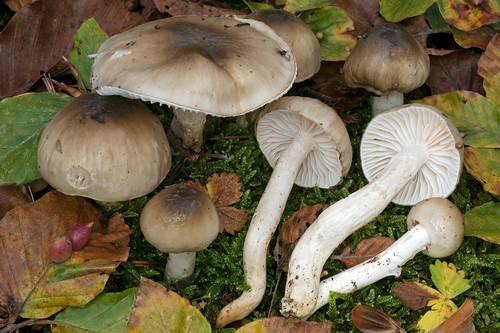
Ashen Woodwax
VUHygrophorus mesotephrus
Ashen Woodwax faces significant threats from habitat loss due to deforestation and forest degradation, which reduces the availability of suitable mycorrhizal host trees essential for its survival. Climate change poses additional risks by altering temperature and moisture regimes that this fungus depends on for fruiting and spore dispersal. Air pollution and acid deposition may also negatively impact both the fungus and its symbiotic tree partners.

askdvärgbock
VUTetrops starkii
Tetrops starkii faces significant threats from habitat loss due to deforestation and forest fragmentation across its range. The species' dependence on specific host trees makes it particularly vulnerable to changes in forest composition and structure. Climate change may further impact the availability of suitable breeding habitats and host plant species.
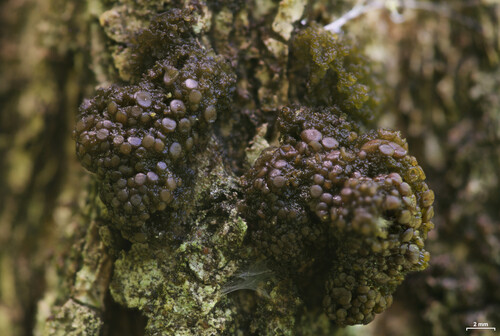
askeglye
CRCollema leptaleum
The primary threats to askeglye (Collema leptaleum) have not been assessed or documented by scientists yet. Without a proper threat assessment, it's unclear what specific dangers this species faces or how human activities might be affecting its survival. The status of threats to this species cannot be determined as increasing, stable, or decreasing due to the lack of available data.

Asksavblomfluga
VUBrachyopa scutellaris
Brachyopa scutellaris faces significant threats from habitat loss and degradation as wetland ecosystems continue to decline across its range. Climate change poses additional risks by altering the hydrology and plant communities of bog and fen habitats that this specialized hoverfly depends upon. The species' narrow ecological requirements and dependence on specific microhabitats make it particularly vulnerable to environmental changes.
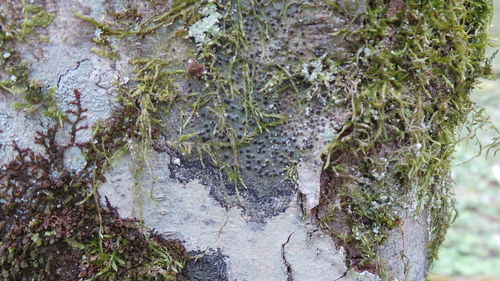
askvårtlav
ENPyrenula nitidella
Pyrenula nitidella faces severe decline primarily due to air pollution and habitat degradation affecting the old-growth deciduous forests where it occurs. The species is particularly vulnerable to changes in air quality and forest management practices that alter the microclimate conditions required for this specialized lichen.
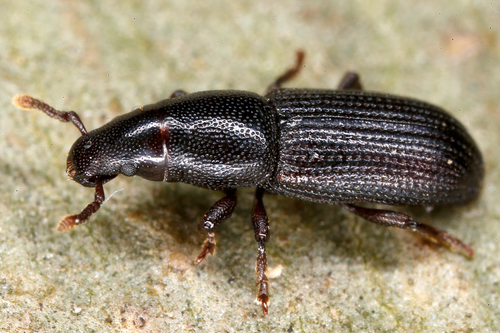
askvedvivel
VURhyncolus punctatulus
The askvedvivel faces significant pressure from habitat degradation and fragmentation of its specialized woodland environments. Agricultural expansion and urban development have reduced the availability of suitable dead wood substrates essential for larval development, while climate change may be altering the moisture conditions required for successful reproduction.

Aspen Fomes
VUPhellinus tremulae
Aspen Fomes faces significant threats from habitat loss due to deforestation and forest management practices that reduce the availability of its host trees. Climate change poses additional risks by altering forest composition and affecting the health of aspen populations that this fungus depends upon for survival.
aspskinn
ENConferticium ravum
Conferticium ravum faces severe population declines primarily due to habitat loss from deforestation and agricultural expansion in its limited range. The species' specialized ecological requirements and small population size make it particularly vulnerable to environmental changes and human disturbance.
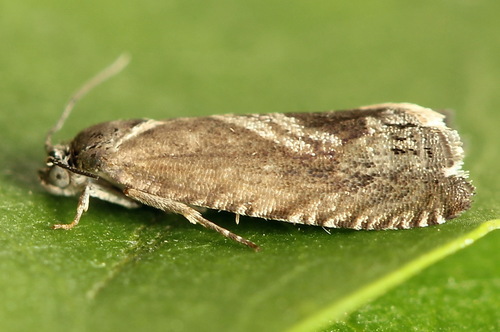
aspskogsvecklare
ENCydia cornucopiae
Cydia cornucopiae is declining primarily due to habitat loss from deforestation and forest fragmentation in its native European range. The species is particularly vulnerable because of its specialized relationship with specific host trees and its limited dispersal ability.
asptagging
VURadulodon erikssonii
Radulodon erikssonii faces significant threats from habitat loss due to deforestation and intensive forest management practices that remove the old-growth deciduous trees it depends on. The species' specialized ecological requirements for specific substrate conditions and microhabitats make it particularly vulnerable to forest fragmentation and changes in forest composition.
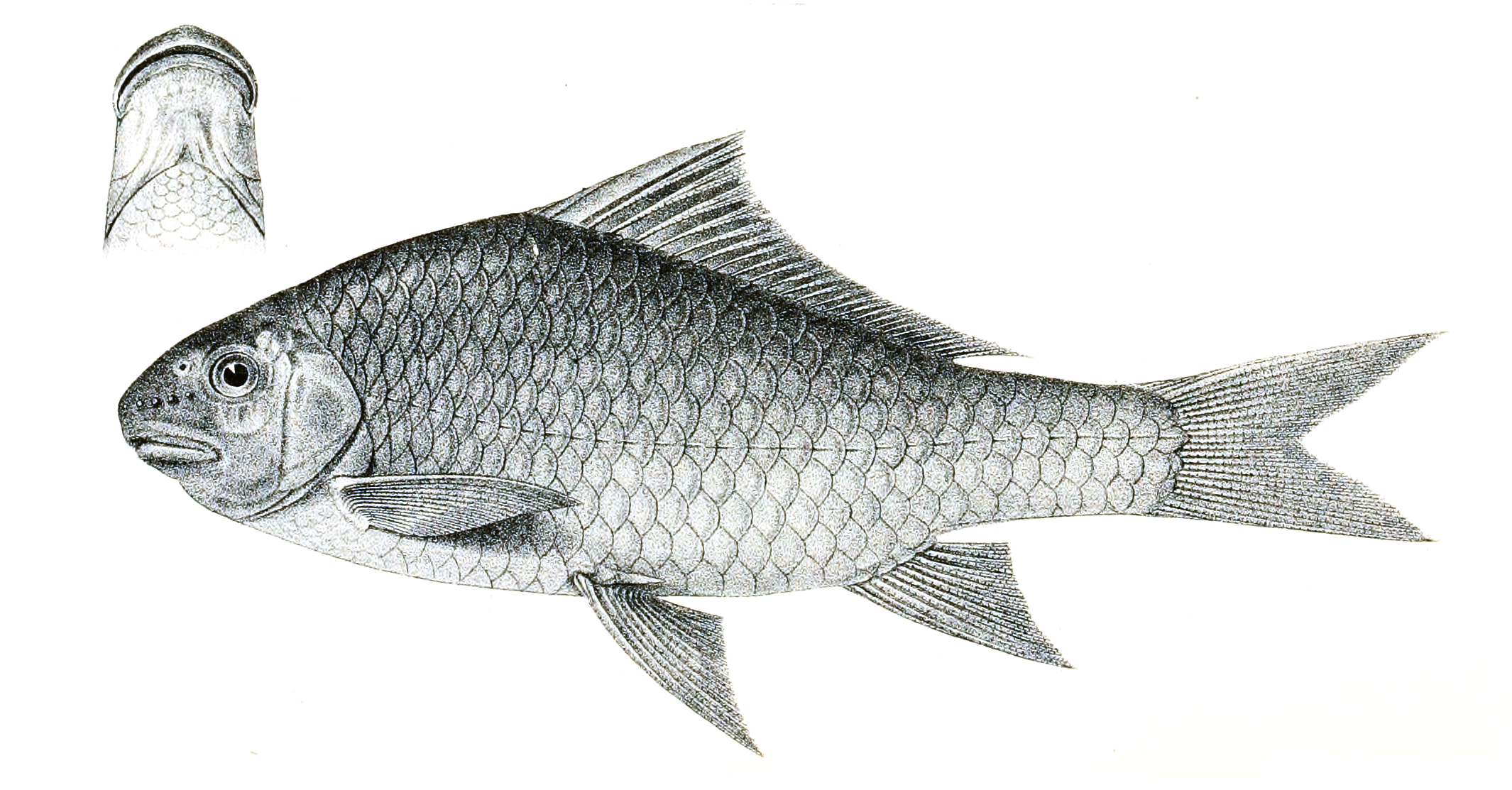
Assamese Kingfish
VUCyprinion semiplotum
The Assamese Kingfish faces significant population declines primarily due to habitat degradation from dam construction, water pollution, and overfishing throughout its range in South Asian river systems. Climate change and altered flow regimes from hydroelectric projects further threaten the species' spawning and feeding habitats.
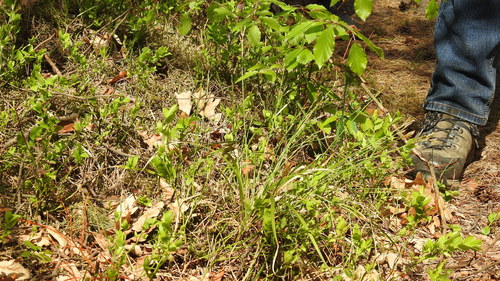
åsstarr
VUCarex pallidula
Åsstarr (Carex pallidula) faces significant threats from habitat degradation and loss due to agricultural expansion, drainage of wetlands, and urban development in its specialized wetland habitats. Climate change poses additional risks through altered precipitation patterns and temperature regimes that affect the hydrology of its sensitive bog and fen ecosystems. The species' restricted distribution and specific habitat requirements make it particularly vulnerable to environmental changes.

Atlantic ditch shrimp
VUPalaemon varians
The Atlantic ditch shrimp faces significant threats from habitat degradation and pollution in its coastal and estuarine environments. Water quality deterioration from agricultural runoff, urban development, and industrial activities has reduced suitable habitat availability. Climate change impacts, including sea level rise and temperature fluctuations, further stress populations in their shallow water habitats.
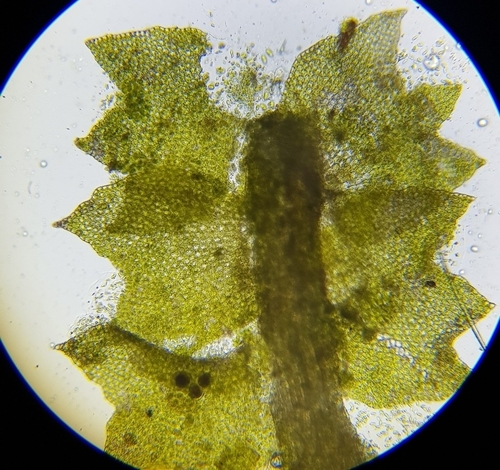
Atlantic Pawwort
VUOrthocaulis atlanticus
Atlantic Pawwort faces significant threats from habitat loss due to coastal development and climate change impacts on its specialized oceanic island environments. The species' restricted range and small population sizes make it particularly vulnerable to environmental changes and human disturbance in its native Atlantic island habitats.
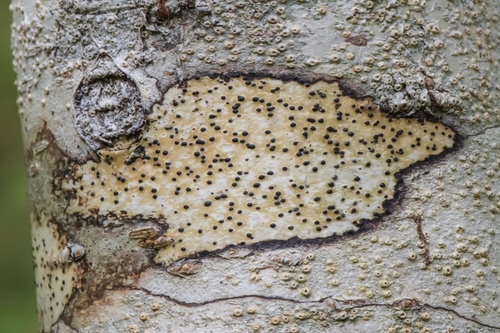
atlantisk vårtlav
CRPyrenula occidentalis
The specific threats to atlantisk vårtlav (Pyrenula occidentalis) have not been assessed or documented by researchers. Without a proper threat assessment, it's unclear what factors may be putting this species at risk or affecting its populations. The status of threats to this species cannot be determined as increasing, stable, or decreasing due to the lack of available data.

Atrato Glass Frog
ENHyalinobatrachium aureoguttatum
The Atrato Glass Frog faces severe population declines primarily due to extensive deforestation and habitat fragmentation in Colombia's Chocó region. Mining activities, agricultural expansion, and infrastructure development have destroyed much of its limited riparian forest habitat along streams and rivers.
auroraskinn
ENPhlebia ryvardenii
Phlebia ryvardenii faces severe decline due to habitat loss from deforestation and forest degradation in its limited range. The species' dependence on old-growth forest conditions makes it particularly vulnerable to logging activities and forest fragmentation.