Species Explorer
Browse and search species from the IUCN Red List and GBIF.
54,666 species
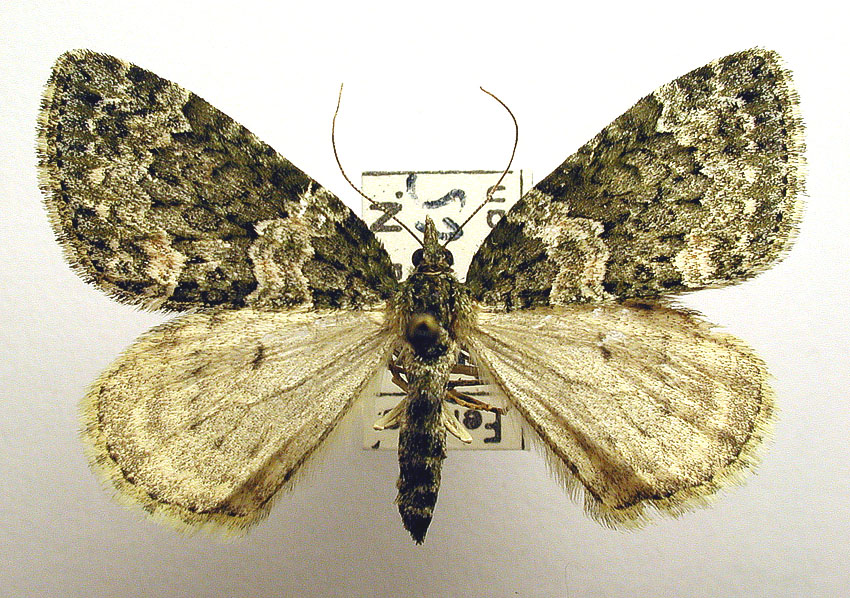
Autumn Green Carpet
ENChloroclysta miata
The Autumn Green Carpet moth is declining primarily due to habitat loss and degradation of its specialized woodland environments. Climate change and forestry practices that alter the composition and structure of deciduous and mixed forests pose significant threats to this species' survival.
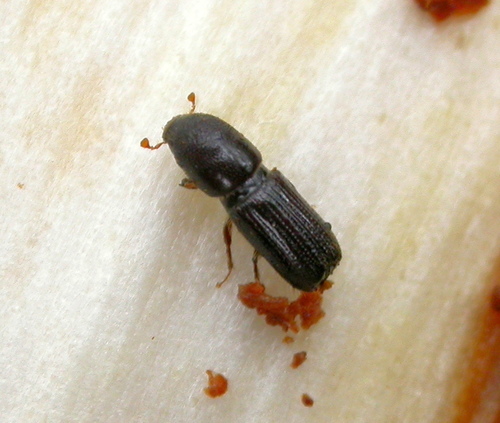
avlång barkborre
VUOrthotomicus longicollis
The avlång barkborre faces significant threats from climate change-induced shifts in forest composition and temperature regimes that affect its host tree relationships. Intensive forest management practices, including clear-cutting and monoculture plantations, reduce habitat quality and connectivity. Additionally, the species is vulnerable to competition from invasive bark beetle species and fungal pathogens that can disrupt its reproductive success.
axslingevivel
VUBagous longitarsis
Bagous longitarsis faces significant threats primarily from habitat degradation and loss of wetland ecosystems where it depends on specific aquatic plants for breeding and development. Agricultural intensification, water pollution, and drainage of wetlands have reduced suitable habitat across its range, while climate change may alter the hydrology of remaining wetland systems.
Ayua dumosa
CRZanthoxylum dumosum
The specific threats to Ayua dumosa (Zanthoxylum dumosum) have not been formally assessed or documented by conservation scientists. Without this threat assessment data, it's not possible to identify what particular dangers this species may be facing in the wild. The trend of these unknown threats cannot be determined until a proper scientific evaluation is conducted.
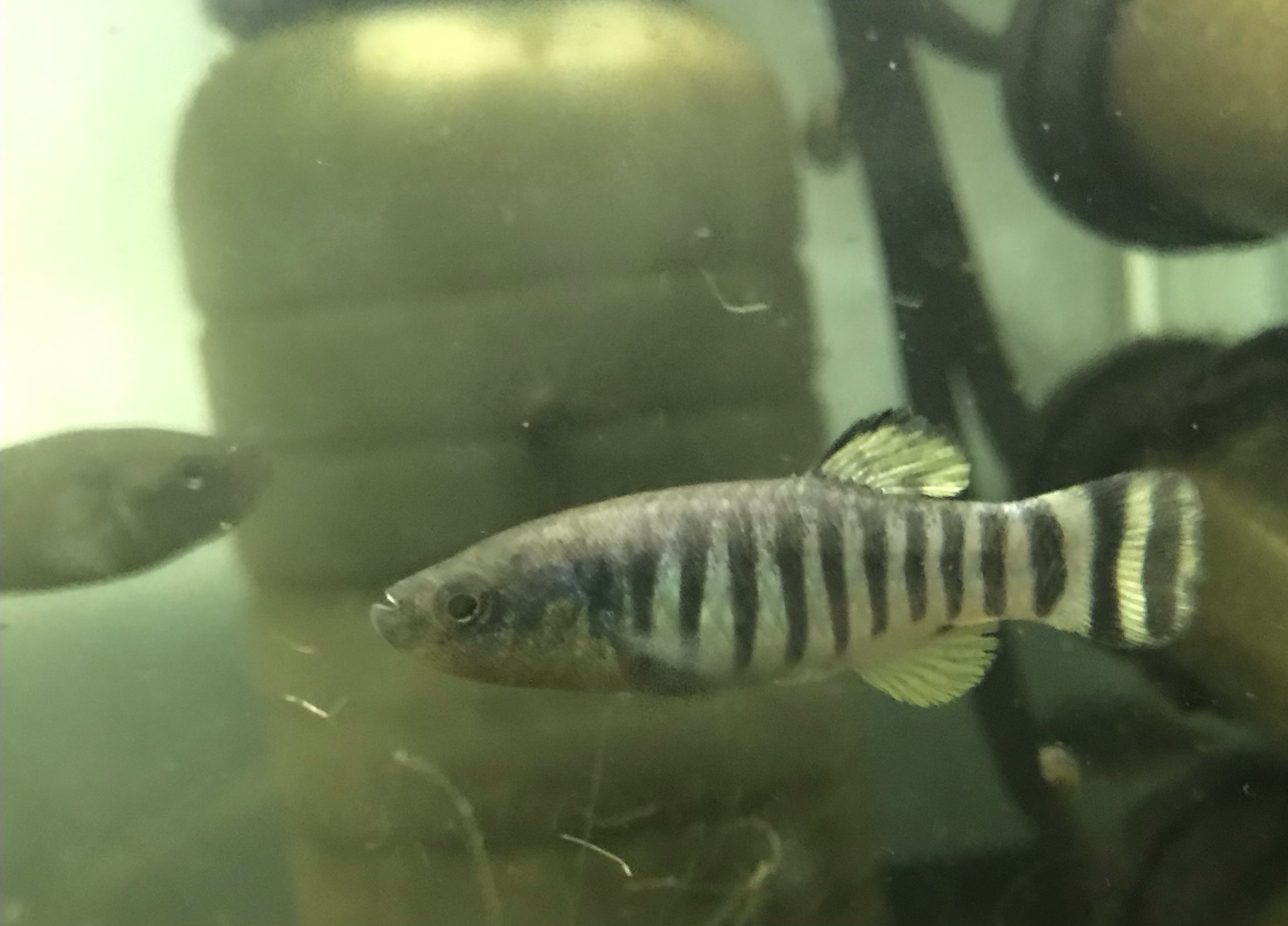
Azraq Killifish
CRAphanius sirhani
Based on the available information, the specific threats facing the Azraq Killifish have not been formally assessed or documented. Without a proper threat evaluation, it's unclear what particular dangers this species faces in its natural habitat. The status of whether threats to this fish are getting worse, staying the same, or improving cannot be determined without this assessment data.
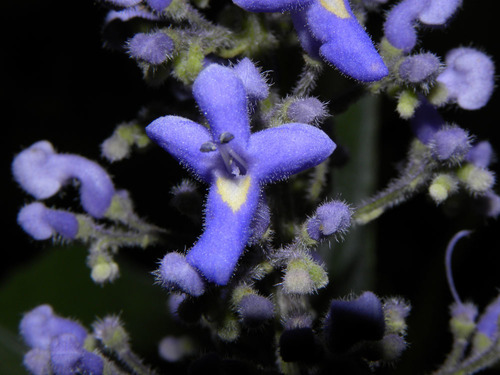
Azulejo
VUCornutia pyramidata
Azulejo faces significant pressure from habitat loss due to deforestation and agricultural expansion throughout its range in the Caribbean and Central America. The species' dependence on specific forest types makes it particularly vulnerable to fragmentation, while its limited distribution increases extinction risk from localized threats.

Azure Jay
VUCyanocorax caeruleus
The Azure Jay faces significant pressure from habitat loss and fragmentation due to deforestation and agricultural expansion throughout its range in the Atlantic Forest and Cerrado regions of South America. Its specialized habitat requirements and relatively small population size make it particularly vulnerable to ongoing environmental changes and human encroachment.
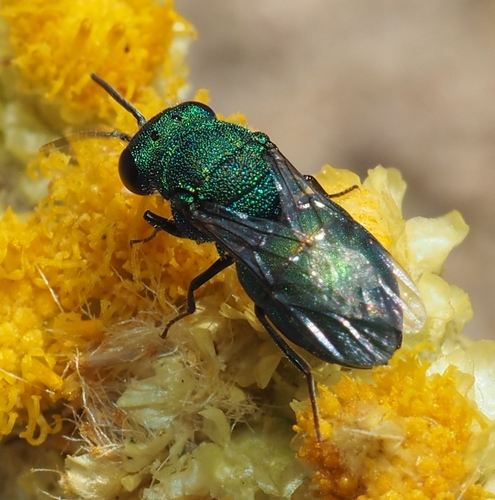
azurguldstekel
CRSpinolia unicolor
The specific threats to azurguldstekel (Spinolia unicolor) have not been formally assessed or documented by researchers. Without this threat assessment data, it's unclear what particular dangers this species faces, such as habitat destruction, pollution, climate change, or other environmental pressures. The trend of whether threats are increasing or decreasing cannot be determined without proper scientific evaluation.

Baboonwood
ENVirola surinamensis
Baboonwood (Virola surinamensis) faces severe population decline primarily due to extensive deforestation and habitat fragmentation across its Amazonian and Guianan range. Commercial logging operations specifically target this valuable timber species for its high-quality wood used in construction and furniture making. Agricultural expansion, particularly cattle ranching and soy cultivation, continues to convert remaining forest habitats into farmland.
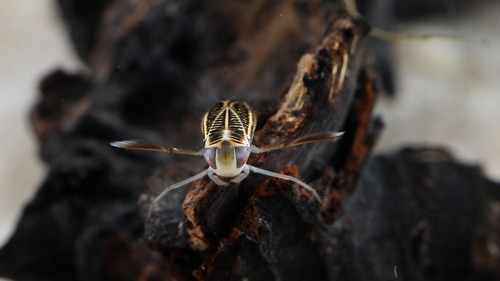
bäckbuksimmare
CRSigara hellensii
The specific threats to bäckbuksimmare (Sigara hellensii) have not been formally assessed or documented by researchers. Without this threat assessment data, it's not possible to identify what particular dangers this species faces in its environment. The trend of whether threats are increasing or decreasing cannot be determined without proper scientific evaluation.
backfingerört
CRPotentilla sterneri
The threats to backfingerört (Potentilla sterneri) have not been assessed, so the specific dangers this plant species faces are currently unknown. Without a proper threat assessment, scientists cannot determine what factors might be causing population declines or putting the species at risk. It is therefore impossible to determine whether threats to this species are intensifying, stable, or decreasing.

backglimsgallmal
ENCaryocolum cauligenella
Caryocolum cauligenella faces significant population declines primarily due to habitat loss from agricultural intensification and urban development in its specialized coastal environments. Climate change and sea level rise pose additional threats to its narrow habitat requirements along European coastlines.

backsiljeplattmal
ENAgonopterix parilella
Agonopterix parilella faces severe population declines primarily due to habitat loss and degradation of its specialized coastal environments. The species' narrow ecological requirements and limited distribution make it particularly vulnerable to environmental changes and human disturbance in coastal areas.
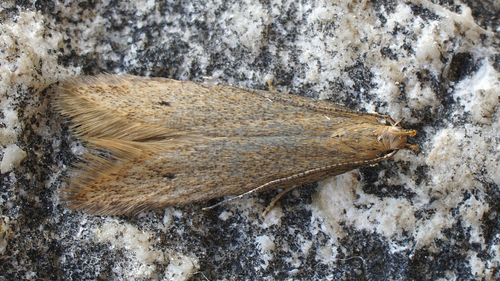
backvickermal
ENXystophora carchariella
Primary threats to backvickermal populations include ocean acidification, which weakens their calcium carbonate shells, and coastal development that destroys critical spawning and nursery habitats. Climate change-induced coral bleaching events have also significantly reduced available feeding grounds, while pollution from agricultural runoff creates hypoxic conditions that severely impact their reproductive success.
Baga-de-morcego
ENTrichilia tetrapetala
Trichilia tetrapetala faces severe population decline primarily due to extensive deforestation and habitat fragmentation in Brazil's Atlantic Forest region. Urban expansion, agricultural conversion, and logging activities have dramatically reduced the species' available habitat, while remaining populations are increasingly isolated in small forest fragments.
Bagre de Chungará
VUTrichomycterus chungaraensis
The Bagre de Chungará faces significant threats from its extremely restricted range in the high-altitude Lake Chungará ecosystem of the Chilean Altiplano. Climate change poses a severe risk through altered precipitation patterns and temperature increases that could dramatically affect the lake's water levels and chemistry. Mining activities and water extraction in the region further threaten the delicate aquatic ecosystem this endemic catfish depends upon.
Bagresito
ENCetopsorhamdia picklei
Cetopsorhamdia picklei faces severe threats from habitat degradation and water pollution in its limited range within Brazilian river systems. The species is particularly vulnerable due to its restricted distribution and specialized habitat requirements in freshwater environments that are increasingly impacted by human activities.

Bahia Tyrannulet
ENPhylloscartes beckeri
The Bahia Tyrannulet faces severe threats from habitat loss and fragmentation due to deforestation, agricultural expansion, and urban development within its extremely limited range in Bahia, Brazil. The species' tiny population and restricted distribution make it highly vulnerable to any habitat disturbance or environmental changes.

bai gui mu
VUArtocarpus hypargyreus
Artocarpus hypargyreus faces significant pressure from deforestation and habitat conversion throughout its native range in Southeast Asia. The species is particularly vulnerable due to its limited distribution and the ongoing loss of tropical forest ecosystems to agricultural expansion, logging, and urban development.
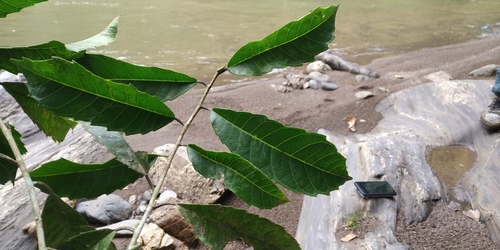
Bainha-de-espada
VUSorocea guilleminiana
Bainha-de-espada faces significant pressure from habitat loss and fragmentation due to deforestation and agricultural expansion throughout its range in Atlantic Forest and Cerrado regions. The species' populations are declining as continuous forest areas are converted to pasture, cropland, and urban development, reducing available habitat and isolating remaining populations.
bakkesvæve
ENPilosella moechiadia
Pilosella moechiadia faces severe decline primarily due to habitat loss from agricultural intensification and urban development in its limited range. The species is particularly vulnerable due to its restricted distribution and specialized habitat requirements, making it highly susceptible to local extinctions from land use changes.
balata-rosadinha-braba
ENPouteria tarumanensis
Pouteria tarumanensis faces severe population decline primarily due to deforestation and habitat fragmentation in the Amazon basin. The species' limited distribution makes it particularly vulnerable to logging activities and agricultural expansion that continue to reduce its already restricted range.
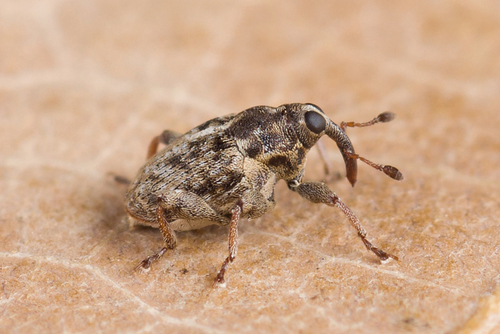
baldersbråvivel
VUCoryssomerus capucinus
Coryssomerus capucinus faces significant pressure from habitat loss due to deforestation and agricultural expansion throughout its range. Climate change poses additional risks by altering the specific microhabitat conditions this species requires, while its limited dispersal ability makes population recovery difficult once local extinctions occur.
baljskinn
VUHastodontia halonata
The baljskinn faces significant population pressures from habitat degradation and fragmentation across its limited range. Climate change and human encroachment into its specialized coastal and wetland habitats have reduced suitable breeding areas, while pollution from agricultural runoff further degrades water quality in critical feeding zones.

Balkan Heath
VUCoenonympha orientalis
The Balkan Heath faces significant threats from habitat loss and fragmentation due to agricultural intensification, urbanization, and changes in traditional land management practices across its limited range in southeastern Europe. Climate change poses additional risks by altering the montane grassland ecosystems this species depends on, while overgrazing and abandonment of traditional pastoral practices further degrade suitable habitat.

Balsam Marble
VUPristerognatha penthinana
Balsam Marble faces significant threats from habitat loss due to deforestation and agricultural conversion of its native woodland habitats. Climate change and increased frequency of extreme weather events further stress populations, while invasive plant species alter the composition of host plants essential for larval development.
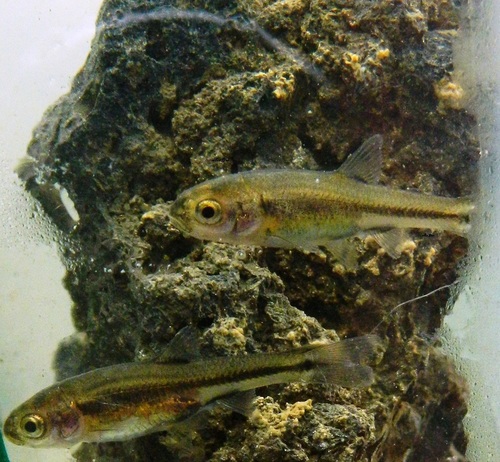
Balsas Shiner
ENNotropis boucardi
The Balsas Shiner faces severe threats from habitat degradation and water quality deterioration in its limited range within the Balsas River basin of Mexico. Agricultural runoff, urban development, and water extraction have significantly altered the aquatic ecosystems this species depends on for survival.
baltisk sandstilettfluga
ENAcrosathe baltica
Acrosathe baltica faces severe population declines primarily due to habitat loss from coastal development and agricultural intensification in its limited Baltic coastal range. Climate change and sea level rise pose additional threats to its specialized sandy coastal habitats, while the species' restricted distribution makes it particularly vulnerable to local extinctions.

bambangan
VUMangifera pajang
Bambangan faces significant pressure from deforestation and habitat conversion throughout its native range in Borneo, where lowland forests are being cleared for palm oil plantations and agricultural development. The species' limited distribution and slow reproductive rate make populations particularly vulnerable to habitat fragmentation and loss.
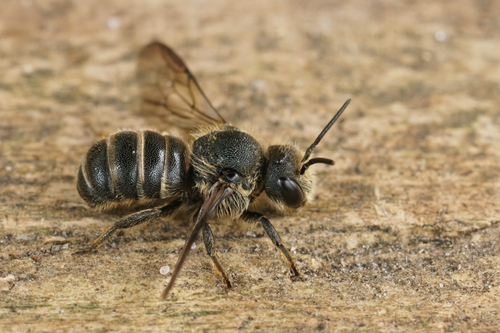
Banded Dark-Bee
VUStelis punctulatissima
The Banded Dark-Bee faces significant threats from habitat loss and fragmentation due to agricultural expansion and urbanization across its range. Climate change poses additional risks by altering flowering patterns of host plants and shifting suitable habitat zones, while pesticide use in agricultural areas directly impacts both the species and its food sources.

Banded Grass-veneer
VUPediasia fascelinella
The Banded Grass-veneer faces significant threats from habitat loss due to agricultural intensification and grassland conversion, which destroys the native grass communities essential for its survival. Climate change and altered precipitation patterns further threaten the specialized grassland ecosystems this species depends on, while pesticide use in agricultural areas reduces both host plant quality and adult moth survival rates.

banded jumper
VUPhlegra fasciata
The banded jumper faces significant threats from habitat loss and degradation due to agricultural expansion and urban development across its European range. Climate change poses additional risks by altering the temperature and moisture conditions of the specialized grassland and heathland habitats this species requires for survival and reproduction.
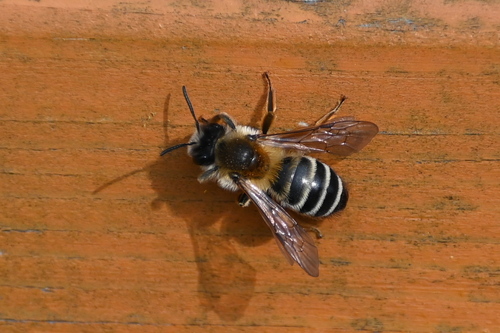
Banded Mining Bee
VUAndrena gravida
The Banded Mining Bee faces significant threats from habitat loss due to agricultural intensification and urban development, which destroys the sandy soils and wildflower meadows essential for nesting and foraging. Climate change and widespread pesticide use further compound these pressures, disrupting the bee's reproductive cycles and reducing available food sources.
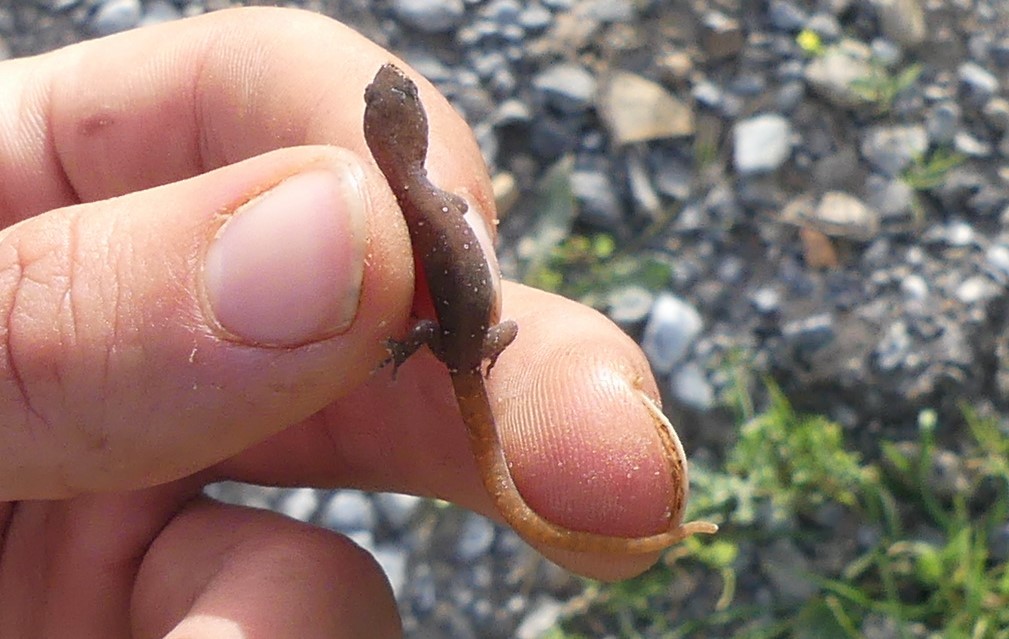
Banded Toed Gecko
VUSaurodactylus fasciatus
The Banded Toed Gecko faces significant threats from habitat loss and degradation due to deforestation, agricultural expansion, and urban development across its range. Climate change poses additional risks by altering temperature and humidity patterns critical for this species' survival, while collection for the pet trade has placed pressure on wild populations.

båndlakrislav
VULempholemma radiatum
Lempholemma radiatum faces significant threats from air pollution and habitat degradation, which severely impact the air quality requirements essential for this sensitive lichen species. Climate change and urbanization further compound these pressures by altering the specific microclimate conditions and substrate availability that this species depends upon for survival.

Bandy-legged burrow-dweller beetle
CRLaemostenus terricola
The primary threats to the Bandy-legged burrow-dweller beetle include habitat destruction from urban development and agricultural activities that disturb soil environments. Climate change poses additional risks by potentially altering the soil moisture and temperature conditions the species requires for survival.
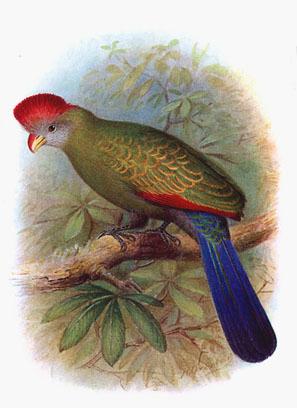
Bannerman's Turaco
ENTauraco bannermani
Bannerman's Turaco is declining primarily due to habitat loss from deforestation and agricultural expansion in the montane forests of Cameroon. The species' extremely restricted range makes it particularly vulnerable to local habitat destruction and degradation.

Bar-tailed Godwit
VULimosa lapponica
The Bar-tailed Godwit faces significant threats from habitat loss and degradation of critical stopover sites along its extensive migratory routes, particularly in the East Asian-Australasian Flyway. Coastal development, land reclamation, and climate change impacts on tidal mudflats and estuarine environments have reduced the availability of suitable feeding and roosting areas essential for this long-distance migrant.

Bar-winged Wood-wren
VUHenicorhina leucoptera
The Bar-winged Wood-wren faces significant pressure from habitat loss and fragmentation due to deforestation and agricultural expansion throughout its range in the Andean cloud forests. Its specialized habitat requirements and limited elevational range make it particularly vulnerable to climate change impacts, which are shifting suitable habitat zones upslope. The species' small population sizes and restricted distribution further increase its extinction risk.

Barberry Carpet
VUPareulype berberata
The Barberry Carpet faces significant threats from habitat loss and degradation as its specialized woodland and scrubland habitats are increasingly fragmented by agricultural expansion and urban development. Climate change poses additional risks by altering the distribution and phenology of its host plants, particularly barberry species, disrupting the moth's reproductive cycle and larval development.

Barbour's Sawback Turtle
VUGraptemys barbouri
Barbour's Sawback Turtle faces significant threats from habitat degradation due to dam construction, water pollution, and sedimentation in river systems. The species' limited range in the Apalachicola River system makes it particularly vulnerable to environmental changes and human activities that alter water quality and flow patterns.
Barbudo negro
VUBatrochoglanis transmontanus
Barbudo negro faces significant threats from habitat degradation and water pollution in its native South American river systems. Dam construction and agricultural runoff have altered water quality and flow patterns in the freshwater environments this catfish depends on for survival and reproduction.

Barbut's Cuckoo-bee
ENBombus barbutellus
Barbut's Cuckoo-bee faces severe population declines primarily due to habitat loss from agricultural intensification and urbanization, which destroys the flower-rich grasslands and meadows it depends on. The species is also threatened by the decline of its host bumblebee species, as cuckoo bees are obligate social parasites that cannot survive without their hosts.
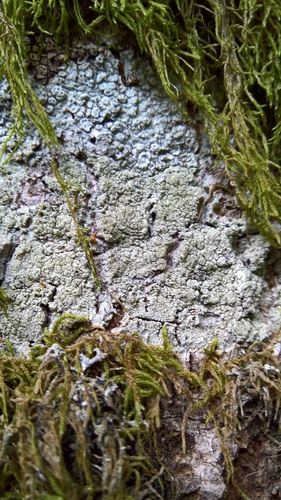
Bark-prikvortelav
CRPertusaria coronata
The threats to Bark-prikvortelav (Pertusaria coronata) have not been assessed or documented by scientists yet. Without this assessment, it's unclear what specific dangers this species faces or how human activities might be affecting its survival. The status of threats to this species cannot be determined until a proper scientific evaluation is completed.
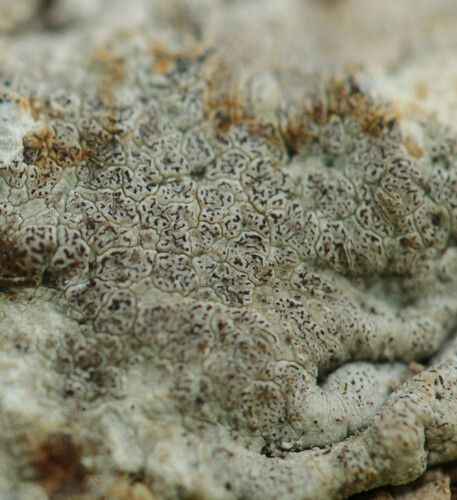
barkzonlav
ENEnterographa crassa
Enterographa crassa faces severe decline primarily due to habitat loss from deforestation and air pollution affecting its lichen substrate requirements. Climate change and atmospheric nitrogen deposition are altering the specific microenvironmental conditions this species requires for survival.

Barred Brown Clothes Moth
ENStenoptinea cyaneimarmorella
The Barred Brown Clothes Moth faces severe population declines primarily due to habitat loss from urban development and agricultural intensification in its limited range. Climate change and pollution further threaten the specialized microhabitats this species requires for survival.

Barred Rivulet
VUPerizoma bifaciata
The Barred Rivulet faces significant threats from habitat loss and degradation of its specialized wetland environments. Climate change and human development pressures on riparian and marshy areas where its host plants grow have contributed to population declines across much of its range.

Barred Warbler
VUSylvia nisoria
The Barred Warbler faces significant population declines across its range due to habitat loss from agricultural intensification and urbanization in both breeding and wintering areas. Climate change is altering the timing of insect emergence, disrupting the species' breeding cycle, while degradation of traditional scrubland and woodland edge habitats further threatens remaining populations.

barrpraktbagge
CRDicerca moesta
The threats to barrpraktbagge (Dicerca moesta) have not been assessed, meaning scientists have not yet studied or documented what dangers this species faces in the wild. Without this assessment, it's unclear what specific challenges - such as habitat destruction, pollution, or other factors - might be affecting their survival. It's also unknown whether any threats to this species are getting worse, staying the same, or improving over time.

barrskogslavfly
CRVictrix umovii
The specific threats to barrskogslavfly (Victrix umovii) have not been assessed or documented by researchers. Without this threat assessment data, it's impossible to determine what dangers this species faces or how severe they might be. The trend of threats to this species is unknown due to the lack of available information.