
Arnold's Parmotrema Lichen
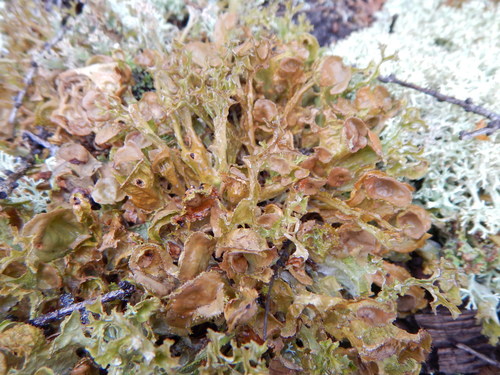
Parmotrema arnoldii
Photo: Wikimedia Commons (CC) via https://en.wikipedia.org/wiki/Parmotrema_arnoldii
Overview
Arnold's Powdered Ruffle Lichen (Parmotrema arnoldii) is a foliose lichen species characterized by its distinctive powdery surface texture and ruffled margins. This epiphytic lichen grows on tree bark in mature forest ecosystems, forming leafy, gray-green thalli that can reach several centimeters in diameter. The species is distinguished by its soredia - powdery reproductive structures that give it its common name and aid in vegetative reproduction.
Like many lichen species, P. arnoldii represents a symbiotic relationship between a fungus and photosynthetic algae or cyanobacteria. The species has a limited known distribution and appears to be highly sensitive to environmental changes, particularly air quality and habitat disturbance.
Its classification as Critically Endangered reflects the severe threats facing this species, though the population trend remains unknown due to limited monitoring data. The primary threats include habitat loss from deforestation, forest fragmentation, and air pollution, which can disrupt the delicate symbiotic relationship essential for lichen survival. Climate change may also pose additional stresses through altered temperature and precipitation patterns.
Conservation efforts for this species are limited, partly due to the specialized expertise required for lichen identification and monitoring. Protection of remaining mature forest habitats where the species occurs is crucial for its survival, along with improved air quality management and further research to better understand its ecological requirements and population status.
Arnold's Powdered Ruffle Lichen faces severe threats from habitat destruction through deforestation and forest fragmentation, which eliminates the mature trees it depends on for survival. Air pollution poses an additional significant threat, as lichens are highly sensitive to atmospheric contaminants that can disrupt their symbiotic relationships and physiological processes.
Habitat
This species inhabits mature forest ecosystems where it grows as an epiphyte on tree bark. It requires stable forest conditions with appropriate humidity levels and clean air quality to maintain its symbiotic relationship.
Other threatened species in Parmeliaceae


Frequently asked questions
Why is Arnold's Parmotrema Lichen classified as Critically Endangered?
Where does Arnold's Parmotrema Lichen live?
What are the main threats to Arnold's Parmotrema Lichen?
Get weekly conservation intelligence
One short digest a week of the most striking species and country data we ship, plus breaking conservation news paired with our database where it matters.
Free, no spam. One-click unsubscribe in every email.