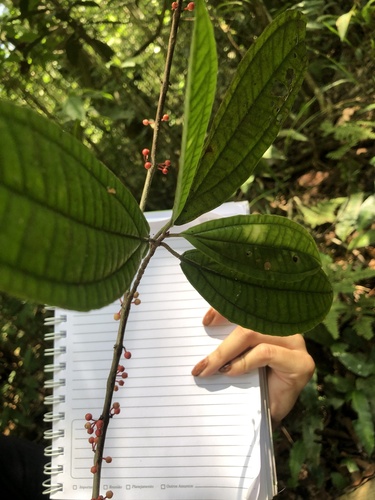
Ramiflorous Henriettea
Henriettea ramiflora
Photo: iNaturalist: (c) Guilherme Saraiva, all rights reserved, uploaded by Guilherme Saraiva
Overview
Henriettea ramiflora is a species of flowering plant in the family Melastomataceae. It is a tree native to the tropical Americas, including Cuba, Nicaragua, Jamaica, Colombia, Venezuela, Trinidad and Tobago, the Guianas, and northern, northeastern, and central Brazil.
Henriettea ramiflora faces severe population decline primarily due to extensive deforestation and habitat conversion for agriculture and urban development across its limited range in the Caribbean. The species' restricted distribution makes it particularly vulnerable to habitat loss, while climate change poses additional threats to its specialized montane forest ecosystem.
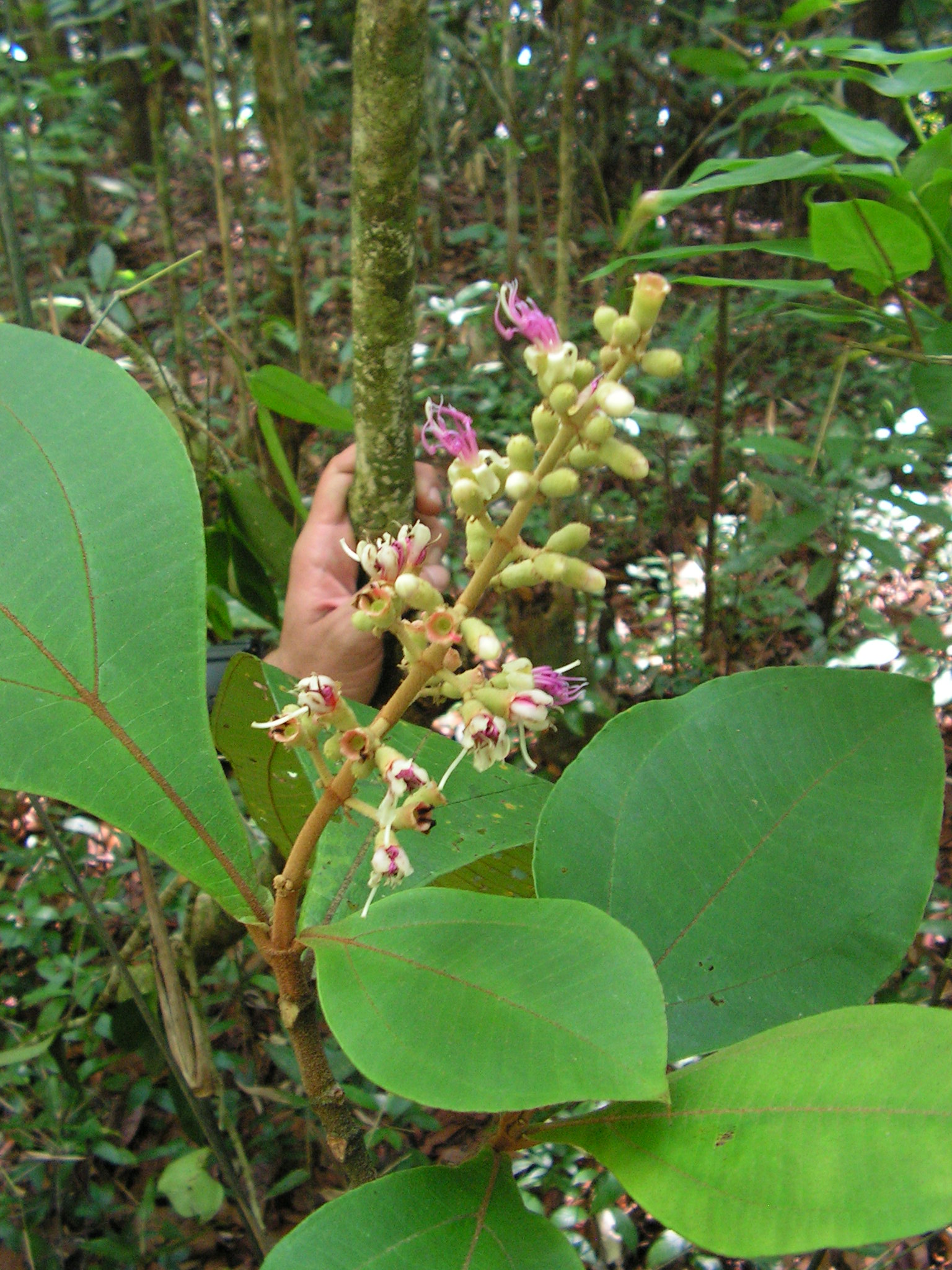
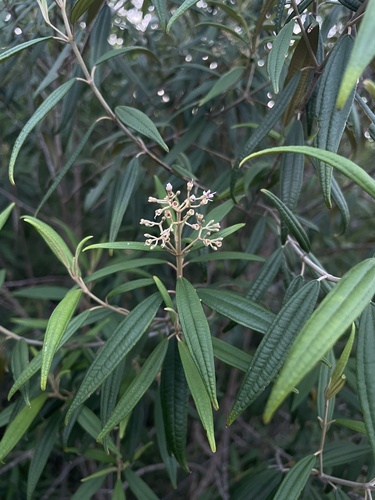
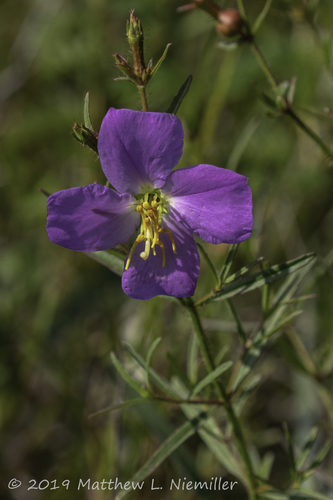
Other threatened species in Melastomataceae
Frequently asked questions
Why is Ramiflorous Henriettea classified as Endangered?
Where does Ramiflorous Henriettea live?
What are the main threats to Ramiflorous Henriettea?
Get weekly conservation intelligence
One short digest a week of the most striking species and country data we ship, plus breaking conservation news paired with our database where it matters.
Free, no spam. One-click unsubscribe in every email.