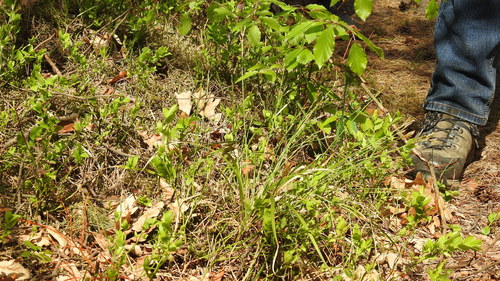
Carex pallidula
Photo: iNaturalist: (c) Małgorzata Śliż, niektoré práva vyhradené (CC BY-NC), uploaded by Małgorzata Śliż
Overview
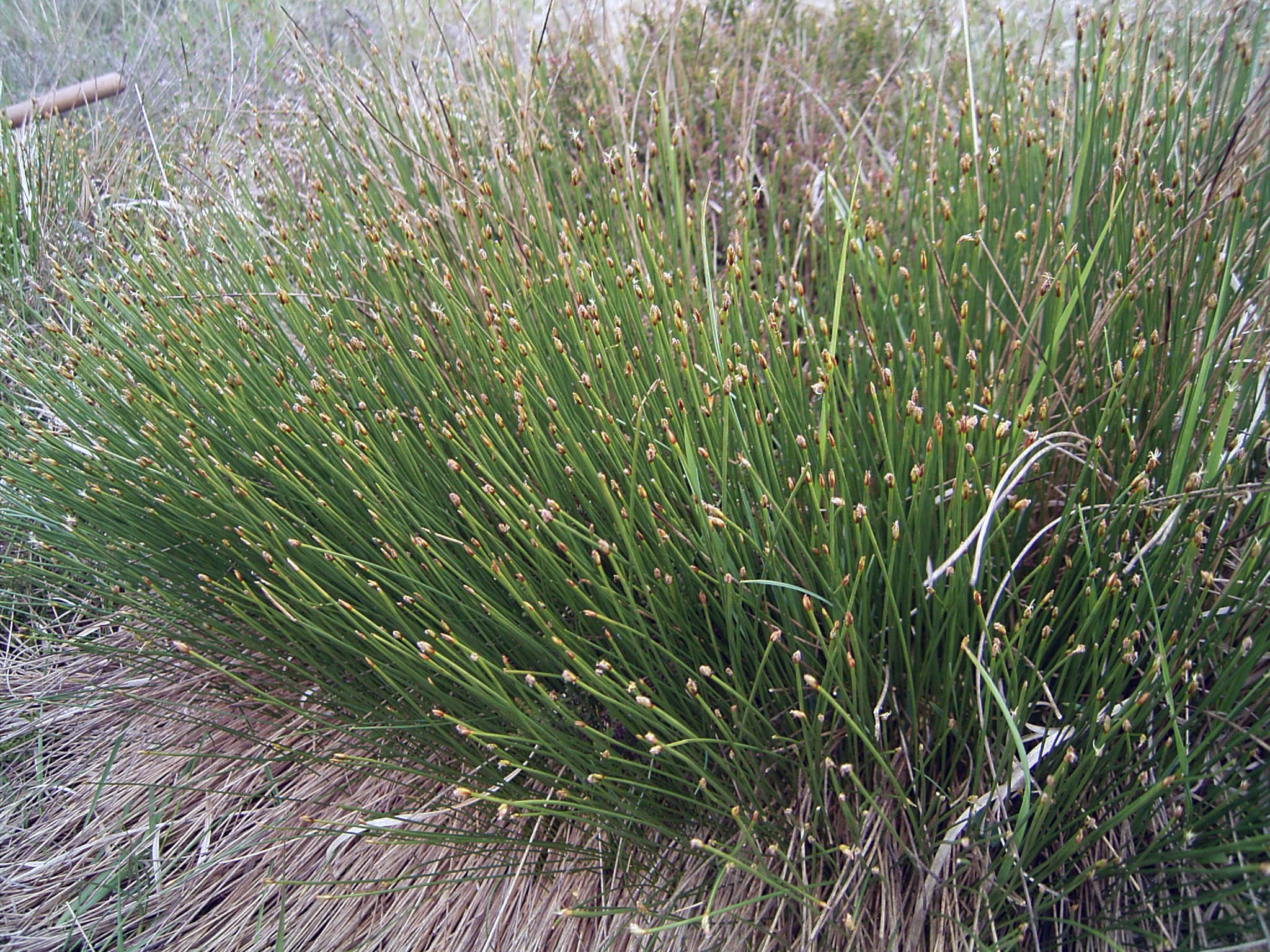
Åsstarr (Carex pallidula) is a distinctive sedge species characterized by its pale, slender culms and narrow leaves that form loose tufts. This perennial grass-like plant produces inconspicuous brownish flower spikes and plays an important role in stabilizing soil and providing habitat structure in specialized wetland ecosystems.
Åsstarr (Carex pallidula) faces significant threats from habitat degradation and loss due to agricultural expansion, drainage of wetlands, and urban development in its specialized wetland habitats. Climate change poses additional risks through altered precipitation patterns and temperature regimes that affect the hydrology of its sensitive bog and fen ecosystems. The species' restricted distribution and specific habitat requirements make it particularly vulnerable to environmental changes.
Habitat
This sedge species inhabits nutrient-poor wetland environments including bogs, fens, wet meadows, and marshy areas, typically in acidic to neutral soils with consistent moisture levels. It occurs in both natural peatland systems and semi-natural grasslands that maintain appropriate hydrological conditions.
Other threatened species in Cyperaceae



Frequently asked questions
Why is Carex pallidula classified as Vulnerable?
Where does Carex pallidula live?
What are the main threats to Carex pallidula?
Get weekly conservation intelligence
One short digest a week of the most striking species and country data we ship, plus breaking conservation news paired with our database where it matters.
Free, no spam. One-click unsubscribe in every email.