
Arran Brown
Erebia ligea
Photo: Photo: Wikimedia Commons, CC BY-SA
Overview
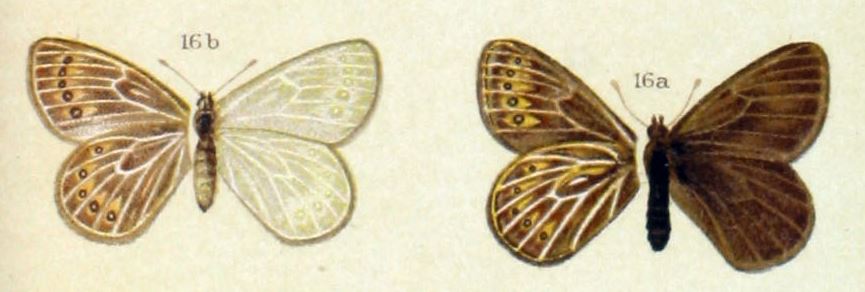
The Arran Brown (Erebia ligea) is a butterfly species belonging to the family Nymphalidae, subfamily Satyrinae. This distinctive brown butterfly is characterized by orange-ringed eyespots on its wings and is part of the mountain ringlet group. In the British Isles, the species is found exclusively on the Isle of Arran in Scotland, representing the northernmost extent of its European range.
The butterfly inhabits woodland clearings, forest edges, and areas with scattered trees where its larval host plants, primarily various grass species, are present. Adults typically fly during summer months and are dependent on specific microclimatic conditions. The Arran Brown faces severe conservation challenges that have led to its classification as Critically Endangered.
The species has experienced significant range contraction and population decline, with its distribution now extremely limited. Primary threats include habitat loss and degradation, climate change impacts, and the inherently vulnerable nature of small, isolated populations. Forest management practices that alter woodland structure and composition pose additional risks to remaining populations.
Conservation efforts focus on habitat management and monitoring of the remaining population. Research initiatives aim to better understand the species' ecological requirements and population dynamics. Collaborative work between conservation organizations, land managers, and researchers is essential for developing effective protection strategies.
The precarious status of the Arran Brown highlights the vulnerability of specialized butterfly species to environmental changes and the importance of targeted conservation action for preventing extinctions.
The Arran Brown faces threats from habitat loss and degradation, particularly changes to woodland structure and management practices that affect its specialized habitat requirements. Climate change and the species' extremely limited distribution make it highly vulnerable to environmental fluctuations. Small population size increases risks from genetic bottlenecks and random demographic events.
Habitat
The Arran Brown inhabits woodland clearings, forest edges, and areas with scattered trees on the Isle of Arran. The species requires specific microclimatic conditions and depends on grassland areas within or adjacent to woodland where its larval host grasses grow.
Other threatened species in Nymphalidae


Frequently asked questions
Why is Arran Brown classified as Critically Endangered?
Where does Arran Brown live?
What are the main threats to Arran Brown?
Get weekly conservation intelligence
One short digest a week of the most striking species and country data we ship, plus breaking conservation news paired with our database where it matters.
Free, no spam. One-click unsubscribe in every email.