Species Explorer
Browse and search species from the IUCN Red List and GBIF.
54,666 species
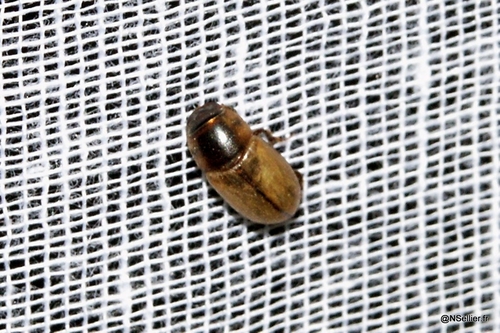
alvardyngbagge
CRAcanthobodilus immundus
The threats to alvardyngbagge (Acanthobodilus immundus) have not been assessed or documented by scientists yet. Without this threat assessment, it's impossible to know what specific dangers this species faces or how serious they might be. The trend of these unknown threats cannot be determined until proper scientific evaluation is completed.
alvarmalörtögonlappmal
VUBucculatrix laciniatella
Bucculatrix laciniatella faces significant threats from habitat loss and degradation due to agricultural intensification and urban development across its range. Climate change poses additional risks by altering the distribution and phenology of its host plants, while pesticide use in agricultural areas directly impacts both the species and its food sources.
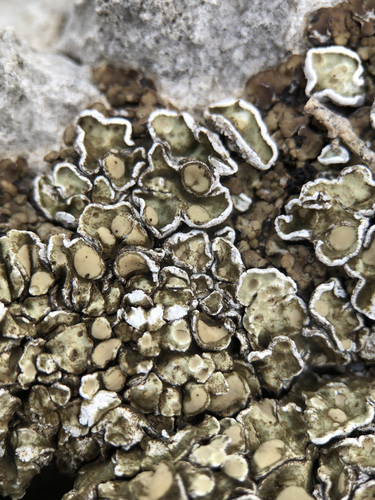
alvarplacodlav
VUSquamarina gypsacea
Squamarina gypsacea faces significant threats from habitat destruction and degradation of its specialized gypsum-rich environments. Mining activities, urban development, and infrastructure projects pose particular risks to the limited gypsum outcrops and semi-arid landscapes where this lichen occurs. Climate change and altered precipitation patterns may further stress populations already restricted to specific geological substrates.
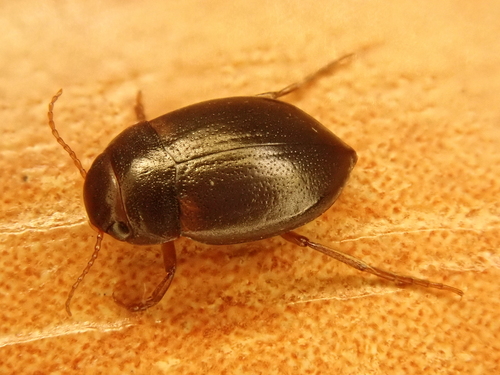
älvdykare
CRDeronectes latus
The specific threats to älvdykare (Deronectes latus) have not been formally assessed or documented by conservation scientists. Without this threat assessment data, it's not possible to identify what particular dangers this species faces in its environment. The trend of these unknown threats cannot be determined until a proper scientific evaluation is conducted.

älvglansspindel
ENSinga nitidula
Singa nitidula faces severe population declines primarily due to habitat loss and degradation of its specialized wetland environments. The species is particularly vulnerable to water pollution, drainage of wetlands, and changes in water quality that affect its prey base and web-building sites.
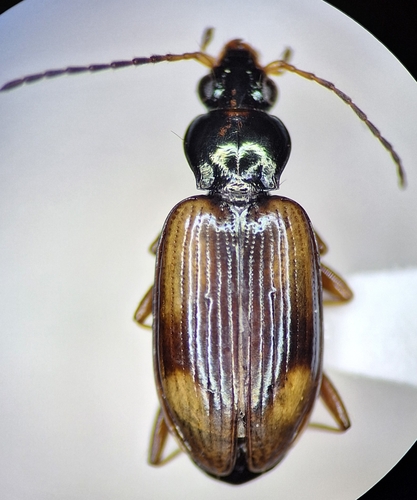
älvstrandlöpare
ENBembidion petrosum
Bembidion petrosum, the älvstrandlöpare, is declining primarily due to habitat loss and degradation of its specialized riverine environments. Human activities including river regulation, hydroelectric development, and changes to natural flow regimes have severely impacted the dynamic gravel and sand substrates this species requires for survival.
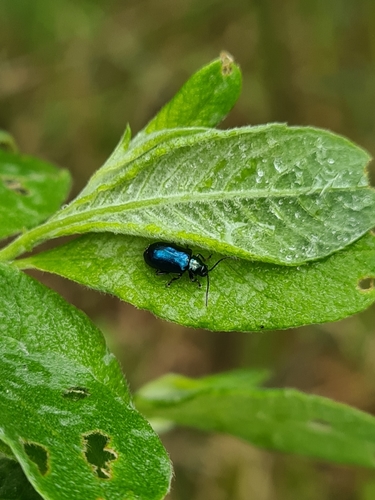
älvstrandsjordloppa
CRAltica tamaricis
The threats to älvstrandsjordloppa (Altica tamaricis) have not been assessed, meaning scientists have not yet studied or documented what specific dangers this species faces in the wild. Without this assessment, it's unclear whether the threats to this species are getting worse, staying the same, or improving over time.

Amami Woodcock
VUScolopax mira
The Amami Woodcock faces significant threats primarily due to its extremely limited range, being endemic to just a few islands in the Ryukyu archipelago of Japan. Habitat loss and degradation from deforestation, agricultural expansion, and urban development have reduced available forest areas, while introduced predators such as cats and mongooses pose additional pressure on this ground-nesting species.

Amarillo
VUPrunus buxifolia
Amarillo (Prunus buxifolia) faces significant conservation challenges due to habitat loss from agricultural expansion and urban development in its native range. The species' limited distribution and specialized habitat requirements make it particularly vulnerable to environmental changes and human encroachment.
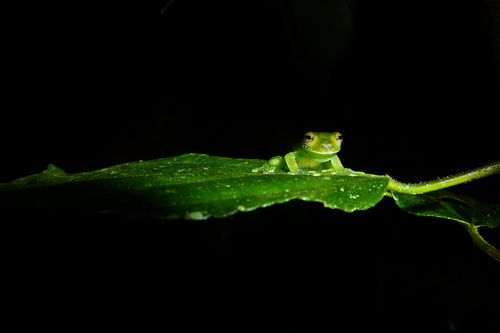
Amazon Giant Glass Frog
CRCentrolene pipilatum
The primary threats to the Amazon Giant Glass Frog have not been formally assessed or documented by conservation scientists. Without this threat assessment data, it's unclear what specific dangers this species faces, though many rainforest amphibians typically encounter challenges from forest clearing, pollution, disease, and climate changes. The trend of these threats cannot be determined without proper scientific evaluation.

Amazon Mushroomtongue Salamander
ENBolitoglossa palmata
The Amazon Mushroomtongue Salamander faces severe population declines primarily due to deforestation and habitat fragmentation from agricultural expansion, logging, and human settlement in its limited range. Climate change poses an additional threat by altering the specific temperature and humidity conditions this species requires for survival.

amazonmyra
ENPolyergus rufescens
Based on the available data, the primary threats to amazonmyra (Polyergus rufescens) have not been assessed or documented by researchers. Without a formal threat evaluation, it's unclear what specific dangers this species faces in its natural habitat. The status of threats to this species cannot be determined as increasing, stable, or decreasing due to the lack of assessment data.
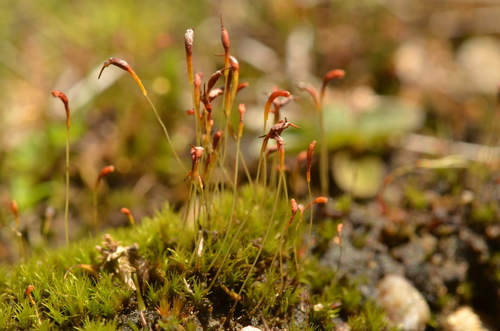
Ambiguous Trematodon Moss
VUTrematodon ambiguus
Ambiguous Trematodon Moss faces significant threats from habitat degradation and loss due to human activities and environmental changes. Its specialized habitat requirements and limited distribution make it particularly vulnerable to disturbances that alter soil chemistry and moisture conditions. Climate change and increased frequency of extreme weather events further threaten the delicate ecological balance this species requires.

Amboli Bush Frog
CRPseudophilautus amboli
The primary threats to the Amboli Bush Frog have not been formally assessed or documented by conservation scientists. Without this threat assessment data, it's not possible to identify the specific dangers this species faces or describe how human activities might be affecting its survival. The status of threats to this frog species - whether they are getting worse, staying the same, or improving - cannot be determined without proper scientific evaluation.
Ambrosia beetle
CRXyleborus monographus
The primary threats to Xyleborus monographus include habitat loss through deforestation and forest degradation, which eliminates suitable host trees necessary for the species' survival. Climate change may disrupt the delicate balance between the beetle, its host trees, and the symbiotic fungi it depends upon for nutrition. The specialized ecological requirements of ambrosia beetles make them particularly vulnerable to environmental disturbances that affect forest ecosystem integrity.
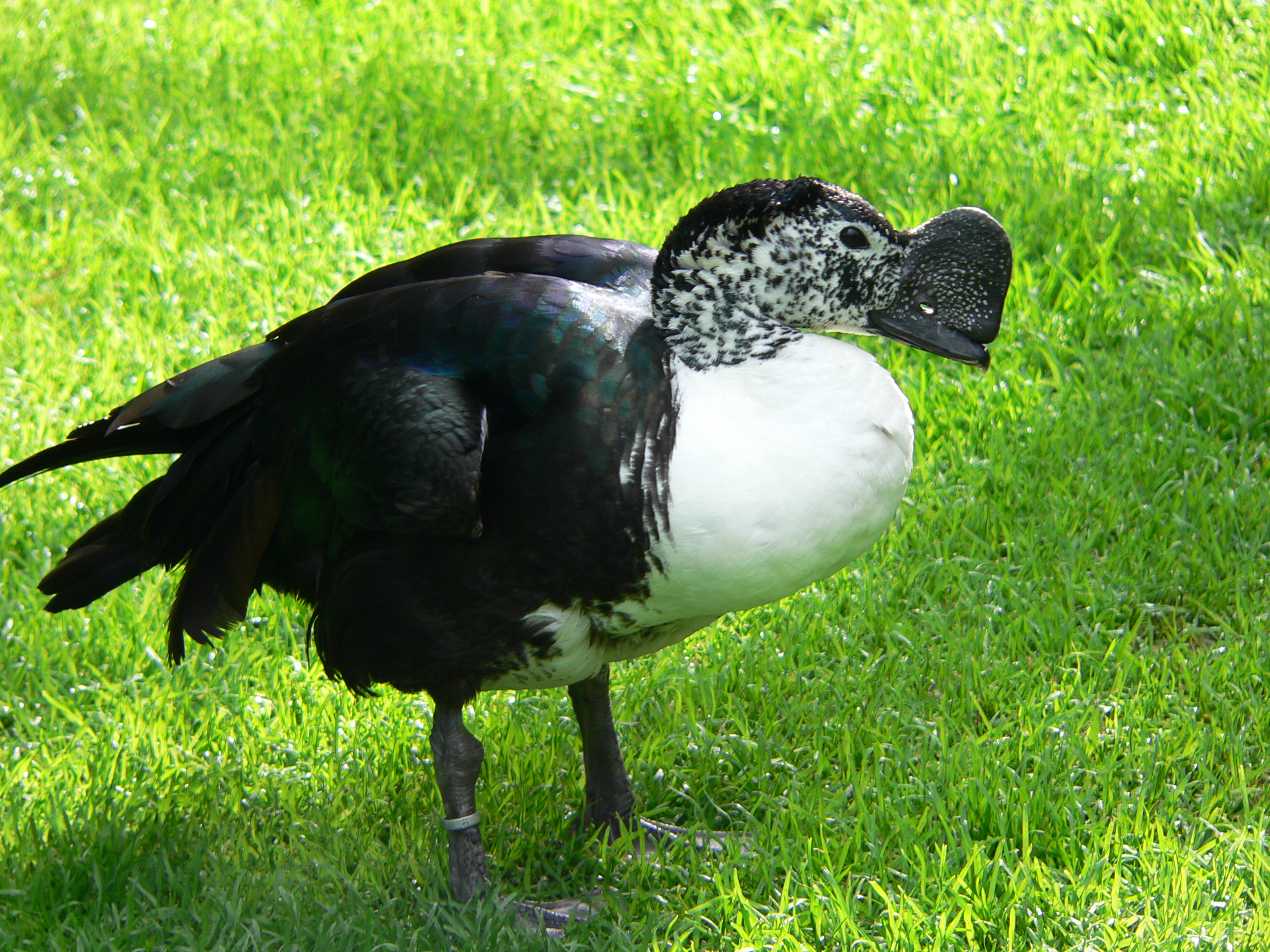
American Comb Duck
VUSarkidiornis sylvicola
The American Comb Duck faces significant pressure from widespread habitat loss and degradation of wetland ecosystems throughout its range in South America. Deforestation, agricultural expansion, and urban development have reduced available nesting sites and feeding areas, while hunting pressure and water pollution further threaten remaining populations.
amerikansk sönderfallslav
VUBactrospora brodoi
Bactrospora brodoi faces significant threats from air pollution and acid rain, which degrade the specific bark chemistry and air quality conditions this sensitive lichen requires. Climate change is altering precipitation patterns and temperature regimes in its forest habitats, while habitat fragmentation from logging and urban development reduces available substrate trees and creates edge effects that compromise suitable microhabitats.

Amethyst Brittlegill
CRRussula amethystina
The primary threats to Amethyst Brittlegill have not been formally assessed or documented by conservation scientists. Without this threat assessment data, it's unclear what specific dangers this mushroom species may be facing in the wild. The status of whether threats are increasing, stable, or decreasing cannot be determined without proper scientific evaluation.

Amethyst Chanterelle
CRCantharellus amethysteus
The Amethyst Chanterelle faces severe threats from habitat destruction through deforestation and forest fragmentation, which disrupts the mycorrhizal networks essential for its survival. Climate change compounds these pressures by altering the temperature and moisture conditions required by both the fungus and its host trees. The species' extremely limited distribution and specific ecological requirements make it particularly vulnerable to any environmental disturbances.

Anacamptide des marais, Anacamptis des marais, Orchis des marais
VUAnacamptis palustris
Anacamptis palustris faces significant threats from habitat loss and degradation due to wetland drainage, agricultural conversion, and urban development. The species is particularly vulnerable to changes in hydrology and water quality in its specialized marsh habitats, while climate change poses additional risks through altered precipitation patterns and increased drought frequency.
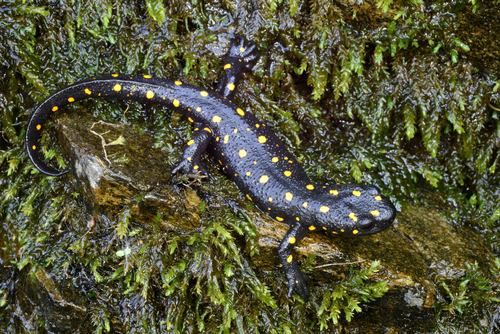
Anatolia Newt
VUNeurergus strauchii
The Anatolia Newt faces significant threats from habitat degradation and water pollution in its limited mountain stream habitats across Turkey and neighboring regions. Dam construction, agricultural runoff, and urban development have fragmented and degraded the clear, cold water systems this species depends on for breeding and survival. Climate change poses additional risks by altering precipitation patterns and water temperatures in these sensitive high-altitude ecosystems.
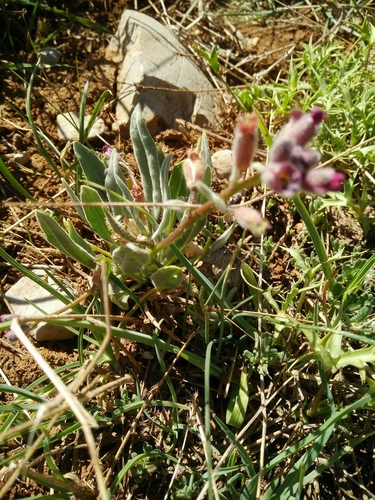
Anchonium de Labillardière
VUAnchonium billardieri
Anchonium billardieri faces significant threats from habitat degradation and fragmentation due to agricultural expansion and urban development across its native range in Tasmania and southeastern Australia. Climate change poses additional risks through altered precipitation patterns and temperature regimes that may affect the specialized microhabitats this species requires.
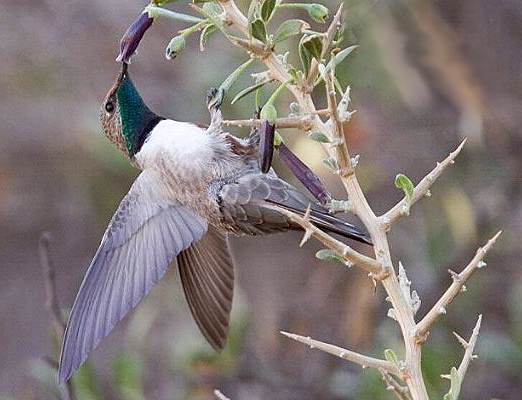
Andean Hillstar
CROreotrochilus estella
Based on the available data, the primary threats to the Andean Hillstar have not been formally assessed or documented. Without a proper threat evaluation, it's unclear what specific dangers this high-altitude hummingbird species may be facing in its mountain habitat. The trend of these unknown threats cannot be determined until a comprehensive assessment is completed.
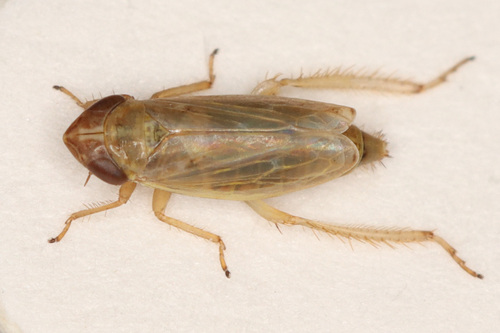
Andelsandzirpe
VUPsammotettix putoni
Psammotettix putoni faces significant threats from habitat loss and degradation due to agricultural intensification and urbanization of grassland ecosystems. Climate change and altered precipitation patterns further threaten the specialized grass communities this leafhopper depends on for survival and reproduction.
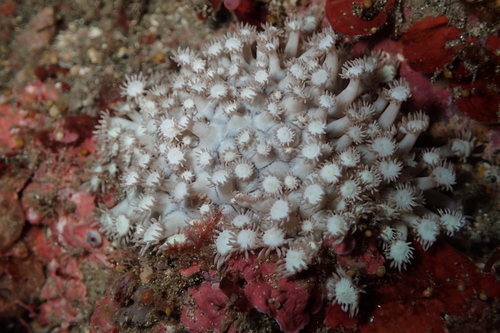
anemone coral
VUGoniopora albiconus
Goniopora albiconus faces significant threats from ocean warming and acidification, which cause coral bleaching and reduce calcification rates essential for skeletal growth. Coastal development, pollution, and destructive fishing practices further degrade reef habitats, while the species' slow growth and recovery rates make populations particularly vulnerable to cumulative stressors.
anemone coral
VUGoniopora cellulosa
Goniopora cellulosa faces significant threats from ocean warming and acidification, which cause coral bleaching and reduce calcification rates essential for skeletal growth. Coastal development, pollution, and destructive fishing practices further degrade reef habitats, while the species' slow growth rate limits its ability to recover from disturbances.
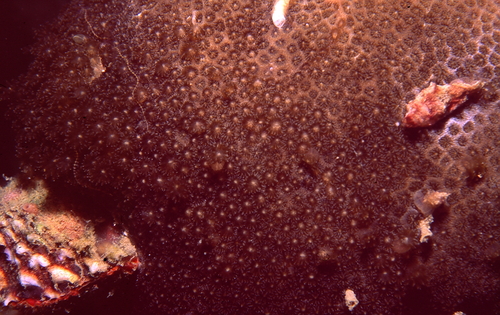
anemone coral
VUGoniopora planulata
Goniopora planulata faces significant threats from ocean warming and acidification, which cause coral bleaching and reduce calcification rates essential for skeletal growth. Coastal development, pollution, and destructive fishing practices further degrade reef habitats, while the species' slow growth and reproduction rates limit recovery potential from disturbances.
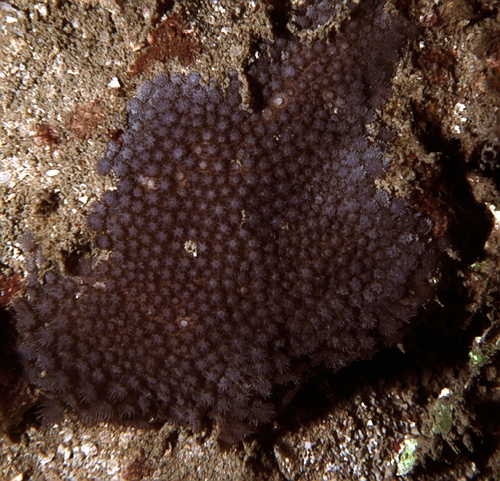
anemone coral
VUGoniopora burgosi
Goniopora burgosi faces significant threats from ocean warming and acidification, which cause coral bleaching and reduce calcification rates essential for skeletal growth. Coastal development and sedimentation from land-based activities further degrade water quality in shallow reef environments where this species occurs.
anemone coral
VUGoniopora polyformis
Goniopora polyformis faces significant threats from ocean warming and acidification, which cause coral bleaching and reduce calcification rates essential for skeletal growth. Coastal development, pollution, and destructive fishing practices further degrade reef habitats, while the species' collection for the marine aquarium trade adds additional pressure on wild populations.

Angel's Hair
VURamalina thrausta
Angel's Hair (Ramalina thrausta) faces significant threats from air pollution and habitat degradation, as this sensitive lichen species requires clean air conditions to survive. Urban development and industrial activities have reduced suitable habitat and increased atmospheric pollutants that directly impact lichen health and reproduction.
Angico-branco
ENAlbizia burkartiana
Albizia burkartiana faces severe population decline primarily due to extensive habitat loss from agricultural expansion and urban development across its limited range in South America. The species' restricted distribution makes it particularly vulnerable to localized threats, with remaining populations increasingly fragmented and isolated.

Angle-barred Pug
VUEupithecia innotata
The Angle-barred Pug faces significant threats from habitat loss and degradation due to urbanization, agricultural expansion, and changes in woodland management practices. Climate change poses additional risks by altering the distribution and phenology of its host plants, while light pollution disrupts its nocturnal behavior patterns.
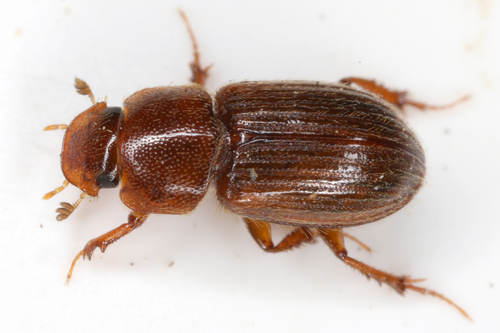
ängsjordbagge
VUEuheptaulacus villosus
Euheptaulacus villosus faces significant threats from habitat degradation and loss of traditional agricultural practices that maintain its preferred semi-natural grassland environments. The species is particularly vulnerable to intensive farming practices, pesticide use, and the abandonment of low-intensity grazing that historically created optimal conditions for this beetle.

ängssyrejordloppa
CRMantura obtusata
The specific threats to ängssyrejordloppa (Mantura obtusata) have not been assessed or documented by researchers. Without this threat assessment data, it's impossible to determine what dangers this species faces or how severe they might be. The trend of threats to this species is unknown due to lack of available information.
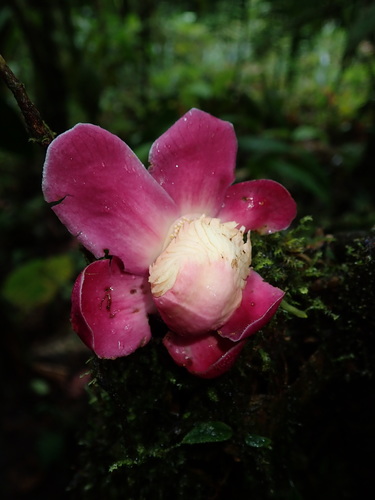
Angua de Mono
VUEschweilera rimbachii
Angua de Mono faces significant threats from deforestation and habitat fragmentation across its limited range in the Amazon basin. Agricultural expansion, logging activities, and infrastructure development continue to reduce and fragment the tropical forest ecosystems this species depends on for survival.

Angular Solomon's-seal
CRPolygonatum odoratum
Based on the available information, the primary threats to Angular Solomon's-seal have not been formally assessed or documented by conservation scientists. Without a proper threat assessment, it's unclear what specific dangers this plant species may be facing in the wild, such as habitat destruction, climate change impacts, or human activities. The status of whether threats are increasing, stable, or decreasing cannot be determined without this essential threat data.
ankarsjöpung
VUCnemidocarpa mollispina
Cnemidocarpa mollispina faces significant threats from coastal development and marine pollution in its shallow water habitats. Climate change-induced ocean warming and acidification pose additional risks to this tunicate species, while physical disturbance from fishing activities and boat anchoring can damage the seafloor communities where it resides.
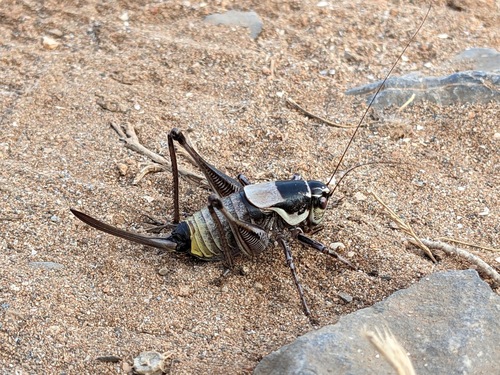
Annamaria's Marbled Bush-cricket
VUEupholidoptera annamariae
Annamaria's Marbled Bush-cricket faces significant threats from habitat loss and fragmentation due to agricultural expansion and urban development in its limited range. The species' restricted distribution makes it particularly vulnerable to environmental changes and human activities that alter its specialized habitat requirements.
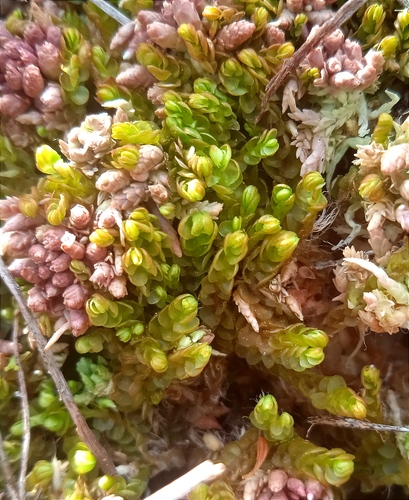
Anomalous Flapwort
CRMylia anomala
The primary threats to Anomalous Flapwort have not been formally assessed or documented by scientists. Without this threat assessment, it's unclear what specific dangers this species faces or how human activities might be affecting its survival. The status of threats to this species - whether they are getting worse, staying the same, or improving - cannot be determined without proper scientific evaluation.
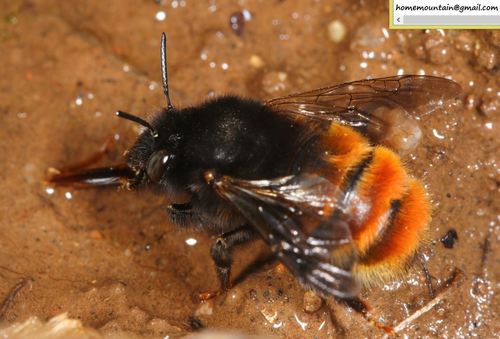
Anthophore des murailles
ENAnthophora plagiata
Anthophora plagiata faces severe population declines primarily due to habitat loss from urban development and agricultural intensification in its limited range. The species is particularly vulnerable because of its specialized nesting requirements in old walls and cliff faces, which are increasingly destroyed or modified by human activities.
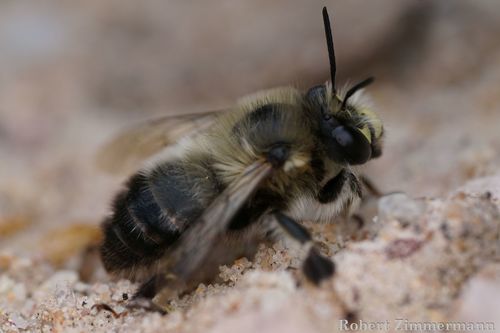
Anthophore estivale
CRAnthophora aestivalis
The primary threats to Anthophora aestivalis (a type of solitary bee) have not been formally assessed or documented by conservation scientists. Without a proper threat assessment, it's unclear what specific dangers this bee species may be facing, such as habitat destruction, pesticide use, or climate change impacts. The status of threats to this species cannot be determined as increasing, stable, or decreasing due to the lack of available data.

Antioquia Bristle-Tyrant
ENPhylloscartes lanyoni
The Antioquia Bristle-Tyrant faces severe population decline primarily due to extensive deforestation and habitat conversion in Colombia's Andean cloud forests. Mining activities, agricultural expansion, and urban development have fragmented its already limited range, while its small population size makes it extremely vulnerable to local extinctions.
Antribe marbré
VUAnthribus fasciatus
Anthribus fasciatus faces significant pressure from habitat loss and degradation as forests are cleared for agriculture and urban development. The species' dependence on specific host plants and dead wood substrates makes it particularly vulnerable to changes in forest composition and structure, while climate change may further alter the availability of suitable microhabitats.
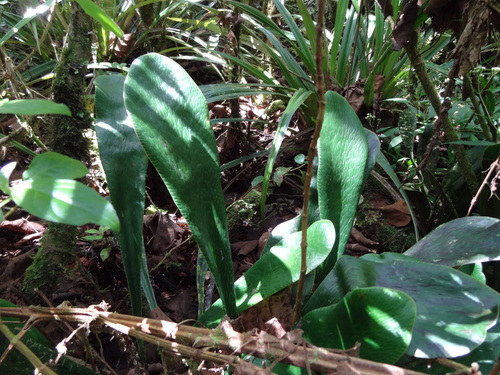
Antrophyon de Bory, Langue de boeuf, Langue de vache
CRAntrophyopsis boryana
The threats to Antrophyon de Bory (Antrophyopsis boryana) have not been formally assessed or documented by conservation scientists. Without this threat assessment data, it's not possible to identify what specific dangers this species may be facing in its natural habitat. The trend of threats cannot be determined since no threat evaluation has been conducted.
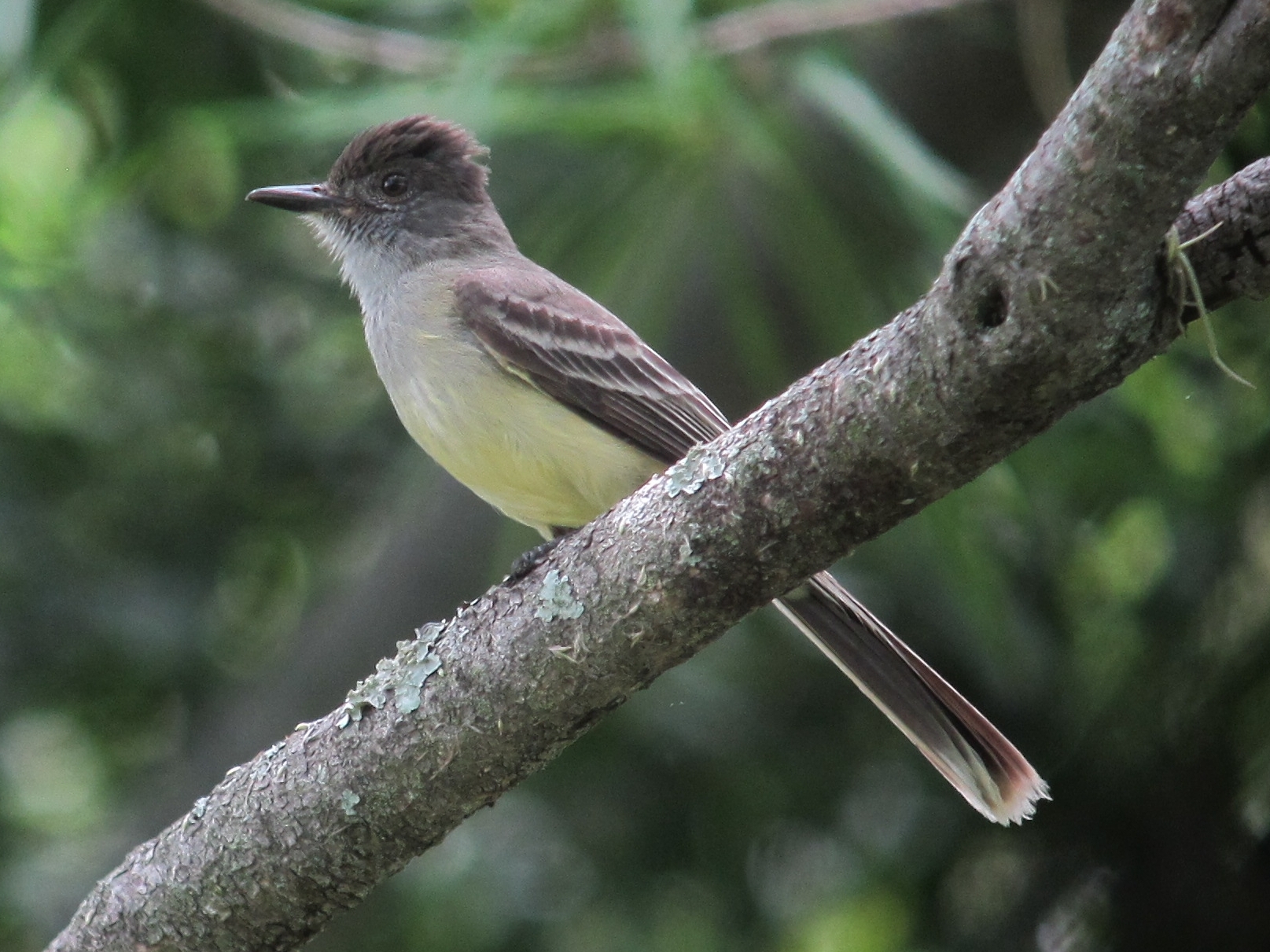
Apical Flycatcher
ENMyiarchus apicalis
The Apical Flycatcher faces severe population declines primarily due to extensive deforestation and habitat fragmentation throughout its limited range in Colombia's endemic bird areas. Agricultural expansion, urban development, and logging activities have significantly reduced the availability of suitable forest habitats, while the species' restricted range makes it particularly vulnerable to local extinctions.

Aplomado Falcon
VUFalco femoralis
The Aplomado Falcon faces significant population declines across much of its range due to widespread habitat loss and degradation from agricultural expansion and urban development. Historical persecution and ongoing human disturbance have further reduced breeding populations, while pesticide use has impacted both the species directly and its prey base.

Apollo
VUParnassius apollo
Based on the provided threat data, the specific threats to Apollo butterflies have not been assessed or documented in detail. Without a formal threat assessment, it's not possible to identify the particular dangers this species faces, such as specific types of habitat destruction, climate impacts, or human activities that may be affecting their populations. The current status of whether threats are intensifying, stable, or decreasing cannot be determined without this essential threat data.
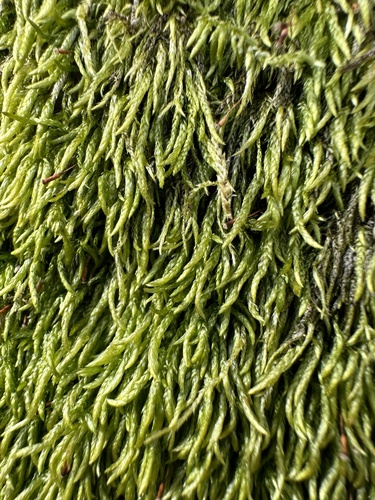
Appleyard's Feather-moss
VUScleropodium cespitans
Appleyard's Feather-moss faces significant threats from habitat degradation and loss due to urbanization, agricultural expansion, and changes in land use practices that alter the specific microhabitat conditions this species requires. Climate change poses additional risks through altered precipitation patterns and temperature regimes that can disrupt the delicate moisture balance essential for moss survival and reproduction.
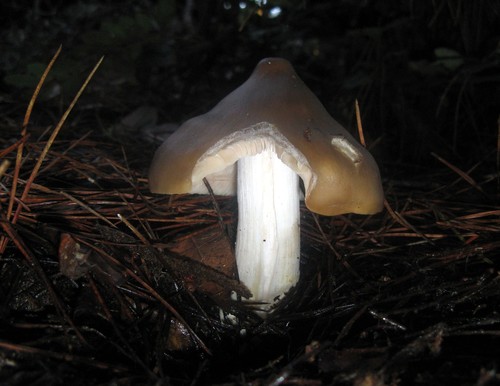
April Pinkgill
VUEntoloma aprile
April Pinkgill faces significant threats from habitat loss due to deforestation and agricultural conversion of its woodland habitats. Climate change poses additional risks by altering the delicate moisture and temperature conditions required for fruiting, while pollution and soil contamination from agricultural runoff further degrade its specialized habitat requirements.
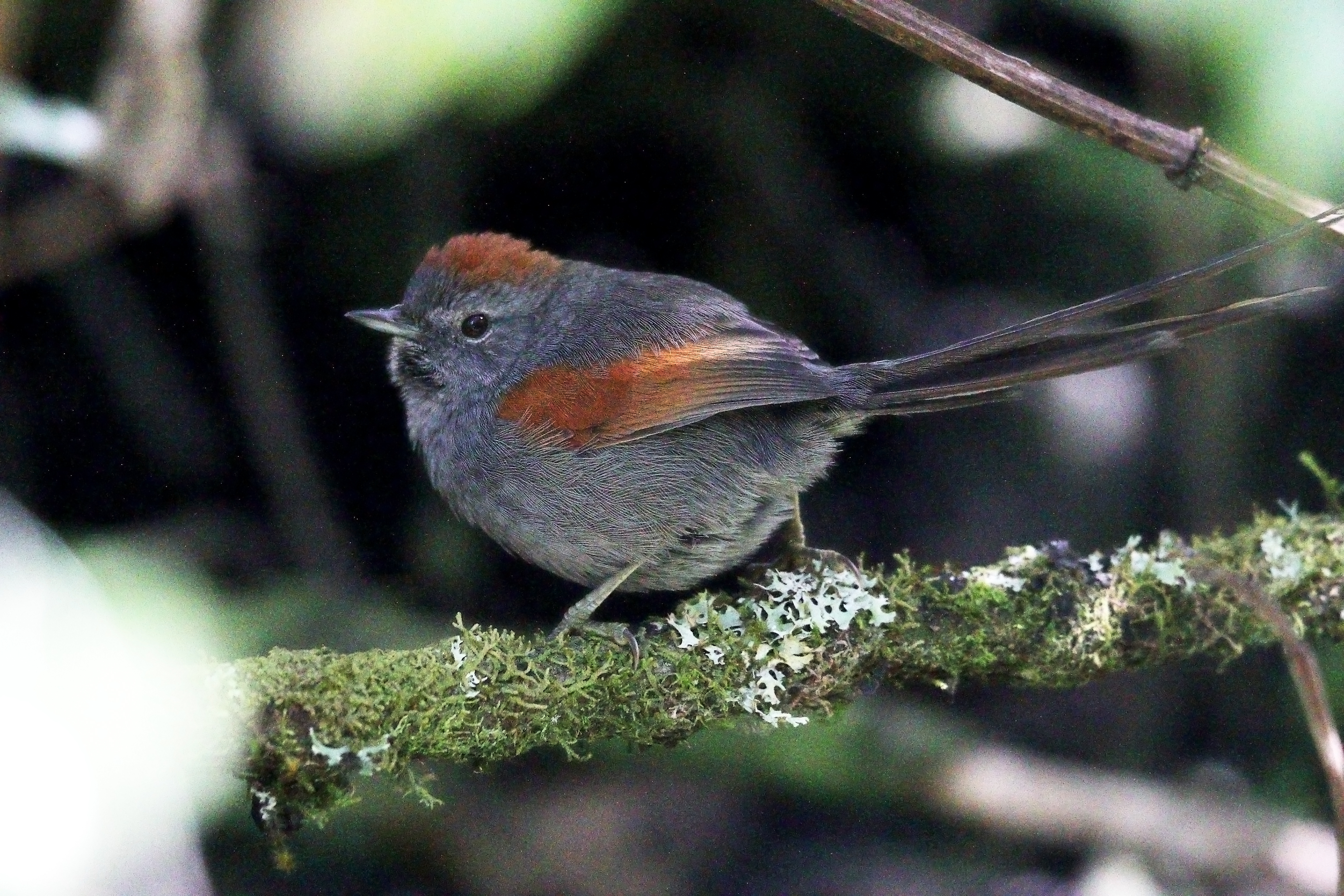
Apurímac Spinetail
VUSynallaxis courseni
The Apurímac Spinetail faces significant threats from habitat loss and degradation due to agricultural expansion and human settlement in its limited range within the Apurímac River valley of Peru. Its restricted distribution and specialized habitat requirements make it particularly vulnerable to environmental changes and human activities that fragment or destroy its scrubland habitat.