Smicronyx reichei
Overview
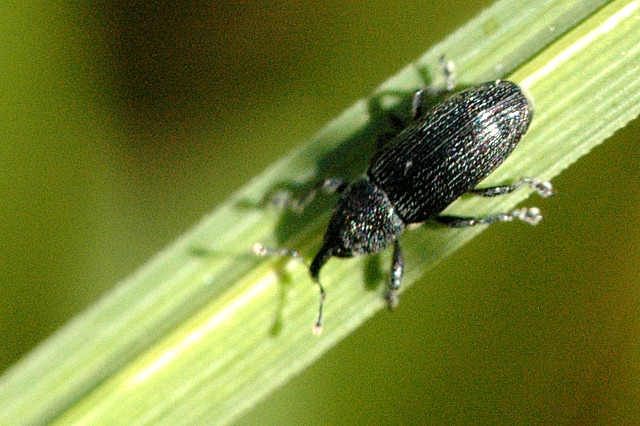
Smicronyx reichei is a small weevil species belonging to the family Curculionidae, characterized by its distinctive elongated snout and compact body typical of seed weevils. These beetles play a specialized ecological role as herbivores, with larvae typically developing within the seeds or fruits of specific host plants, contributing to natural seed dispersal and plant population dynamics.
Smicronyx reichei faces significant threats from habitat loss and degradation due to agricultural expansion and urbanization across its range. As a specialized weevil species with specific host plant requirements, it is particularly vulnerable to changes in vegetation composition and the loss of native plant communities that support its lifecycle.
Habitat
This weevil species inhabits areas with specific host plants in Mediterranean and temperate regions, typically found in natural grasslands, scrublands, and forest edges where its preferred vegetation occurs. The species requires stable plant communities that support its specialized feeding and reproductive needs.
Other threatened species in Curculionidae

Threatened in France
Frequently asked questions
Why is Smicronyx reichei classified as Vulnerable?
Where does Smicronyx reichei live?
What are the main threats to Smicronyx reichei?
Get weekly conservation intelligence
One short digest a week of the most striking species and country data we ship, plus breaking conservation news paired with our database where it matters.
Free, no spam. One-click unsubscribe in every email.