Species Explorer
Browse and search species from the IUCN Red List and GBIF.
54,666 species
Cuban Khaki Frog
VUEleutherodactylus ronaldi
The Cuban Khaki Frog faces significant threats from habitat loss and degradation due to deforestation, agricultural expansion, and urban development across its Cuban range. Climate change poses additional risks through altered precipitation patterns and temperature increases that could affect breeding success and habitat suitability. The species' limited distribution makes it particularly vulnerable to environmental changes and human activities.
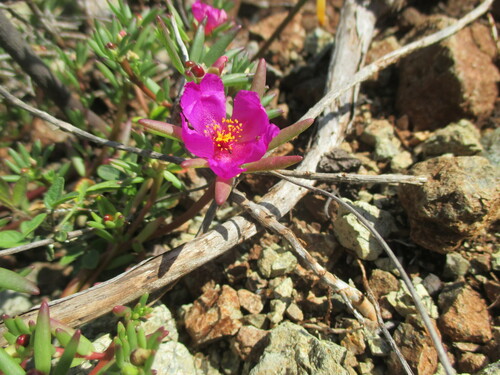
Cuban purslane
ENPortulaca biloba
Cuban purslane faces severe threats from habitat destruction due to coastal development, tourism infrastructure, and urban expansion along Cuba's coastlines. The species' extremely limited distribution makes it particularly vulnerable to localized disturbances, while invasive plant species compete for the same specialized coastal habitats.
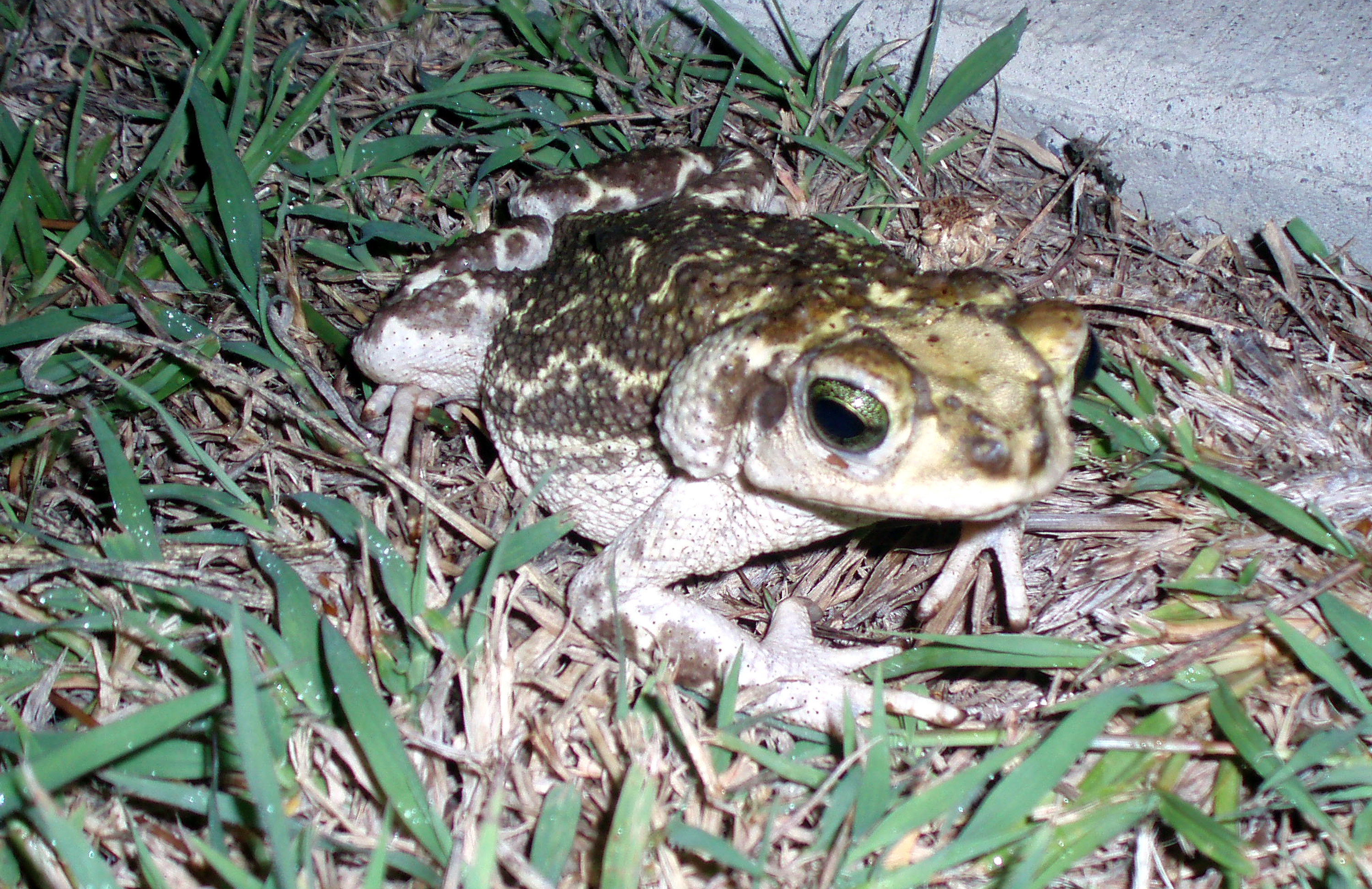
Cuban Small-eared Toad
VUPeltophryne empusa
The Cuban Small-eared Toad faces significant threats from habitat loss and degradation due to agricultural expansion, urban development, and deforestation across its Cuban range. Climate change poses additional risks through altered precipitation patterns and increased frequency of extreme weather events that can disrupt breeding cycles and reduce suitable habitat availability.

Cuban Spotted Toad
VUPeltophryne taladai
The Cuban Spotted Toad faces significant threats from habitat loss and degradation due to agricultural expansion, urban development, and deforestation across its limited range in Cuba. Climate change poses additional risks through altered precipitation patterns and increased frequency of extreme weather events that can disrupt breeding cycles and reduce suitable habitat availability.
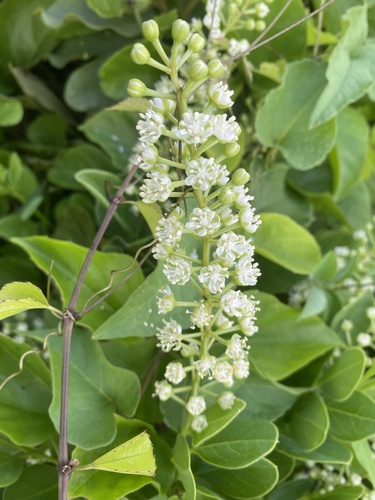
Cuban tangle
ENStegnosperma cubense
Cuban tangle (Stegnosperma cubense) faces severe population decline primarily due to habitat destruction from urban development and agricultural expansion across its limited range in Cuba. The species' extremely restricted distribution makes it particularly vulnerable to localized threats, with remaining populations fragmented and isolated.

Culpeo
VULycalopex culpaeus
The Culpeo faces significant pressure from habitat loss and fragmentation due to agricultural expansion, livestock grazing, and human settlement development across its range. Persecution by livestock farmers who view culpeos as threats to domestic animals, combined with hunting pressure and vehicle strikes, further threatens populations throughout South America.

Curled Hook-moss
VUPalustriella commutata
Curled Hook-moss faces significant threats from habitat degradation and loss of its specialized wetland environments. Climate change and altered hydrology from human activities are reducing the availability of suitable calcareous spring and seepage habitats. Water pollution and eutrophication further compromise the water quality conditions this species requires for survival.
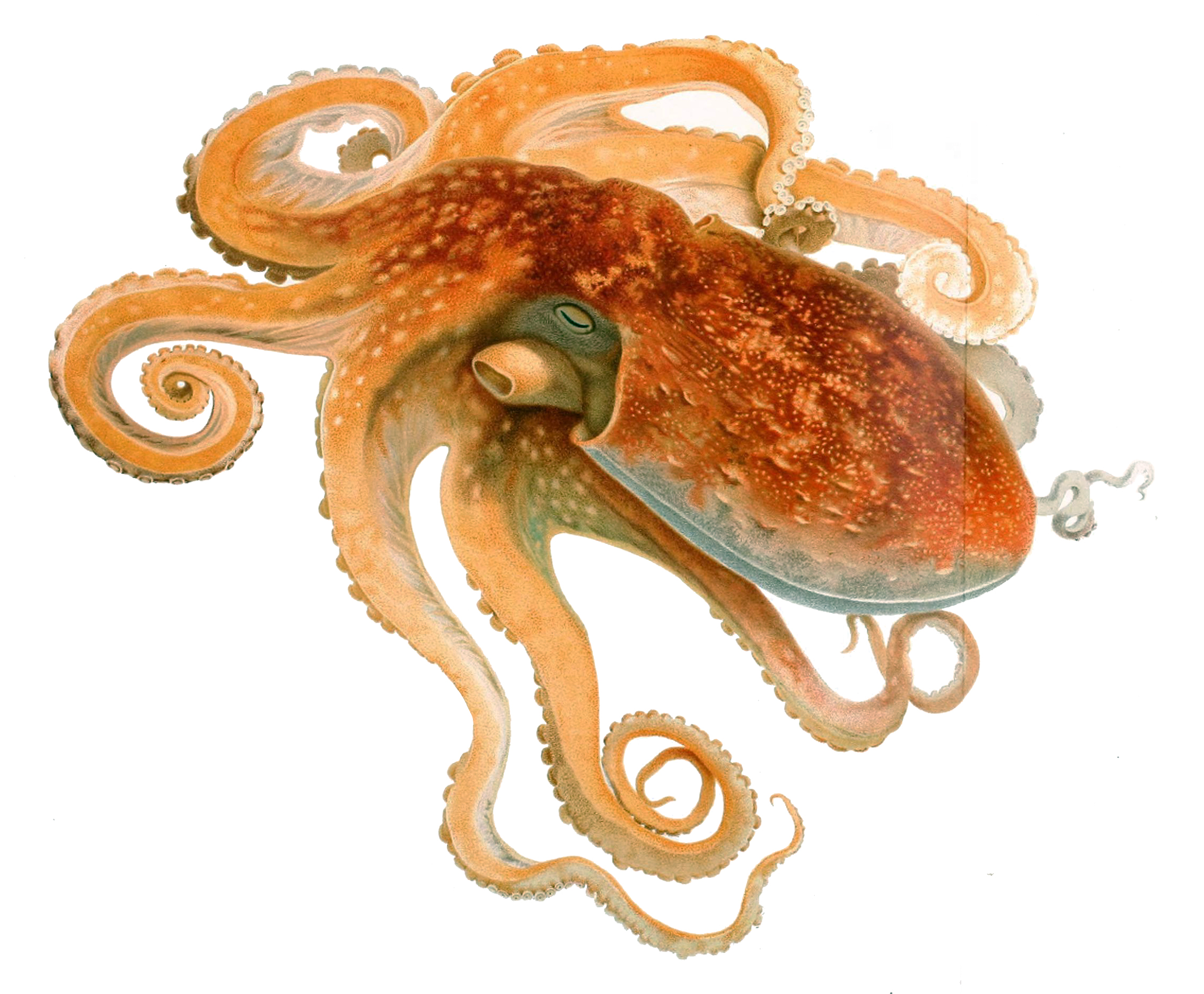
Curled Octopus
ENEledone cirrhosa
The Curled Octopus faces significant population declines primarily due to intensive commercial fishing pressure and habitat degradation in coastal waters. Overfishing has reduced prey availability while bottom trawling activities destroy critical benthic habitats where this species forages and shelters.
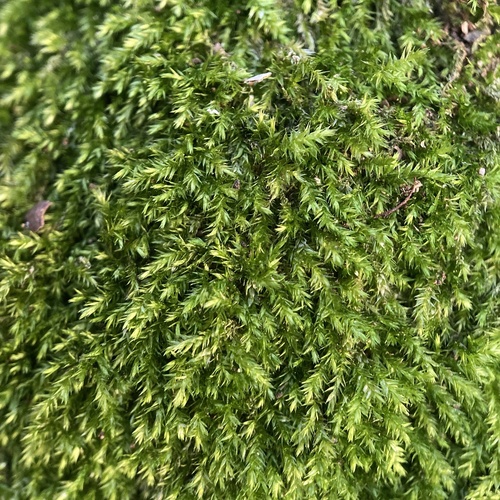
Curve-stalked Feather-moss
CRRhynchostegiella curviseta
Curve-stalked Feather-moss is critically endangered due to its extremely limited distribution and vulnerability to habitat degradation. The species faces severe threats from human activities that alter its specialized microhabitat requirements, particularly in coastal and rocky environments where it occurs.

Curved Sedge
VUCarex maritima
Curved Sedge faces significant threats from coastal development and habitat modification along its specialized shoreline environments. Rising sea levels and increased storm intensity due to climate change pose additional risks to its narrow coastal habitat range, while human activities including recreation and infrastructure development continue to degrade suitable sites.
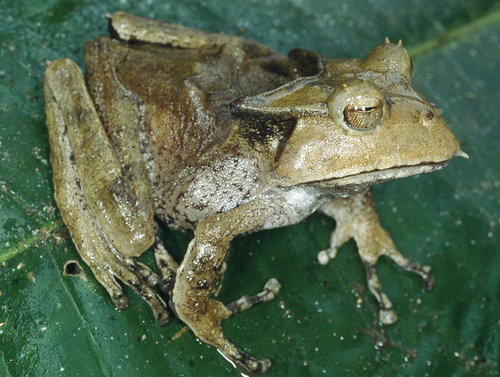
Cusco Triangular-headed Frog
CRHemiphractus helioi
The Cusco Triangular-headed Frog faces severe threats from habitat destruction due to agricultural expansion and deforestation in its limited montane cloud forest range in Peru. Climate change poses an additional significant threat by altering the specific temperature and humidity conditions this species requires in its high-altitude habitat. The species' extremely restricted range and small population size make it particularly vulnerable to any environmental changes or human disturbances.
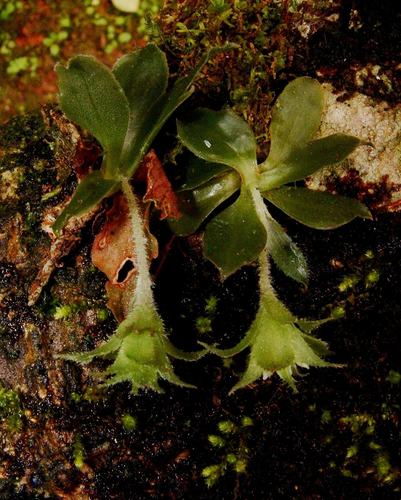
custard orchid
CREurystyles ananassocomos
The custard orchid (Eurystyles ananassocomos) faces severe population decline primarily due to habitat destruction from deforestation and agricultural expansion in its limited range. As an endemic orchid species with highly specific ecological requirements, it is extremely vulnerable to environmental changes and human disturbance. The species' restricted distribution and small population size make it particularly susceptible to extinction from multiple threatening processes.
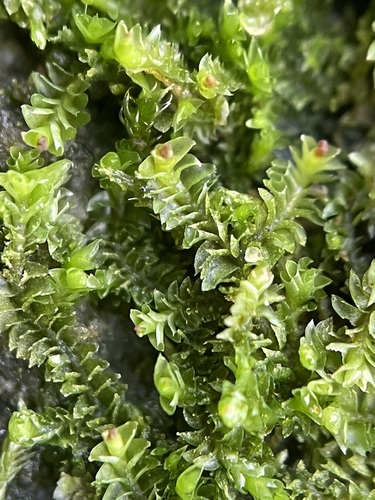
Cut Notchwort
ENTritomaria exsecta
Cut Notchwort (Tritomaria exsecta) is declining primarily due to habitat loss and degradation of its specialized bryophyte communities. Climate change and atmospheric pollution are altering the delicate moisture and chemical conditions required for this liverwort's survival, while human activities continue to fragment and destroy suitable habitats.
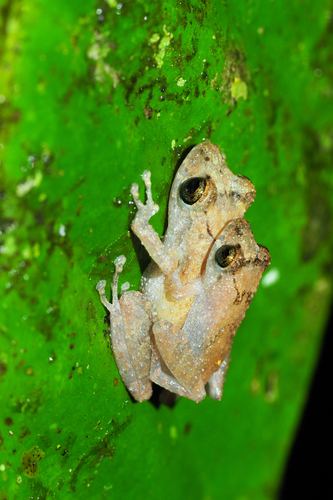
Cutín de Esmeraldas
VUPristimantis esmeraldas
Cutín de Esmeraldas faces significant threats from habitat loss due to deforestation and agricultural expansion in Ecuador's coastal region. The species' restricted range in the Esmeraldas province makes it particularly vulnerable to localized environmental changes and human activities that fragment its forest habitat.
Cutín de Leimebamba
VUPristimantis pataikos
Cutín de Leimebamba faces significant threats from habitat loss due to agricultural expansion and deforestation in its limited montane cloud forest range. The species' restricted distribution in northern Peru makes it particularly vulnerable to environmental changes and human activities that fragment its specialized high-altitude habitat.
Cutín de manchas celestes
VUPristimantis caeruleonotus
Cutín de manchas celestes faces significant threats from habitat loss due to deforestation and agricultural expansion in its limited montane forest range. The species' restricted distribution and specialized habitat requirements make it particularly vulnerable to environmental changes and human encroachment.

Cutín de Musgo
VUPristimantis muscosus
Cutín de Musgo faces significant threats from habitat loss due to deforestation and agricultural expansion in its limited montane range. Climate change poses additional risks by altering the specific temperature and humidity conditions required by this moss-dwelling species, while its restricted distribution makes populations particularly vulnerable to local extinctions.

Cutín de Philip
ENPristimantis philipi
Pristimantis philipi faces severe population declines primarily due to habitat destruction from agricultural expansion and urban development in its limited montane range. The species' restricted distribution makes it particularly vulnerable to localized threats, while climate change may be altering the specific temperature and humidity conditions required for its survival.
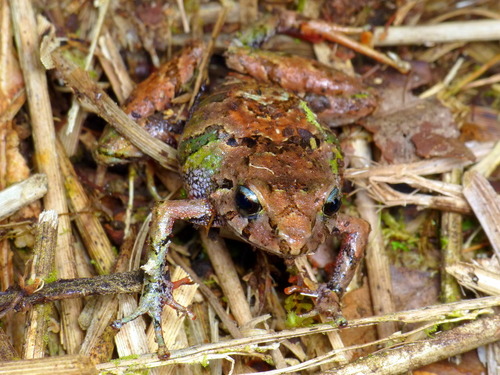
Cutín de Sigchos
VUPristimantis floridus
Cutín de Sigchos faces significant threats from habitat loss and fragmentation due to agricultural expansion and human settlement in its limited montane range. The species' restricted distribution in the Ecuadorian Andes makes it particularly vulnerable to environmental changes and localized threats that could impact entire populations.

Cutín de vientre marmoleado
VUPristimantis ventrimarmoratus
Cutín de vientre marmoleado faces significant threats from habitat loss due to deforestation and agricultural expansion in its limited range. The species' restricted distribution and specialized habitat requirements make it particularly vulnerable to environmental changes and human encroachment into montane forest ecosystems.
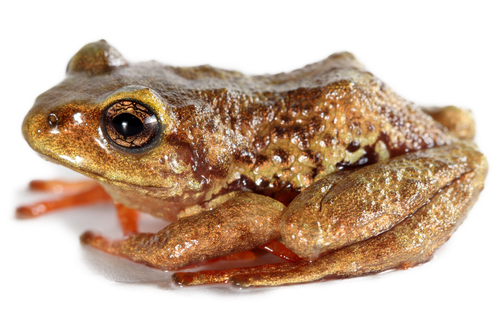
Cutín del paramo del Angel
VUPristimantis thymelensis
Cutín del paramo del Angel faces significant threats from habitat loss and degradation due to agricultural expansion and cattle grazing in its restricted páramo habitat. Climate change poses an additional severe risk, as rising temperatures force this high-altitude specialist upslope into increasingly limited suitable habitat.
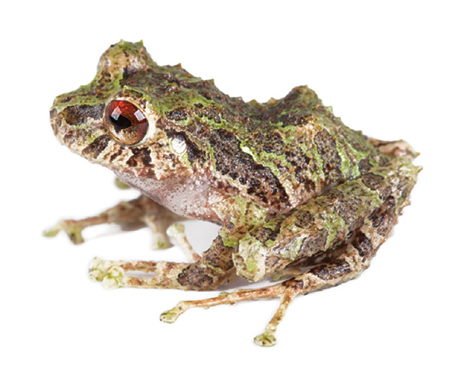
Cutín del Porvenir
VUPristimantis crucifer
Cutín del Porvenir faces significant threats from habitat loss due to agricultural expansion and urban development in its limited range. Deforestation and fragmentation of cloud forests have reduced available breeding sites, while climate change poses additional risks by altering the moisture and temperature conditions essential for this species' survival.
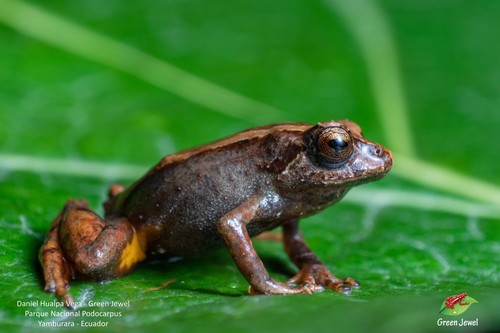
Cutín nomo
VUPristimantis andinognomus
Cutín nomo faces significant threats from habitat loss and fragmentation due to agricultural expansion, logging, and human settlement in its Andean cloud forest habitat. The species' restricted range and specialized habitat requirements make it particularly vulnerable to environmental changes and climate shifts that alter the moisture and temperature conditions of its montane ecosystem.
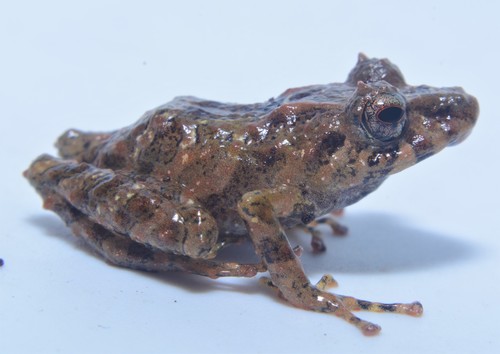
Cutín oculto
ENPristimantis prolatus
Pristimantis prolatus faces severe population declines primarily due to habitat destruction from agricultural expansion and urban development in its limited montane forest range. The species' restricted distribution and specialized habitat requirements make it particularly vulnerable to ongoing deforestation and climate change impacts on high-elevation ecosystems.
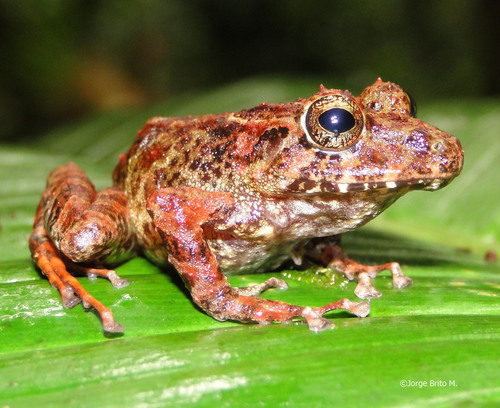
Cutín rubicundo
VUPristimantis rubicundus
Cutín rubicundo faces significant threats from habitat loss and fragmentation due to deforestation, agricultural expansion, and urban development throughout its Andean range. The species' restricted elevational range and specialized habitat requirements make it particularly vulnerable to climate change impacts, which are altering temperature and precipitation patterns in montane ecosystems.

Cutín trompudo
VUPristimantis labiosus
Cutín trompudo faces significant threats from habitat loss due to deforestation and agricultural expansion throughout its Andean cloud forest range. The species' restricted elevational distribution and fragmented populations make it particularly vulnerable to climate change impacts, which are altering the temperature and moisture conditions of its specialized montane habitat.
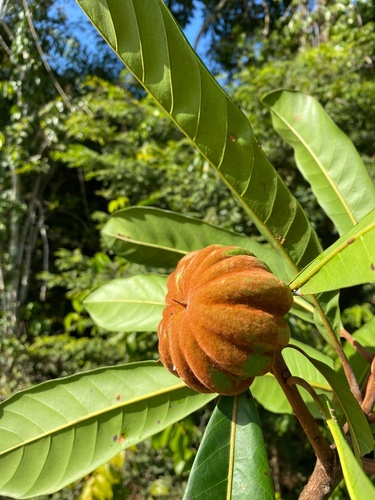
Cutite de Restinga
CRPouteria pachycalyx
Pouteria pachycalyx faces severe threats primarily from habitat destruction and fragmentation of its native restinga ecosystems along Brazil's Atlantic coast. Urban development, agricultural expansion, and coastal infrastructure projects have dramatically reduced the species' already limited range, while its small population size makes it extremely vulnerable to local extinctions.

Cutleaf geranium
ENGeranium dissectum
Habitat loss due to agricultural intensification and urban development has severely reduced suitable growing areas for this species. Competition from invasive plant species and changes in land management practices, including reduced disturbance regimes that the species depends on, have further contributed to population declines.

Cyren’s Rock Lizard
ENIberolacerta cyreni
Cyren's Rock Lizard faces severe threats from climate change, which is causing upward shifts in suitable habitat and reducing available rocky refugia in high-altitude environments. The species' extremely restricted range in the Spanish mountains makes it particularly vulnerable to habitat loss from tourism development and infrastructure projects in alpine areas.
Daddelbrun slørhat
VUCortinarius fragrantior
Daddelbrun slørhat faces significant threats from habitat loss due to deforestation and forest fragmentation, which reduces the availability of suitable old-growth forest environments. Climate change poses additional risks by altering temperature and moisture conditions essential for this fungal species' survival and reproduction.
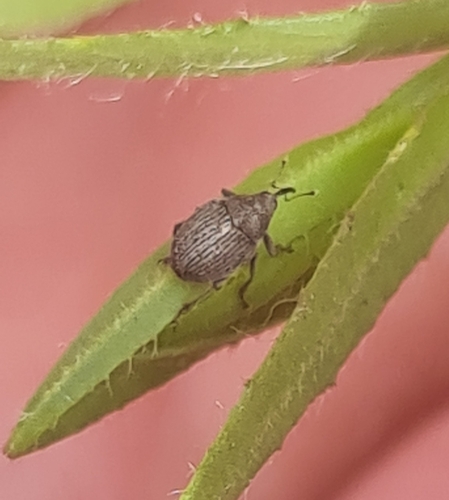
dådrevivel
CRCeutorhynchus syrites
Ceutorhynchus syrites, the dådrevivel weevil, faces severe population decline primarily due to habitat loss and degradation of its specialized host plant environments. Agricultural intensification and changes in land use practices have significantly reduced suitable breeding and feeding sites. The species' narrow ecological requirements make it particularly vulnerable to environmental changes.
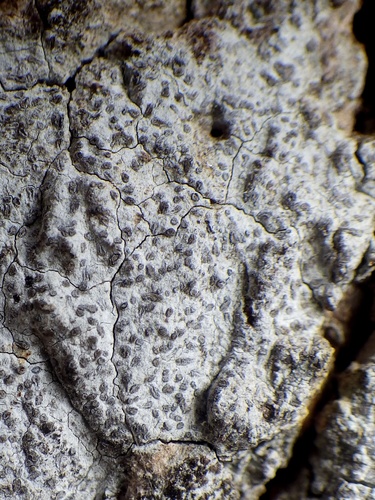
daggklotterlav
CRLecanographa lyncea
Lecanographa lyncea, a critically endangered lichen species, faces severe decline primarily due to habitat loss and degradation of its specialized forest ecosystems. Air pollution and climate change further threaten the sensitive environmental conditions this species requires for survival.
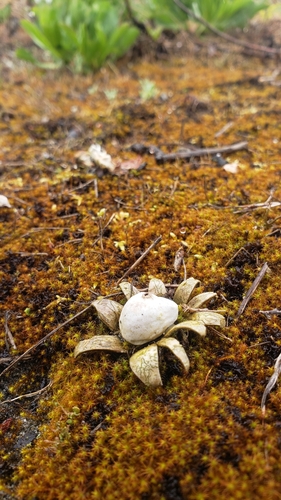
Daisy Earthstar
VUGeastrum floriforme
The Daisy Earthstar faces significant threats from habitat loss and degradation due to deforestation, agricultural expansion, and urban development across its range. Climate change poses additional risks by altering the specific moisture and temperature conditions required for this fungal species to complete its reproductive cycle. Pollution and soil contamination further compromise the delicate ecological balance necessary for its survival.
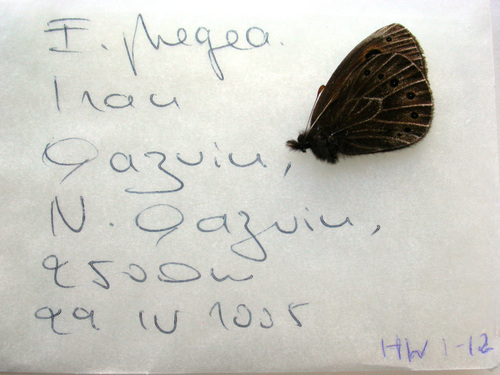
Dalmatian Ringlet
VUProterebia phegea
The Dalmatian Ringlet faces significant threats from habitat loss and fragmentation due to agricultural intensification and urban development in its limited mountain grassland range. Climate change poses an additional risk by altering the temperature and precipitation patterns of its high-altitude habitats, potentially forcing populations to shift to increasingly restricted suitable areas.
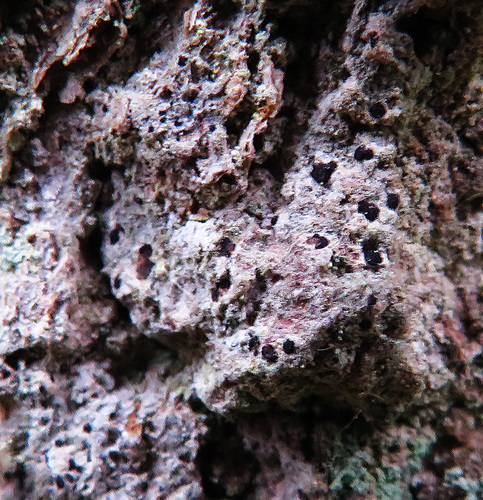
dalmatinerfläck
ENArthonia arthonioides
Arthonia arthonioides, a crustose lichen species, faces significant decline primarily due to air pollution and habitat degradation affecting its specialized substrate requirements. The species is particularly vulnerable to changes in air quality and forest management practices that alter the bark chemistry and microclimate conditions essential for its survival.
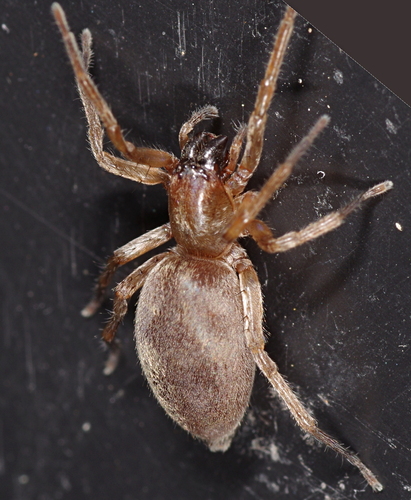
dalsäckspindel
VUClubiona germanica
Clubiona germanica faces significant threats from habitat loss and degradation due to urbanization, agricultural intensification, and changes in forest management practices. The species' specialized habitat requirements make it particularly vulnerable to environmental changes, while its limited dispersal ability restricts population recovery and genetic exchange between fragmented populations.
dammkokongvivel
VUHypera arundinis
Hypera arundinis faces significant threats from habitat degradation and loss of wetland ecosystems where its host plants occur. Agricultural intensification, drainage of wetlands, and changes in water management practices have reduced the availability and quality of suitable breeding habitats. Climate change may further impact the species by altering the distribution and phenology of its reed host plants.
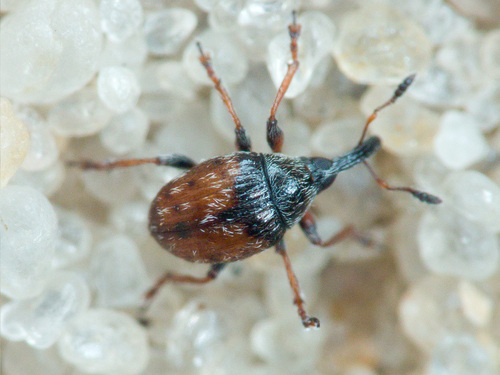
dammkulspetsvivel
VUNanophyes globulus
Nanophyes globulus faces significant threats from habitat degradation and agricultural intensification across its range. The species' dependence on specific host plants makes it particularly vulnerable to changes in vegetation composition and land use practices that reduce the availability of suitable breeding sites.

Dansk slørhat
VUCortinarius danicus
Dansk slørhat faces significant threats from habitat degradation and loss of suitable forest ecosystems across its range. Climate change and altered precipitation patterns are affecting the delicate soil chemistry and moisture conditions this mycorrhizal species requires for fruiting and spore dispersal. Additionally, intensive forestry practices and soil disturbance are reducing the availability of appropriate host trees and undisturbed forest floor conditions.
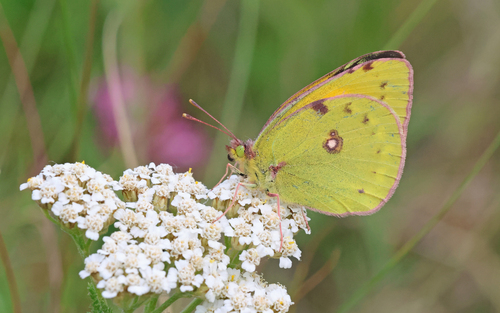
Danube Clouded Yellow
CRColias myrmidone
The Danube Clouded Yellow butterfly has experienced severe population declines primarily due to habitat loss and fragmentation of its specialized grassland ecosystems. Agricultural intensification, urbanization, and changes in land management practices have eliminated much of the species' required habitat of flower-rich meadows and grasslands. Climate change may also be affecting the availability of its host plants and suitable breeding conditions.
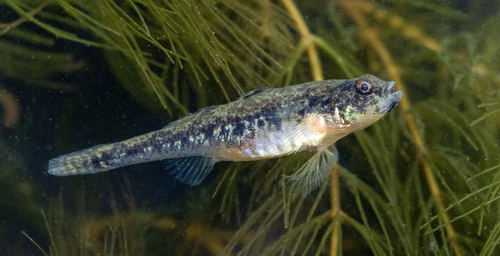
Danube Delta dwarf goby
CRKnipowitschia cameliae
The Danube Delta dwarf goby faces severe threats from habitat degradation and water pollution in its extremely limited range within the Danube Delta. Agricultural runoff, industrial pollution, and hydrological modifications have significantly altered the water quality and ecosystem structure of the shallow, vegetated waters this endemic species depends on.
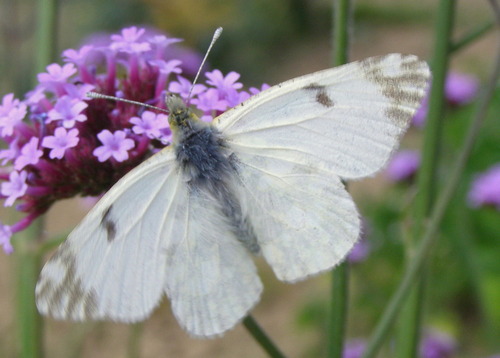
Dappled White
VUEuchloe simplonia
The Dappled White butterfly faces significant threats from habitat loss and fragmentation as alpine and montane meadows are increasingly impacted by climate change, agricultural expansion, and tourism development. Rising temperatures are causing shifts in suitable habitat zones upward in elevation, while simultaneously affecting the availability of its host plants and altering the timing of critical life cycle events.
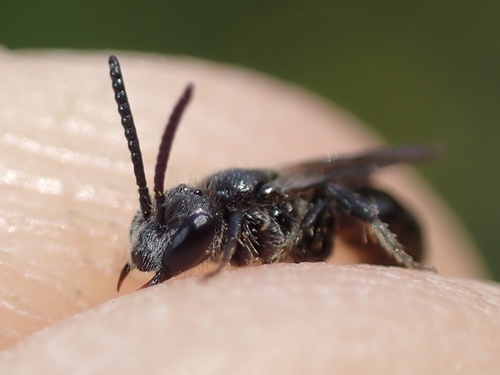
Dark Blood Bee
VUSphecodes niger
The Dark Blood Bee faces significant population pressures from habitat loss due to agricultural intensification and urban development, which eliminates the diverse flowering plants and suitable nesting sites it requires. Climate change and widespread pesticide use in agricultural areas further threaten remaining populations by disrupting foraging resources and directly impacting bee survival.
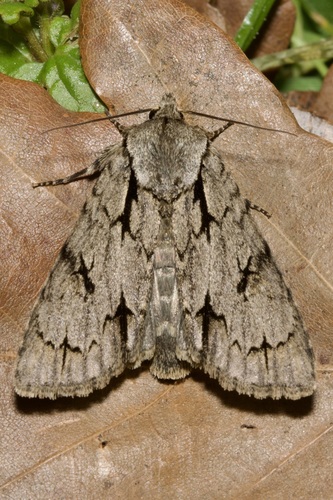
Dark Dagger
VUAcronicta tridens
The Dark Dagger moth faces significant population pressures from habitat loss due to agricultural intensification and urban development, which reduces availability of its host plants and suitable breeding sites. Climate change is altering the timing of larval development and host plant phenology, creating mismatches that affect reproductive success.
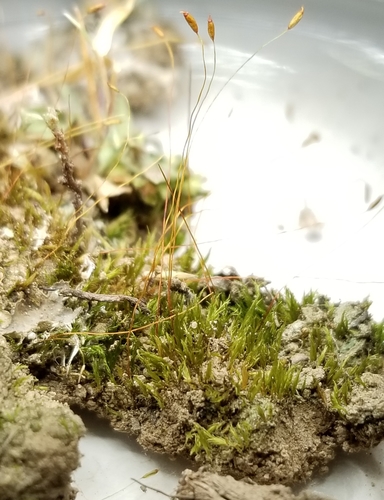
Dark Ditrichum
CRDitrichum lineare
Dark Ditrichum (Ditrichum lineare) is critically endangered primarily due to habitat loss and degradation of its specialized wetland environments. This moss species requires very specific moisture and substrate conditions that are increasingly threatened by human activities and climate change.
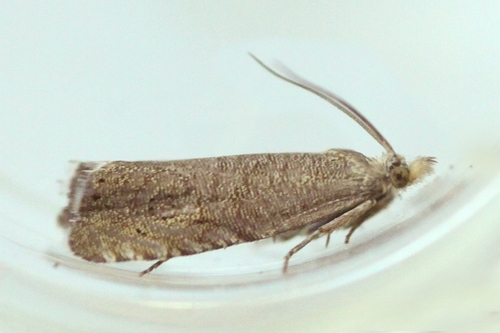
Dark Drill
VUDichrorampha senectana
The Dark Drill faces significant threats from habitat loss and degradation due to agricultural intensification and urban development across its European range. Climate change poses additional risks by altering the distribution and phenology of its host plants, while pesticide use in agricultural areas directly impacts both the species and its food sources.
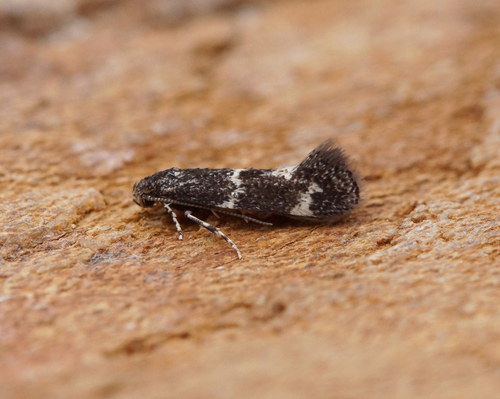
Dark Dwarf
VUElachista subnigrella
The Dark Dwarf (Elachista subnigrella) faces significant threats from habitat loss and degradation due to agricultural intensification and urban development across its range. Climate change poses additional risks by altering the distribution and phenology of its host plants, while pesticide use in agricultural areas directly impacts both the species and its larval food sources.
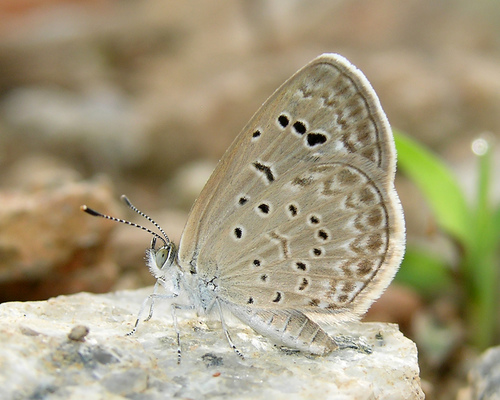
Dark Grass Blue
VUZizeeria karsandra
The Dark Grass Blue butterfly faces significant population declines primarily due to habitat loss from agricultural expansion and urban development across its range. Grassland conversion and degradation of its preferred open habitats have fragmented populations and reduced available breeding sites.
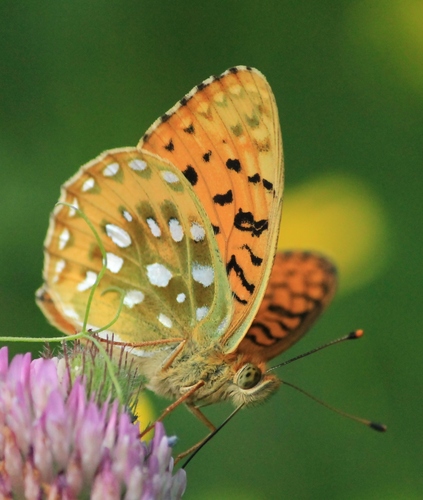
Dark Green Fritillary
CRSpeyeria aglaja
The Dark Green Fritillary faces severe population declines primarily due to habitat loss and fragmentation of grassland ecosystems where its violet host plants grow. Agricultural intensification, overgrazing, and abandonment of traditional land management practices have eliminated much of the species' suitable breeding habitat across its range.
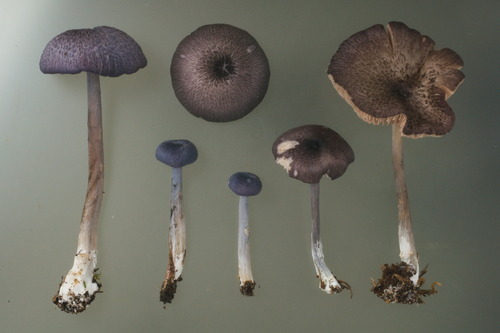
Dark Purple Pinkgill
ENEntoloma nigroviolaceum
The Dark Purple Pinkgill faces severe population decline primarily due to habitat loss from agricultural expansion and urban development in its limited European range. Climate change and pollution are additional stressors affecting the specific soil conditions and mycorrhizal relationships this rare fungus requires for survival.