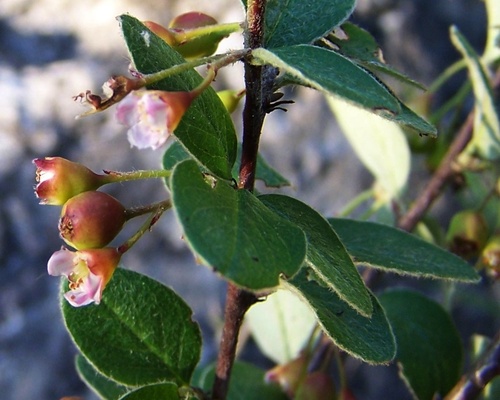
black-fruit cotoneaster
Cotoneaster laxiflorus
Photo: iNaturalist: (c) Jerzy Opioła, some rights reserved (CC BY-SA)
Overview
Dark-seed cotoneaster (Cotoneaster laxiflorus) is a deciduous shrub native to the Himalayan region, characterized by its loose clusters of small white or pink flowers and distinctive dark-colored berries. This medium-sized shrub typically grows 2-4 meters tall with oval leaves that turn reddish in autumn, and serves as an important food source for birds and small mammals in its native mountain ecosystems.
Dark-seed cotoneaster faces significant threats from habitat loss and degradation due to agricultural expansion and infrastructure development in its native range. Climate change poses additional risks by altering the montane conditions this species requires, while overgrazing by livestock degrades its specialized habitat.
Habitat
Rocky slopes, cliff faces, and open montane shrublands typically between 2,000-4,000m elevation in the Himalayan region. The species favors well-drained, alkaline soils on steep terrain with sparse vegetation cover.
Other threatened species in Rosaceae


Frequently asked questions
Why is black-fruit cotoneaster classified as Vulnerable?
Where does black-fruit cotoneaster live?
What are the main threats to black-fruit cotoneaster?
Get weekly conservation intelligence
One short digest a week of the most striking species and country data we ship, plus breaking conservation news paired with our database where it matters.
Free, no spam. One-click unsubscribe in every email.