
Neon valentulus
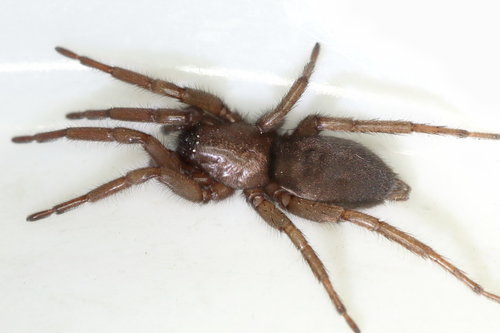
Photo: Wikimedia Commons (CC) via https://en.wikipedia.org/wiki/Neon_valentulus
Overview
Neon valentulus is a species of jumping spider found from Europe to Central Asia. It is only found in marshy areas.
The donkere neon faces severe population declines due to widespread habitat destruction from urban development and agricultural expansion throughout its limited range. Water pollution from industrial runoff and agricultural chemicals has significantly degraded the quality of its freshwater breeding sites, while climate change is altering precipitation patterns critical for its reproductive cycle.
Habitat
Inhabits shallow freshwater streams, ponds, and wetlands with dense aquatic vegetation in temperate lowland regions below 300m elevation. Requires clean, slow-moving waters with abundant submerged plants and soft substrates for breeding and foraging.
Other threatened species in Salticidae
Threatened in Åland Islands


Frequently asked questions
Why is Neon valentulus classified as Critically Endangered?
Where does Neon valentulus live?
What are the main threats to Neon valentulus?
Get weekly conservation intelligence
One short digest a week of the most striking species and country data we ship, plus breaking conservation news paired with our database where it matters.
Free, no spam. One-click unsubscribe in every email.