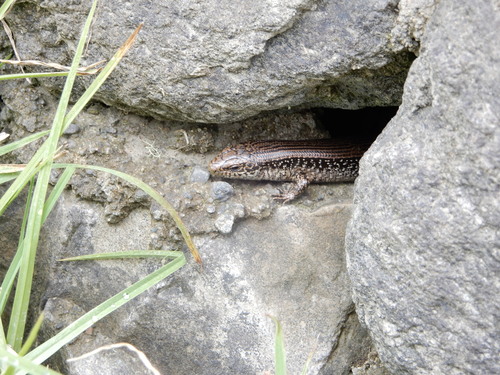
Darlington's Galliwasp
Celestus darlingtoni
Photo: iNaturalist: (c) Francis Reyes, some rights reserved (CC BY-NC), uploaded by Francis Reyes
Overview
Caribicus darlingtoni, also known commonly as Darlington's galliwasp and the Hispaniolan striped galliwasp, is a species of lizard in the family Diploglossidae. The species is endemic to the Dominican Republic on the Caribbean island of Hispaniola.
Darlington's Galliwasp faces severe population decline primarily due to habitat destruction from deforestation, agricultural expansion, and urban development in its limited range. The species' restricted distribution makes it particularly vulnerable to localized threats, with habitat fragmentation further isolating remaining populations.
Habitat
The preferred natural habitat of C. darlingtoni is Hispaniolan pine forests, at altitudes of .
Other threatened species in Diploglossidae

Frequently asked questions
Why is Darlington's Galliwasp classified as Endangered?
Where does Darlington's Galliwasp live?
What are the main threats to Darlington's Galliwasp?
Get weekly conservation intelligence
One short digest a week of the most striking species and country data we ship, plus breaking conservation news paired with our database where it matters.
Free, no spam. One-click unsubscribe in every email.