Species Explorer
Browse and search species from the IUCN Red List and GBIF.
54,666 species
Blue-fronted Lorikeet
CRCharmosyna toxopei
The Blue-fronted Lorikeet is critically endangered due to severe habitat loss from deforestation and agricultural conversion on its native island of Buru in Indonesia. The species has not been reliably recorded since 1960 despite extensive surveys, suggesting it may already be extinct or reduced to an extremely small population.
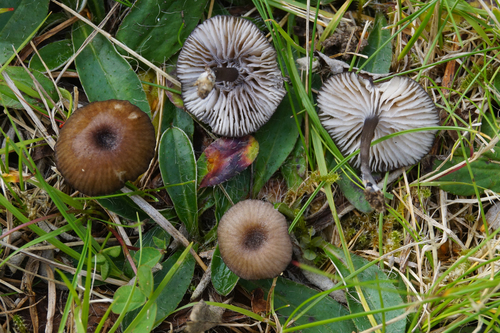
Blue-Girdled Pinkgill
VUEntoloma caesiocinctum
The Blue-Girdled Pinkgill faces significant threats from habitat loss due to deforestation and land conversion for agriculture and urban development. Climate change poses additional risks by altering the specific moisture and temperature conditions required for this fungal species to fruit and complete its life cycle. The species' apparent limited distribution and specialized ecological requirements make it particularly vulnerable to environmental changes.
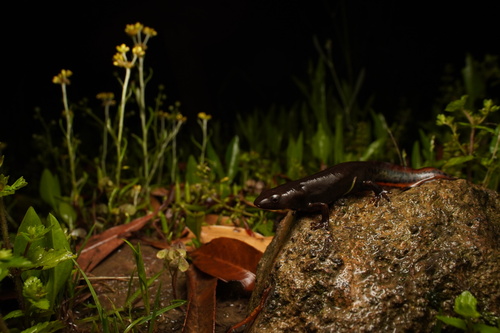
Blue-gray Fire-bellied Newt
CRCynops glaucus
The Blue-gray Fire-bellied Newt faces severe population decline primarily due to habitat destruction and degradation in its limited range in China. Agricultural expansion, urbanization, and water pollution have significantly reduced suitable breeding habitats, while collection for the pet trade has further pressured remaining populations.

Blue-mantled Thornbill
VUChalcostigma stanleyi
The Blue-mantled Thornbill faces significant threats from habitat loss and degradation due to agricultural expansion, mining activities, and infrastructure development in the high-altitude Andean regions it inhabits. Climate change poses an additional risk by altering the delicate páramo and cloud forest ecosystems this specialized hummingbird depends on for foraging and nesting.
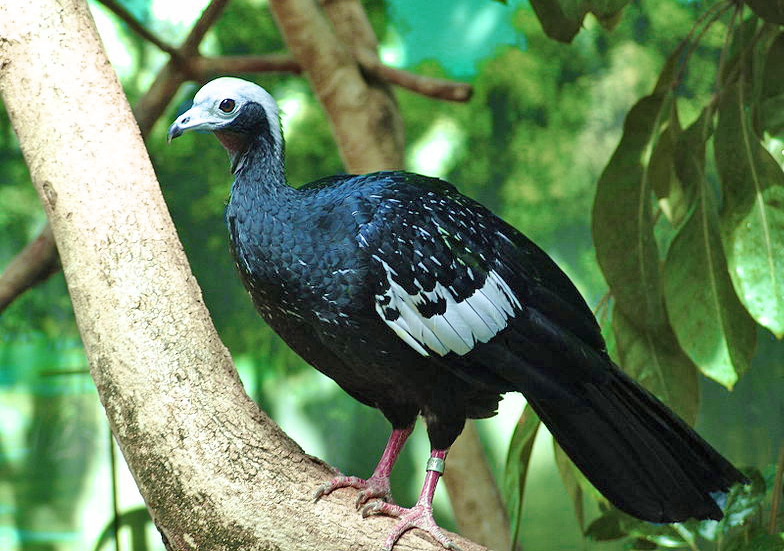
Blue-throated Piping-Guan
VUPipile cumanensis
The Blue-throated Piping-Guan faces significant pressure from widespread deforestation and habitat fragmentation across its range in northern South America. Hunting pressure for subsistence and commercial purposes has severely reduced populations, while agricultural expansion and cattle ranching continue to eliminate critical forest habitat.

Blue-winged Grasshopper
VUOedipoda caerulescens
The Blue-winged Grasshopper faces significant population declines across its European range due to habitat loss and degradation of its specialized dry grassland environments. Agricultural intensification, urban development, and abandonment of traditional grazing practices have fragmented and reduced the quality of the calcareous grasslands and rocky slopes this species requires for survival.

blue-winged locust
VUSphingonotus caerulans
The blue-winged locust faces significant threats from habitat loss and degradation due to agricultural intensification and urban development across its range. Climate change is altering precipitation patterns and temperature regimes in the dry grasslands and scrublands this species depends on, while overgrazing by livestock further degrades suitable habitat.
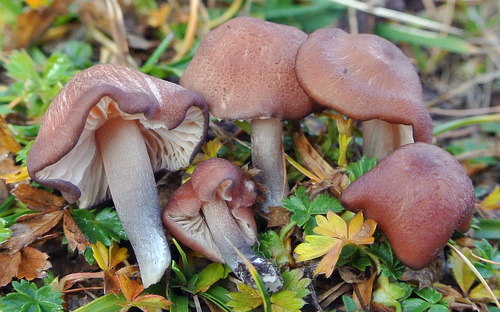
Bluefoot Pinkgill
VUEntoloma catalaunicum
Bluefoot Pinkgill faces significant threats from habitat degradation and loss of suitable forest ecosystems where it occurs. Climate change and human disturbance to its specialized habitat requirements contribute to population decline and fragmentation.

Bluegrass
VUPoa supina
Poa supina (Supine Bluegrass) faces significant decline due to habitat loss from agricultural intensification and urban development in its native European range. The species is particularly vulnerable to changes in traditional land management practices and increased recreational pressure on the specialized habitats it requires.
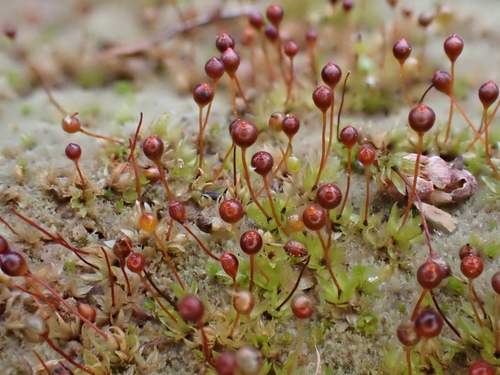
Blunt Cord-moss
VUEntosthodon obtusus
Blunt Cord-moss faces significant threats from habitat degradation and loss due to agricultural expansion, urban development, and changes in land use practices that alter the specific soil and moisture conditions this species requires. Climate change poses additional risks through altered precipitation patterns and temperature regimes that may disrupt the delicate environmental conditions necessary for moss establishment and reproduction.
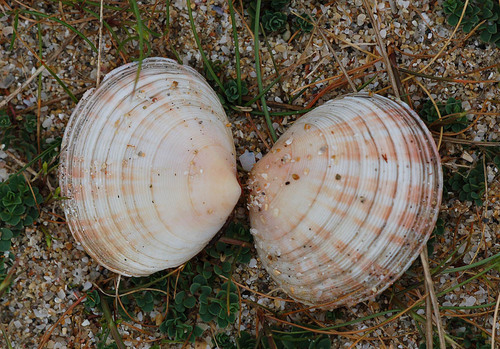
blunt tellin
VUArcopagia crassa
The blunt tellin faces significant pressure from coastal development and habitat degradation in its shallow marine environments. Pollution from agricultural runoff and urban development threatens the water quality of its sandy and muddy substrate habitats, while climate change-induced sea level rise and ocean acidification pose additional long-term risks to this bivalve species.
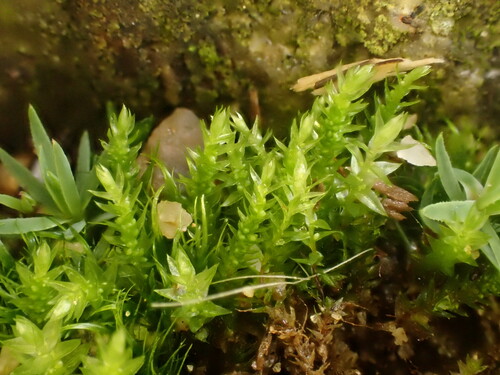
Blunt-bud Thread-moss
CRPohlia bulbifera
Blunt-bud Thread-moss (Pohlia bulbifera) is critically endangered due to its extremely limited distribution and vulnerability to habitat disturbance. The species faces severe threats from human activities that alter its specialized bryophyte habitat requirements. Climate change and environmental modifications pose additional risks to this rare moss species.
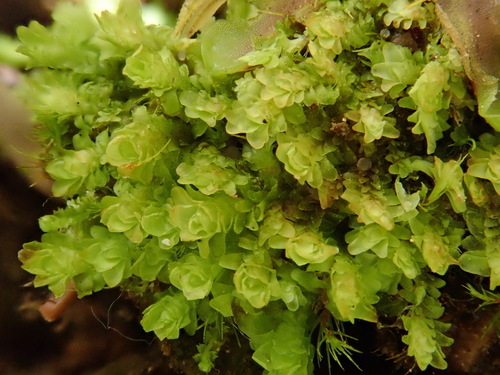
Blunt-leaved Earwort
CRDiplophyllum obtusifolium
Blunt-leaved Earwort faces severe threats from habitat loss and degradation due to agricultural intensification, urbanization, and changes in land management practices. The species is extremely sensitive to environmental changes and pollution, particularly nitrogen deposition from agricultural runoff and atmospheric sources. Climate change poses additional risks through altered precipitation patterns and temperature increases that affect the delicate moisture balance required by this bryophyte.
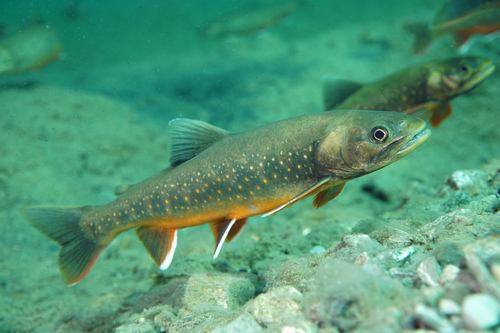
Blunt-snouted charr
CRSalvelinus obtusus
The Blunt-snouted charr is critically endangered due to its extremely limited range in a single lake system in Russia, making it highly vulnerable to environmental changes. The species faces severe threats from habitat degradation, water pollution, and potential climate change impacts on its cold-water lake environment.
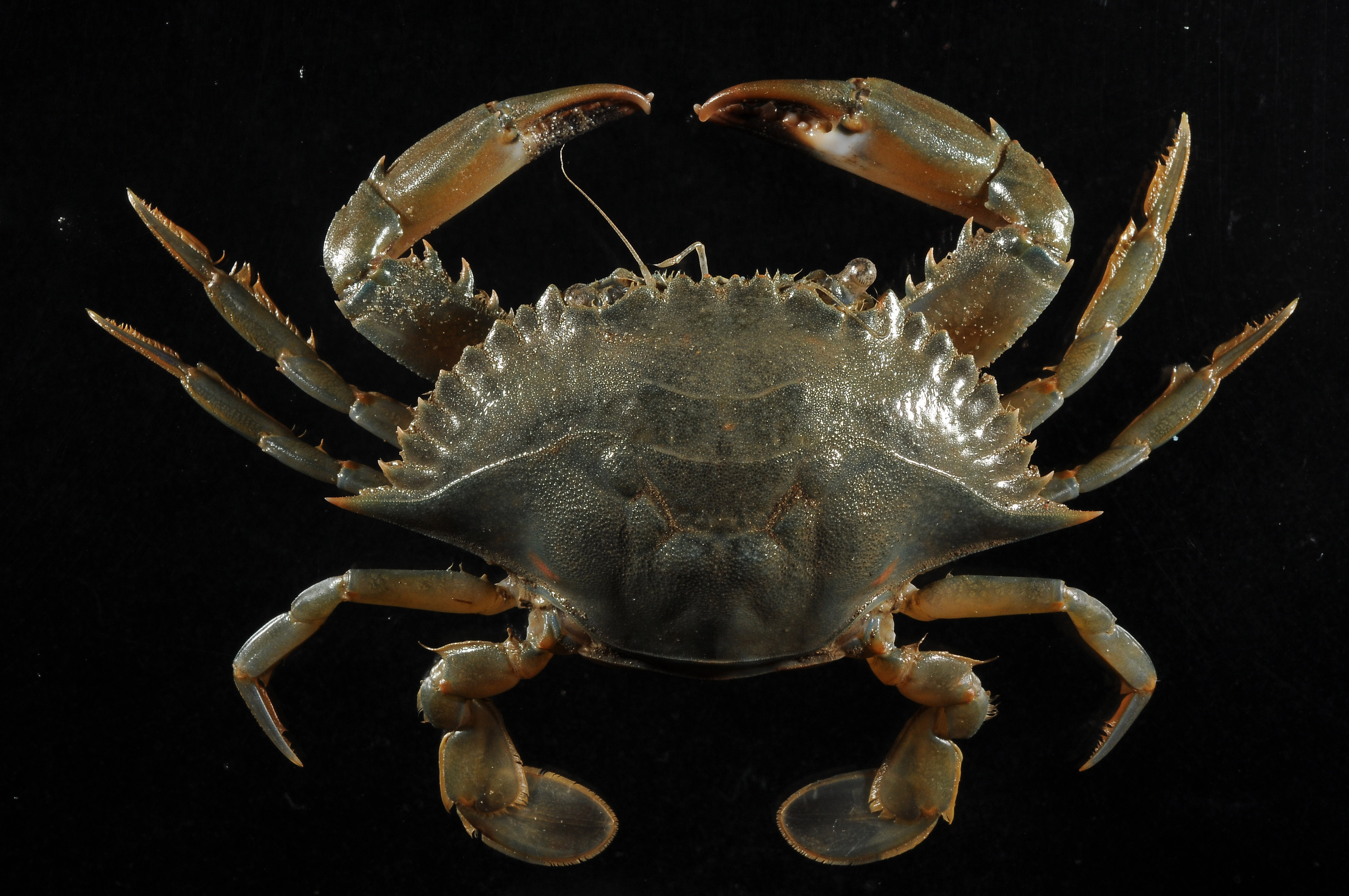
blunt-tooth swimming crab
VUCallinectes bocourti
The blunt-tooth swimming crab faces significant pressure from coastal habitat degradation, particularly the destruction of mangrove ecosystems and estuarine environments essential for its life cycle. Overfishing and intensive harvesting for commercial and subsistence purposes have led to population declines across much of its range. Climate change impacts, including sea level rise and altered salinity patterns, further threaten the delicate coastal habitats this species depends upon.
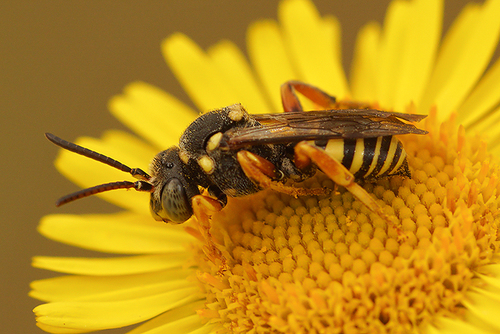
Blunthorn Nomad Bee
VUNomada flavopicta
The Blunthorn Nomad Bee faces significant threats from habitat loss due to agricultural intensification and urban development, which reduces availability of both host bee species and floral resources. Climate change and pesticide use further compound these pressures, disrupting the delicate ecological relationships this cuckoo bee depends on for survival.

Blushing Dapperling
VULeucoagaricus badhamii
The Blushing Dapperling faces significant threats from habitat loss and degradation due to urbanization, agricultural expansion, and changes in land management practices that affect its specialized grassland and woodland edge habitats. Climate change and pollution may further impact the delicate soil chemistry and mycorrhizal relationships essential for this fungal species' survival and reproduction.

Blushing Waxcap
VUNeohygrocybe ovina
The Blushing Waxcap faces significant threats from habitat degradation and loss of traditional grassland management practices that maintain the nutrient-poor conditions essential for its survival. Agricultural intensification, including fertilizer application and conversion of old grasslands to intensive farming, has severely reduced suitable habitat across its range. Climate change and atmospheric nitrogen deposition further threaten the specialized grassland ecosystems this species depends upon.

blybandsbrokvecklare
ENCapricornia boisduvaliana
Habitat fragmentation from coastal development and agricultural expansion has severely reduced available breeding sites for this species. Climate change-induced shifts in precipitation patterns are disrupting the flowering cycles of its primary nectar sources, while increased artificial lighting in coastal areas interferes with its natural navigation and mating behaviors.
blylavsknagg
CRToninia plumbina
Toninia plumbina is a critically endangered lichen species facing severe population declines due to habitat loss and environmental degradation. Air pollution and climate change are significantly impacting the specialized microhabitats this species requires for survival.
blylavsvårta
ENStigmidium degelii
Stigmidium degelii faces severe threats from air pollution and acid rain, which degrade the quality of its lichen host substrates. Climate change and habitat loss through deforestation and urbanization further reduce available suitable environments for this specialized lichenicolous fungus.
blymaskros
CRTaraxacum plumbeum
Taraxacum plumbeum faces severe threats primarily from habitat destruction and fragmentation due to urban development and agricultural expansion in its limited range. The species' extremely restricted distribution makes it particularly vulnerable to localized environmental changes and human activities.

Boarmie tigrée (La)
ENArichanna melanaria
Arichanna melanaria, the Large Lace-border moth, is declining primarily due to habitat loss and degradation of its specialized heathland and moorland environments. Climate change and changes in land management practices, particularly the reduction of traditional grazing and burning regimes, have further reduced suitable habitat availability.

Bobo Mullet
VUJoturus pichardi
The Bobo Mullet faces significant threats from habitat degradation and overfishing throughout its range in Central American and Caribbean coastal waters. Dam construction and water pollution have severely impacted the freshwater river systems essential for its spawning and juvenile development, while intensive fishing pressure targets both adults and juveniles.
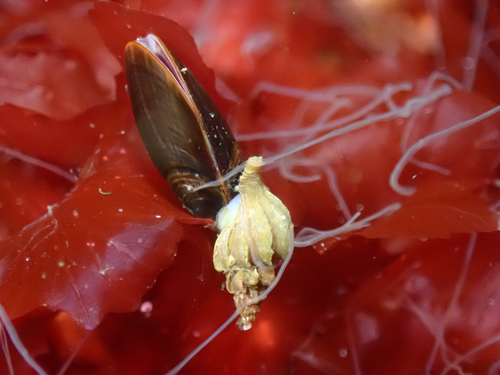
bobtail trophon
CRBoreotrophon truncatus
The bobtail trophon faces severe population decline primarily due to habitat destruction from coastal development and bottom trawling fishing activities that damage its benthic marine environment. Climate change-induced ocean acidification poses an additional threat by weakening the calcium carbonate shells essential for this gastropod's survival.
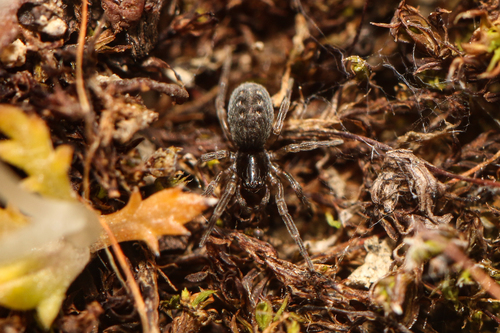
bodemkaardertje
VUArgenna subnigra
Argenna subnigra faces significant threats from habitat loss and degradation due to agricultural expansion and urban development across its range. The species' specialized habitat requirements make it particularly vulnerable to environmental changes, while its limited distribution increases extinction risk from localized threats.
bofo udu, bofoo udu
ENSchistostemon sylvaticum
Primary threats to S. sylvaticum include rapid deforestation and habitat fragmentation due to agricultural expansion and logging activities. Climate change is exacerbating these pressures by altering precipitation patterns essential for the species' reproductive cycle, while invasive plant species are increasingly outcompeting it for limited understory resources.
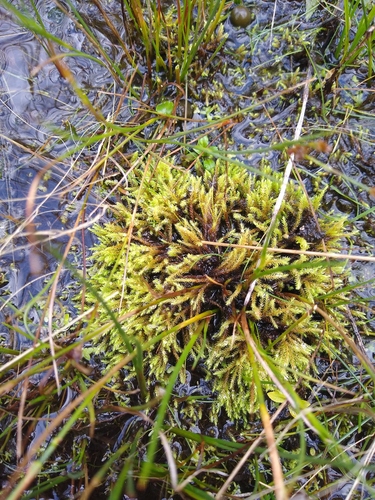
Bog Apple-moss
VUPhilonotis marchica
Bog Apple-moss faces significant threats from habitat loss and degradation due to drainage of wetlands, peat extraction, and agricultural conversion of bog ecosystems. Climate change poses additional risks through altered precipitation patterns and temperature increases that can dry out the specialized wetland habitats this species requires.

Bog Fritillary
CRBoloria eunomia
The Bog Fritillary is critically endangered primarily due to habitat loss and degradation of its specialized bog and wetland ecosystems. Climate change poses an additional severe threat by altering the hydrology and plant communities of these sensitive habitats, while habitat fragmentation isolates remaining populations and reduces genetic diversity.
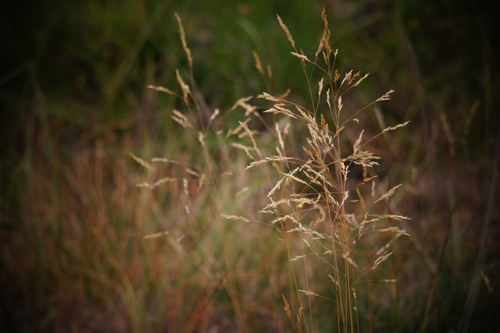
Bog Hair-grass
CRDeschampsia setacea
Bog Hair-grass (Deschampsia setacea) is critically endangered due to severe habitat loss and degradation of its specialized wetland environments. The species is restricted to very few locations in acidic bogs and wet heathlands, making it extremely vulnerable to drainage, agricultural conversion, and changes in water levels.

Bog Hoverfly
ENEristalis cryptarum
The Bog Hoverfly faces severe population declines primarily due to the widespread destruction and degradation of its specialized bog and wetland habitats. Climate change and human development pressures continue to fragment and eliminate the pristine peat bog ecosystems this species depends on for breeding and survival.

bog orchid
ENHammarbya paludosa
The bog orchid faces severe decline primarily due to habitat destruction and degradation of its specialized wetland environments. Drainage of bogs and fens for agriculture, peat extraction, and urban development has eliminated much of its suitable habitat across its range. Climate change and altered hydrology further threaten the delicate water balance these orchids require.
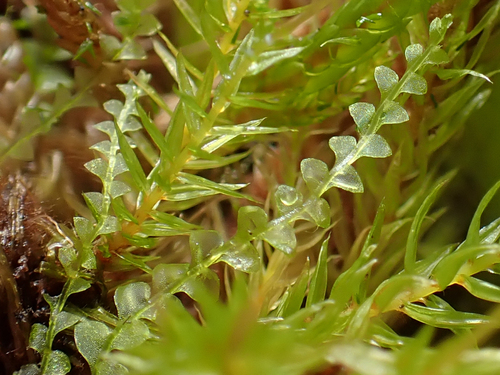
Bog Pouchwort
CRCalypogeia sphagnicola
Bog Pouchwort (Calypogeia sphagnicola) is critically endangered primarily due to habitat loss and degradation of its specialized bog and wetland environments. The species is highly dependent on pristine sphagnum bog ecosystems, which are increasingly threatened by drainage, peat extraction, agricultural conversion, and climate change-induced drying.

Bog Waxcap
ENHygrocybe coccineocrenata
The Bog Waxcap is primarily threatened by habitat loss and degradation due to agricultural intensification, drainage of wetlands, and changes in traditional land management practices. The species' specialized habitat requirements make it particularly vulnerable to environmental changes and pollution from agricultural runoff.

Bog-moss Flapwort
VUOdontoschisma sphagni
Bog-moss Flapwort faces significant threats from habitat degradation and loss of specialized bog ecosystems. Climate change and human disturbance to peatlands are reducing the availability of suitable acidic, waterlogged conditions this species requires for survival.

Bog-rush Fanner
ENGlyphipterix schoenicolella
The Bog-rush Fanner is primarily threatened by habitat loss and degradation due to drainage and destruction of wetland areas for agriculture and development. Climate change poses additional risks through altered precipitation patterns and temperature changes that affect the specialized bog ecosystems this species depends on.
Bogenblättriger Klumpfuß
VUCortinarius arcifolius
Bogenblättriger Klumpfuß faces significant threats from habitat degradation due to forest fragmentation, pollution, and climate change impacts on soil chemistry. The species' specialized mycorrhizal relationships with specific tree hosts make it particularly vulnerable to ecosystem disruption and changes in forest composition.

Bogota Anadia
VUAnadia bogotensis
The Bogota Anadia faces significant threats from rapid urbanization and agricultural expansion around Bogotá and surrounding areas of the Colombian Andes, which has led to extensive habitat fragmentation and loss. Climate change poses additional risks to this high-altitude endemic species, as shifting temperature and precipitation patterns may alter the specific montane conditions it requires for survival.
bohusbjörnbär
VURubus dissimulans
Bohusbjörnbär faces significant threats from habitat fragmentation and loss due to urban development and agricultural expansion in its native Scandinavian range. Climate change poses additional risks by altering the specific microhabitat conditions this species requires, while invasive plant species compete for resources in its preferred woodland environments.
Bois d'ébène feuilles
CRDiospyros angulata
Diospyros angulata faces severe threats primarily from habitat destruction and degradation in its limited range in Mauritius. The species is critically endangered due to deforestation, invasive plant species competition, and extremely small population size making it vulnerable to stochastic events.
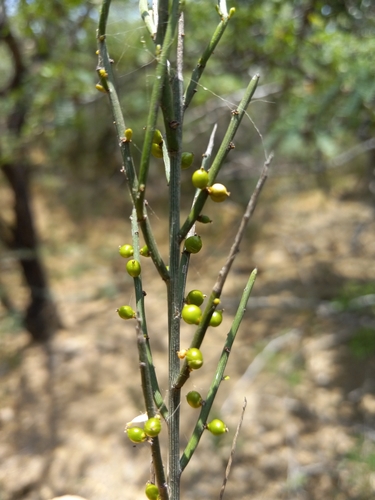
Bois pin marron
CRSchaefferia ephedroides
Bois pin marron (Schaefferia ephedroides) is critically endangered due to severe habitat loss and degradation on the island of Mauritius. The species faces ongoing threats from invasive plant species that outcompete native vegetation and alter ecosystem dynamics. Urban development and agricultural expansion have further reduced the already limited suitable habitat for this endemic shrub.

boksavblomfluga
ENBrachyopa panzeri
Brachyopa panzeri, a specialized hoverfly species, faces significant population declines primarily due to habitat loss and degradation of old-growth forests where it depends on tree holes and sap runs for breeding. The species' narrow ecological requirements and limited dispersal ability make it particularly vulnerable to forest fragmentation and changes in forest management practices.
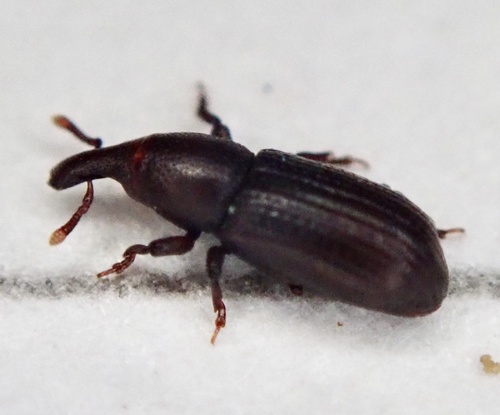
bokvedvivel
VUPhloeophagus lignarius
The bokvedvivel faces significant pressure from widespread deforestation and logging activities that destroy its specialized bark-dwelling habitat in mature forest ecosystems. Climate change is altering forest composition and bark beetle populations that this species depends upon, while habitat fragmentation isolates populations and reduces genetic diversity.
Bolawano
ENOsmoxylon simplicifolia
Bolawano (Osmoxylon simplicifolia) faces severe population decline primarily due to extensive deforestation and habitat conversion for agriculture and development across its limited range in the Philippines. The species' restricted distribution makes it particularly vulnerable to localized habitat loss and fragmentation.
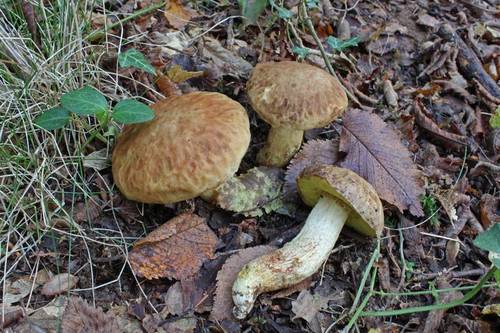
Bolet chauve
ENHemileccinum depilatum
Hemileccinum depilatum faces severe decline due to habitat loss from deforestation and agricultural conversion of its specialized forest ecosystems. Climate change and pollution further threaten the delicate mycorrhizal relationships this fungus depends on for survival.
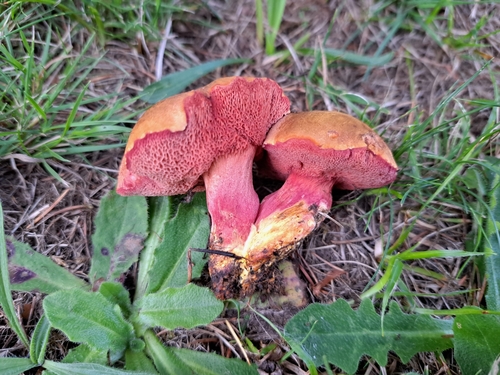
Bolet rubis
VUChalciporus rubinus
Bolet rubis faces significant threats from habitat degradation and loss of its specialized mycorrhizal forest ecosystems. Climate change and forest fragmentation are disrupting the delicate soil chemistry and host tree relationships essential for this fungal species' survival and reproduction.

Bombardier Beetle
CRBrachinus crepitans
The Bombardier Beetle faces severe population declines due to habitat destruction from agricultural intensification and urban development across its European range. Pesticide use in agricultural areas has significantly reduced prey availability and directly impacts beetle survival, while climate change is altering the moisture and temperature conditions essential for their ground-dwelling lifestyle.

Bombyx des buissons (Le), Brune du Pissenlit (La)
CRLemonia dumi
Lemonia dumi faces severe population declines primarily due to habitat loss and degradation of its specialized heathland and scrubland ecosystems. Agricultural intensification, urban development, and changes in traditional land management practices have eliminated much of the species' required habitat across its European range.

bonte bodemzakspin
VUScotina celans
The bonte bodemzakspin faces significant threats from habitat degradation and fragmentation due to agricultural intensification and urban development across its range. Climate change and altered precipitation patterns further threaten the specific soil moisture conditions this ground-dwelling spider requires for survival.
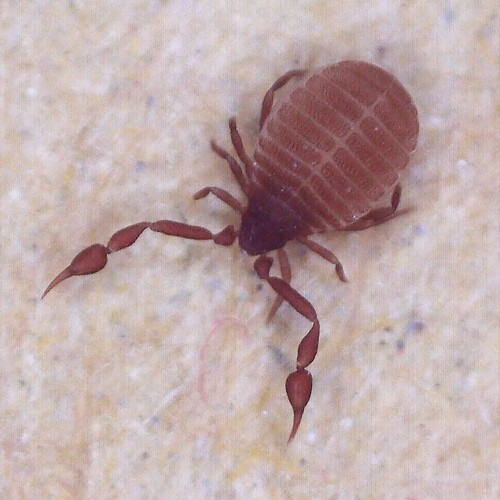
Book Scorpion
VUCheiridium museorum
The Book Scorpion faces significant threats from habitat loss and degradation, particularly in human-modified environments where it depends on specific microhabitat conditions. Climate change and increased use of pesticides in buildings and storage areas further threaten populations by altering humidity levels and reducing prey availability.