Species Explorer
Browse and search species from the IUCN Red List and GBIF.
54,666 species

Black-mantled Tamarin
CRLeontocebus nigricollis
The Black-mantled Tamarin faces severe population decline primarily due to extensive deforestation and habitat fragmentation throughout its limited range in the western Amazon basin. Agricultural expansion, logging, and human settlement development have dramatically reduced available forest habitat, while the species' small population size makes it particularly vulnerable to local extinctions.

Black-necked Grebe
VUPodiceps nigricollis
The Black-necked Grebe faces significant threats from habitat loss and degradation of shallow wetlands due to agricultural expansion, urban development, and water diversion projects. Climate change is altering precipitation patterns and water levels in critical breeding and wintering areas, while pollution from agricultural runoff and industrial sources degrades water quality in the species' aquatic habitats.

Black-striped Salema
VUXenocys jessiae
The Black-striped Salema faces significant pressure from overfishing throughout its range, as it is targeted by both commercial and artisanal fisheries in the Eastern Pacific. Habitat degradation from coastal development, pollution, and climate change impacts on marine ecosystems further threaten this species' populations.

Black-tailed Antbird
VUMyrmoborus melanurus
The Black-tailed Antbird faces significant pressure from widespread deforestation and habitat fragmentation across its Amazonian range. Agricultural expansion, logging, and infrastructure development continue to reduce and isolate suitable forest habitats, while the species' specialized foraging behavior and dependence on intact forest understory make it particularly vulnerable to habitat degradation.

Black-tailed Godwit
VULimosa limosa
The Black-tailed Godwit faces significant population declines across much of its range due to widespread habitat loss and degradation of wetland ecosystems. Agricultural intensification has eliminated crucial breeding and feeding areas, while climate change alters the timing and availability of food resources during migration and breeding seasons.

Black-tailed Skimmer
VUOrthetrum cancellatum
The Black-tailed Skimmer faces significant population declines primarily due to habitat loss and degradation of freshwater ecosystems. Pollution, drainage of wetlands, and climate change impacts on water bodies are reducing the availability of suitable breeding and foraging habitats across its range.

Black-veined White
VUAporia crataegi
The Black-veined White butterfly faces significant population declines across much of its range due to habitat loss and agricultural intensification. The species has experienced dramatic range contractions in many European countries, with local extinctions documented in several regions including parts of the British Isles and central Europe.

Blackthorn Aurora Moth
ENRhagades pruni
The Blackthorn Aurora Moth faces severe population declines primarily due to habitat loss and degradation of its specialized blackthorn scrubland habitats. Agricultural intensification, urban development, and changes in traditional land management practices have significantly reduced the availability of suitable breeding and foraging sites.
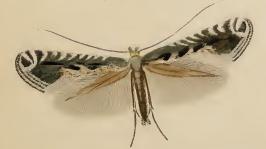
Blackthorn slender
ENParornix torquillella
Parornix torquillella faces significant decline primarily due to habitat loss and degradation of its specialized host plant environments. The species is particularly vulnerable because of its narrow ecological requirements and dependence on specific plant communities that are increasingly fragmented and destroyed.
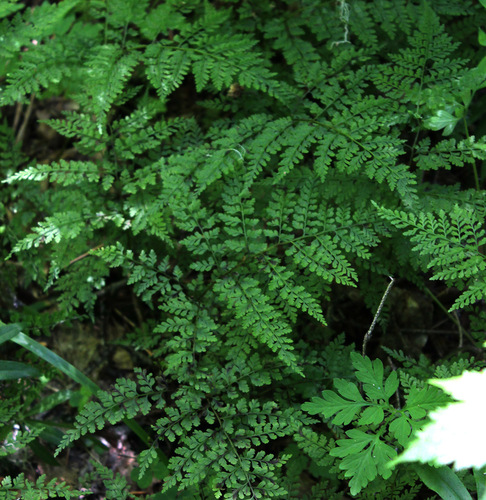
Bladderfern
ENCystopteris sudetica
Cystopteris sudetica faces severe population declines primarily due to habitat destruction and fragmentation of its specialized montane environments. Climate change poses an additional threat by altering the cool, moist conditions this alpine fern requires, while human activities continue to degrade its limited remaining habitat.
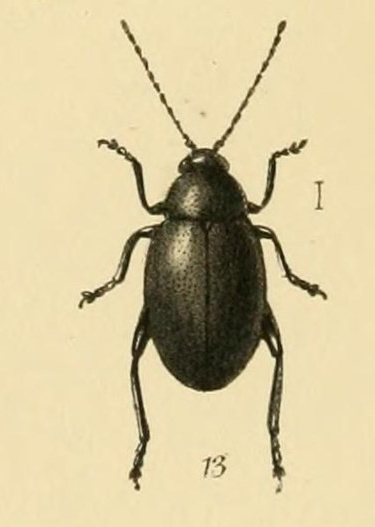
bläddrejordloppa
CRLongitarsus nigerrimus
Longitarsus nigerrimus is critically endangered primarily due to habitat loss and degradation of its specialized wetland environments. The species depends on specific host plants in marshy areas that are increasingly threatened by drainage, agricultural conversion, and urban development.
Blære-orangelav
CRCaloplaca alstrupii
Caloplaca alstrupii is critically endangered due to its extremely limited distribution and vulnerability to habitat degradation. This rare lichen species faces threats from air pollution, climate change, and human disturbance to its specialized coastal rock habitats.
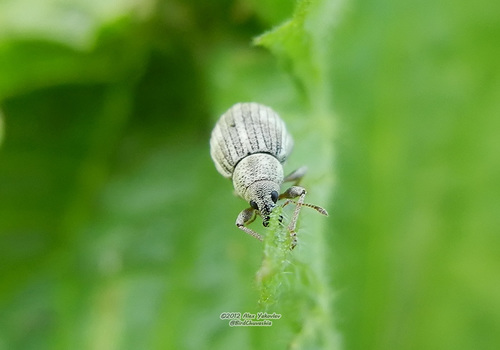
blåhallonvivel
VUSciaphobus ningnidus
Sciaphobus ningnidus faces significant threats from habitat degradation and fragmentation due to agricultural expansion and urban development across its range. Climate change is altering the species' preferred environmental conditions, while invasive plant species compete with native vegetation that the weevil depends upon for survival.
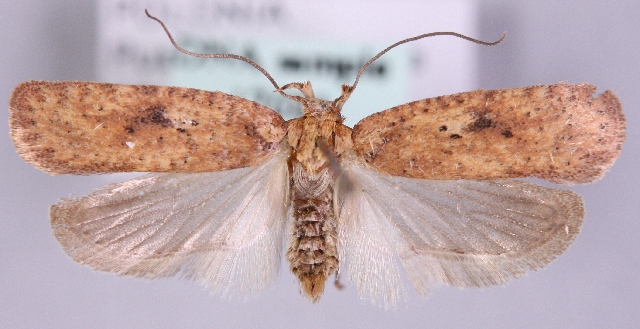
blåklintsplattmal
ENAgonopterix laterella
The blåklintsplattmal (Agonopterix laterella) is declining primarily due to habitat loss and degradation of its specialized host plant communities. Agricultural intensification, urban development, and changes in land management practices have reduced the availability of suitable breeding sites where its larval host plants can thrive.

blankbaksrovfluga
CRStilpnogaster aemula
Stilpnogaster aemula, the blankbaksrovfluga, faces severe population decline primarily due to habitat loss from agricultural expansion and urban development in its limited range. The species' specialized ecological requirements and small population size make it extremely vulnerable to environmental changes and human disturbance.
blankgul trädstyltfluga
VUNeurigona erichsoni
Neurigona erichsoni faces significant threats from habitat degradation and loss of suitable wetland environments across its range. The species' dependence on specific moisture conditions and vegetation structure makes it particularly vulnerable to environmental changes and human disturbance. Climate change and altered hydrological patterns further compound these pressures on remaining populations.
blåsfotsanemon
CRAndvakia parva
Blåsfotsanemon (Andvakia parva) faces severe threats from habitat degradation and climate change impacts on its specialized marine environment. The species' limited distribution and specific habitat requirements make it particularly vulnerable to ocean acidification and warming temperatures, which affect the rocky intertidal zones where it occurs.
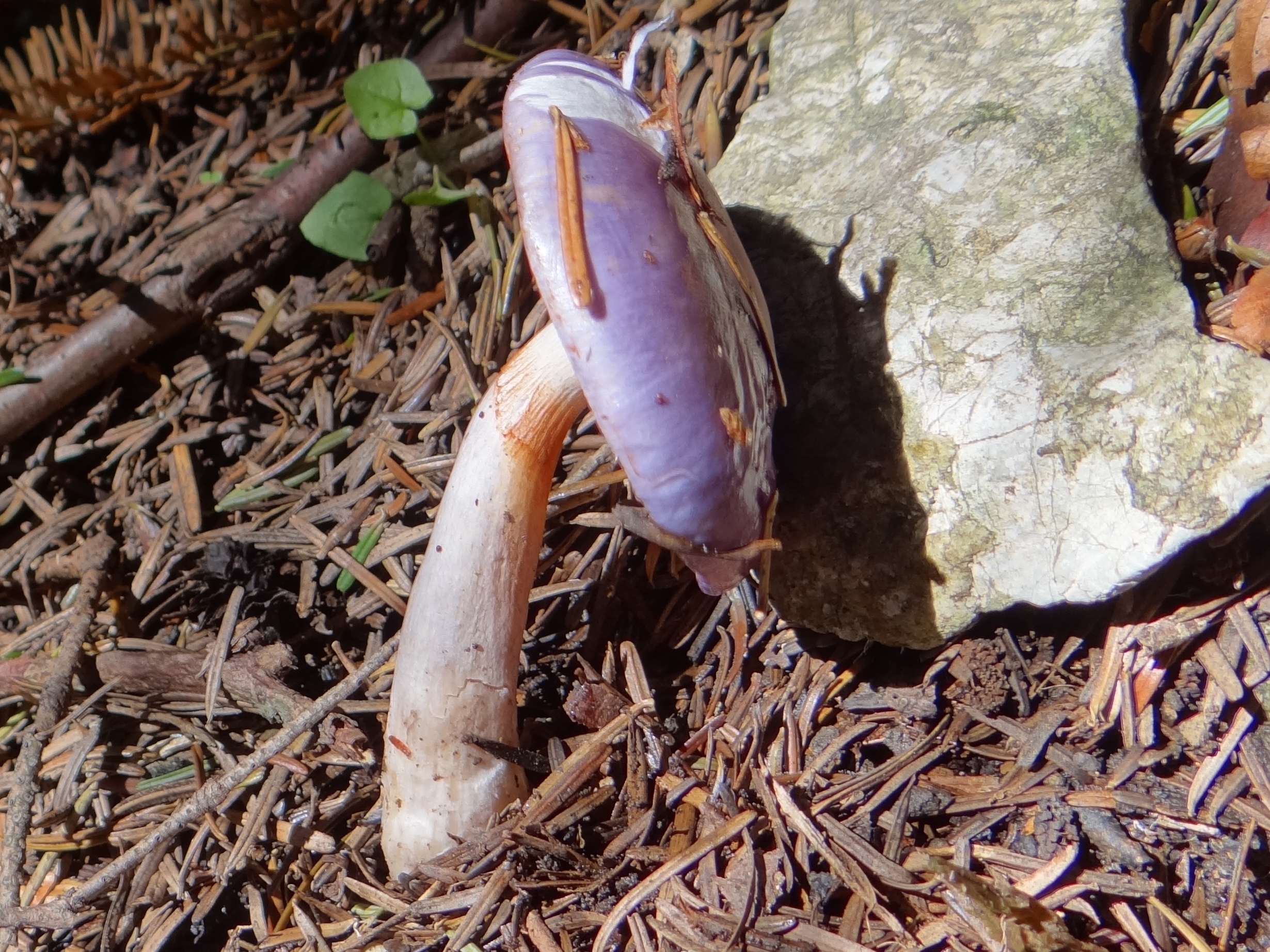
Blauer Schleimkopf
VUCortinarius salor
Blauer Schleimkopf faces significant threats from habitat degradation and loss of suitable forest ecosystems due to logging, agricultural expansion, and climate change impacts on soil chemistry and moisture regimes. The species' specialized ecological requirements and dependence on specific host trees make it particularly vulnerable to environmental changes that disrupt mycorrhizal relationships.
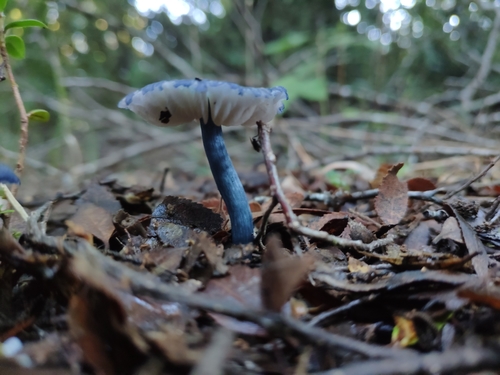
Bläulicher Zwerg-Zärtling
ENEntoloma cyanulum
Bläulicher Zwerg-Zärtling (Entoloma cyanulum) is declining primarily due to habitat loss and degradation of its specialized grassland ecosystems. Agricultural intensification, urban development, and changes in traditional land management practices have significantly reduced the availability of suitable habitat for this rare fungal species.

Blaunuß
VUChamonixia caespitosa
Chamonixia caespitosa faces significant threats from habitat degradation and climate change affecting its specialized mycorrhizal relationships with host trees. The species' limited distribution and specific ecological requirements make it particularly vulnerable to environmental changes and forest disturbance.
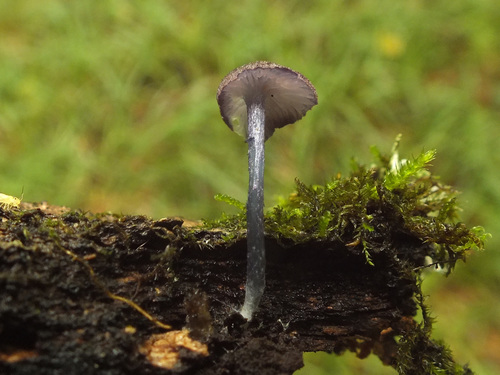
Blauschuppiger Rötling
VUEntoloma lepidissimum
Blauschuppiger Rötling faces significant threats from habitat degradation and loss of suitable woodland environments across its range. Climate change and increasing human disturbance of forest ecosystems are reducing the availability of the specific microhabitat conditions this fungus requires for successful reproduction and survival.
blauwvlokkige satijnzwam
VUEntoloma coeruleoflocculosum
The blauwvlokkige satijnzwam faces significant threats from habitat degradation and loss of suitable forest ecosystems. Climate change and altered precipitation patterns threaten the delicate moisture conditions required for this fungal species to fruit and reproduce successfully.

Blauwzwarte snelloper
CRAgonum scitulum
Agonum scitulum, the Blauwzwarte snelloper, is critically endangered primarily due to habitat loss and degradation of its specialized wetland environments. The species requires specific moisture conditions and vegetation structure that are increasingly rare due to drainage, agricultural intensification, and urban development in its limited range.
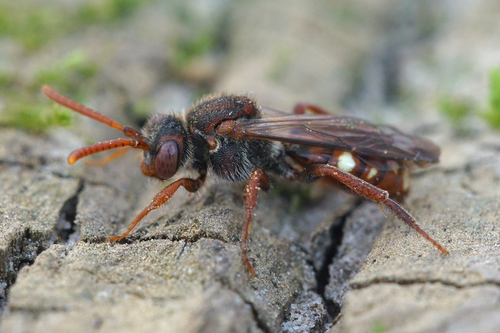
bleekvlekwespbij
ENNomada alboguttata
Nomada alboguttata, a cuckoo bee species, faces severe population declines primarily due to habitat loss and degradation of the specialized nesting sites of its host bee species. The species is particularly vulnerable because of its parasitic lifestyle, making it dependent on the population health of specific host bees, which are themselves declining due to agricultural intensification and pesticide use.
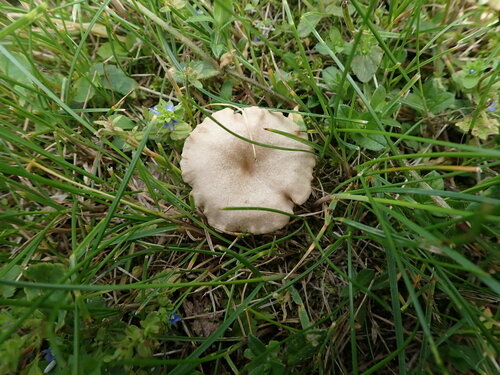
Bleg rødblad
VUEntoloma neglectum
Bleg rødblad faces significant threats from habitat degradation and loss of suitable grassland ecosystems due to agricultural intensification and urban development. The species' specialized ecological requirements and apparent sensitivity to environmental changes make it particularly vulnerable to ongoing landscape modifications and climate-related shifts in habitat conditions.
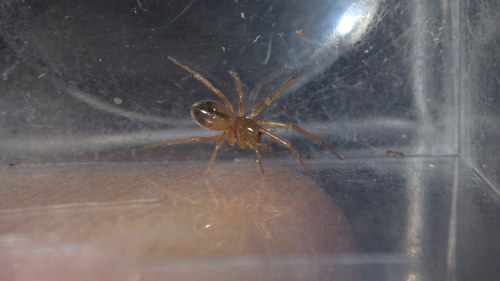
Bleg vandspinder
VUDonacochara speciosa
Bleg vandspinder faces significant threats from habitat degradation and fragmentation due to agricultural expansion and urban development in its wetland environments. Climate change poses additional risks through altered precipitation patterns and water level fluctuations that affect the aquatic ecosystems this spider depends on for hunting and reproduction.
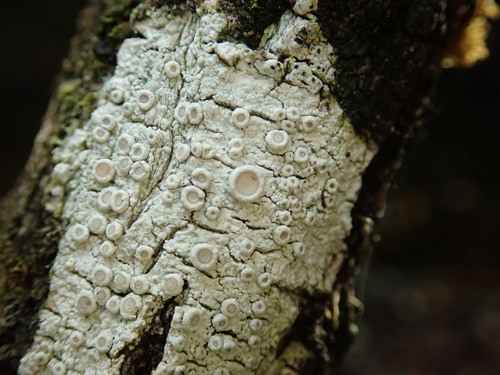
bleikkorkje
ENOchrolechia pallescens
Ochrolechia pallescens faces severe decline primarily due to air pollution, particularly nitrogen deposition and sulfur compounds that alter the chemical composition of its substrate. Habitat loss from urbanization and changes in forest management practices have further reduced suitable environments for this sensitive lichen species.
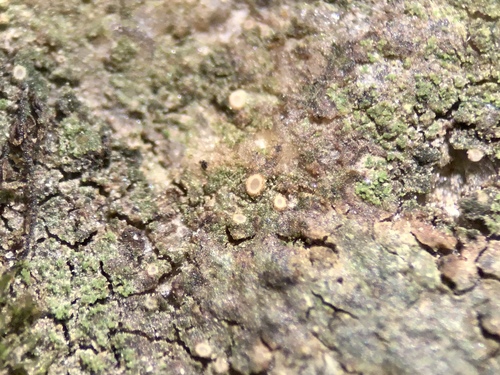
blek kryptolav
VUAbsconditella delutula
Absconditella delutula faces significant threats from habitat degradation due to air pollution, particularly in urban and industrial areas where this crustose lichen grows on bark and rock surfaces. Climate change and atmospheric chemical changes are altering the delicate environmental conditions this species requires, while deforestation and urban development continue to reduce available substrate and suitable microhabitats.
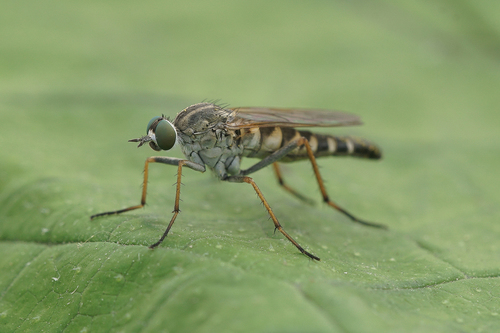
blekbent vedstilettfluga
VUCliorismia ardea
The blekbent vedstilettfluga faces significant threats from habitat degradation and fragmentation of its specialized wetland environments. Climate change is altering precipitation patterns and water levels in its breeding areas, while agricultural expansion and urban development continue to reduce available habitat.
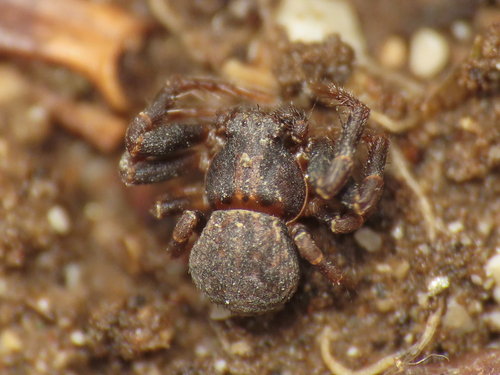
bleke bodemkrabspin
ENOzyptila sanctuaria
Ozyptila sanctuaria faces severe threats from habitat destruction and fragmentation of its specialized dune ecosystem. The species' extremely limited range makes it particularly vulnerable to coastal development, recreational activities, and climate change impacts on coastal habitats.
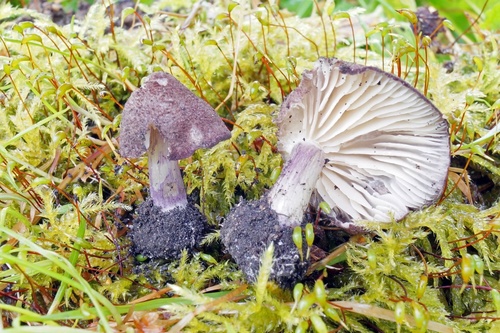
bleke stippelsteelsatijnzwam
ENEntoloma allochroum
Entoloma allochroum faces severe decline due to habitat loss from agricultural intensification and urban development in its limited European range. The species is particularly vulnerable to changes in grassland management practices and soil chemistry alterations that affect its mycorrhizal relationships.
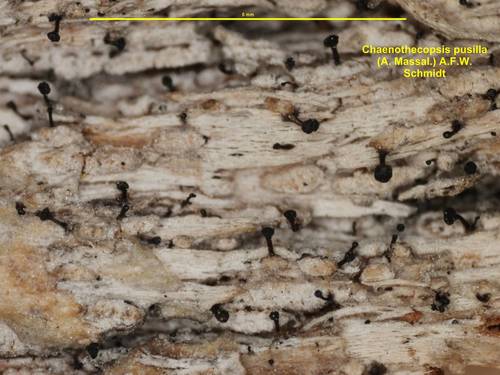
blekskaftad svartspik
CRChaenothecopsis pusilla
Chaenothecopsis pusilla, a critically endangered lichen species, faces severe decline primarily due to habitat loss from deforestation and forest fragmentation. Air pollution and climate change further threaten the specific microhabitat conditions this species requires for survival.
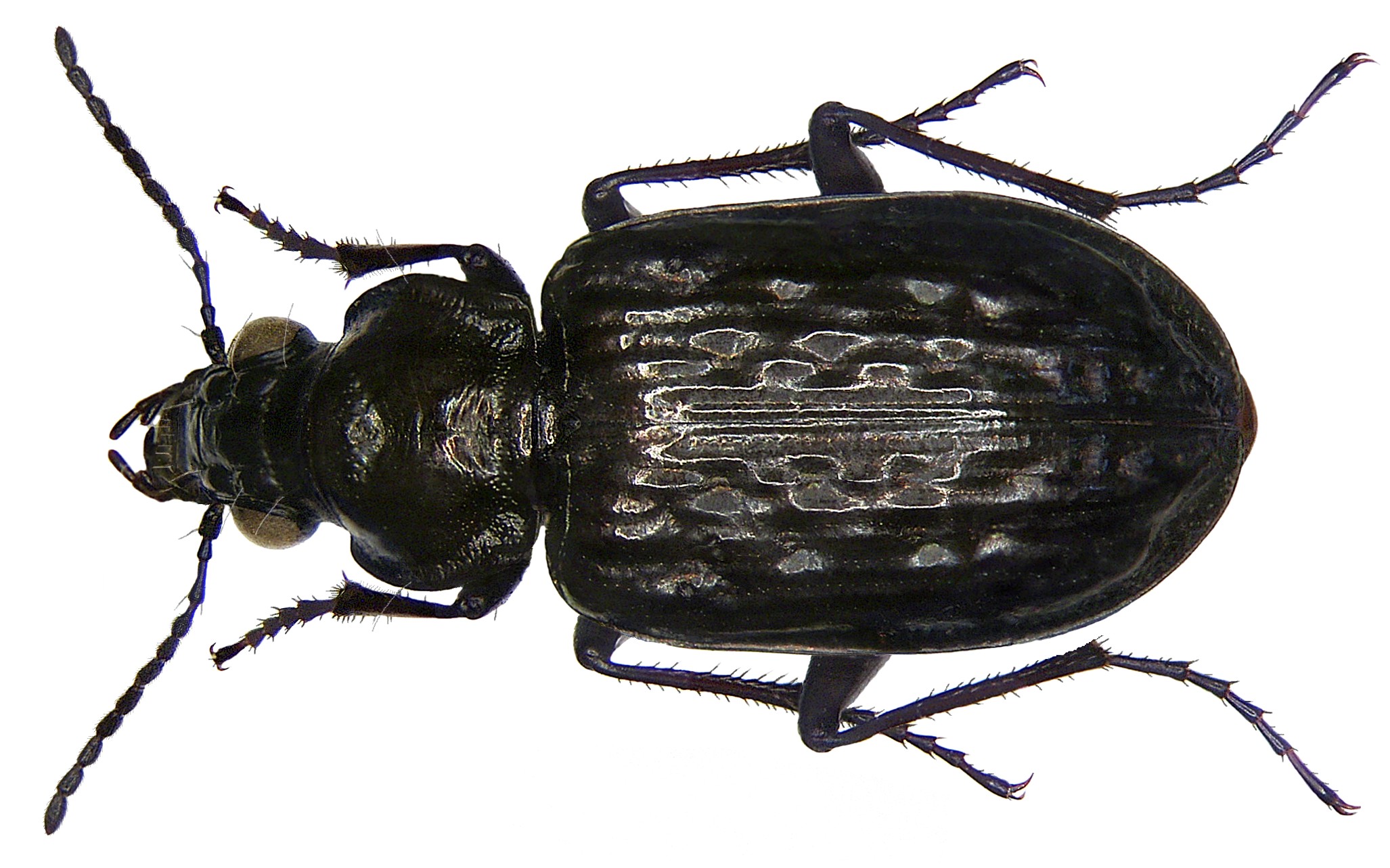
Blethise de Cambrai
CRBlethisa multipunctata
Blethisa multipunctata faces severe population declines primarily due to habitat loss and degradation of wetland ecosystems. The species depends on specific bog and marsh environments that are increasingly threatened by drainage, agricultural conversion, and climate change impacts on hydrological systems.
Blind naked-belly barbel
VUTyphlobarbus nudiventris
The Blind naked-belly barbel faces significant threats from habitat degradation and water pollution in its restricted cave and underground river systems. Dam construction and groundwater extraction have altered natural water flows, while agricultural runoff and industrial pollution contaminate the specialized aquatic environments this endemic species depends on.

Blind Snail
VUCecilioides acicula
The Blind Snail faces significant threats from habitat degradation and fragmentation of its specialized underground environments. Urban development, agricultural intensification, and soil contamination pose particular risks to this subterranean species, which depends on stable soil conditions and organic matter availability in its limited range.
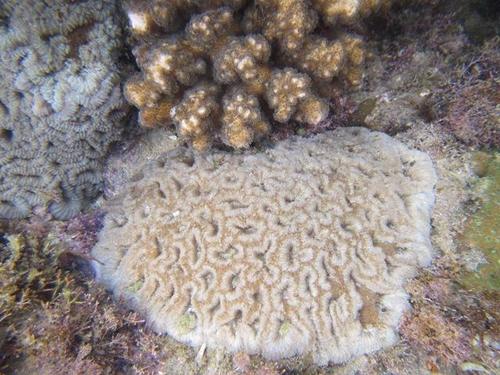
blister coral
VUHorastrea indica
Horastrea indica faces significant threats from ocean warming and acidification, which cause coral bleaching and reduce calcification rates essential for skeletal growth. Coastal development, pollution, and destructive fishing practices further degrade the shallow reef environments where this species occurs, while sedimentation from terrestrial runoff smothers coral polyps and reduces water quality.
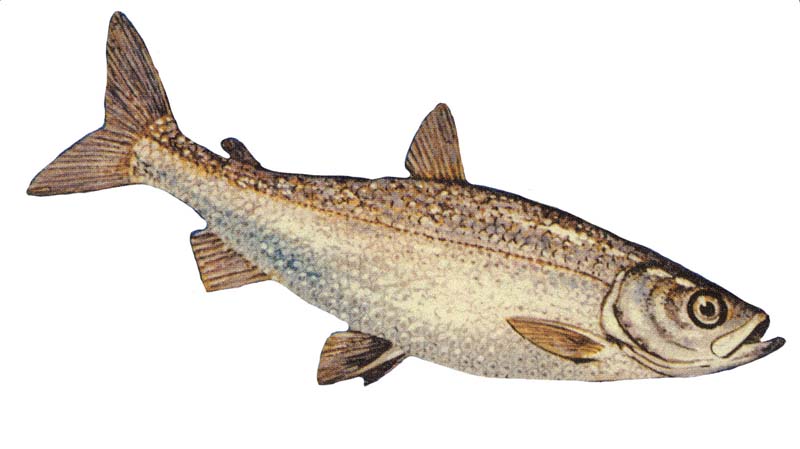
Bloater
VUCoregonus hoyi
The Bloater faces significant threats from habitat degradation in the Great Lakes ecosystem, where invasive species and water quality changes have disrupted its deep-water environment. Climate change is altering thermal stratification patterns in these lakes, affecting the cold, oxygen-rich waters this species requires for survival and reproduction.
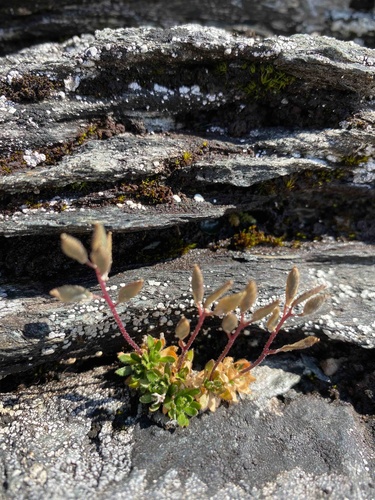
Blockhavsdraba
VUDraba cacuminum
Blockhavsdraba faces significant threats from climate change, as warming temperatures and changing precipitation patterns alter its specialized high-altitude Arctic habitat. The species' extremely limited distribution and small population size make it particularly vulnerable to habitat degradation and stochastic events that could impact its long-term survival.

Bloody-heart Lichen
CRMycoblastus sanguinarius
Mycoblastus sanguinarius is critically endangered primarily due to habitat loss from deforestation and forest fragmentation, which destroys the old-growth forest ecosystems this lichen depends on. Air pollution, particularly nitrogen deposition and acid rain, severely impacts lichen survival by altering their sensitive physiological processes. Climate change compounds these threats by altering temperature and humidity conditions that are crucial for this species' survival.
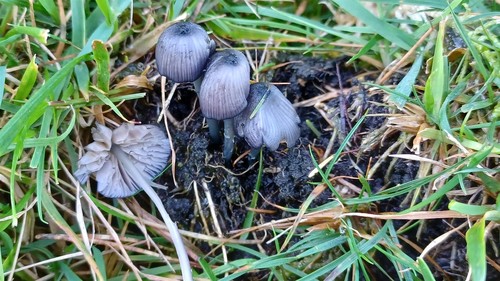
Blozend staalsteeltje
VUEntoloma cruentatum
Blozend staalsteeltje faces significant threats from habitat degradation and loss of suitable woodland environments due to agricultural expansion and urban development. Climate change and pollution are altering the delicate soil chemistry and moisture conditions required for this fungal species to thrive, while overcollection by foragers in some regions further pressures vulnerable populations.

Blue Coral
VUHeliopora coerulea
Blue Coral faces significant threats from ocean warming and acidification, which compromise its calcium carbonate skeleton formation and overall health. Coastal development, pollution, and destructive fishing practices further degrade its shallow reef habitats across the Indo-Pacific region.

blue fleabane
VUErigeron acer
Blue fleabane faces significant pressure from habitat loss due to agricultural intensification and urban development across its native range. The species' specialized requirements for calcareous grasslands and open habitats make it particularly vulnerable to land use changes and the abandonment of traditional grazing practices that historically maintained suitable conditions.

Blue Fox
CRVulpes lagopus
The Arctic fox (Vulpes lagopus) faces severe population declines primarily due to climate change reducing Arctic habitat and prey availability. Competition from the larger red fox, which is expanding northward as temperatures warm, poses an additional major threat through direct competition and hybridization.

Blue Ground Beetle
CRCarabus intricatus
The Blue Ground Beetle (Carabus intricatus) faces severe population decline primarily due to habitat loss and fragmentation of its specialized woodland environments. Climate change and forest management practices have further reduced suitable habitat, while the species' limited dispersal ability makes recovery particularly challenging.

Blue Jellyskin Lichen
ENLeptogium cyanescens
Blue Jellyskin Lichen faces severe decline primarily due to air pollution, particularly nitrogen deposition and sulfur compounds that alter its sensitive epiphytic habitat. Habitat loss from deforestation and urbanization has eliminated many suitable host trees, while climate change is altering the moisture regimes essential for this species' survival.
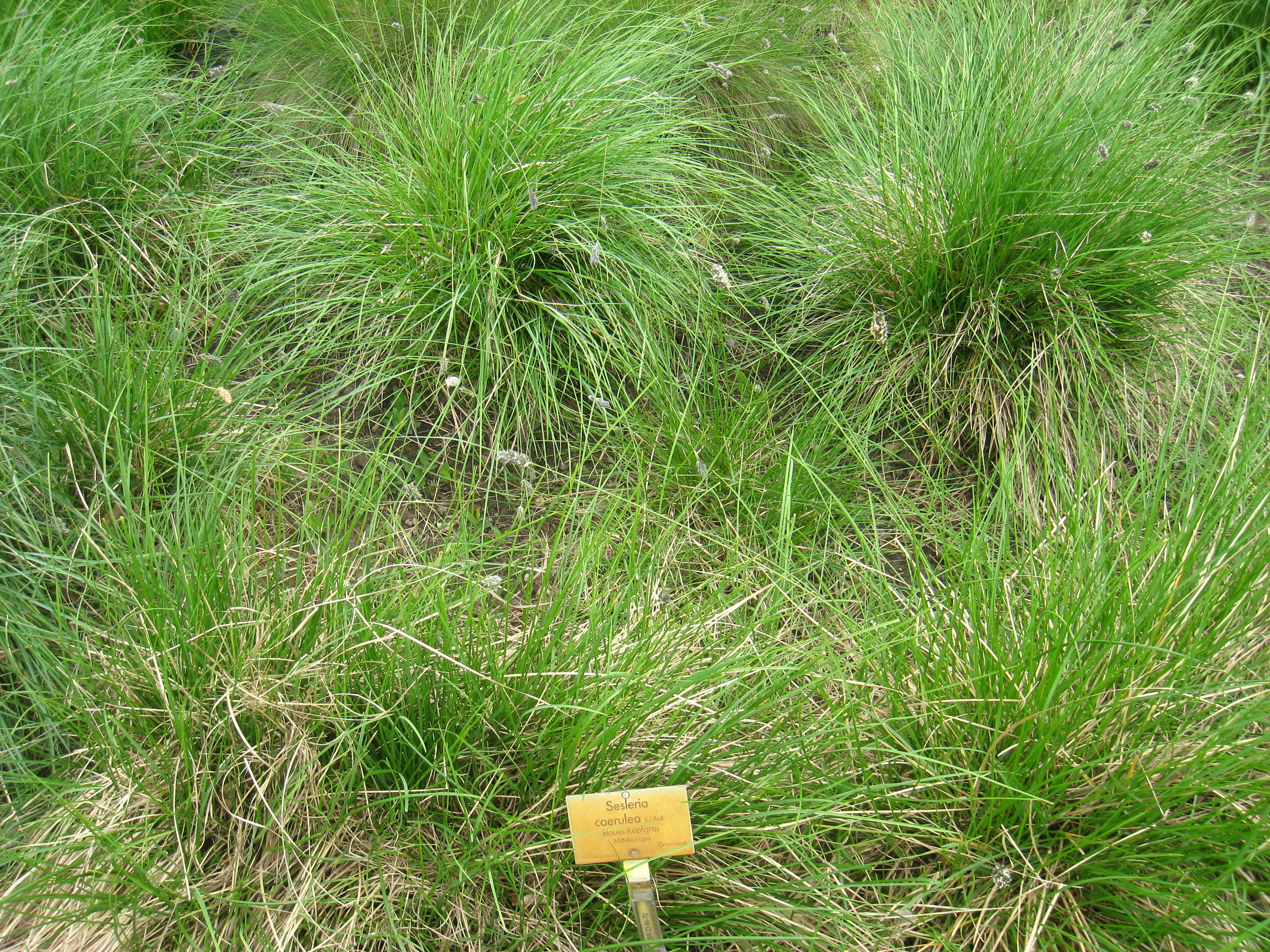
Blue Moor-grass
CRSesleria caerulea
Blue Moor-grass (Sesleria caerulea) faces significant threats from habitat loss and degradation due to agricultural intensification, overgrazing, and changes in traditional land management practices. Climate change and altered precipitation patterns are also affecting the specialized calcareous grassland and moorland habitats this species depends on.
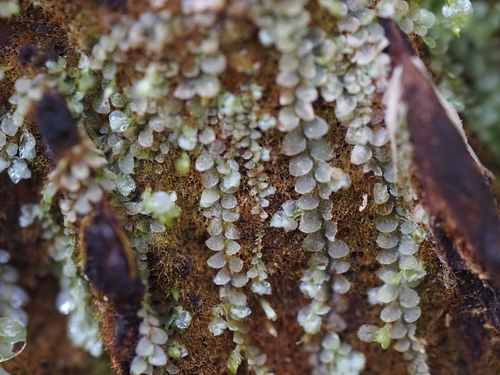
Blue Pouchwort
CRCalypogeia azurea
Blue Pouchwort (Calypogeia azurea) is critically endangered primarily due to habitat loss and degradation of its specialized wetland environments. This bryophyte species requires very specific moisture and substrate conditions that are increasingly threatened by human activities and climate change. Its extremely limited distribution makes it particularly vulnerable to local extinctions.

Blue Shark
VUPrionace glauca
Blue sharks face significant threats primarily from intensive commercial fishing operations, where they are frequently caught as bycatch in longline and gillnet fisheries targeting other species like tuna and swordfish. Their slow reproductive rate and late sexual maturity make populations particularly vulnerable to overexploitation, while their wide-ranging oceanic migrations expose them to fishing pressure across multiple jurisdictions with varying conservation measures.

Blue Tooth
CRHydnellum caeruleum
Hydnellum caeruleum, the Blue Tooth fungus, faces severe decline primarily due to habitat loss from deforestation and agricultural conversion of old-growth forests where it forms essential mycorrhizal relationships. Air pollution, particularly nitrogen deposition, disrupts the delicate soil chemistry required for this species' survival. Climate change further threatens its specialized ecological niche by altering temperature and moisture conditions in its forest habitat.

Blue Waterhyssop
CRBacopa caroliniana
Blue Waterhyssop faces severe decline primarily due to habitat destruction from wetland drainage, urban development, and agricultural conversion of its native aquatic and semi-aquatic environments. Water pollution from agricultural runoff and urban contamination further degrades remaining suitable habitats, while invasive species competition reduces available ecological niches.