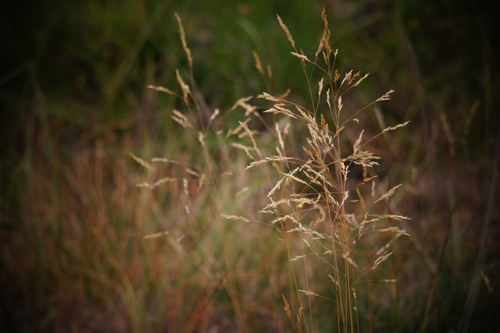
Bog Hair-grass
Deschampsia setacea
Photo: iNaturalist: (c) Alex Press, some rights reserved (CC BY), uploaded by Alex Press
Overview
Bog Hair-grass (Deschampsia setacea) is a delicate perennial grass species with fine, hair-like leaves and distinctive feathery seed heads that emerge in late summer. This specialized wetland grass forms small tufts in acidic bog environments and plays a crucial role in stabilizing peat substrates while providing habitat structure for invertebrates and nesting material for bog-dwelling birds.
Bog Hair-grass (Deschampsia setacea) is critically endangered due to severe habitat loss and degradation of its specialized wetland environments. The species is restricted to very few locations in acidic bogs and wet heathlands, making it extremely vulnerable to drainage, agricultural conversion, and changes in water levels.
Habitat
Bog Hair-grass is restricted to acidic sphagnum bogs and wet heathlands with consistently waterlogged, nutrient-poor soils. It typically occurs in areas with pH levels below 4.5 where groundwater seepage maintains year-round moisture and creates the specialized chemical conditions necessary for its survival.
Other threatened species in Poaceae
Frequently asked questions
Why is Bog Hair-grass classified as Critically Endangered?
Where does Bog Hair-grass live?
What are the main threats to Bog Hair-grass?
Get weekly conservation intelligence
One short digest a week of the most striking species and country data we ship, plus breaking conservation news paired with our database where it matters.
Free, no spam. One-click unsubscribe in every email.