Species Explorer
Browse and search species from the IUCN Red List and GBIF.
54,666 species

Bordered Marble
VUEndothenia marginana
The Bordered Marble faces significant threats from habitat loss and degradation as its specialized woodland and forest edge environments are increasingly fragmented by agricultural expansion and urban development. Climate change poses additional risks by altering the phenology of its host plants and disrupting the delicate timing between larval development and food availability.

Boreal Oakmoss Lichen
VUEvernia mesomorpha
Boreal Oakmoss Lichen faces significant threats from air pollution, particularly sulfur dioxide and nitrogen compounds, which severely impact lichen growth and survival. Climate change is altering precipitation patterns and temperature regimes in boreal forests, while habitat loss from logging and forest fragmentation reduces available substrate trees and disrupts the stable microclimatic conditions this species requires.
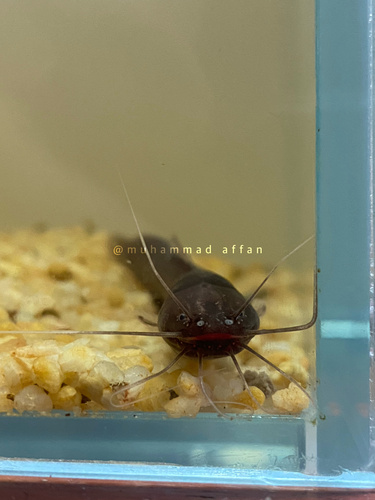
Borneonkonnamonni
ENEncheloclarias prolatus
Encheloclarias prolatus faces severe population declines primarily due to extensive deforestation and habitat conversion throughout its limited range in Borneo. The species is particularly vulnerable to water pollution from agricultural runoff and mining activities that degrade the pristine freshwater systems it requires for survival.

Borrer's Saltmarsh-grass
ENPuccinellia fasciculata
Borrer's Saltmarsh-grass faces severe decline primarily due to coastal development and habitat destruction of its specialized saltmarsh environments. Sea level rise and increased storm intensity associated with climate change further threaten the remaining fragmented populations by altering salinity levels and flooding patterns in critical breeding areas.
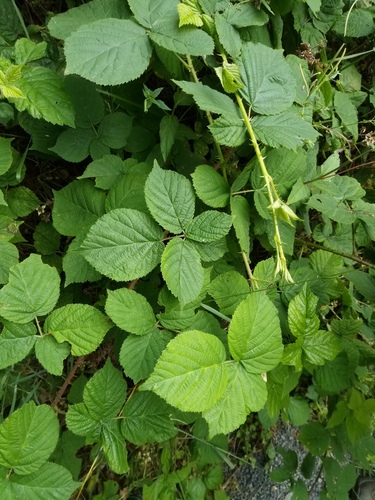
borstbjörnbär/uddbjörnbär
VURubus fabrimontanus
Rubus fabrimontanus faces significant threats from habitat loss and fragmentation due to agricultural expansion and development in its montane range. Climate change poses additional risks by altering the specific temperature and moisture conditions required for this specialized bramble species. The species' restricted distribution makes it particularly vulnerable to localized threats and environmental changes.

borstgrenvivel
VUAcalles echinatus
Acalles echinatus faces significant threats from habitat degradation and fragmentation of its specialized woodland environments. Climate change and human encroachment into its native range are reducing suitable habitat areas, while the species' limited dispersal ability makes population recovery difficult once local extinctions occur.

borsttagging
VUGloiodon strigosus
Gloiodon strigosus faces significant threats from habitat loss due to deforestation and forest degradation, particularly affecting the old-growth forests where this fungal species typically occurs. Climate change poses additional risks by altering temperature and moisture conditions essential for its survival and reproduction. The species' dependence on specific host trees and forest conditions makes it particularly vulnerable to ecosystem disruption.

Bosbespalpmot
VUNeofaculta infernella
Neofaculta infernella faces significant threats from habitat loss and degradation due to agricultural expansion and urban development in its native range. Climate change poses additional risks by altering the distribution and phenology of its host plants, while pesticide use in agricultural areas directly impacts both the species and its food sources.

bosfluweelzweefvlieg
VUParhelophilus frutetorum
Parhelophilus frutetorum faces significant pressure from habitat loss due to agricultural intensification and urbanization across its European range. The species' dependence on specific flowering plants and traditional farming landscapes makes it particularly vulnerable to changes in land use practices and the decline of semi-natural habitats.

bosglimmer
ENOrthonevra brevicornis
Orthonevra brevicornis faces significant population declines primarily due to habitat loss and degradation of its specialized wetland environments. Climate change and pollution are exacerbating these pressures on remaining populations of this hoverfly species.
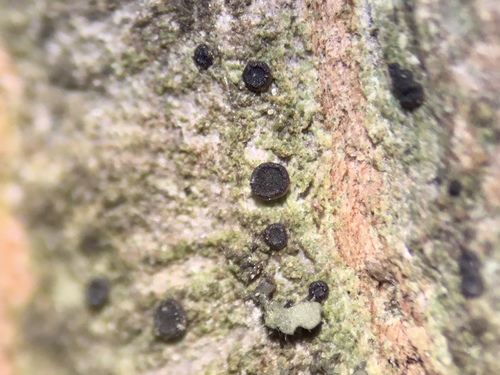
Bosknoopjeskorst
CRBacidia circumspecta
Bacidia circumspecta, a critically endangered lichen species, faces severe threats from habitat loss and degradation of its specialized substrate requirements. Air pollution and climate change are significantly impacting the delicate environmental conditions this lichen needs to survive, while its extremely limited distribution makes it highly vulnerable to local extinctions.
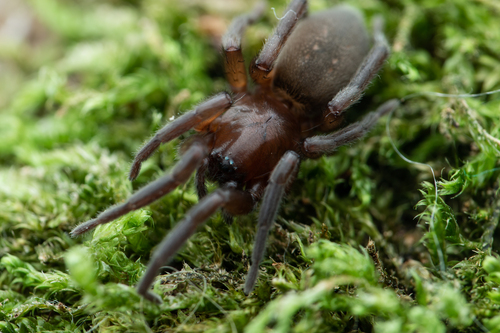
bosmuisspin
ENHaplodrassus silvestris
Haplodrassus silvestris faces severe population declines primarily due to habitat loss from deforestation and agricultural conversion of its forest habitats. The species' limited distribution and specialized habitat requirements make it particularly vulnerable to environmental changes and human disturbance.
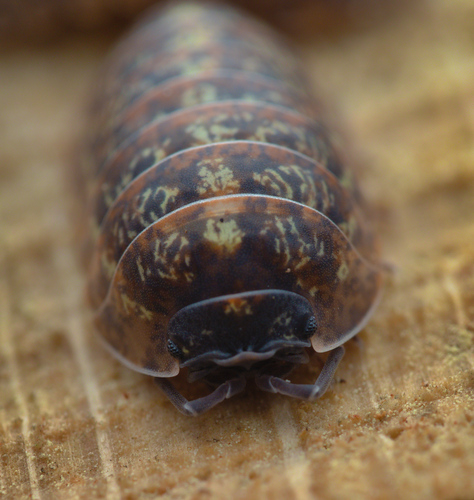
bosoproller
VUArmadillidium opacum
The bosoproller faces significant threats from habitat degradation and fragmentation of its specialized microhabitats. Urban development, agricultural intensification, and changes in land management practices have reduced the availability of suitable refugia with appropriate moisture and substrate conditions essential for this terrestrial isopod's survival.

bosrandwolfspin
VUXerolycosa nemoralis
Xerolycosa nemoralis faces significant pressure from habitat fragmentation and degradation of its specialized woodland environments across Europe. Agricultural intensification and urban development have reduced the availability of suitable forest edge habitats, while climate change is altering the moisture and temperature conditions this species requires for successful reproduction and prey availability.

bosstekelpoot
ENZora silvestris
Primary threats include rapid deforestation and habitat fragmentation due to logging operations and agricultural expansion, which have reduced suitable canopy corridors essential for movement and foraging. Climate change is altering the phenology of its insect prey and the fruiting patterns of trees it depends on for food and nesting sites.
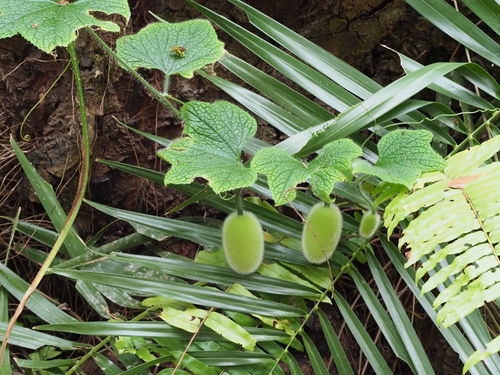
bosuku
CRPeponium vogelii
Peponium vogelii faces severe population decline primarily due to habitat destruction from agricultural expansion and logging activities across its limited range in West Africa. The species' restricted distribution makes it particularly vulnerable to localized threats, while collection pressure for traditional uses has further reduced wild populations.
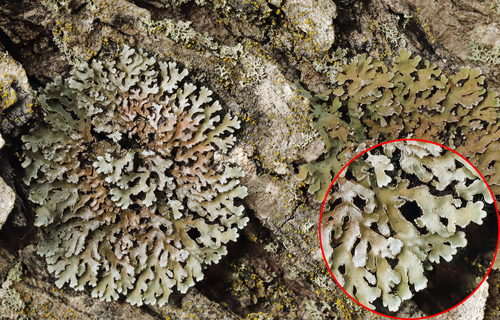
Bottlebrush Frost Lichen
VUPhysconia detersa
Bottlebrush Frost Lichen faces significant threats from air pollution, particularly nitrogen deposition and sulfur compounds, which alter its sensitive epiphytic habitat requirements. Climate change and habitat loss through deforestation and urban development further compromise the specific microclimate conditions this species requires for survival.
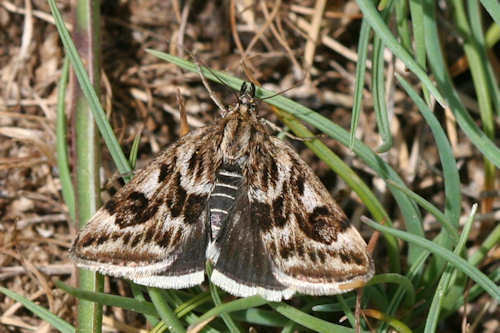
Botys des sommets
VULoxostege manualis
Botys des sommets faces significant threats from climate change as warming temperatures force this high-altitude specialist to retreat to increasingly limited mountaintop habitats. Habitat fragmentation and degradation from human activities in alpine regions further restrict available breeding and foraging areas for this vulnerable moth species.

Bourdon des sables, Bourdon vétéran
VUBombus veteranus
Bombus veteranus faces significant population declines across its range due to habitat loss from agricultural intensification and urban development. The species is particularly vulnerable to changes in flower-rich grasslands and heathlands that provide essential foraging resources, while climate change is altering the timing of flowering plants and suitable nesting sites.
Bourdon inattendu
ENBombus inexspectatus
Bombus inexspectatus faces severe population declines primarily due to habitat loss from agricultural intensification and urban development across its limited range. Climate change is altering the timing of flowering plants that this species depends on for nectar, creating mismatches between bee emergence and food availability.
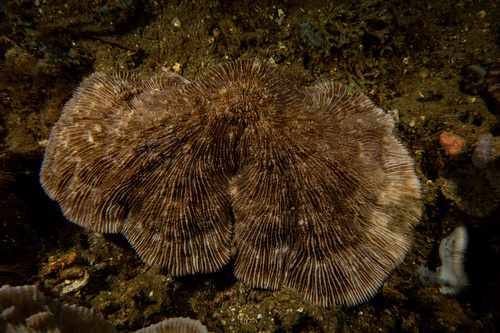
bowl coral
VUHalomitra clavator
Bowl coral (Halomitra clavator) faces significant threats from ocean warming and acidification, which cause coral bleaching and reduce calcification rates essential for skeletal growth. Coastal development, pollution, and destructive fishing practices further degrade the shallow reef environments this species depends on for survival.

Bowmouth guitarfish
CRRhina ancylostoma
The Bowmouth guitarfish faces severe population declines primarily due to intensive fishing pressure across its Indo-Pacific range, where it is targeted for its valuable fins and meat. Habitat degradation in coastal waters and extremely low reproductive rates make recovery difficult, while inadequate fisheries management has failed to prevent overexploitation of this slow-growing species.
bräckefibbla
CRHieracium semicanipes
Hieracium semicanipes faces severe population decline primarily due to habitat loss from agricultural intensification and urban development in its limited range. The species' extremely restricted distribution makes it particularly vulnerable to localized threats, while climate change poses additional pressure on its specialized habitat requirements.
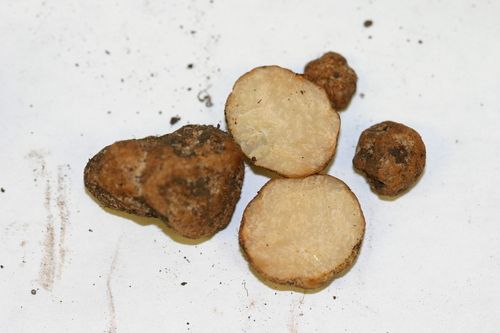
Brain-Like Hydnobolites
VUHydnobolites cerebriformis
Brain-Like Hydnobolites faces significant threats from habitat degradation due to deforestation and forest fragmentation, which disrupts the specific microhabitat conditions required for this fungal species. Climate change poses additional risks by altering temperature and moisture regimes essential for its growth and reproduction. Pollution and changes in forest composition from invasive species further compromise the delicate ecological balance this species depends upon.
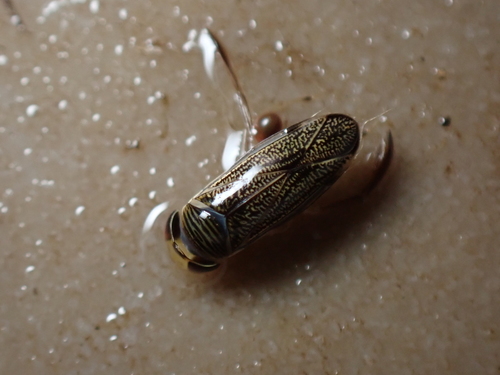
brakvandsbugsvømmer
CRSigara stagnalis
Sigara stagnalis, the lesser water boatman, faces severe population declines primarily due to habitat loss and degradation of freshwater ecosystems. The species is particularly vulnerable to water pollution, eutrophication, and the destruction of shallow water bodies and wetlands that serve as its primary breeding and feeding habitats.

Branched Shanklet
ENDendrocollybia racemosa
The Branched Shanklet faces severe population declines primarily due to habitat loss from deforestation and forest degradation in its limited range. As a saprobic fungus dependent on specific dead wood substrates in old-growth forests, it is particularly vulnerable to logging activities and forest management practices that remove decaying organic matter.

brannborktege
VUAradus lugubris
Aradus lugubris faces significant threats primarily due to habitat loss and degradation of its specialized bark-dwelling environments. Climate change and forest fragmentation are reducing the availability of suitable host trees, while pollution and pesticide use in forestry practices further compromise population stability.
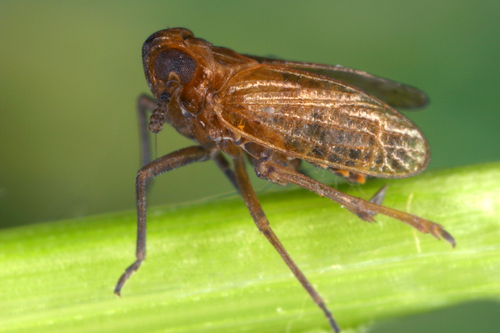
Braune Spornzikade
VUParaliburnia clypealis
Braune Spornzikade faces significant threats from habitat loss and degradation due to agricultural intensification and urbanization across its European range. Climate change is altering the composition and structure of grassland ecosystems this species depends on, while pesticide use in agricultural areas directly impacts both the species and its host plants.
Braunkörniger Rötling
ENEntoloma ochromicaceum
Entoloma ochromicaceum faces severe population declines primarily due to habitat loss from agricultural intensification and urban development across its limited European range. The species is particularly vulnerable due to its specialized ecological requirements and small, fragmented populations that are highly sensitive to environmental changes.
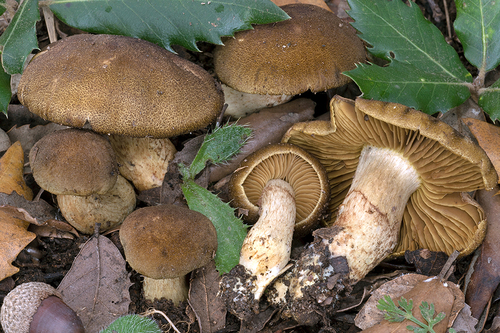
Braunnetziger Raukopf
VUCortinarius melanotus
Braunnetziger Raukopf faces significant threats from habitat degradation and loss of suitable forest ecosystems due to logging, agricultural expansion, and climate change. The species' specialized ecological requirements and dependence on specific host trees make it particularly vulnerable to environmental changes and forest fragmentation.
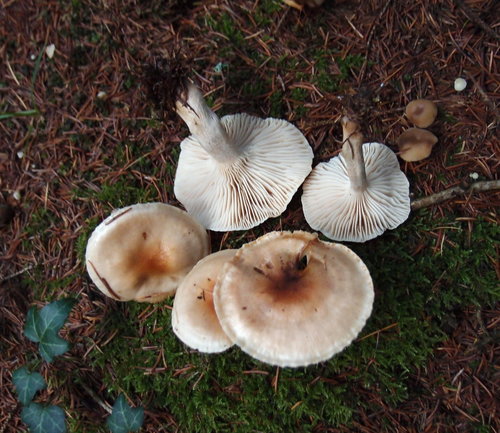
Braunscheibiger Schneckling
CRHygrophorus discoideus
Hygrophorus discoideus, the Braunscheibiger Schneckling, faces severe population decline primarily due to habitat loss and degradation of its specialized forest ecosystems. Climate change is altering the moisture and temperature conditions essential for this fungal species' survival and reproduction. Agricultural intensification and urbanization continue to fragment and destroy the old-growth forest habitats where this species occurs.

Breckland Speedwell
CRVeronica praecox
Breckland Speedwell faces severe decline primarily due to habitat loss and degradation of its specialized sandy grassland and heathland environments. Agricultural intensification, urban development, and changes in land management practices have dramatically reduced suitable habitat. The species is also threatened by invasive species competition and altered grazing regimes that disrupt the open, disturbed ground conditions it requires.

Bredbåndet vedsvirreflue
ENTemnostoma apiforme
Temnostoma apiforme is declining primarily due to habitat loss from deforestation and forest fragmentation, which eliminates the old-growth deciduous forests it requires for breeding. The species depends on specific microhabitats including tree holes and decaying wood in mature forest stands, making it particularly vulnerable to logging and forest management practices that remove dead and dying trees.
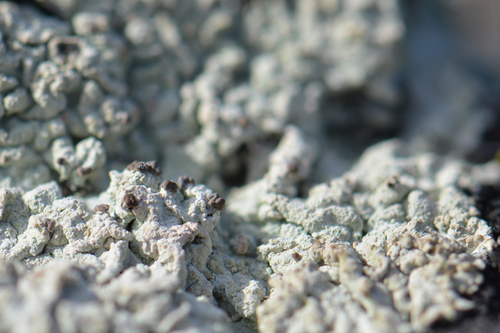
Bredfliget svampelav
ENBaeomyces placophyllus
Bredfliget svampelav (Baeomyces placophyllus) is declining primarily due to habitat loss from urban development and infrastructure projects that destroy its specialized substrate requirements. Air pollution and climate change are additional stressors affecting this sensitive lichen species.
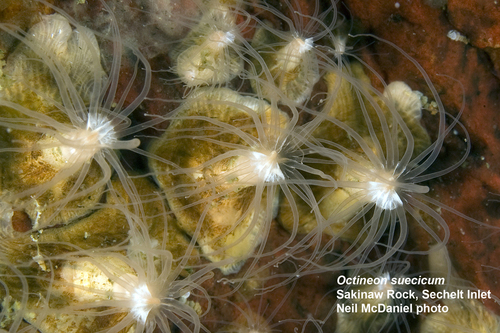
bredfotsanemon
CROctineon suecicum
Bredfotsanemon faces severe population declines due to coastal development and pollution in its limited Baltic Sea range. Climate change-induced warming and acidification of marine waters further threaten this cold-water specialist, while its restricted distribution makes it particularly vulnerable to localized disturbances.

bredlobig filtlav
VUPeltigera latiloba
Peltigera latiloba faces significant threats from habitat degradation due to air pollution, particularly nitrogen deposition and acid rain, which alter the chemical composition of its substrate. Climate change poses additional risks through altered precipitation patterns and temperature fluctuations that affect the delicate moisture balance required for this lichen's survival.
bredsnabelmattevever
VUCentromerus semiater
Centromerus semiater faces significant threats from habitat degradation and fragmentation due to agricultural intensification and urban development across its European range. Climate change poses additional risks by altering the microhabitat conditions essential for this small spider species, while pesticide use in agricultural areas directly impacts both the species and its prey base.
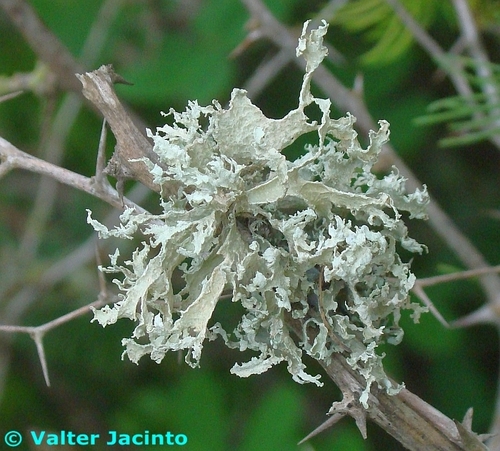
breed takmos
CRRamalina canariensis
Ramalina canariensis, a lichen species endemic to the Canary Islands, faces severe threats from habitat destruction due to urban development and tourism infrastructure expansion. Air pollution and climate change are additionally impacting this sensitive species, which requires specific environmental conditions to survive.
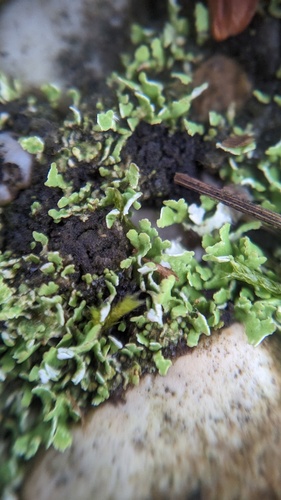
breekbaar heidestaartje
VUCladonia callosa
Cladonia callosa faces significant threats from habitat degradation and atmospheric pollution, which severely impact the specialized heathland and moorland ecosystems it depends on. Nitrogen deposition from agricultural and industrial sources alters soil chemistry, making conditions unsuitable for this sensitive lichen species. Climate change and increased recreational pressure on remaining heathland habitats further compound these threats.

Breitstieliger Zärtling
VUEntoloma turci
Breitstieliger Zärtling faces significant threats from habitat degradation and loss of suitable forest ecosystems across its range. The species' dependence on specific soil conditions and mycorrhizal relationships makes it particularly vulnerable to environmental changes and forest fragmentation. Climate change and altered precipitation patterns further threaten the delicate ecological balance required for this fungus to thrive.
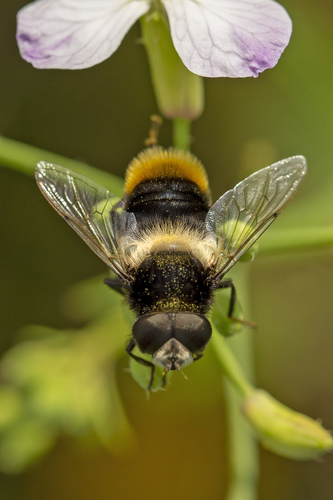
Bremse-dyndflue
VUEristalis oestracea
Bremse-dyndflue (Eristalis oestracea) faces significant threats from habitat degradation and loss of wetland environments essential for its larval development. Agricultural intensification and urban development have reduced the availability of suitable breeding sites, while pollution and climate change further impact the aquatic habitats this hoverfly depends on.

Brilliant Emerald
VUSomatochlora metallica
The Brilliant Emerald faces significant threats from habitat degradation and loss of suitable breeding sites. Pollution of freshwater systems, drainage of wetlands, and climate change impacts on aquatic ecosystems are reducing the availability of clean, well-oxygenated waters essential for larval development.

Brilliant Neb, Flame Seedhead Moth
ENMetzneria aprilella
The Flame Seedhead Moth faces severe decline primarily due to habitat loss and degradation of its specialized chalk grassland environments. Agricultural intensification, urban development, and changes in traditional grazing management have significantly reduced the availability of suitable breeding sites where its host plants occur.
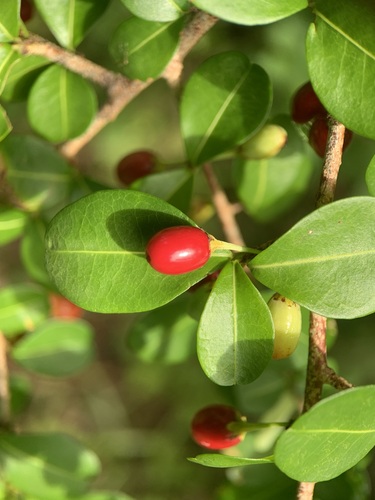
Brisselet
ENErythroxylum brevipes
Brisselet (Erythroxylum brevipes) is primarily threatened by habitat loss and degradation due to agricultural expansion, urban development, and deforestation in its limited range. The species' restricted distribution makes it particularly vulnerable to localized threats and environmental changes.

Bristle Club-rush
ENIsolepis setacea
Bristle Club-rush faces severe decline primarily due to habitat loss and degradation of its specialized wetland environments. Drainage of temporary pools, agricultural intensification, and urban development have eliminated many suitable sites, while remaining populations are threatened by water pollution and altered hydrology.
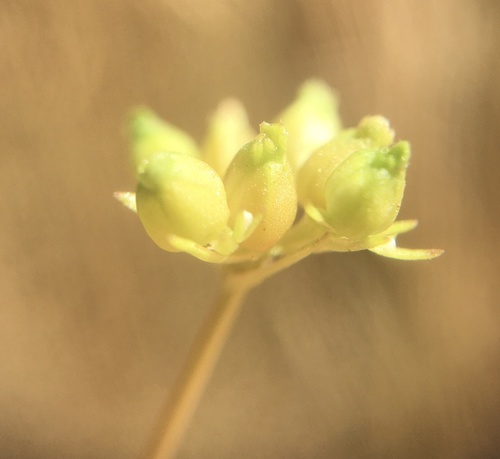
Broad-fruited Cornsalad
CRValerianella rimosa
Broad-fruited Cornsalad is critically endangered primarily due to habitat loss from agricultural intensification and urban development that has eliminated most of its native grassland and arable field margin habitats. The species has experienced severe population declines across its European range, with many historical populations now extinct due to changes in farming practices and land use conversion.

Broad-leaved Cottongrass
ENEriophorum latifolium
Broad-leaved Cottongrass is primarily threatened by habitat loss and degradation due to drainage and conversion of wetlands for agriculture and development. Climate change poses an additional threat by altering the hydrology and temperature regimes of the specialized bog and fen habitats this species requires.

Broad-leaved Ragwort
CRSenecio sarracenicus
Broad-leaved Ragwort faces severe decline primarily due to habitat loss and degradation of its specialized wetland environments. Agricultural intensification, drainage of marshlands, and urban development have significantly reduced the availability of suitable riparian and marshy habitats where this species naturally occurs.

Broad-leaved Sermountain
CRLaserpitium latifolium
Broad-leaved Sermountain faces severe population decline primarily due to habitat loss and fragmentation from agricultural expansion and urban development in its limited European range. The species is further threatened by overgrazing, changes in traditional land management practices, and climate change impacts on its specialized montane grassland habitats.
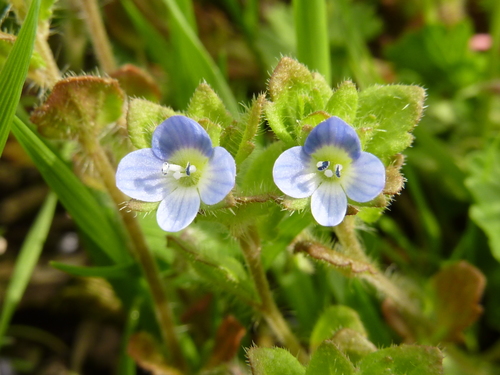
Broadsepal Speedwell
CRVeronica opaca
Broadsepal Speedwell (Veronica opaca) is critically endangered due to its extremely limited distribution and small population size, restricted to a few locations in Turkey. The species faces severe threats from habitat destruction through agricultural expansion, urban development, and infrastructure projects in its narrow range.