Blunt Cord-moss
VUVulnerable

Blunt Cord-moss

Entosthodon obtusus

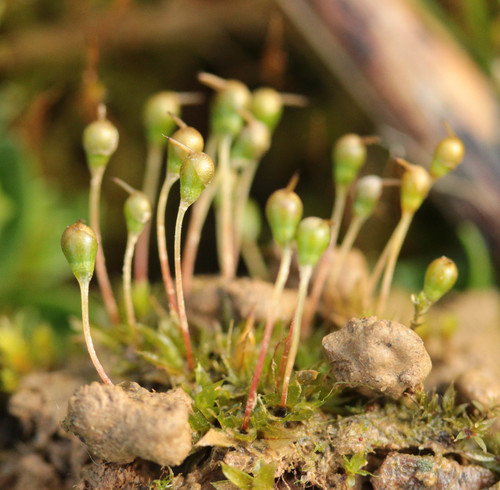
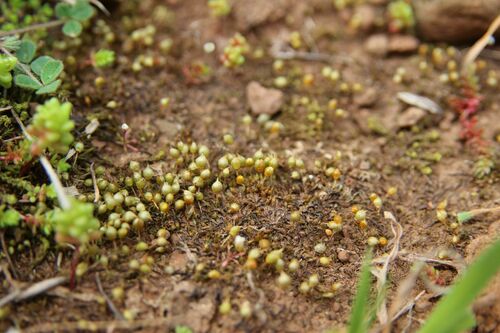
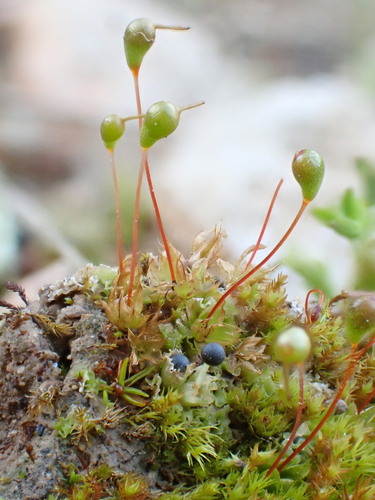
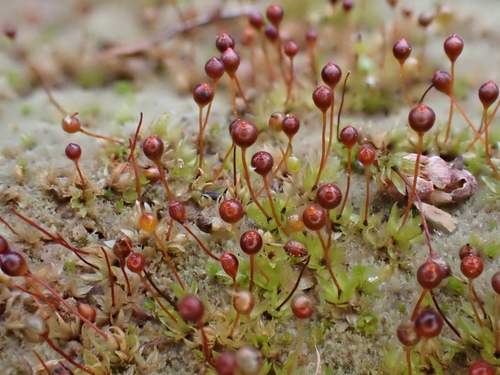
Blunt Cord-moss (Entosthodon obtusus) is a small acrocarpous moss characterized by its distinctive blunt-tipped leaves and compact growth form. This bryophyte species plays an important ecological role as a pioneer colonizer of disturbed soils and contributes to soil stabilization and moisture retention in its native habitats.

Photo: iNaturalist: (c) Stefan Gey, some rights reserved (CC BY-NC), uploaded by Stefan Gey

01Classification

Taxonomy & Classification

Kingdom

Plantae

Phylum

Bryophyta

Class

Bryopsida

Order

Funariales

Family

Funariaceae

Genus

Entosthodon

Blunt Cord-moss belongs to the family Funariaceae, order Funariales, within the Bryopsida class.

02Description

Species Profile

Blunt Cord-moss (Entosthodon obtusus) is a small acrocarpous moss characterized by its distinctive blunt-tipped leaves and compact growth form. This bryophyte species plays an important ecological role as a pioneer colonizer of disturbed soils and contributes to soil stabilization and moisture retention in its native habitats.

Blunt Cord-moss faces significant threats from habitat degradation and loss due to agricultural expansion, urban development, and changes in land use practices that alter the specific soil and moisture conditions this species requires. Climate change poses additional risks through altered precipitation patterns and temperature regimes that may disrupt the delicate environmental conditions necessary for moss establishment and reproduction.

Key Facts

IUCN StatusVulnerable (VU)
GroupPlants
03Habitat

Habitat & Distribution

Blunt Cord-moss typically occurs on disturbed or bare soil in open habitats including agricultural fields, roadsides, waste ground, and other areas with exposed mineral soil. The species favors calcareous or neutral soils with adequate moisture during growing seasons, often establishing in ephemeral habitats created by human activities.

04Threats

Threats

Habitat loss from agricultural conversion

HighOngoing

Urban development and infrastructure expansion

HighOngoing

Altered hydrology from land use changes

MediumOngoing

Climate change impacts on moisture regimes

MediumOngoing

Soil disturbance and compaction

MediumOngoing
07National Status

National vs Global Threat Status

How this species is assessed at the national level compared to its IUCN global status (VU).

CountryNational StatusGlobal StatusComparison
EULCLeast ConcernVUVulnerableLower local risk

National Red List data sourced from the National Red List Project (nationalredlist.org, ZSL) and country-specific Red List authorities.

Community

Community Sightings

Report a sighting

No community sightings yet. Be the first to report!

07Sources

Sources & Attribution

How to Cite

IUCN: IUCN (2025). The IUCN Red List of Threatened Species. Version 2025-1. Available at: https://www.iucnredlist.org. doi:10.2305/IUCN.UK.2025-1.RLTS

GBIF: GBIF.org (2025). GBIF Home Page. Available at: https://www.gbif.org

National Red Lists: ZSL (2025). National Red List. Zoological Society of London. Available at: https://www.nationalredlist.org

This page: SpeciesRadar (2025). Blunt Cord-moss (Entosthodon obtusus). SpeciesRadar: Intelligence for Earth's Biodiversity. Available at: https://speciesradar.org/species/blunt-cord-moss

Full citation guide & data usage terms