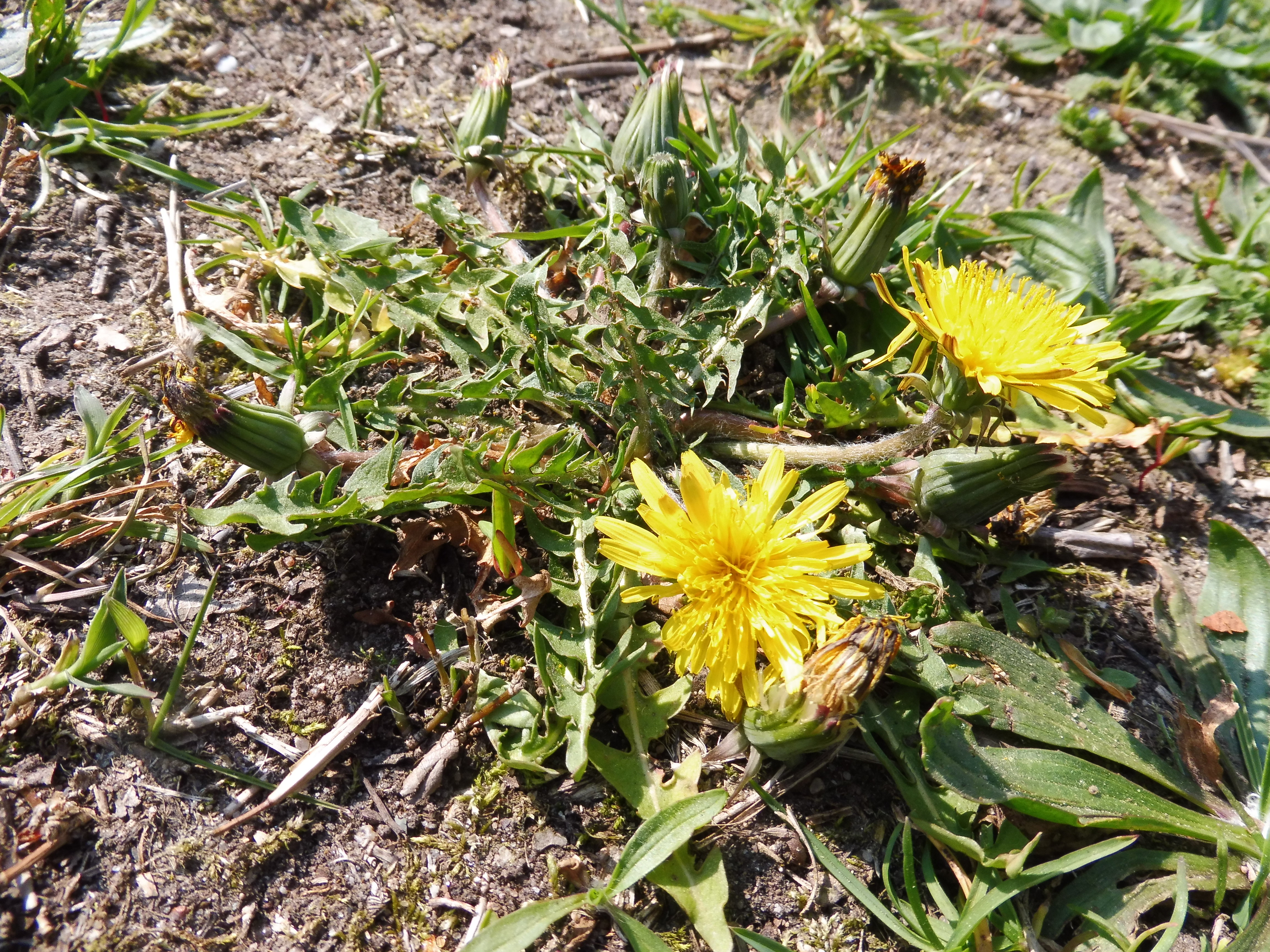
Taraxacum plumbeum
Photo: Photo: Steffen Hammel via Wikimedia Commons CC BY-SA 4.0
Overview
Taraxacum plumbeum, commonly known as blymaskros, is a rare dandelion species distinguished by its distinctive blue-gray (plumbeous) colored flower heads and deeply lobed leaves with a metallic sheen. This perennial herb serves as a specialized pollinator resource for endemic arctic insects and plays a crucial role in stabilizing soil in its fragile alpine ecosystem.
Taraxacum plumbeum faces severe threats primarily from habitat destruction and fragmentation due to urban development and agricultural expansion in its limited range. The species' extremely restricted distribution makes it particularly vulnerable to localized environmental changes and human activities.
Habitat
Blymaskros occurs exclusively in high-altitude alpine meadows and rocky crevices between 2,800-3,400 meters elevation, typically on north-facing slopes with well-drained, mineral-rich soils. The species requires areas with persistent snow cover for 6-8 months annually and is found only in locations with specific microclimate conditions created by granite boulder fields.
Other threatened species in Asteraceae
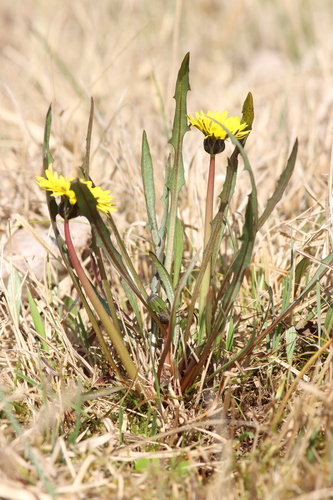

Threatened in Argentina

Frequently asked questions
Why is Taraxacum plumbeum classified as Critically Endangered?
Where does Taraxacum plumbeum live?
What are the main threats to Taraxacum plumbeum?
Get weekly conservation intelligence
One short digest a week of the most striking species and country data we ship, plus breaking conservation news paired with our database where it matters.
Free, no spam. One-click unsubscribe in every email.