
Bog Fritillary
Boloria eunomia
Photo: Wikimedia Commons (CC) via https://en.wikipedia.org/wiki/Boloria_eunomia
Overview
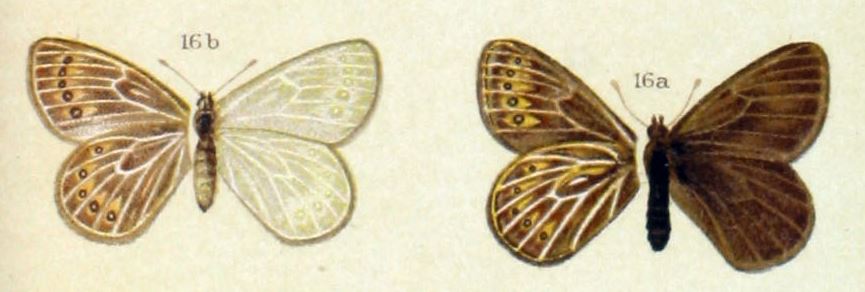
Boloria eunomia, the bog fritillary or ocellate bog fritillary is a butterfly of the family Nymphalidae.
The Bog Fritillary is critically endangered primarily due to habitat loss and degradation of its specialized bog and wetland ecosystems. Climate change poses an additional severe threat by altering the hydrology and plant communities of these sensitive habitats, while habitat fragmentation isolates remaining populations and reduces genetic diversity.
Habitat
It is found throughout the north-temperate region of the Northern Hemisphere The species is not mentioned in the Red Data Book of Serbian butterflies because it was not known to be in the country at the time of it being published. The species is commonly found in open acid bogs in areas that are moist. It can also be found in moist tundra and willow seeps.
Other threatened species in Nymphalidae


Frequently asked questions
Why is Bog Fritillary classified as Critically Endangered?
Where does Bog Fritillary live?
What are the main threats to Bog Fritillary?
Get weekly conservation intelligence
One short digest a week of the most striking species and country data we ship, plus breaking conservation news paired with our database where it matters.
Free, no spam. One-click unsubscribe in every email.